
Most men are familiar with hard work and sustained productivity. Far fewer are comfortable with rest, especially when it comes without a sense of earned justification. This imbalance affects energy, focus, physical health, and long-term performance. Rest is frequently interpreted as a lack of discipline rather than a functional requirement for consistency. The challenge is not a lack of drive, but a lack of understanding. Many men were never taught the importance of rest or why it plays a critical role in maintaining performance over time.
Mental Overload Is Often Misread as Laziness

Difficulty relaxing is often framed as a personal shortcoming. In reality, many men operate under constant mental stimulation from work demands, digital notifications, and background media. This level of input keeps the nervous system active even after physical activity stops. When mental disengagement does not occur, recovery becomes incomplete. Fatigue builds while restlessness remains. This combination is frequently mistaken for laziness, despite being a sign of overload.
Cultural Expectations Shape Attitudes Toward Rest

From an early age, endurance and output are commonly rewarded in men. Rest is frequently portrayed as something that follows achievement rather than something that enables it. These ideas shape long-term beliefs about productivity and personal value. Slowing down can feel irresponsible, even when recovery is needed. Guilt often accompanies rest, regardless of circumstance. Over time, this mindset contributes to burnout rather than sustained performance.
Rest and Laziness Serve Opposite Functions

Laziness involves avoiding effort or responsibility. Rest supports the ability to handle responsibility effectively. Confusing these concepts leads to counterproductive behavior patterns. Some men avoid rest entirely, while others disengage in ways that do not result in recovery. Intentional rest is structured and time-bound. It restores clarity, focus, and functional energy
Digital Consumption Prevents Real Recovery

Phone use often appears passive, but it keeps the brain actively engaged. Social platforms stimulate attention, emotion, and comparison in rapid cycles. This activity prevents the nervous system from settling. As a result, fatigue may increase rather than decrease. Time spent scrolling is frequently misidentified as rest. Genuine recovery requires reduced stimulation, not simply physical stillness.
Recovery Skills Are Rarely Taught

Men commonly receive guidance on working harder and improving performance. Instruction on recovery is far less common. Without direction, many rely on trial and error. This leads to inconsistent or ineffective rest habits. Some men push until exhaustion, while others disengage without restoring capacity. Recovery functions best when it is intentional and learned.
Physical Fatigue Is More Accepted Than Mental Fatigue

Physical exhaustion is visible and socially recognized. Mental fatigue is less obvious and often dismissed. Many men continue pushing because physical capability remains intact. Over time, mental strain accumulates beneath the surface. This can result in irritability, disrupted sleep, and reduced focus. The issue reflects imbalance rather than weakness.
Rest Supports Long-Term Performance

Rest plays a direct role in concentration and decision-making. Men who maintain consistent performance over time often account for recovery. Without rest, effort becomes less effective. Output may continue, but results begin to plateau. Strategic rest supports consistency. It allows sustained effort to produce meaningful outcomes.
Unscheduled Rest Is Often Skipped

Rest that lacks structure is frequently postponed. Many men wait for circumstances to slow before stepping back. In reality, responsibilities rarely ease without intervention. Scheduling rest improves consistency. It also removes guilt from the decision to pause. Structure makes recovery more reliable and repeatable.
Active Rest Can Be More Effective Than Inactivity

Complete stillness can increase restlessness for some men. Active rest allows movement without performance demands. Activities such as walking or light outdoor time help calm the nervous system. These options reduce stress while maintaining engagement. Active rest often feels more accessible. It supports recovery without boredom.
Sleep Alone Cannot Solve Ongoing Fatigue

Sleep remains essential, but it cannot counter constant mental strain on its own. When overstimulation persists throughout the day, sleep quality declines. Some men wake feeling tired despite sufficient hours. Recovery requires more than nighttime rest. Short breaks during the day contribute significantly. These pauses prevent fatigue from compounding.
Chronic Fatigue Affects Emotional Regulation

Ongoing exhaustion reduces emotional control. Minor stressors may feel disproportionate. Reactions become faster and less measured. Over time, this pattern affects both personal and professional interactions. Emotional fatigue often goes unrecognized. Rest plays a key role in restoring emotional stability.
Relationships Are Influenced by Energy Levels

Energy levels shape how individuals engage in relationships. Reduced capacity can limit attentiveness and responsiveness. This shift may be interpreted as disinterest. Rest increases emotional availability. Communication becomes smoother when mental resources are restored. Relationship strain often reflects exhaustion rather than intent.
Technology Requires Intentional Limits

Technology itself remains neutral. Unrestricted use fragments attention and sustains mental activity. Notifications and constant updates interfere with recovery. Setting limits reduces cognitive load. Even small adjustments can improve clarity. Intentional use allows technology to support rest rather than disrupt it.
Boundaries Enable Sustainable Recovery

Many men wait for external permission to rest. That permission often does not arrive. Boundaries protect time and energy. Reducing overcommitment supports recovery. Saying no can prevent long-term exhaustion. Boundaries make rest achievable.
Decision-Making Improves With Recovery

Fatigue increases impulsivity and stress responses. Clear thinking depends on mental space. Rest supports better judgment under pressure. Decisions feel less urgent when energy is restored. Recovery contributes to steadier leadership. Mental clarity reflects nervous system balance.
Slide 16: Burnout Develops Gradually
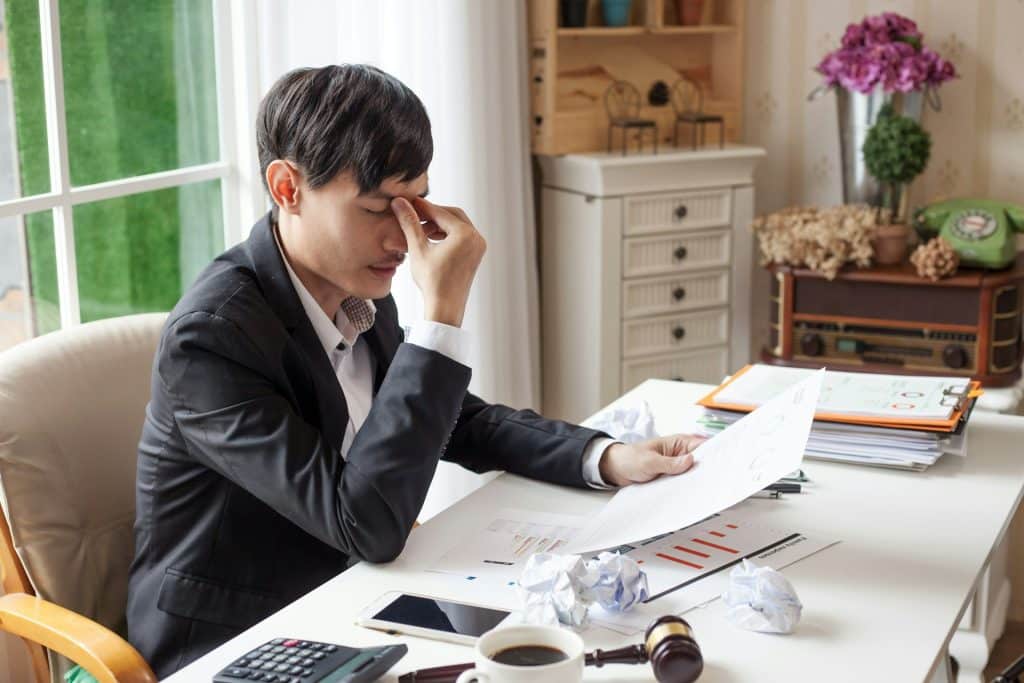
Burnout rarely appears suddenly. It develops through prolonged imbalance. Early warning signs are often overlooked. Reduced motivation and focus follow. Recovery becomes more difficult the longer it is delayed. Preventive rest reduces burnout risk.
Rest Improves Physical Health Outcomes

Chronic stress affects multiple physical systems. Recovery supports immune function and hormonal balance. Poor rest contributes to long-term health issues. Regular recovery improves resilience. Physical health reflects cumulative habits. Rest remains one of the most influential factors.
Productivity Improves With Recovery

Sustained productivity depends on recovery cycles. Continuous output without rest leads to diminishing returns. Strategic rest improves efficiency. Tasks take less effort when energy is restored. Productivity benefits from balance. Recovery supports sustainable output.
Strength Includes Recovery Skills

Strength is often associated with endurance. Sustainable strength includes knowing when to pause. Recovery preserves long-term capacity. Men who rest effectively maintain consistency. This approach supports growth over time. Strength develops through balance, not constant strain.
Rest Is a Learned Skill

Rest is not instinctive for many men. It improves through awareness and practice. Small changes produce meaningful results. Understanding recovery reduces guilt. Rest supports clarity, health, and performance. Learning how to rest is an investment in longevity.








Ask Me Anything