
Nobody gets married thinking they will slowly grow bitter toward the person they promised to love. Most men actually want peace at home. You want a partner who feels like your teammate, not someone who constantly drains your energy. But resentment does not usually come from one big betrayal. It builds slowly through everyday habits that make you feel disrespected, ignored, or emotionally exhausted. You might not say anything because you want to keep the peace. But over time, small behaviors can make you pull away emotionally.
Constantly Criticizing Everything You Do

Nothing drains your motivation faster than feeling like you cannot do anything right. When every decision gets criticized, even small ones, you slowly stop trying. You fix something around the house and instead of hearing “thanks,” you hear what you should have done differently. Over time it feels like you are being managed instead of loved. You start to question why you should even bother putting in effort. Respect matters to men more than many people realize. When criticism becomes the default tone, resentment quietly starts growing.
Treating You Like Another Child Instead of a Partner

You are a grown man, yet sometimes it feels like you are being supervised. Being told what to do, how to do it, and when to do it can make you feel small in your own home. Marriage should feel like a partnership, not like living with a strict parent. When every conversation turns into instructions or reminders, it becomes exhausting. You start feeling like your opinions do not matter. Eventually you stop sharing ideas because you already expect them to be dismissed. That dynamic slowly kills attraction and respect on both sides.
Publicly Disrespecting You in Front of Others
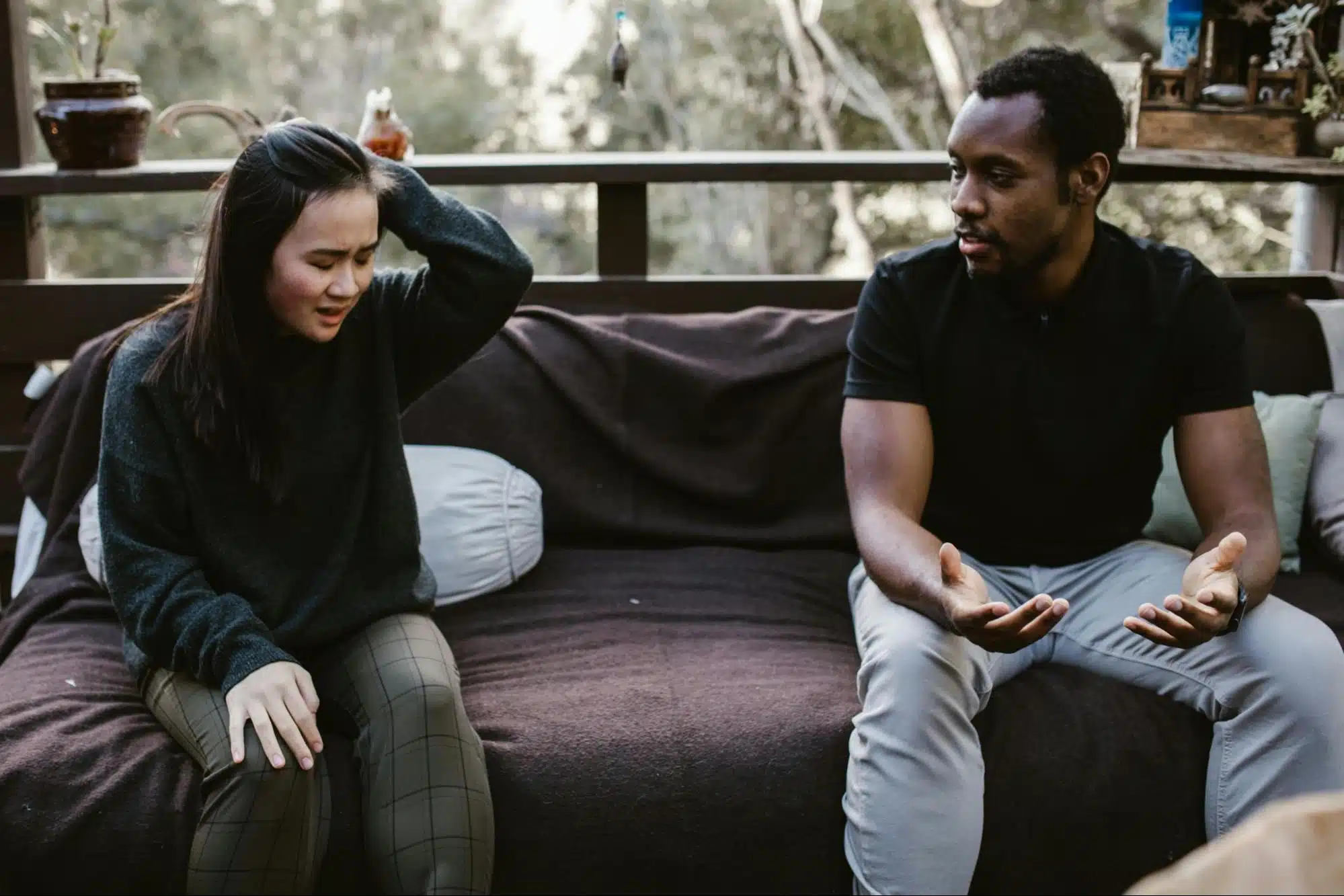
Men can tolerate a lot in private conversations. But when criticism or jokes happen in front of friends, family, or strangers, it hits differently. Being embarrassed publicly makes you feel exposed and undermined. It signals that protecting your dignity is not a priority. Even if the comment was meant as humor, it can sting more than people realize. Respect in public matters deeply to most men. When that line gets crossed often, resentment builds quietly. It makes you feel like your partner is not on your side.
Turning Every Conversation Into an Argument

Not every disagreement has to become a full debate. But when every discussion escalates, you begin to avoid talking altogether. You start choosing silence because it feels safer than conflict. The problem is that silence slowly turns into emotional distance. You still live in the same house, but the connection fades. Healthy couples know how to disagree without attacking each other. When arguments become constant, it feels like you are living in a battlefield. No one wants to come home to that energy every day.
Withholding Affection as a Form of Punishment

Affection should not feel like a reward system. When hugs, intimacy, or warmth disappear after every disagreement, it starts to feel manipulative. You begin to question whether love is conditional. Physical and emotional closeness matter a lot in long-term relationships. When that connection disappears whenever tension appears, it creates insecurity. You feel like you are always one mistake away from emotional distance. Over time, the relationship begins to feel cold instead of supportive.
Comparing You to Other Men
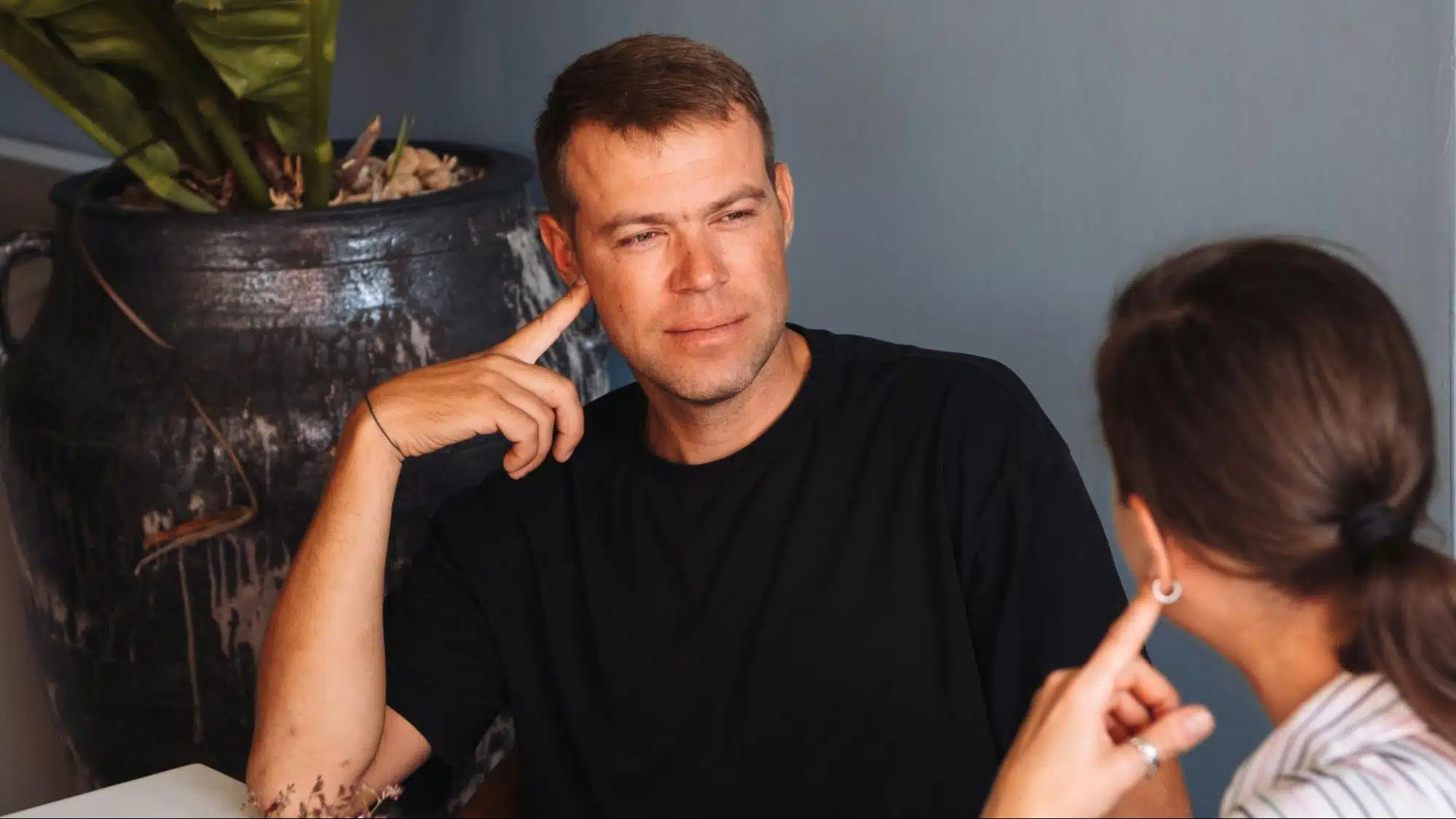
Nothing kills confidence faster than constant comparisons. Hearing about someone else’s husband who makes more money or plans better vacations can feel like a quiet insult. It makes you feel like you are constantly being measured against someone else. Instead of motivating you, it often does the opposite. You start feeling like you will never meet the expectations anyway. Appreciation motivates people far more than comparison ever will. When comparisons happen often, resentment grows beneath the surface.
Ignoring Your Efforts Because They Feel “Expected”

Many men stop trying when their efforts go unnoticed. You work long hours, fix problems, and try to provide stability. But if it always feels like the bare minimum in your partner’s eyes, motivation fades. Everyone wants to feel appreciated. Even small acknowledgments can make a huge difference. When effort becomes invisible, it creates emotional distance. You begin to wonder if anything you do actually matters.
Using Social Media to Vent About the Relationship

Posting vague complaints online might seem harmless in the moment. But it often feels like airing private problems to an audience. Seeing relationship frustrations hinted at through posts or captions can feel disrespectful. Instead of addressing issues directly, it turns the relationship into public content. That can damage trust quickly. Most men value privacy when it comes to relationship struggles. When problems become social media topics, it can feel like betrayal.
Making Major Decisions Without Including You

Partnership means both voices matter. When big decisions happen without your input, it sends a clear message that your opinion is optional. That could involve finances, parenting choices, or even lifestyle changes. Feeling excluded from decisions that affect your life creates frustration. You begin to feel like a background character in your own marriage. Over time, that dynamic weakens teamwork. Strong relationships rely on shared decision making.
Weaponizing Past Mistakes During Every Fight

Everyone has made mistakes in their relationship. But constantly bringing them up years later keeps the wound open. It makes growth feel impossible. Even when you genuinely try to improve, the past keeps getting dragged back into the conversation. That can make you feel like forgiveness never truly happened. Instead of resolving issues, it turns every argument into a history lesson. Eventually you stop believing that change will ever be recognized.
Acting Like You’re Always the Problem

Accountability should exist on both sides. But when blame always lands on you, the relationship starts to feel unfair. You begin carrying emotional responsibility for everything that goes wrong. Over time it becomes exhausting. No one wants to feel like the permanent villain in their own marriage. Healthy relationships involve self reflection from both partners. Without that balance, resentment quietly builds.
Dismissing Your Stress and Responsibilities

Many men carry pressure related to work, finances, and providing stability. When those stresses get brushed off or minimized, it can feel incredibly lonely. You may not talk about pressure often, but that does not mean it is not there. Hearing that your struggles are not a big deal can make you shut down emotionally. Support matters more than solutions sometimes. Feeling understood is powerful. When that understanding is missing, distance grows.
Expecting Mind Reading Instead of Communication

Clear communication solves many relationship problems. But expecting your partner to magically understand what you want can lead to constant frustration. When expectations remain unspoken, disappointment becomes inevitable. You start feeling like you are failing tests you did not know existed. Honest conversations prevent that confusion. Without them, tension builds from misunderstandings. Communication should feel safe, not like a guessing game.
Turning Small Issues Into Character Attacks

Everyone makes small mistakes. But when those moments turn into attacks on your personality, it cuts deeper. A forgotten chore suddenly becomes proof that you are irresponsible. A late arrival becomes evidence that you do not care. Those jumps in logic make conflict feel unfair. Instead of solving the actual issue, the conversation turns personal. Over time it damages trust and emotional safety.
Taking the Relationship for Granted

One of the quietest ways resentment grows is through neglect. When effort disappears, the relationship slowly loses its warmth. Date nights disappear. Appreciation fades. Conversations become purely logistical. You start feeling more like roommates than partners. Love needs consistent attention to stay strong. When both people stop nurturing the connection, emotional distance becomes inevitable.








Ask Me Anything