
Most men don’t end up in toxic relationships overnight. It usually starts with small warning signs that seem easy to ignore during the excitement of early dating. But the truth is, those early behaviors often reveal exactly who someone is long before the real damage begins.
If you’re a man who values peace, stability, and a drama-free life, recognizing these signs early can save you years of frustration. The sooner you learn to spot them, the easier it becomes to walk away before things get complicated. Here are 17 red flags that tend to appear during the dating stage when a woman brings more chaos than value into a relationship.
Love Bombing (Too Intense, Too Soon)

If she pushes for extreme closeness or commitment very early on, take heed. Some people rush the relationship, showering you with affection, pressure, or big promises in the first few weeks. This kind of love bombing fast-tracks attachment before you’ve had time to see who she really is.
Once you’re hooked, the dynamic often shifts and the effort disappears. What looked like passion at first can turn into pressure, expectation, and emotional whiplash. Genuine connection grows steadily over time, not in a sudden emotional explosion during the first week.
Perpetual Victimhood and No Accountability

Be wary if every story she tells casts her as the innocent victim and everyone else as the villain. Some people never admit fault, and nothing is ever their responsibility. If you bring up a concern, the conversation quickly flips into guilt or self-pity.
Instead of addressing the issue, she may turn it into an emotional reaction designed to make you back off. Over time, this pattern makes honest communication nearly impossible. A mature partner owns mistakes and works through them instead of constantly blaming others.
Extreme Jealousy and Control

Does she need to know where you are at all times or get upset if you take too long to reply? Early signs of constant suspicion or monitoring are major warnings. This can include checking your phone, questioning your friendships, or reacting strongly to harmless interactions.
Healthy relationships rely on trust and personal space. When jealousy turns into surveillance or control, it creates tension instead of closeness. What starts as insecurity often evolves into ongoing conflict and restrictions.
Disrespect for Your Boundaries

Early dating should feel comfortable and respectful, not pressured. If she ignores your limits or pushes past your comfort zone, that’s a serious problem. This could show up as pressure around physical intimacy, privacy, or personal decisions.
Sometimes the control is subtle, like trying to change how you dress, behave, or present yourself. Other times it’s more obvious, such as ignoring clear requests for space or respect. A healthy partner listens and adjusts rather than pushing past your boundaries.
Entitlement and “Princess” Behavior

Notice if she acts like special treatment is owed to her without offering the same in return. Entitlement often shows up through expectations that you pay for everything or constantly prove your worth. Small disappointments may trigger frustration or passive-aggressive behavior.
Over time, this mindset creates an uneven dynamic where you’re expected to give while she simply receives. Healthy relationships involve mutual effort and appreciation. If everything revolves around her needs, resentment eventually follows.
Rude or Cruel to Others

Pay attention to how she treats people who can’t offer her anything in return. Being rude to waiters, service workers, or strangers reveals a lot about someone’s character. Disrespect toward others often signals entitlement and poor emotional control.
Kindness shouldn’t be selective. If she only shows warmth when it benefits her, the same behavior may eventually be directed toward you. Observing everyday interactions can reveal more about someone’s personality than grand romantic gestures.
No Healthy Friendships

It’s worth noticing if she has no stable friendships or constantly falls out with people. When someone claims that every past friend was toxic or dramatic, it raises questions. Patterns like that usually have a common denominator.
Healthy adults tend to maintain at least a few meaningful relationships. If she consistently describes others as the problem, it may reflect her own role in the conflicts. A lack of long-term friendships often signals ongoing interpersonal drama.
“All My Exes Are Crazy”

How someone talks about past relationships says a lot about their mindset. If every ex is described as toxic, crazy, or abusive, it may indicate a lack of self-reflection. While bad relationships do happen, a pattern of blame is worth noticing.
A mature person can acknowledge lessons learned from past experiences. When someone refuses to recognize their own role in conflicts, those same dynamics often repeat. Eventually, you may become the next villain in the story.
Using Sex as a Weapon or Tool

Great chemistry is normal, but intimacy shouldn’t feel transactional. Some people use sex as a way to control attention or influence behavior. It can appear as overwhelming physical intensity early on or withholding affection when things don’t go their way.
When intimacy becomes a bargaining tool, the relationship starts revolving around power instead of connection. Healthy sexual relationships grow from trust and mutual desire. Manipulation around intimacy often signals deeper emotional issues.
Constant Drama and Chaos
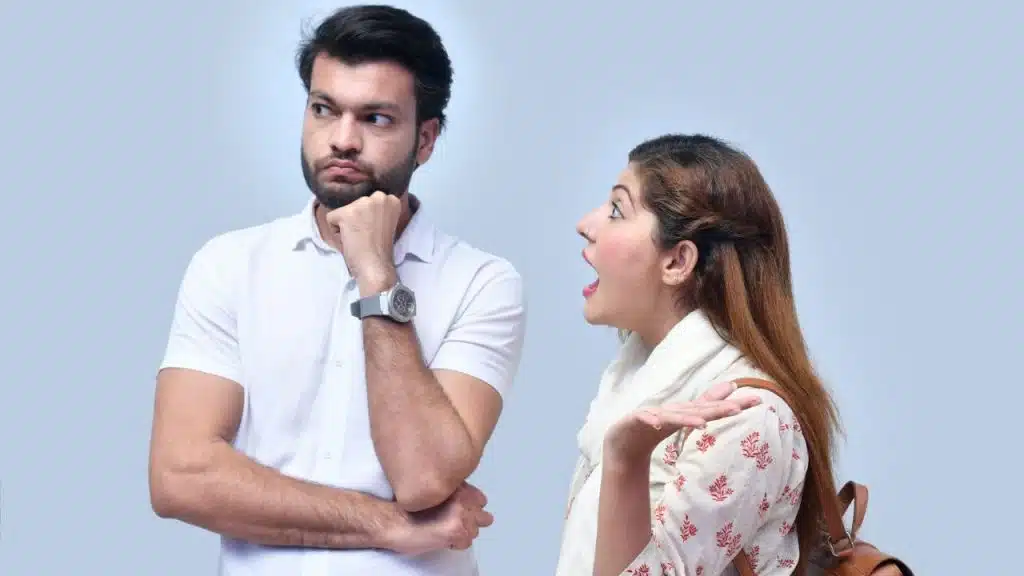
Some people seem surrounded by conflict no matter where they go. Every week brings a new crisis, argument, or emotional breakdown. When calm moments appear, they often find a way to stir up tension again.
A relationship should add peace to your life, not constant stress. If early dating already feels like navigating emotional emergencies, that pattern usually continues. Drama may feel exciting at first, but it becomes exhausting over time.
Hot Temper and Overreactions

How someone handles frustration early on reveals a lot about their emotional maturity. Explosive reactions, yelling, or public insults should never be brushed off as passion. Those behaviors usually escalate as the relationship deepens.
Disagreements are normal, but they should stay respectful. If minor problems trigger extreme anger or emotional outbursts, communication becomes difficult. Emotional stability is essential for a healthy long-term relationship.
Lying and Inconsistency

Honesty is fundamental, even in small matters. If you notice inconsistencies in her stories or catch her lying about trivial things, pay attention. Patterns of dishonesty rarely stay small for long.
When words and actions don’t align, trust slowly erodes. Healthy relationships depend on reliability and transparency. If the foundation starts with deception, it rarely improves later.
Irresponsible and Financially Reckless

Lifestyle habits can reveal a lot about priorities. Someone who constantly struggles with responsibilities while spending impulsively may create future instability. Financial recklessness often brings stress into a relationship.
It’s not about income level but about mindset and accountability. Consistently poor decisions around work, money, or obligations signal a lack of maturity. Over time, those habits often become shared problems.
Trauma Dumping Very Early

Openness is valuable, but extremely personal stories shared too soon can signal poor emotional boundaries. Deep personal struggles usually unfold gradually as trust develops. Sharing intense trauma immediately may indicate unresolved issues.
This pattern can also create an unbalanced dynamic where you become an emotional support system before a real relationship forms. Healthy vulnerability builds naturally over time. Oversharing early on often reflects emotional instability.
Self-Centered Communication

Notice if conversations constantly revolve around her experiences and opinions. You might realize you know everything about her life while she knows very little about yours. This dynamic can feel more like an audience than a partnership.
Healthy communication involves curiosity and mutual exchange. When someone rarely asks about your goals, interests, or feelings, it reveals limited emotional investment. A balanced relationship requires attention in both directions.
Mind Games and Inconsistency

Some people create confusion on purpose to maintain control. Hot-and-cold behavior, subtle jealousy tactics, or emotional tests can keep you constantly guessing. These patterns often drain energy and create unnecessary tension.
Relationships shouldn’t feel like psychological chess matches. Consistency and clarity build trust, while manipulation erodes it. When someone thrives on emotional games, the long-term outlook is rarely healthy.
Clinginess and Dependence

Strong relationships balance connection with independence. If she becomes anxious or upset whenever you spend time apart, it may signal deeper insecurity. Excessive dependence often leads to pressure and emotional exhaustion.
A healthy partner maintains their own interests, friendships, and routines. When someone expects you to fill every role in their life, the relationship becomes unbalanced. Independence on both sides keeps relationships stable and sustainable.








Ask Me Anything