
Strength is one of the most admired qualities in a man. The ability to stay calm, steady, and dependable is something people rely on every day. Yet behind that steady exterior, many men are carrying thoughts and emotions they rarely say out loud. Not because they don’t feel deeply. Often because experience has taught them that showing those feelings can change how people see them.
At some point, many men learn that vulnerability is complicated. It can bring closeness. It can also bring judgment, misunderstanding, or regret. Once that lesson lands, it tends to stick. These are some of the quieter reasons emotional walls go up in the first place.
They Were Taught Early That Emotions Equal Weakness
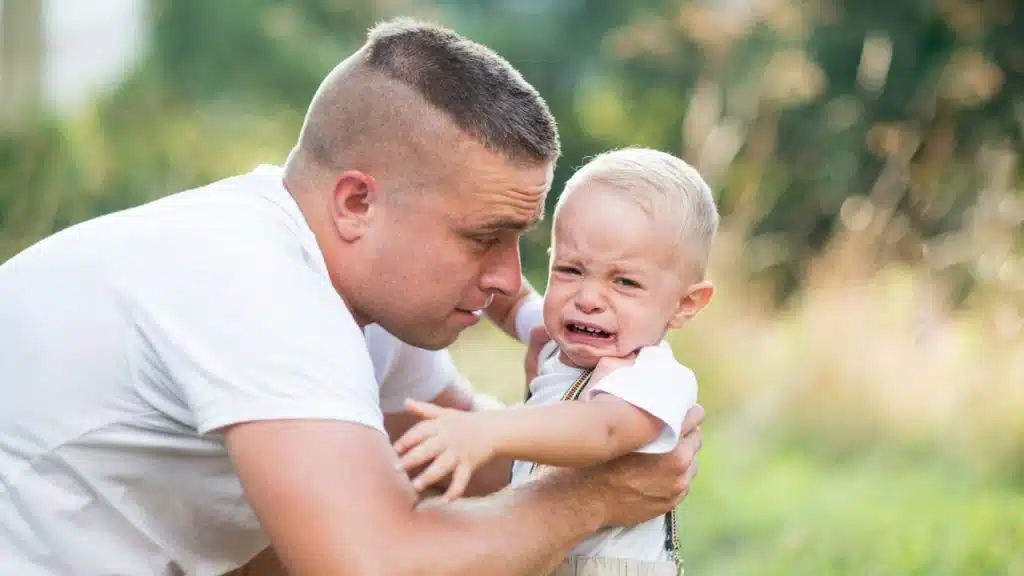
For many boys, the lesson starts early. Crying gets corrected. Fear gets dismissed. Sadness gets brushed off with a quick “shake it off” or “man up.” The message isn’t always cruel, but it’s consistent. Emotional control is treated like maturity.
Those small moments build a habit. By the time those boys become men, the instinct to suppress feelings feels automatic. It’s not that the emotions disappear. It’s that expressing them feels unfamiliar and slightly unsafe.
Vulnerability Has Been Used Against Them Before

Opening up can feel good in the moment. The problem is what happens later.
Some men have experienced a situation where something personal they shared came back during an argument or a tense moment. Maybe it was a fear, a mistake, or an insecurity. Once that happens, the mind quietly records the lesson. The next time vulnerability comes up, caution steps in first.
They Fear Losing Respect

Respect matters deeply to many men. It shapes how they show up at work, in friendships, and in relationships.
Because of that, vulnerability can feel like a gamble. There is often a quiet question in the back of their mind. If I show weakness here, will people see me differently tomorrow. That uncertainty alone is sometimes enough to keep certain feelings locked away.
They Don’t Have the Words for What They Feel

Emotions can be surprisingly difficult to explain, especially for someone who was never encouraged to practice that skill.
Many men feel frustration, pressure, or sadness without having the language to describe it clearly. When that happens, silence becomes the easier option. Trying to explain something you can’t fully articulate often feels awkward, confusing, or pointless.
Society Rewards Stoicism in Men

Look closely at how strong men are usually portrayed. The calm leader. The reliable provider. The guy who stays composed while everyone else panics.
That image runs deep. Emotional restraint is often treated like a badge of maturity. Over time, men absorb the idea that handling things quietly is part of being dependable.
They Feel Responsible for Holding Everything Together

In many families and workplaces, men feel a quiet pressure to stay steady when things get difficult.
When people depend on you, emotional vulnerability can feel risky. If others see you struggling, it can feel like the foundation itself might start to wobble. For some men, staying composed feels like part of protecting the people around them.
They’ve Been Mocked for Opening Up

Not every reaction to emotional honesty is supportive.
Sometimes vulnerability is met with jokes, teasing, or subtle dismissal. It might come from friends, coworkers, or even people who didn’t realize the moment was serious. Those experiences leave an impression. Once a man has been laughed at for opening up, the instinct to keep things private grows stronger.
They Were Never Shown How to Express Feelings

Emotional communication is something many people learn through observation. If the adults around you openly discuss stress, disappointment, or fear, those conversations become normal.
But plenty of men grew up in environments where emotions stayed hidden. Without that example, expressing feelings later in life can feel unfamiliar. It is not a lack of emotion. It is a lack of practice.
They Prefer Solving Problems Over Talking About Them

Many men naturally lean toward problem solving. If something goes wrong, the instinct is to fix it.
That mindset can make emotional conversations feel frustrating. Talking about feelings without a clear solution sometimes feels like circling the same issue without progress. From that perspective, keeping emotions private seems more efficient.
They Fear Becoming a Burden

Sharing struggles can feel like adding weight to someone else’s life.
Some men worry that expressing their worries or doubts will place pressure on the people they care about. Instead of risking that, they carry the stress quietly. It feels more responsible in the moment, even if it comes with a personal cost.
They’ve Seen Vulnerability Backfire in Other Men

Men pay attention to how other men are treated.
If someone opens up and gets judged, dismissed, or quietly avoided afterward, the lesson spreads quickly. Even if the experience wasn’t personal, it still shapes expectations. Watching vulnerability go badly for someone else can make a man decide it simply isn’t worth the risk.
They Associate Vulnerability With Losing Control
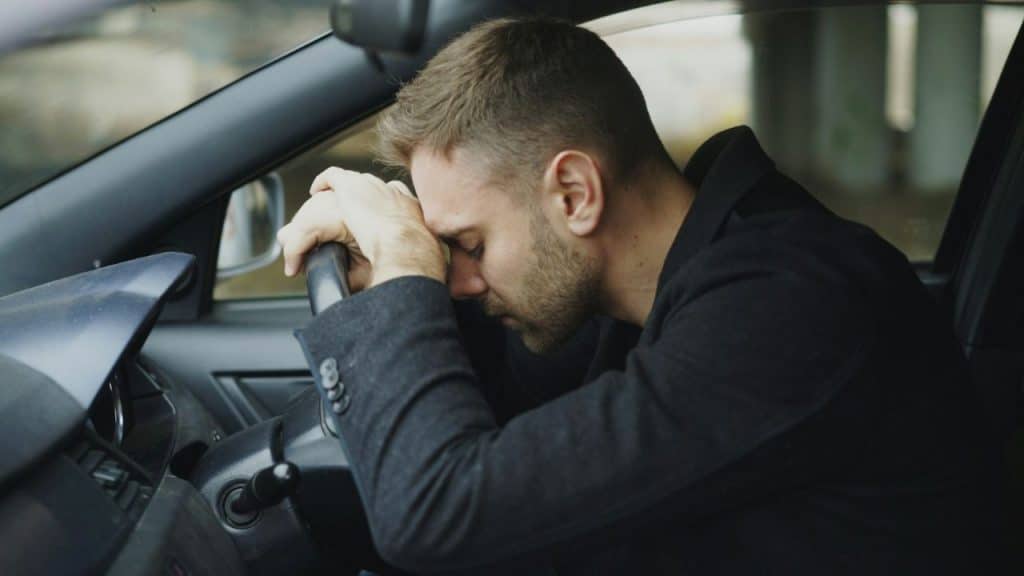
Emotions can feel unpredictable once they surface.
Some men worry that opening the door even slightly might lead to feelings they cannot easily contain. Anger, grief, regret, or frustration can build quietly over time. Keeping the lid on those emotions feels safer than wondering how far they might go once expressed.
They Don’t Want to Appear Unreliable

Reliability is a core part of how many men define themselves. The person others can count on. The one who stays steady under pressure.
Because of that identity, vulnerability can feel like it conflicts with the role they play in their family or career. Showing emotional struggle may feel like admitting instability, even when that isn’t actually true.
They’ve Been Told to Handle Problems Alone
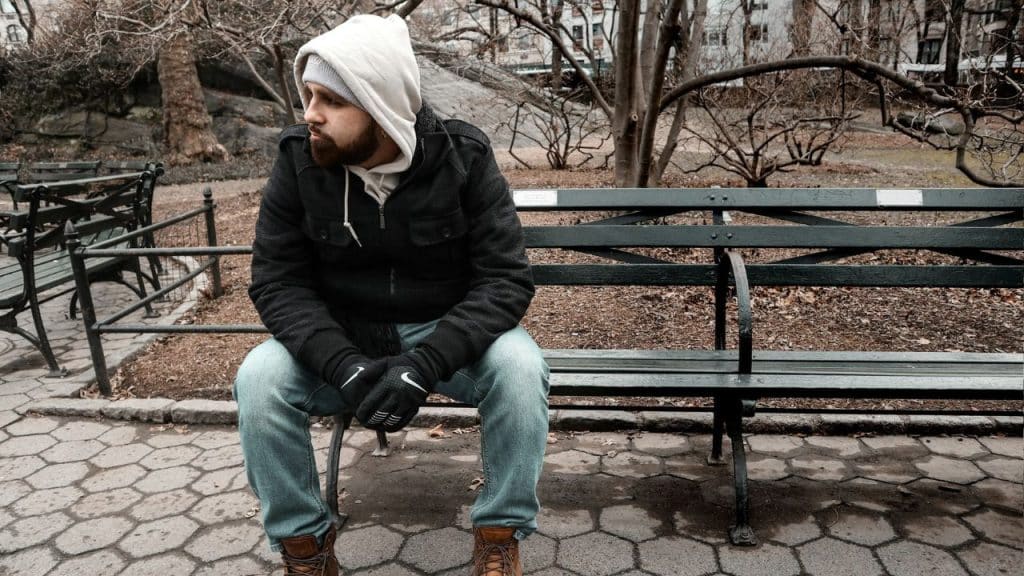
Independence is often treated as a defining trait of masculinity.
From an early age, boys hear the message that they should solve their own problems and tough things out. Over time, that belief becomes internalized. Asking for emotional support can feel like breaking an unspoken rule.
They Think No One Actually Wants to Hear It

Some men quietly believe that people say they want emotional honesty but react differently when it actually happens.
If someone has shared feelings in the past and received a lukewarm response, the conclusion becomes simple. Maybe people prefer the composed version of me. That assumption can shut down future attempts to open up.
They’re Still Trying to Understand Their Own Feelings
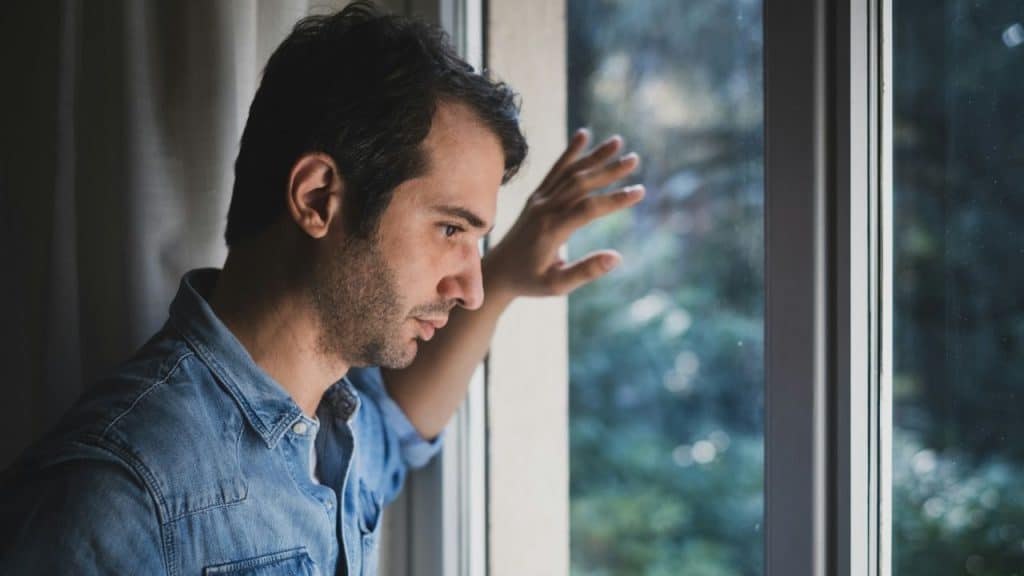
Emotional clarity does not always arrive immediately.
Stress, disappointment, and pressure can blend together in ways that take time to sort out. Some men stay quiet simply because they are still figuring out what they feel and why. Speaking too soon can feel confusing for both sides.
They’re Waiting for a Safe Moment That Never Comes

Vulnerability often feels like something that should happen at the right time. The right setting. The right conversation.
So men postpone it. They wait for a moment when the environment feels safe and the words come easily. But life moves quickly, and that perfect moment rarely arrives. Over time, the habit of waiting becomes another reason emotions stay hidden.








Ask Me Anything