
Take Note of These, Emotional Red Flags Rarely Shrink After Marriage.Chemistry can be loud, but emotional patterns are louder in the long run. Many people ignore early emotional red flags because the relationship feels exciting or “has potential.” The problem is that marriage does not soften emotional immaturity, it usually magnifies it under stress. Emotional red flags are not about someone having feelings. They are about how feelings are handled, expressed, and used in the relationship. One bad day is not the same as a repeating pattern. But repeating patterns early usually becomes the culture of the marriage later. These 17 red flags are common early warning signs that emotional safety may not be strong. Noticing them early can save years of confusion and quiet damage.
The Instability Signals: When Emotions Feel Unpredictable
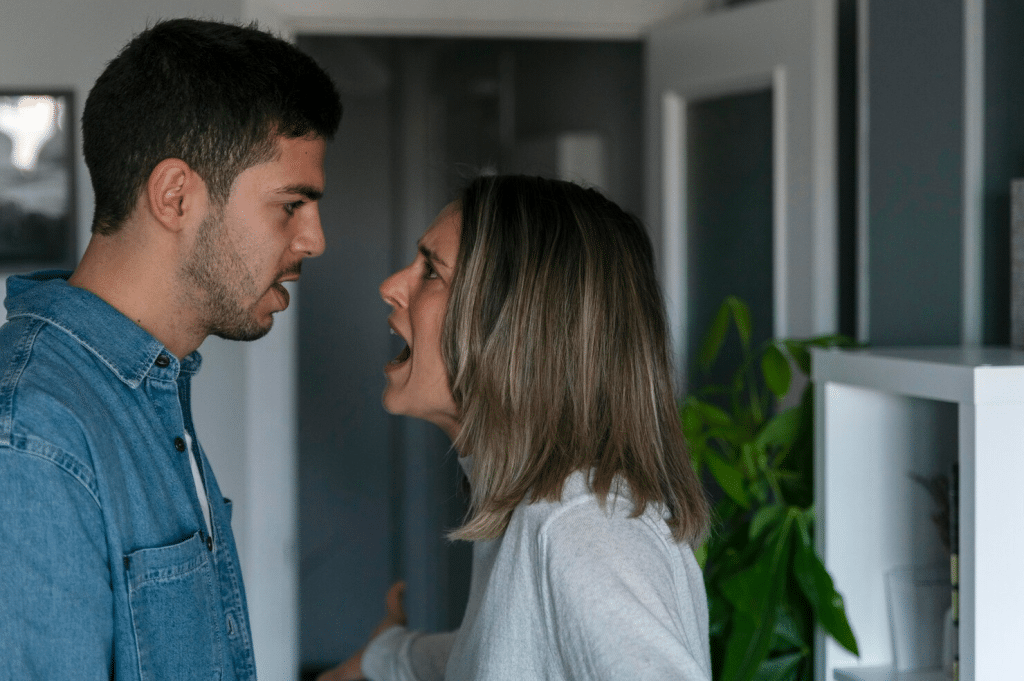
Emotional stability does not mean being emotionless. It means emotions are regulated and communicated respectfully. Some people create a relationship climate where everyone walks on eggshells. That climate can start early through small mood shifts, extreme reactions, or unpredictable behavior. When the emotional environment is unstable, partners become anxious and self-censor. Self-censorship kills intimacy because honesty feels unsafe. A stable relationship can still have conflict, but it should not feel scary. These early signs often predict an emotionally exhausting marriage. Stability is one of the strongest long-term green flags. Instability is one of the strongest early warnings.
They Swing Between Intense Affection and Cold Distance

Hot-and-cold energy creates emotional whiplash. A partner may feel deeply wanted one day and ignored the next. This pattern trains anxiety and chasing. Many people confuse intensity with love, but intensity can also be emotional instability. Consistency is what builds trust. When affection is unpredictable, the relationship becomes stressful. Stress reduces clarity and increases attachment confusion. Marriage with hot-and-cold patterns often becomes a cycle of highs and lows. Long-term love needs steadiness, not emotional roulette.
They React Strongly to Small Issues

Everyone has sensitive spots, but extreme reactions to minor problems are a warning sign. Overreaction can look like yelling, sarcasm, shutting down, or dramatic accusations. It makes the partner cautious and guarded. Guarded partners stop sharing honestly. When honesty becomes risky, intimacy becomes shallow. This pattern often worsens in marriage because stress increases. Emotional regulation is a skill, not a personality trait. A partner who cannot regulate early may struggle even more later. A relationship should not feel like one wrong word will start a storm.
They Use Moodiness to Control the Room

Some people do not communicate needs directly. Instead, they use mood, silence, or tension to make everyone adjust around them. This creates a home where the emotional climate depends on one person’s mood. Over time, the other partner becomes a manager of emotions rather than a loved one. That is exhausting and unattractive. It also creates resentment because peace becomes conditional. Healthy partners can be upset without turning it into control. Control through mood is still control. Marriage cannot thrive when one person’s mood sets the rules.
They Cannot Handle Normal Disappointment

Disappointment is inevitable in relationships. A mature partner can feel disappointed and still remain respectful. An immature partner reacts with blame, coldness, or punishment. That makes the relationship feel unsafe because human mistakes become dangerous. If small disappointments lead to big punishments, the partner will start hiding things. Hiding creates secrecy, and secrecy creates distrust. Trust cannot grow in a punishment-based environment. Marriage requires flexibility, not fragile reactions. Fragility often turns into resentment and control. The ability to handle disappointment calmly is a major long-term stability sign.
The Control and Manipulation Patterns: When Feelings Become a Weapon
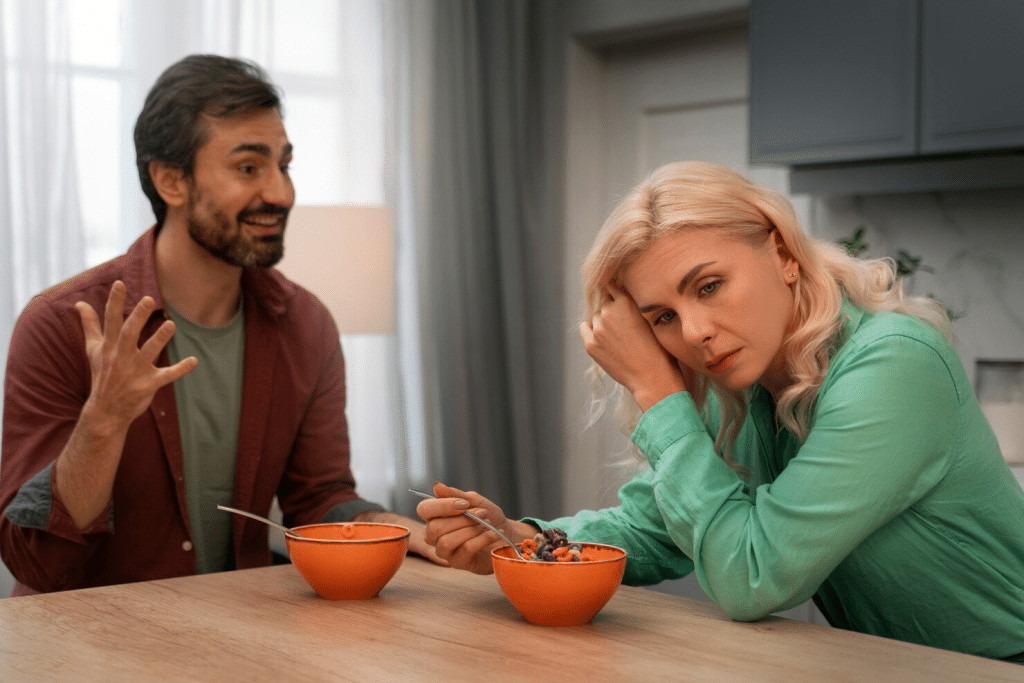
Some emotional red flags are not just immaturity, they are manipulation. Manipulation does not always look dramatic. It can look like guilt, victim behavior, or emotional pressure. These patterns are dangerous because they distort reality and make the other person doubt themselves. A healthy partner can express emotions without using them as leverage. A manipulative partner uses emotions to win, control, or avoid accountability. Marriage makes these patterns harder to escape because lives become more entangled. These signs often appear early. If they become normal, the relationship becomes emotionally unsafe.
They Guilt-Trip Instead of Making a Clear Request

Guilt-tripping is indirect control. It sounds like “after all I do,” or “if you loved me, you would.” It turns needs into pressure rather than honest communication. Pressure creates resentment, not closeness. It also teaches the partner to comply to avoid discomfort. Compliance is not love. Over time, guilt-tripping turns the relationship into emotional bargaining. A healthy partner can ask directly without making the other person feel bad. Direct requests build teamwork. Guilt builds distance.
They Play the Victim in Every Conflict

A partner who becomes the victim during every disagreement avoids accountability. The conversation shifts from the issue to comforting them. That creates an unfair dynamic where one person cannot bring concerns without becoming the caregiver. Over time, the caregiver partner becomes exhausted. Exhaustion often becomes resentment and emotional withdrawal. A relationship should allow both people to be honest. If honesty always triggers victim mode, honesty dies. Victim mode can be real emotion, but when it happens every time, it becomes a pattern of avoidance. Marriage with chronic victim behavior becomes emotionally draining. It blocks growth, repair, and mutual respect.
They Twist Words and Change the Story Mid-Argument

Reality shifting is a serious red flag. It can include denying obvious facts, changing timelines, or claiming you said things you did not say. This creates confusion and self-doubt. Self-doubt makes boundaries weaker and dependence stronger. A healthy partner may forget details, but they do not consistently rewrite reality to win. If conversations always end in confusion, something is wrong. Clarity is required for trust. Without clarity, the relationship becomes unstable. Marriage cannot thrive on confusion. Confusion is often how emotional control is maintained.
They Use Silent Treatment as Punishment

Taking space is healthy when communicated. Silent treatment is different because it is designed to punish. It creates anxiety, especially when the partner does not know when communication will return. This can pressure someone into apologizing just to end the silence. That creates a power imbalance. Power imbalance kills intimacy because love becomes fear-based. Over time, the relationship becomes emotionally cold. A partner who uses silence as a weapon often avoids real repair. Without repair, problems stack and resentment grows. Marriage needs communication, not disappearance. Silent punishment is emotional control disguised as “needing space.”
The Conflict Style Red Flags: How They Fight Predicts the Marriage

Conflict style is one of the strongest marriage predictors. People can be sweet during calm seasons and unsafe during hard seasons. Early dating conflict shows whether repair is possible. A mature partner stays respectful, owns impact, and returns to repair. An immature partner escalates, attacks, and avoids accountability. If fighting feels like emotional damage early, it will likely feel worse later. Marriage brings more stressors: money, family, health, and time pressure. Stress amplifies conflict habits. These red flags show up when problems appear. They reveal whether love is safe under pressure.
They Attack Character Instead of Addressing Behavior

Character attacks include insults, mocking, and labels like “you always” or “you’re just like…” This turns a simple issue into emotional injury. Injury creates defensiveness and distance. A partner who attacks character often lacks emotional regulation and empathy. It also signals contempt. Contempt is one of the most destructive relationship toxins. A healthy partner can criticize a behavior without demeaning a person. Demeaning kills safety. Safety is required for intimacy. If character attacks show up early, marriage will likely feel emotionally dangerous later.
They Use Threats to End the Relationship During Fights

Threatening breakup, divorce, or abandonment creates fear. Fear makes honesty unsafe because the relationship feels unstable. Even if the threat is not meant seriously, it still damages trust. It trains the partner to avoid hard conversations. Avoided conversations become resentment. Resentment becomes distance. Marriage cannot thrive when commitment is used as a weapon. A healthy partner protects the bond during conflict. They do not use the bond as leverage. If threats appear early, the relationship climate is already unstable. Stability should increase with time, not decrease.
They Refuse to Apologize or Admit Fault

A partner who cannot apologize is a partner who cannot repair. Without repair, conflict becomes permanent tension. Many people confuse apology with weakness, but it is emotional strength. It shows humility and accountability. If someone refuses to own impact, they will likely repeat the same behavior. Repeated behavior without accountability creates emotional debt. Emotional debt becomes resentment. Resentment eventually kills affection. A marriage needs two people who can own their part. If one person cannot, the other carries the relationship alone.
They Keep Score to “Win” Conflicts

Scorekeeping turns partners into opponents. It focuses on who is right, who did more, and who deserves what. This kills teamwork and creates resentment. Many healthy couples still talk about fairness, but they do it with the goal of balance, not victory. A partner who keeps score often uses it as a weapon during arguments. That creates emotional exhaustion because nothing is ever resolved. The relationship becomes a constant trial. Trials are not romantic. Marriage requires collaboration, not courtroom energy. If scorekeeping shows up early, resentment will likely grow fast.
The Attachment Warning Signs: When Love Feels Like Pressure

Some emotional red flags come from insecure attachment patterns. Insecurity is human, but unmanaged insecurity becomes control. It can show up as constant suspicion, monitoring, or needing reassurance in unhealthy ways. The relationship starts feeling like an emotional job. Many people confuse this with “love that cares.” But care includes trust. Pressure without trust becomes suffocating. Marriage intensifies this pressure because expectations grow. These signs often predict ongoing instability and anxiety. A healthy relationship should reduce anxiety over time, not increase it.
They Are Chronically Jealous and Call It “Protective”

Jealousy can happen, but chronic jealousy creates surveillance. Surveillance is not love. It becomes controlling behavior: questioning, accusations, checking, and restricting social life. This damages self-esteem and independence. Independence is required for healthy attraction. Many people become smaller under constant suspicion. Smaller is not safer; it is controlled. A partner who cannot trust early is unlikely to trust later. Marriage will not create trust if the foundation is insecurity. Trust is built through emotional maturity, not titles.
They Need Constant Reassurance but Reject Healthy Reassurance

Some partners need reassurance constantly, but nothing ever satisfies it. This creates a relationship where one person is always proving love. Proving love becomes exhausting. Exhaustion becomes resentment. A healthy partner can accept reassurance and calm down. An unhealthy pattern keeps the anxiety alive because anxiety creates control. This often shows up as repeated testing or pushing for validation. Testing is not intimacy. Intimacy is honest communication. If reassurance needs are endless and never regulated, the relationship becomes emotionally heavy. Marriage will not fix that heaviness; it often increases it.
They Cannot Respect Space Without Punishing It

Healthy space is communicated and respectful. Unhealthy space becomes punishment or suspicion. If someone reacts to space with coldness, guilt trips, or accusations, they are not respecting autonomy. Autonomy is required in marriage because both people are still individuals. A partner who cannot handle autonomy often becomes controlling. Control kills attraction and creates resentment. If a person cannot respect space while dating, marriage will likely feel suffocating. Healthy love makes room for individuality. Unhealthy love tries to shrink it. Space should not be a fight.
They Make You Doubt Your Own Feelings and Perception

This is one of the most serious red flags. If you regularly feel confused after conversations, something is wrong. A healthy partner may disagree, but they do not erase your reality. If your feelings are constantly called irrational, your experience gets minimized. Over time, self-trust collapses. Collapsed self-trust increases dependence. Dependence can trap people in unhealthy dynamics. A relationship should increase clarity and confidence, not confusion and doubt. If self-doubt grows in the relationship, the relationship is unsafe. Safety is not negotiable for marriage.
Emotional Red Flags Early Are Warnings, Not Challenges

These red flags do not mean someone is beyond growth, but they do mean the relationship may be unsafe without serious change. Marriage is not a cure for emotional immaturity, instability, or manipulation. It often magnifies stress and therefore magnifies patterns. The safest choice is not someone who never struggles, but someone who owns their impact and repairs responsibly. Emotional safety should increase over time, not decline. If emotional safety is already shaky in dating, marriage will feel harder, not easier. Take these patterns seriously before legal and life entanglements happen. Healthy love feels steadier, clearer, and calmer over time. If the relationship feels more confusing as it progresses, that is the signal.








Ask Me Anything