
When you’ve been with someone for two decades, you stop believing in the glossy version of love that movies sell. What replaces it isn’t disappointment—it’s something much sturdier. Real relationships become less about grand gestures and more about quiet consistency, shared history, and the small habits that keep two lives intertwined.
Twenty years together teaches lessons you simply can’t rush. You learn what actually matters, what isn’t worth fighting about, and how two imperfect people can still build a stable life side by side. Long-term couples don’t stay together because everything is easy—they stay together because they’ve learned how to navigate the hard parts.
Here are some of the most important relationship truths people tend to discover only after twenty years of loving the same person.
Love Is Less About Passion and More About Daily Choices
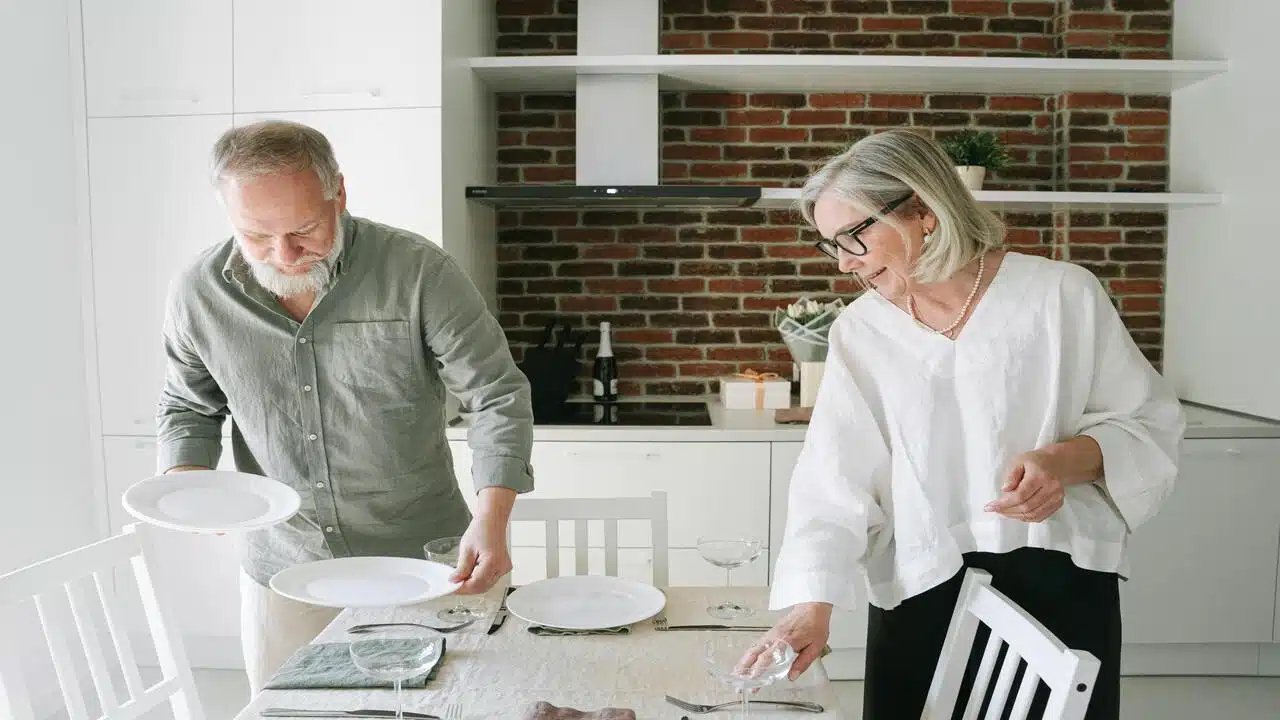
Early in a relationship, love feels effortless because emotions do most of the work. After twenty years, you realize love survives because of decisions you make every day. Choosing patience when you’re irritated, choosing kindness when you’re tired, and choosing loyalty when life gets complicated all matter more than fleeting romantic highs.
Long-term couples understand that commitment is a behavior, not just a feeling. If you want your relationship to last, treat love like a practice—show up for it consistently, especially on the days when the butterflies are gone.
The Small Things Matter More Than Big Gestures

Grand surprises and anniversary trips are nice, but they don’t carry a relationship for twenty years. What actually builds lasting connection are the small habits repeated thousands of times: checking in during a stressful day, making coffee for your partner, or remembering the details that matter to them. Long-term partners learn that emotional security is built in tiny moments. If you want to strengthen your relationship, focus less on occasional dramatic efforts and more on consistent everyday care.
You Will Both Change—A Lot

The person you married twenty years ago is not the exact same person sitting across from you now. Careers evolve, personalities shift, priorities change, and life experiences reshape both of you. Couples who last learn to allow room for growth instead of clinging to outdated versions of each other. One practical approach is regularly revisiting goals, values, and dreams together. Treat your partner like someone you are continuously getting to know rather than someone you already fully understand.
Not Every Argument Needs to Be Won

Early in relationships, many couples treat disagreements like debates that must produce a winner. After decades together, you realize that winning the argument often means losing peace in the relationship. Long-term couples learn to prioritize resolution over victory. That means asking, “What will actually move us forward?” instead of “How do I prove I’m right?” If something won’t matter next month, it probably doesn’t deserve a long fight today.
Respect Becomes More Important Than Romance

Romance is exciting, but respect is what holds a relationship together over decades. When partners genuinely respect each other’s opinions, boundaries, and individuality, conflicts stay manageable. Without respect, even small issues become corrosive. One simple habit that strengthens respect is speaking about your partner the same way you would if they were standing beside you. Long-term couples protect each other’s dignity in public and in private.
Communication Is a Skill You Keep Learning

After twenty years, couples rarely say they’ve “mastered” communication. Instead, they recognize it as an ongoing process. What worked when you were 30 may not work when you’re 50. Life stress, children, careers, and health challenges all reshape how conversations unfold. Successful couples learn to revisit how they talk to each other. That might mean scheduling regular check-ins, practicing active listening, or learning when to pause difficult conversations until emotions settle.
Attraction Is Something You Maintain

Physical and emotional attraction don’t automatically sustain themselves over decades. Long-term couples understand that attraction requires attention. This doesn’t mean constant perfection, but it does mean caring about how you show up in the relationship. Taking care of your health, making time for intimacy, and continuing to flirt with your partner can keep the spark alive. Think of attraction as something you maintain intentionally rather than something that simply happens.
Humor Becomes a Relationship Superpower

After years together, couples accumulate shared jokes, funny memories, and little rituals that only they understand. Humor becomes a pressure valve during stressful moments and a powerful way to reconnect after disagreements. Long-term partners often diffuse tension with a laugh because they know the relationship matters more than the moment. If you want your relationship to last, cultivate the ability to laugh together—even when life isn’t perfect.
Forgiveness Is Not Optional
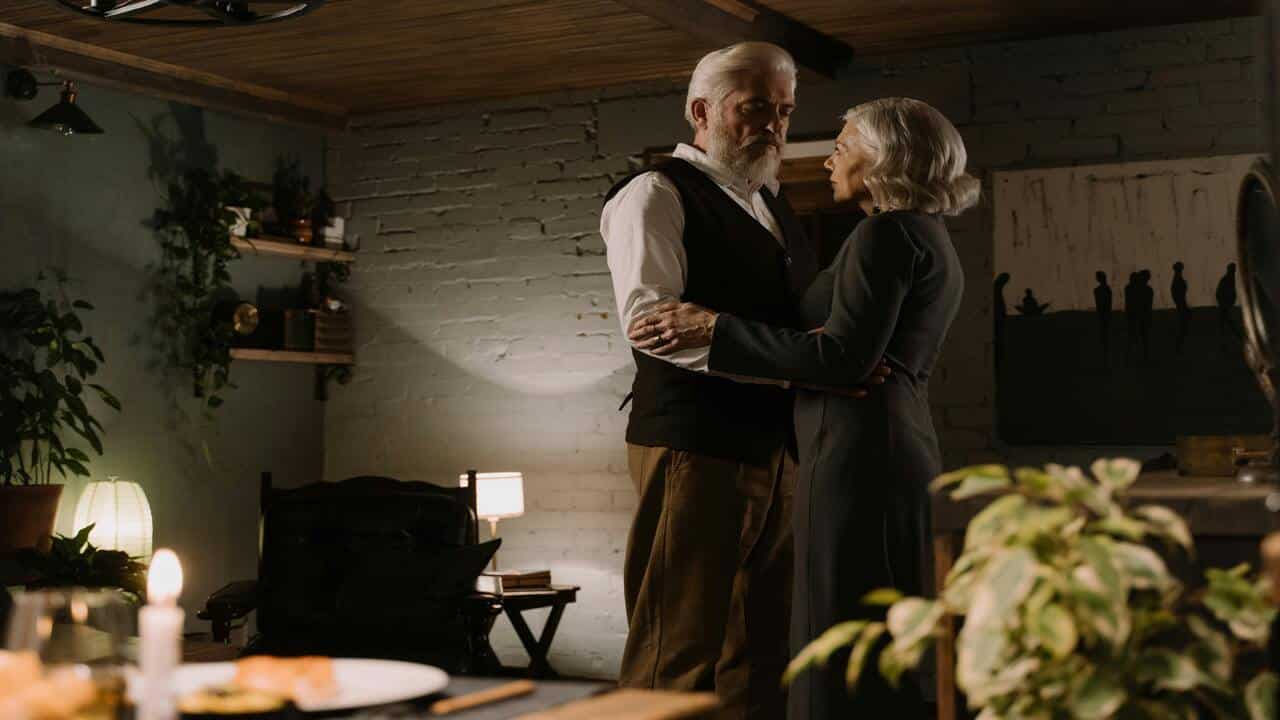
Two decades together guarantees that both partners will make mistakes. Words will be said in frustration, expectations will sometimes be unmet, and misunderstandings will happen. Couples who last learn how to forgive without keeping emotional scorecards. Forgiveness doesn’t mean ignoring serious issues, but it does mean letting go of grudges that slowly poison the relationship. A helpful habit is addressing hurt feelings early rather than storing them for future arguments.
Shared Routines Create Emotional Stability

Daily routines may sound boring, but they quietly hold long relationships together. Whether it’s eating dinner together, walking the dog in the evening, or watching a show before bed, these rituals build consistency and emotional grounding. Over twenty years, routines become anchors that remind couples they are a team moving through life together. Even during busy seasons, protecting a few shared rituals can strengthen connection in powerful ways.
Independence Actually Strengthens the Relationship

Spending every moment together might feel romantic at first, but long-term couples recognize the value of maintaining individual lives. Personal hobbies, friendships, and interests keep each partner energized and interesting. When people feel fulfilled individually, they bring more positivity back into the relationship. One practical rule many couples follow is encouraging each other to pursue passions—even if those interests aren’t shared.
Timing Matters More Than People Think

Many relationship conflicts aren’t about the topic itself—they’re about when and how it’s brought up. After twenty years, couples learn that difficult conversations go better when both people are calm and mentally available. Discussing finances at midnight or addressing sensitive issues during a stressful week rarely leads to productive outcomes. Smart couples choose the right moment to talk about serious topics, which dramatically improves the chances of resolution.
Life’s Hard Seasons Test the Relationship

Over twenty years, couples inevitably face job loss, illness, financial stress, family challenges, or personal setbacks. These seasons reveal the strength of the partnership. The couples who endure aren’t the ones who avoid hardship—they’re the ones who face it together. During tough periods, shifting from “me vs. you” to “us vs. the problem” can make an enormous difference in how challenges are handled.
Appreciation Should Never Disappear

One surprising truth many long-term couples learn is how easy it is to stop saying thank you. When partners become familiar with each other’s roles, appreciation sometimes fades into the background. But gratitude remains one of the simplest ways to strengthen connection. A quick acknowledgment—thanking your partner for handling a stressful situation or supporting the family—can prevent feelings of being taken for granted.
Intimacy Evolves Over Time

After twenty years, intimacy often looks different than it did early on. It becomes less about constant excitement and more about comfort, emotional closeness, and deep trust. Long-term couples learn that intimacy includes conversation, affection, shared experiences, and physical closeness. Protecting time for connection—whether through date nights or quiet evenings together—helps maintain that emotional bond even as life gets busier.
Loyalty Builds Deep Emotional Safety

Few things matter more in a decades-long relationship than knowing your partner truly has your back. Loyalty shows up in subtle ways: defending your partner when others criticize them, protecting the relationship’s privacy, and standing together during difficult decisions. Emotional safety grows when both people feel confident that their partner won’t betray their trust. Over time, this security becomes one of the most valuable aspects of the relationship.
The Relationship Becomes a Shared Life Story

Perhaps the biggest truth couples learn after twenty years is that the relationship becomes something larger than either individual. It holds memories, milestones, struggles, and triumphs that belong to both people. Long-term partners often realize they’ve built a life narrative together that no one else shares. Protecting that story—through continued effort, respect, and care—becomes one of the most meaningful commitments they can make.








Ask Me Anything