
You finally get the promotion, your business picks up, or your marriage feels stronger than ever. Things are moving in the right direction, and you feel it. Then someone close to you starts acting differently. Maybe they joke less, support you less, or seem oddly distant. Jealousy is normal, but when it turns into quiet undermining, you need to notice it early and respond wisely. The goal here is awareness, not paranoia. Let’s break down the subtle behaviors so you can spot the pattern and handle it like a grounded adult.
They Downplay Your Wins

When you share good news, they act like it is no big deal. They might say you were just lucky or that anyone could have done it. This is one of the common signs of jealousy because your progress makes them uncomfortable. If your win is met with shrinking enthusiasm, pay attention. Healthy people celebrate with you. Jealous behavior often shows up as minimization.
They Change The Subject When You Succeed

You talk about a success, and within seconds, the conversation shifts back to them. It can feel subtle, but the pattern stands out over time. This is one of the hidden jealousy signs because they avoid sitting with your achievements. Your progress becomes background noise. Notice how often this happens. Consistent redirection is not random.
They Give Backhanded Compliments

A compliment wrapped in a jab is still a jab. Comments like that can signal quiet jealousy behaviors, especially in competitive environments. It sounds supportive on the surface, but it leaves you second-guessing. If praise always comes with a subtle criticism, that is not genuine encouragement. Healthy respect does not require a hidden dig.
They Seem Uncomfortable Around Your Success

Watch body language signs of jealousy. They may avoid eye contact, tighten their posture, or go quiet when you share progress. Tone can shift quickly. The energy drops. You feel it even if nothing is said directly. Subtle signs of jealousy in adults often show up physically before they show up verbally.
They Compare Themselves To You Constantly

Everything becomes a scoreboard. Your income, your fitness, your relationships. This is common in workplace jealousy and friendship jealousy. When someone turns every conversation into a competition, it signals insecurity. Healthy relationships do not require comparison. Constant measuring is a quiet form of envy.
They Copy You Then Deny It

Imitation can be flattering. But when someone copies your ideas, style, or strategy and then insists it was their idea, that points to envy. This is one of the signs someone is secretly jealous of you. They want the results without acknowledging the source. Confidence does not need denial. Insecure jealousy does.
They Highlight Your Mistakes

Notice who talks about your failures more than your strengths. Jealous coworkers often do this to shift perception. They repeat your missteps but stay silent about your wins. This behavior can damage reputation over time. Balanced people recognize the full picture. Selective storytelling is a red flag.
They Offer Unsolicited Negative Feedback

Constructive input is useful when asked for. But the constant criticism that you never requested is different. This is how jealousy shows up in relationships and at work. The advice may sound helpful, yet the timing and tone feel off. If someone only critiques and rarely supports, that pattern matters.
They Pull Back When You Advance

As you grow in income, confidence, or status, their engagement drops. This is a common in signs of envy in friendships. Calls become rare. Invitations stop. Support fades. Growth should strengthen bonds, not shrink them. When distance increases with your success, take note.
They Try To One-Up Your Stories

You share a win, and they immediately have a bigger one. This is classic jealous behavior. It turns conversations into silent contests. Over time, it becomes predictable. You may even hesitate to share anything good. That reaction is often the result of repeated one-up responses.
They React Poorly To Praise You Receive

When others compliment you, they seem irritated or dismissive. This can show up as forced jokes or silence. In workplace jealousy, this reaction is common. Your recognition highlights their insecurity. Genuine colleagues feel proud of team wins. Jealousy at work often struggles with shared attention.
They Gossip About You

Talking behind your back is a control move. It reduces your credibility without direct confrontation. Signs of jealousy often include subtle reputation management. If information spreads in ways that benefit them and harm you, be alert. Gossip is rarely random. It usually serves someone’s insecurity.
They Turn Small Things Into Competition

Even casual activities feel like contests. Who arrived first? Who paid? Who performed better? This constant scorekeeping is one of the subtle signs of jealousy in adults. Not every interaction needs a winner. When everything becomes a rivalry, the motive is usually personal.
They Criticize Your Choices Frequently

Your decisions suddenly attract regular commentary. Career moves, investments, lifestyle choices. This is common jealous behavior in relationships and friendships. Feedback is healthy, but repeated criticism without balance is not. If they question everything you do, ask yourself why.
They Pretend Nothing Has Changed

You have clearly grown, yet they act like you are the same person. This is one of the quiet jealousy behaviors that shows avoidance. Ignoring growth helps them feel comfortable. But it also dismisses your progress. When someone refuses to acknowledge change, that silence can speak loudly.
They Seem Happy When You Face Setbacks
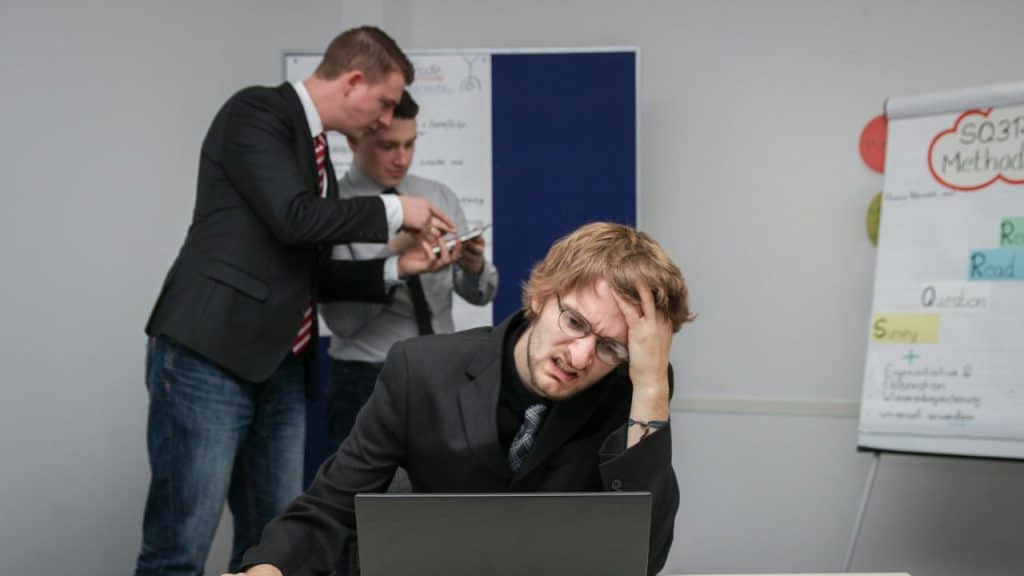
Pay close attention to reactions during your challenges. A subtle smile, increased energy, or unusual curiosity can signal envy. This is one of the strongest signs someone is jealous. Real supporters feel concern, not satisfaction. If setbacks bring them visible relief, that tells you everything.








Ask Me Anything