
Every couple has moments where they feel misunderstood despite genuinely caring about each other. Often, the problem isn’t a lack of love—it’s a mismatch in how love is expressed and received. One partner may show affection through practical help, while the other longs for verbal affirmation. When those signals cross, both people can end up feeling underappreciated. Learning each other’s love languages helps close that gap and turns everyday interactions into meaningful moments of connection.
The good news is that this isn’t something you need to “get right” overnight. With curiosity, observation, and a little intentional effort, couples can gradually learn how their partner experiences love most deeply. These simple strategies can help you discover—and speak—each other’s emotional language more clearly.
Start by Talking About What Makes You Feel Loved

Many couples assume their partner should instinctively know what makes them feel appreciated, but that expectation often leads to disappointment. A straightforward conversation about what makes each of you feel valued can be incredibly revealing. Ask questions like, “When do you feel most cared for by me?” or “What small things make you feel appreciated?” You might discover that something you thought was minor actually means a lot to them. The key here is listening without defensiveness or trying to immediately explain yourself. Treat the conversation like a discovery exercise rather than a debate. When both people feel heard, it becomes easier to start intentionally showing love in ways that truly land.
Pay Attention to What Your Partner Naturally Does for You

People often express love in the way they most naturally receive it. If your partner frequently gives compliments, chances are words of affirmation matter deeply to them. If they’re always doing small tasks to make your life easier, acts of service might be their emotional language. Observing these patterns can offer powerful clues without needing a formal conversation. Instead of brushing these gestures off as “just their personality,” start viewing them as expressions of affection. Once you recognize the pattern, try mirroring that energy back to them occasionally. Doing so sends the message that you see their effort and value it.
Notice What They Complain About the Most
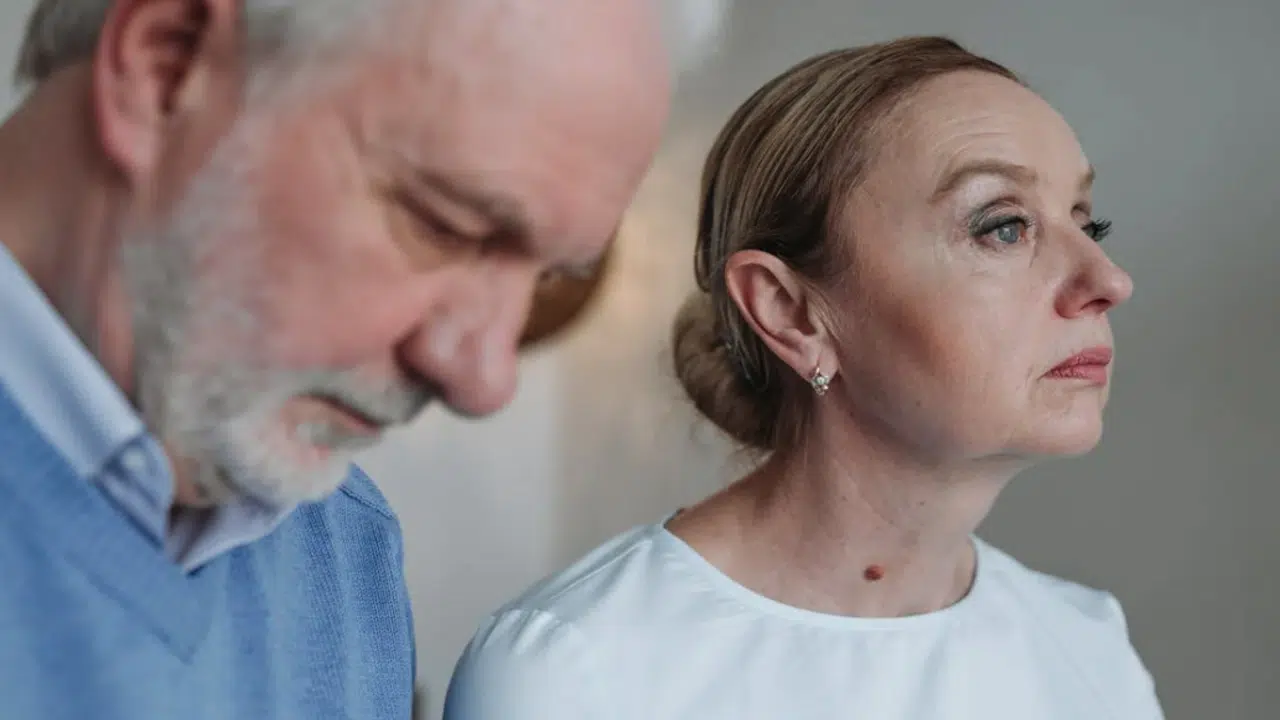
Complaints in relationships often reveal unmet emotional needs. If your partner frequently says things like “You’re always on your phone” or “We never spend time together,” there’s usually a deeper message underneath. These frustrations often point directly to their love language. For example, someone who wants more quality time might interpret distractions as emotional distance. Instead of reacting defensively to the complaint, treat it as information. Ask yourself what need might be hiding beneath the frustration. Addressing that need can quickly reduce tension and make your partner feel understood.
Ask About Their Favorite Relationship Moments

Another way to uncover someone’s love language is by asking about the moments in the relationship that made them feel happiest or most connected. Maybe they loved a weekend trip where you spent uninterrupted time together. Maybe they still remember a thoughtful note you left them years ago. These emotional highlights are clues about what resonates most deeply with them. When people recall meaningful memories, they tend to reveal the specific behaviors that made them feel loved. Once you identify these patterns, you can intentionally recreate similar experiences moving forward.
Experiment With Small Gestures

Learning love languages doesn’t have to involve grand romantic gestures. Often, the most useful discoveries come from small experiments. Try leaving an encouraging message, planning a short activity together, offering help with a task, or giving a spontaneous hug. Then pay attention to how your partner reacts. Do they light up? Do they seem especially touched? These reactions can quickly reveal which gestures carry the most emotional weight. Think of it like tuning a radio signal—over time, you’ll find the frequency that connects best.
Observe How They React to Different Types of Affection

Sometimes the easiest way to learn someone’s love language is simply watching their emotional responses. Some people visibly soften when they hear encouraging words. Others seem happiest when sharing experiences together or receiving thoughtful surprises. These reactions are subtle but powerful signals. If your partner seems energized after certain gestures but indifferent to others, that contrast tells you something important. The more attentive you become to these emotional cues, the more accurately you’ll understand what truly matters to them.
Talk About Childhood Experiences With Affection

People often carry emotional blueprints from childhood into their adult relationships. Discussing how love was expressed growing up can reveal a lot about current preferences. Maybe your partner grew up in a household where affection was shown through practical help rather than words. Or perhaps they rarely heard praise and now crave verbal encouragement. These insights can explain why certain gestures feel especially meaningful—or especially uncomfortable. Understanding this background helps couples respond with empathy rather than confusion.
Try a Weekly “Connection Check-In”
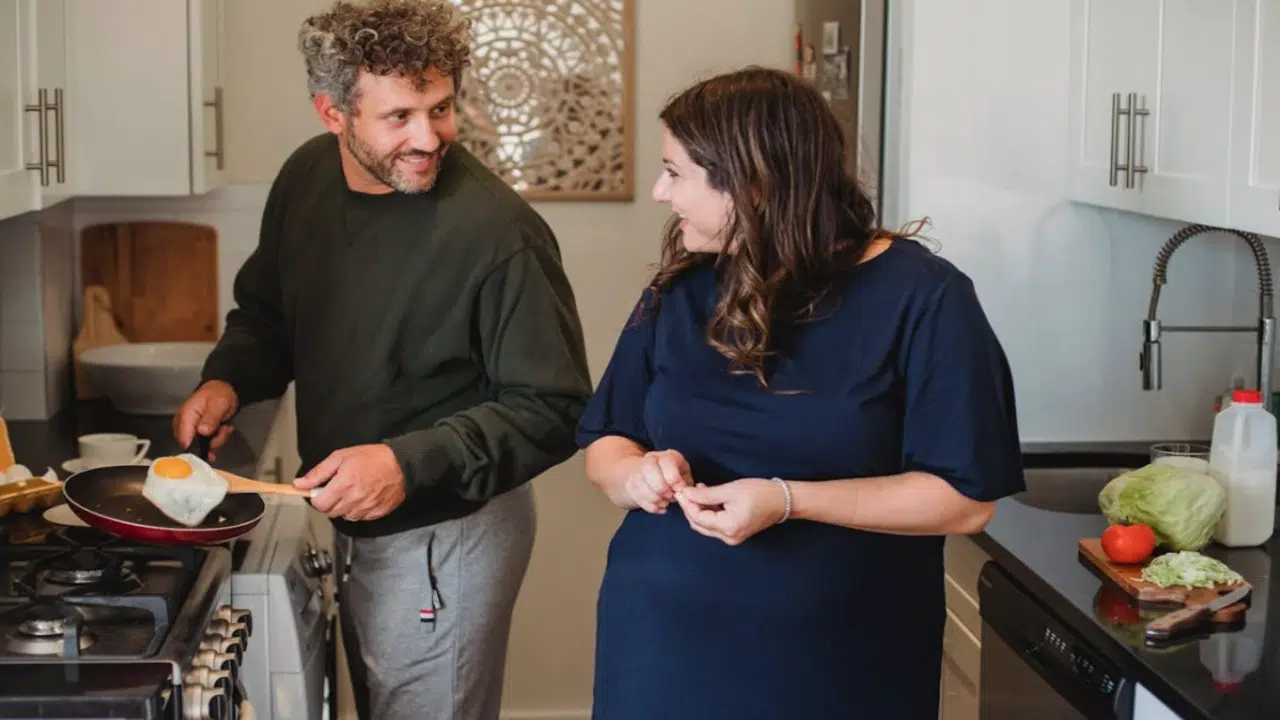
Busy schedules can make it easy for couples to drift into autopilot. A short weekly check-in creates space to talk about what felt good and what could improve. During this conversation, ask simple questions like, “What made you feel loved this week?” and “Is there something you needed more of?” These reflections help both partners gradually refine how they show affection. Over time, patterns begin to emerge that clarify each person’s love language. Think of it as ongoing emotional maintenance for the relationship.
Notice What Makes Them Feel Appreciated

When someone feels genuinely appreciated, it usually shows in their mood and energy. They may become more affectionate, more relaxed, or more expressive. Pay attention to the situations where this shift happens. Did it follow a compliment, a thoughtful gesture, or time spent together? These positive emotional responses are valuable clues. The more you notice what fuels your partner’s sense of appreciation, the easier it becomes to intentionally recreate those moments.
Ask Directly What They Need During Stressful Times

People often revert to their core love language when they’re stressed or overwhelmed. Some want reassurance and encouraging words. Others feel comforted by physical closeness or practical support. Instead of guessing, ask your partner what helps them most during difficult moments. Their answer will often reveal their emotional priorities. Providing the kind of support they actually need—not the kind you assume they need—can deepen trust and emotional safety in the relationship.
Watch How They Treat the People They Care About

Your partner’s behavior toward friends, family, or even pets can reveal a lot about how they express affection. Someone who constantly checks in on loved ones may value quality time and attention. Someone who enjoys giving thoughtful gifts may feel most comfortable expressing love through tangible gestures. These behaviors are rarely random—they’re usually extensions of how that person experiences care themselves. Observing these patterns provides insight without requiring a formal discussion.
Be Curious Instead of Critical

When partners express love differently, it’s easy to assume the other person is doing something wrong. But many misunderstandings simply come from different emotional languages. Instead of criticizing how your partner shows affection, approach it with curiosity. Ask yourself what intention might be behind their actions. That shift in mindset often reveals that they’ve been expressing love all along—just in a different dialect. Curiosity keeps conversations open and prevents small differences from turning into larger conflicts.
Reflect on What Makes You Feel Loved Too

Understanding your partner’s love language is important, but your own needs matter as well. Take time to reflect on the gestures that make you feel most valued. When you can clearly communicate those needs, it becomes easier for your partner to meet them. Relationships thrive when both people feel emotionally nourished. Sharing your preferences also models openness, making it more comfortable for your partner to share theirs.
Try New Ways of Showing Appreciation

Even if you think you know your partner’s love language, it can still be helpful to experiment with new expressions of affection. Relationships evolve over time, and emotional needs can shift as well. Trying something different—like planning an experience together or writing a thoughtful message—can reveal new layers of connection. These small efforts keep the relationship dynamic and prevent affection from becoming routine.
Notice What They Ask for Repeatedly

Repeated requests often point directly to someone’s emotional priorities. If your partner frequently asks for more time together, more reassurance, or more physical affection, that pattern shouldn’t be ignored. Rather than viewing these requests as nagging, treat them as helpful signals. They’re essentially telling you how to make them feel more secure and valued. Responding to those requests consistently can significantly improve relationship satisfaction.
Celebrate When You Get It Right

When you do something that clearly resonates with your partner, acknowledge it. A quick comment like “I’m glad that meant a lot to you” reinforces the behavior for both of you. It also creates a positive feedback loop that encourages more intentional affection. Celebrating these small wins helps couples feel like they’re learning and growing together rather than struggling to figure things out.
Be Patient With the Learning Process

Discovering each other’s love languages isn’t a one-time conversation—it’s an ongoing process. People grow, circumstances change, and emotional needs evolve over time. What matters most is the willingness to keep learning. When couples approach this process with patience rather than pressure, they create space for genuine understanding. Mistakes will happen, but each attempt builds emotional awareness.
Turn Love Languages Into Daily Habits

The real power of love languages comes when they become part of everyday life. Once you understand what resonates with your partner, look for small ways to incorporate it into your routine. A daily compliment, a shared walk, a quick hug, or a helpful gesture can have a lasting emotional impact. Consistency matters more than grand gestures. Over time, these small habits create a relationship where both partners regularly feel seen, valued, and loved.








Ask Me Anything