
Feeling valued is one of the most important emotional needs in any relationship. While love and commitment are often expressed through big moments, appreciation usually shows up in smaller daily interactions. When those small signals of recognition disappear, people may begin to feel overlooked or taken for granted. Many men rarely express this feeling directly, but it can still affect how connected they feel to their partner. Often the issue is not major conflict but repeated everyday habits that slowly weaken emotional appreciation. Small behaviors may seem harmless on their own, yet over time they can send a message that effort goes unnoticed. The following slides explore common daily actions that can unintentionally make men feel unappreciated and why awareness can strengthen connection.
Ignoring Effort That Took Time
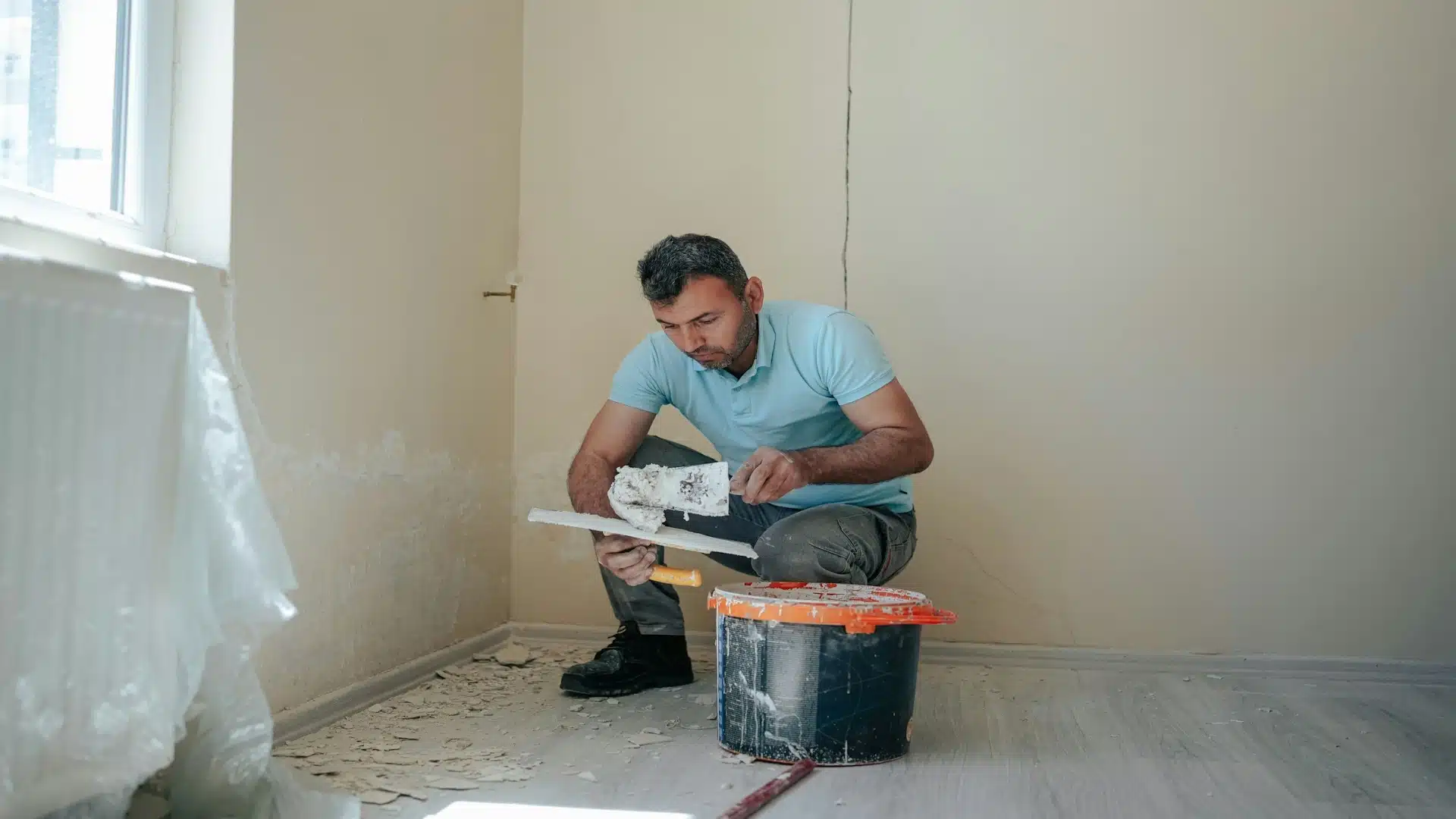
Effort often carries emotional meaning in relationships. When someone spends time fixing something, planning something, or helping with a task, they usually hope that effort will be recognized. When the action goes unnoticed, it may feel discouraging. Many men express care through actions rather than words. Acknowledging effort shows that those actions matter. Even a brief moment of recognition can reinforce appreciation. Ignoring effort repeatedly may create the impression that contributions are expected rather than valued.
Criticism That Overshadows Contributions

Constructive feedback can be healthy in relationships. However, constant criticism may overshadow positive actions that are already happening. When someone hears more complaints than appreciation, motivation can decline. Even well-intended criticism may feel discouraging if it becomes frequent. Balance between feedback and appreciation is important. Recognizing what someone does well strengthens encouragement. Positive acknowledgment helps maintain respect and attraction.
Assuming Responsibilities Are “Just Expected”

Daily responsibilities are often necessary for maintaining a household or relationship. However, when contributions are treated as automatic expectations, appreciation may fade. Tasks such as fixing things, working long hours, or managing responsibilities may go unnoticed. When effort becomes invisible, individuals may feel their contributions are taken for granted. Recognition does not require grand praise. Simple acknowledgment can make responsibilities feel meaningful rather than obligatory.
Interrupting or Dismissing His Perspective

Listening is a powerful way to show appreciation for someone’s perspective. When someone is frequently interrupted or dismissed during conversation, it may feel as though their opinions carry little value. Being heard reinforces the sense of respect in a relationship. Even disagreements can remain respectful when both partners feel listened to. Ignoring someone’s input may lead to frustration or withdrawal. Active listening helps strengthen connection and understanding.
Minimizing Stress or Pressure

Everyone experiences pressure from responsibilities, work, or personal challenges. When those pressures are minimized or dismissed, individuals may feel misunderstood. Support during stressful periods helps strengthen emotional connection. Recognizing someone’s effort or struggles demonstrates empathy. Minimizing concerns may unintentionally signal that those experiences do not matter. Emotional validation helps people feel valued. Acknowledging stress strengthens trust.
Rarely Saying “Thank You”

Gratitude plays a powerful role in relationships. When appreciation is rarely expressed, people may begin to feel unnoticed. Saying “thank you” for everyday actions reinforces positive effort. Over time, small expressions of gratitude create emotional warmth. Without acknowledgment, contributions may feel routine and unimportant. Gratitude helps people feel respected and valued. Consistent appreciation strengthens connection.
Comparing Him to Other Men

Comparison can quickly reduce someone’s sense of value in a relationship. When someone is compared to friends, coworkers, or strangers, it may create insecurity or frustration. Comparisons often shift focus away from individual strengths. Every person has unique qualities that deserve recognition. Emphasizing comparisons may make someone feel inadequate. Encouragement is usually more constructive than comparison.
Overlooking Small Acts of Care

Acts of care often appear in small everyday gestures. These actions may include fixing something, bringing coffee, or helping with daily tasks. When these gestures go unnoticed, they may lose their emotional meaning. Recognizing small acts reinforces appreciation. Over time, these small moments contribute to relationship stability. Appreciation encourages continued effort. Small gestures deserve acknowledgment.
Expecting Emotional Strength All the Time
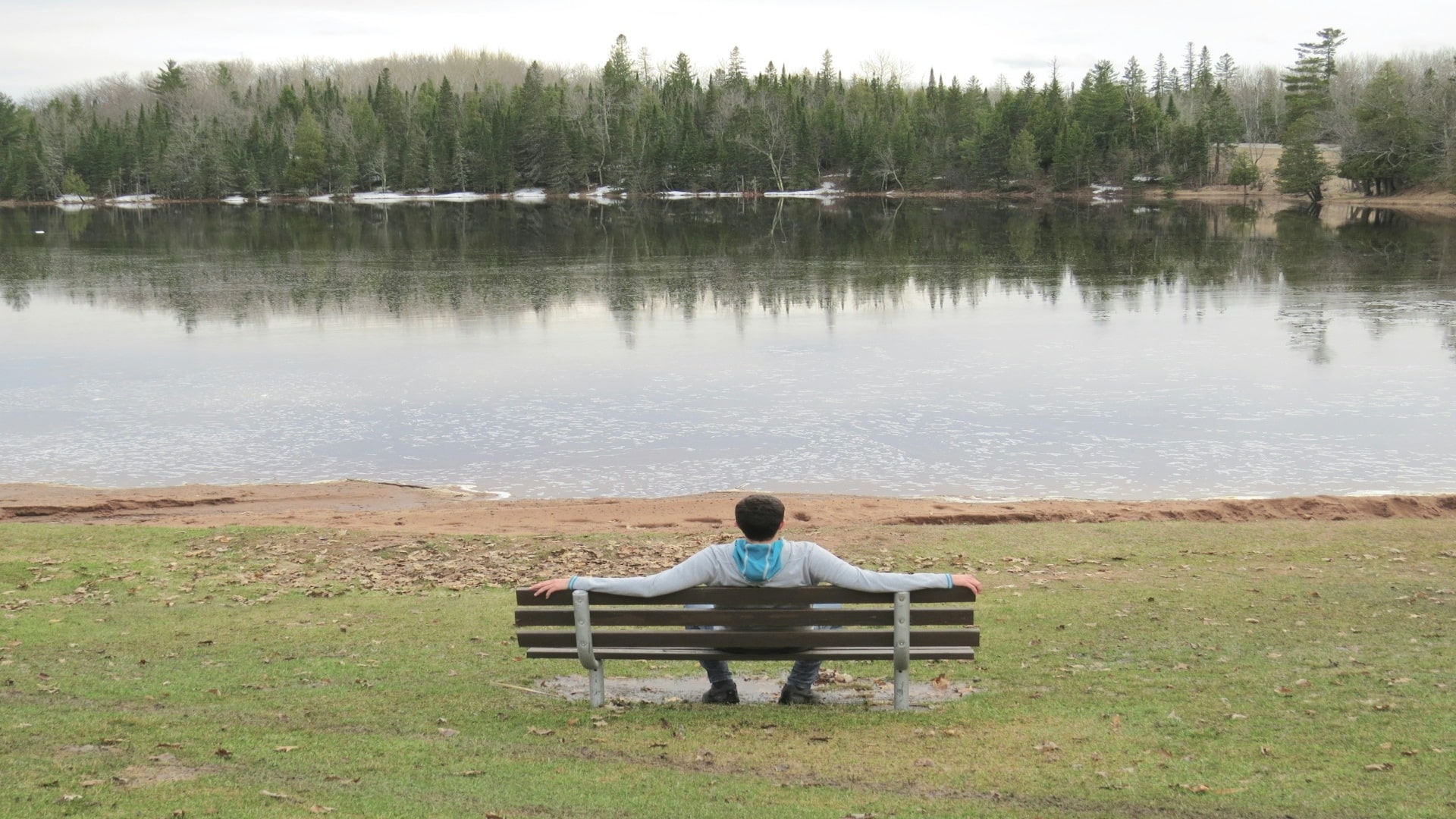
Many men feel pressure to remain emotionally strong during difficult situations. While strength can be admirable, constant expectation of emotional control may create pressure. Everyone experiences moments of vulnerability. When vulnerability is dismissed or discouraged, emotional distance may develop. Allowing space for openness strengthens trust. Emotional support should exist for both partners.
Joking That Feels Like Criticism

Humor often helps relationships stay light and enjoyable. However, jokes that repeatedly target insecurities may feel more like criticism than playfulness. Humor should strengthen connection rather than create discomfort. Repeated teasing may eventually affect self-confidence. Being mindful of tone and context helps maintain positive communication. Respectful humor keeps interactions enjoyable.
Ignoring Achievements

Personal achievements often represent dedication and effort. When milestones or accomplishments receive little recognition, motivation may decline. Celebrating achievements reinforces encouragement and support. Acknowledging progress helps partners feel proud of their efforts. Ignoring accomplishments may unintentionally signal indifference. Recognition strengthens motivation and emotional connection.
Assuming He Should Always Initiate

Initiative often plays a role in maintaining excitement within relationships. When one partner always carries the responsibility for planning or initiating activities, imbalance may appear. Shared initiative demonstrates mutual interest and effort. Taking turns planning experiences keeps the relationship dynamic. Expecting only one partner to initiate may create frustration. Balanced effort strengthens appreciation.
Dismissing His Interests
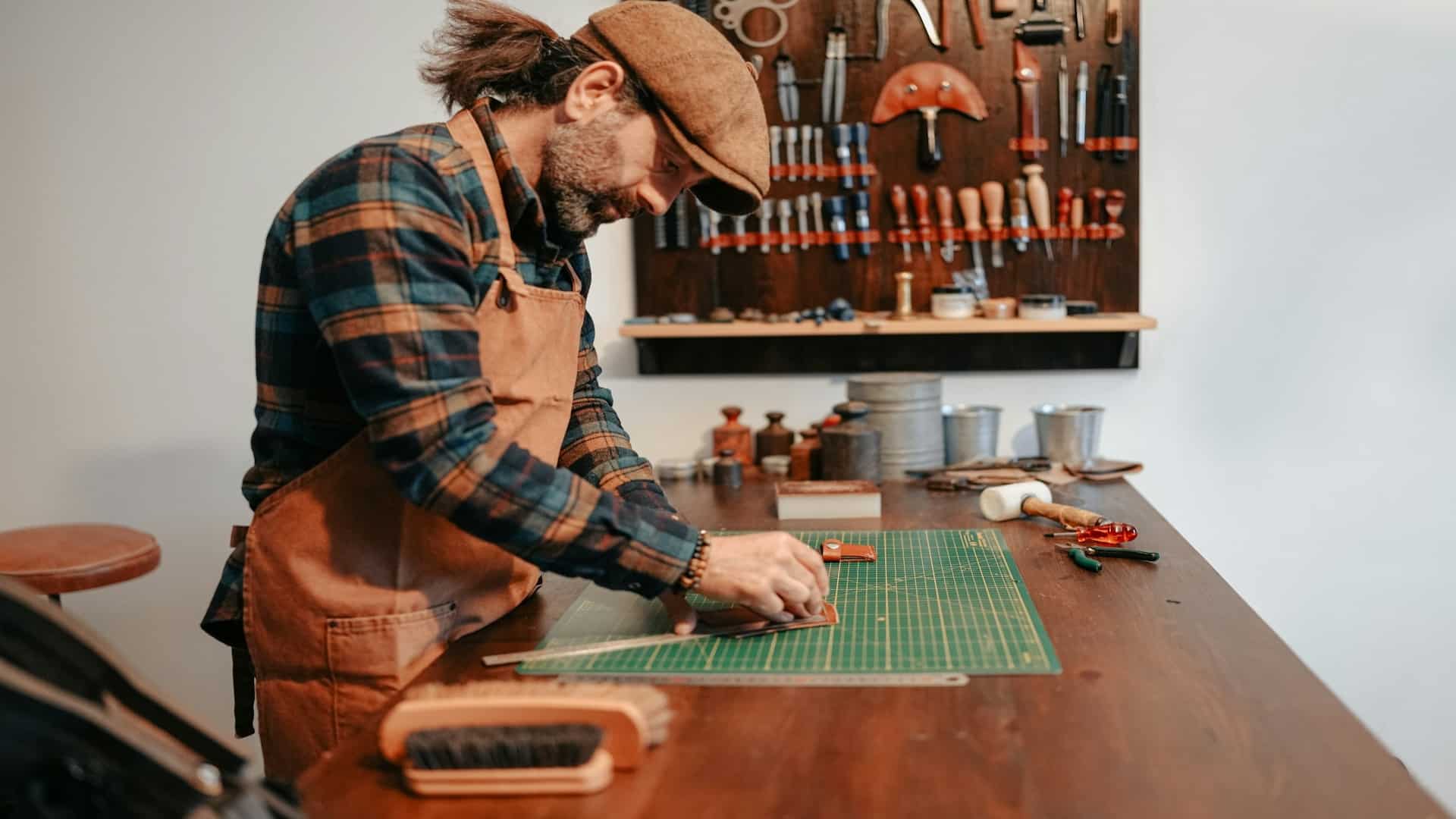
Personal interests often contribute to identity and personal satisfaction. When those interests are dismissed or mocked, individuals may feel misunderstood. Showing curiosity about a partner’s passions demonstrates respect. Even simple interest can strengthen emotional connection. Dismissing hobbies may create distance. Encouraging interests reinforces appreciation.
Speaking Negatively About Him to Others

Public criticism may affect trust and respect within relationships. Speaking negatively about a partner to friends or family can create embarrassment. Respectful communication about challenges helps maintain dignity. Everyone deserves to feel supported rather than criticized publicly. Protecting a partner’s reputation strengthens loyalty. Respect outside the relationship matters as much as respect within it.
Overlooking the Effort Behind Stability

Stability within a relationship often results from consistent effort. Managing finances, responsibilities, or planning may require ongoing dedication. When these efforts go unnoticed, they may feel invisible. Stability often depends on quiet work behind the scenes. Recognizing these contributions helps partners feel valued. Appreciation reinforces continued effort.
Assuming Appreciation Is Already Understood

Sometimes appreciation exists internally but is never expressed outwardly. Assuming someone already knows they are valued may lead to missed opportunities for connection. Verbal acknowledgment reinforces emotional security. Even simple words of appreciation can strengthen relationships. Silence may unintentionally communicate indifference. Expressing appreciation regularly strengthens trust.
Forgetting to Notice Consistency

Consistency often represents reliability and commitment. Showing up every day, maintaining responsibilities, and supporting a partner may become routine. However, routine contributions deserve recognition as much as major gestures. Consistency often builds the foundation of strong relationships. When reliability is unnoticed, motivation may fade. Acknowledging consistency reinforces appreciation.
When Appreciation Only Appears During Problems

In some relationships, appreciation only appears during conflict or when something goes wrong. A partner may suddenly recognize effort only when discussing problems or frustrations. While these conversations can be important, appreciation that appears only during conflict may feel insincere or reactive. Consistent recognition during normal moments is often more meaningful. Positive acknowledgment should not depend on disagreements or mistakes. Regular appreciation reinforces respect and emotional balance. Feeling valued during everyday moments helps maintain stronger connections.
Appreciation Strengthens Emotional Connection

Feeling valued strengthens emotional closeness in relationships. Appreciation does not require grand gestures or dramatic displays. Often the most meaningful recognition appears in small everyday moments. Simple words, attention, and acknowledgment can reinforce connection. Awareness of daily behavior helps prevent partners from feeling overlooked. Recognizing effort encourages continued care and support. Appreciation helps relationships remain strong and emotionally balanced.








Ask Me Anything