
Most people who fall into a victim mindset didn’t choose it deliberately. It often develops after repeated disappointments, betrayals, or periods of feeling powerless. When life hurts you enough times, your mind naturally tries to protect itself by scanning for danger and unfairness. In that sense, many of these patterns begin as coping mechanisms, not character flaws.
If you recognize yourself in some of the signs below, it doesn’t mean something is “wrong” with you. Your feelings and past experiences are valid, and the pain that shaped them deserves compassion. At the same time, healing becomes possible when you gently question the stories that keep you feeling stuck. With the right inner work, support, and awareness, people can absolutely move beyond these patterns and build a more empowered way of living.
1. Everything Feels Like It’s Happening To You

When you’ve been through difficult experiences, it’s understandable that life can start to feel like something that simply happens to you rather than something you actively shape. If many things in the past felt outside your control, your mind may have learned to expect more of the same. This reaction is a natural attempt to protect yourself from further disappointment. But over time, this mindset can quietly rob you of your sense of agency. Healing begins when you gently ask yourself where even small areas of influence might exist. Reclaiming tiny pieces of control—your reactions, your choices, your boundaries—can slowly rebuild confidence and help you remember that your story isn’t finished.
2. You Constantly Blame Other People for Your Problems

Blame can feel like a form of emotional self-defense. If others hurt you or treated you unfairly, acknowledging that reality can be part of healing. The challenge arises when blame becomes the only lens through which every problem is viewed. When that happens, it becomes harder to see where your own choices could create change. Compassionate self-reflection doesn’t mean excusing what others did wrong—it simply means reclaiming your ability to grow beyond it. Learning to balance accountability for others with responsibility for yourself can be one of the most empowering steps toward emotional freedom.
3. You Repeatedly Rehash Old Injustices

Painful memories have a way of resurfacing again and again, especially if they were never fully processed. Talking about them can be a way of seeking understanding or validation. But when the same stories replay endlessly, it can keep your mind anchored to moments that no longer define your future. Your hurt is valid, and acknowledging it matters. Yet healing often begins when you gradually shift focus from what happened to what you want to build next. Letting go doesn’t mean the past didn’t matter—it simply means it no longer gets to control your present.
4. You Expect the Worst from People

If people have betrayed your trust before, it’s completely understandable to become cautious. Your brain may have learned that expecting the worst feels safer than being caught off guard again. Unfortunately, constantly assuming negative intentions can make relationships feel tense and fragile. It can also prevent you from seeing the kindness and reliability that many people genuinely offer. Healing involves slowly relearning that not everyone is the same. Building trust again doesn’t require blind optimism—just a willingness to give people the chance to show who they are.
5. You Feel Powerless to Change Your Situation

Feeling stuck can be incredibly frustrating, especially if you’ve tried to improve things in the past and nothing seemed to work. That sense of helplessness often grows from real experiences where your efforts didn’t produce the results you hoped for. Your discouragement is understandable. But sometimes the mind generalizes those moments and concludes that nothing will ever change. Growth often begins with small experiments rather than big leaps—taking one new action, trying one different approach, or asking for help where you once stayed silent. Tiny steps can slowly restore a sense of possibility.
6. You Seek Sympathy More Than Solutions

Wanting empathy during difficult times is deeply human. Everyone needs to feel heard and understood. But when emotional pain lingers, it can become tempting to focus primarily on receiving comfort rather than exploring change. This isn’t weakness—it’s often exhaustion from carrying unresolved hurt. The shift toward healing happens when support begins to include encouragement as well as compassion. The right people won’t just validate your pain—they’ll gently remind you of your strength and ability to grow beyond it.
7. You Interpret Feedback as Personal Attacks

When you’ve felt criticized or dismissed in the past, even mild feedback can feel threatening. Your mind may automatically interpret it as proof that others are against you. This reaction is often rooted in old emotional wounds rather than the present situation. Learning to pause before reacting can help create space for a different interpretation. Not all feedback is meant to harm you—sometimes it’s simply information that can help you improve. With time and practice, it becomes easier to hear constructive input without feeling like your worth is under attack.
8. You Feel Unfairly Targeted in Everyday Situations

Small frustrations—like being overlooked in a meeting or receiving a short response from someone—can sometimes feel like confirmation that people are treating you unfairly. If you’ve experienced genuine mistreatment before, your brain may be scanning for similar patterns. This heightened sensitivity is understandable. However, many everyday situations are neutral or accidental rather than personal. Learning to pause and consider multiple explanations can reduce unnecessary stress and help you interpret events in a more balanced way.
9. You Struggle to Take Responsibility

Responsibility can feel heavy when you’re already carrying emotional pain. It might seem like acknowledging your role in a situation means minimizing what others did to hurt you. But responsibility isn’t about self-blame—it’s about reclaiming your power. When you recognize where your choices matter, you also recognize where change is possible. This shift can be deeply freeing. Instead of being defined by what happened to you, you begin defining what you will do next.
10. You Compare Your Struggles to Everyone Else’s

It’s natural to look around and wonder why life seems easier for other people. When you’ve been through hardship, comparisons can feel particularly painful. Your struggles are real, and they deserve acknowledgment. However, constantly measuring your life against others can deepen feelings of resentment and unfairness. Every person’s story contains struggles that aren’t always visible from the outside. Focusing on your own progress—no matter how small—can help redirect energy toward growth rather than comparison.
11. You Resist Letting Go of the “Wronged” Identity

For some people, being the one who was wronged becomes a core part of their identity. It explains their pain and gives context to their experiences. Letting go of that identity can feel frightening because it leaves a space where something new must grow. Yet healing often requires redefining who you are beyond the hardships you’ve endured. You are more than the difficult things that happened to you. Creating a new identity built around strength, learning, and resilience can open doors you never expected.
12. You Assume Good Things Won’t Last

When life has been unpredictable or painful, it’s common to brace yourself for the next disappointment. Even happy moments can feel fragile, as if they might disappear at any time. This protective mindset tries to prevent future heartbreak by lowering expectations. While understandable, it can also make it difficult to fully experience joy. Practicing gratitude for positive moments—even small ones—can slowly retrain your mind to recognize that good things are possible and sometimes lasting.
13. You Feel Entitled to Special Treatment

If you’ve been through hardship, it’s natural to want understanding and compassion from others. Your experiences matter, and they deserve respect. However, when pain becomes the basis for expecting constant accommodation, relationships can become strained. Healing involves finding a balance between honoring your struggles and recognizing that everyone around you carries their own burdens too. Mutual empathy creates healthier, more supportive connections.
14. You Rarely Reflect on Your Own Patterns

When life feels unfair, it’s easy to focus primarily on external circumstances. But meaningful change often begins with honest self-reflection. This doesn’t mean criticizing yourself harshly—it means becoming curious about your habits, reactions, and choices. Patterns in relationships, work, or personal decisions can reveal areas where growth is possible. Approaching this reflection with compassion rather than judgment allows you to learn without feeling ashamed.
15. You Feel Resentful When Others Succeed
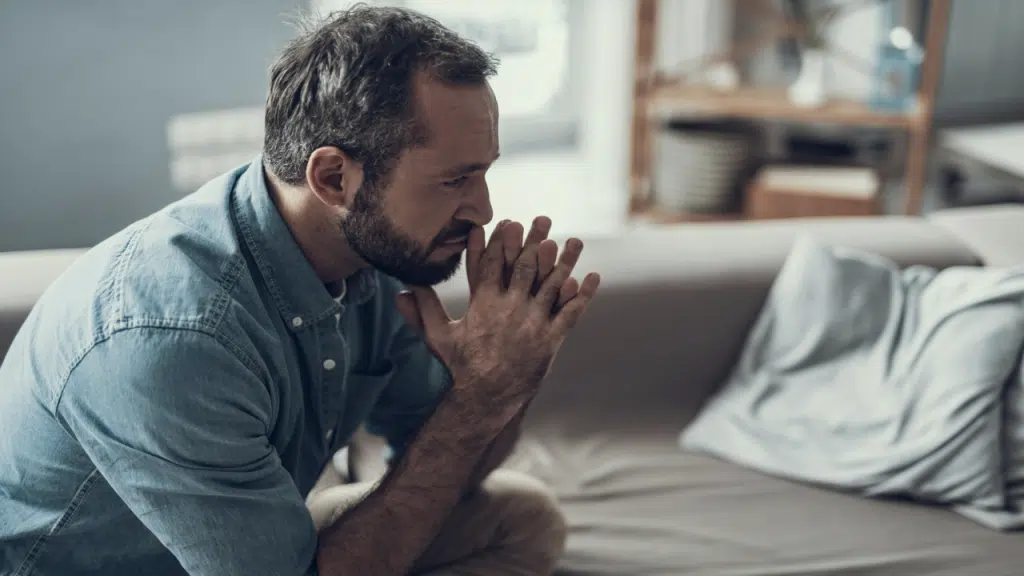
Seeing someone else thrive can sometimes trigger painful feelings, especially if you’ve been struggling for a long time. You might wonder why things worked out for them while you faced setbacks. These emotions are more common than many people admit, and they don’t make you a bad person. Instead of suppressing them, try exploring what they reveal about your own desires and goals. Other people’s success doesn’t diminish your potential—it can sometimes provide clues about paths you might explore yourself.
16. You Avoid Taking Risks

After experiencing disappointment or failure, avoiding risk can feel like the safest option. Protecting yourself from further hurt is a very human instinct. But avoiding all risks can also keep you trapped in the same situations that make you unhappy. Healing often involves gradually rebuilding courage. Starting with small, manageable risks—trying something new, speaking up, pursuing an opportunity—can slowly remind you that growth and possibility still exist.
17. You Believe Your Story Can’t Change

Perhaps the most painful part of a victim mindset is the belief that your life story is already written. When you’ve faced repeated challenges, it can feel as though the future will simply mirror the past. Your feelings about those experiences are valid, and they deserve compassion. But human lives are far more flexible than we often realize. People reinvent themselves at every stage of life. With reflection, support, and intentional effort, the narrative you carry today can evolve into something far more hopeful tomorrow. Healing doesn’t erase your past—it transforms how much power it has over your future.








Ask Me Anything