
When people talk about relationship compatibility, they usually focus on obvious things—shared hobbies, physical attraction, or having similar life goals. While those elements matter, they’re rarely the factors that determine whether a relationship actually lasts. Long-term compatibility tends to reveal itself in the quieter, everyday habits that shape how two people live, communicate, and solve problems together.
Many couples only realize these deeper compatibility gaps after months or even years together. What initially felt like a minor difference can slowly turn into recurring tension if it touches daily routines, values, or emotional needs. The truth is that compatibility isn’t just about liking the same things—it’s about how two lives fit together in practical, sustainable ways.
If you want a relationship that feels steady rather than constantly exhausting, it helps to look beyond surface chemistry. These often-overlooked compatibility factors can quietly determine whether two people truly work well together in the long run.
1. Conflict Style

One of the biggest compatibility factors is how two people handle conflict. Some people want to talk things through immediately, while others need time to cool off before discussing a problem. If one partner pushes for instant resolution while the other shuts down under pressure, arguments can quickly escalate into frustration. Compatibility doesn’t mean never fighting—it means your styles don’t constantly trigger each other. Couples who work well together usually find a rhythm where both people feel heard without feeling overwhelmed. A simple strategy is to discuss conflict rules during calm moments, such as agreeing to pause heated conversations and revisit them later.
2. Energy Levels and Pace of Life

Some people thrive on packed schedules, social events, and constant activity, while others prefer slower, quieter routines. When these differences are extreme, it can create subtle resentment over time. One partner may feel bored while the other feels exhausted trying to keep up. Compatibility often comes down to whether your natural pace aligns most of the time. You don’t have to match perfectly, but you should feel comfortable in each other’s rhythm of life. Successful couples often balance this by designating certain days for activity and others for downtime so neither partner feels constantly drained.
3. Communication Frequency

Not everyone needs the same level of daily communication. Some people enjoy constant texting, check-ins, and updates, while others are comfortable going hours without talking. When these expectations differ, one partner might feel ignored while the other feels micromanaged. Compatibility improves when both people naturally fall into similar communication patterns. If there’s a mismatch, the key is setting expectations early rather than assuming your partner should just “know.” Agreeing on small habits—like a good morning message or a quick evening call—can prevent unnecessary misunderstandings.
4. Financial Attitudes

Financial compatibility isn’t just about income—it’s about mindset. Some people are natural savers who track every expense, while others are more relaxed and spend freely. When these approaches clash, money becomes a recurring source of tension. The issue often isn’t the money itself but the meaning behind it—security for one person, freedom for the other. Couples who last tend to develop shared financial habits that respect both perspectives. Practical steps include creating joint goals, discussing spending thresholds, and deciding which expenses should be shared versus individual.
5. Personal Space Needs
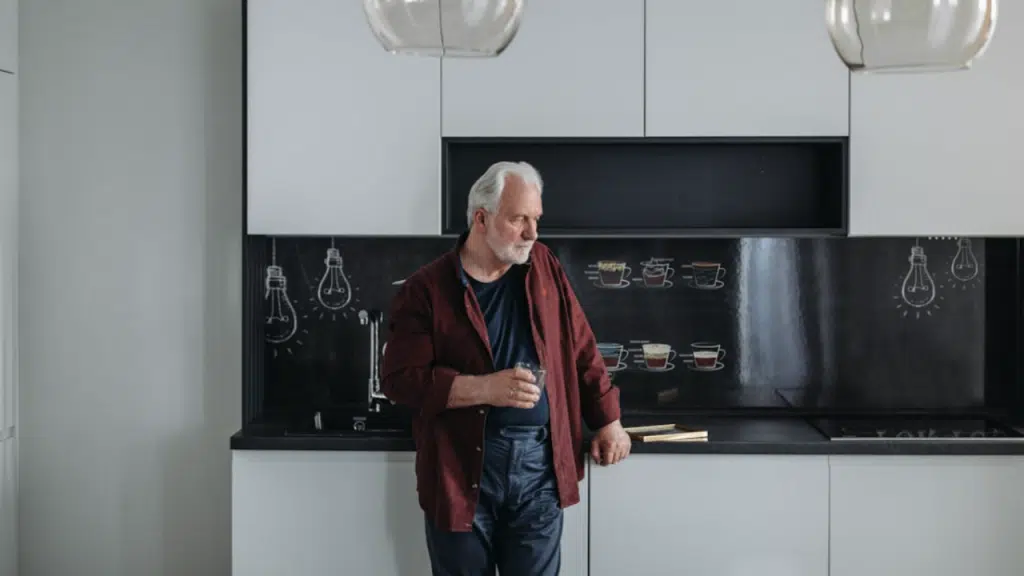
Even deeply connected couples need different amounts of personal space. One partner might enjoy frequent togetherness, while the other recharges best with regular alone time. Without understanding this difference, one person may interpret distance as rejection while the other feels suffocated. True compatibility means respecting how each person restores their energy. Healthy couples normalize independence by maintaining hobbies, friendships, and solo time without guilt. Ironically, giving each other breathing room often strengthens emotional closeness.
6. Emotional Expression

People vary widely in how openly they express emotions. Some are naturally expressive and verbal, while others show care through actions rather than words. When these styles differ, it can lead to misunderstandings about love and appreciation. One partner might feel emotionally starved even though the other believes they’re showing plenty of affection. Compatibility grows when couples learn each other’s emotional language instead of expecting identical behavior. Pay attention to how your partner naturally demonstrates care—it might look different from your own style.
7. Long-Term Lifestyle Vision

Many couples discuss big milestones like marriage or kids, but overlook the lifestyle details that come with them. For example, one partner might imagine a quiet suburban life while the other dreams of living in multiple cities. These differences can stay hidden until decisions become urgent. Compatibility improves when couples talk about everyday life five or ten years down the road. Where do you want to live? How busy should life feel? These conversations help reveal whether your visions align or require compromise.
8. Social Needs

Some people feel energized by frequent gatherings, group trips, and busy weekends, while others prefer a smaller social circle and more quiet nights at home. If these needs differ greatly, one partner might feel pressured to socialize while the other feels neglected. Compatibility doesn’t require identical social lives, but there should be mutual respect for how each person recharges socially. Couples who thrive often balance shared social events with independent outings so neither person feels forced into an uncomfortable lifestyle.
9. Decision-Making Style

Every relationship involves countless small and big decisions—from where to eat to where to live. Some people make quick, instinctive decisions, while others need time to analyze every option. When these approaches clash, one partner may feel rushed while the other feels stuck in endless discussions. Compatibility improves when couples recognize these tendencies and adapt. For example, you might agree that smaller decisions are handled quickly while major ones get more discussion time.
10. Stress Response

People respond to stress in very different ways. One partner may become quiet and withdrawn, while the other seeks conversation and reassurance. Without understanding these patterns, stress can create distance rather than support. Compatibility means your stress responses don’t consistently clash or create additional pressure. A helpful approach is simply asking, “What helps you most when you’re overwhelmed?” Knowing whether your partner needs space, encouragement, or practical help can prevent unnecessary conflict.
11. Household Standards

Few couples discuss their expectations around cleanliness, organization, or household routines early on, yet these daily habits can cause ongoing tension. One person may feel relaxed about clutter while the other feels anxious in a messy space. Compatibility here doesn’t require identical standards, but there should be enough overlap to avoid constant frustration. Couples often benefit from dividing tasks based on preferences instead of forcing identical habits. The goal is a system that feels fair rather than perfectly equal.
12. Humor Style

Humor seems small, but it plays a surprisingly important role in relationship bonding. Couples who laugh easily together tend to handle stress and disagreements more smoothly. However, humor styles vary—some people love sarcasm while others prefer lighthearted jokes. When humor styles clash, jokes can feel dismissive or hurtful instead of playful. Compatibility often shows up in how naturally you share laughter during ordinary moments. If your humor aligns, it becomes a powerful tool for connection.
13. Curiosity and Growth Mindset

Some people naturally seek personal growth through learning, new experiences, or self-improvement. Others prefer stability and familiarity. Neither approach is wrong, but large differences can create friction over time. One partner may feel held back while the other feels pressured to constantly change. Compatibility improves when both people share a similar openness to growth, even if it shows up in different ways. Supporting each other’s development keeps relationships feeling dynamic rather than stagnant.
14. Boundaries with Family

Family dynamics often shape a relationship more than couples expect. Some people maintain extremely close ties with family, while others prefer more independence. Problems arise when one partner’s family expectations regularly override the relationship’s needs. Compatibility involves aligning on boundaries, such as how often family visits happen or how much influence relatives have on decisions. Couples who openly discuss these expectations early tend to avoid many future conflicts.
15. Daily Routine Alignment
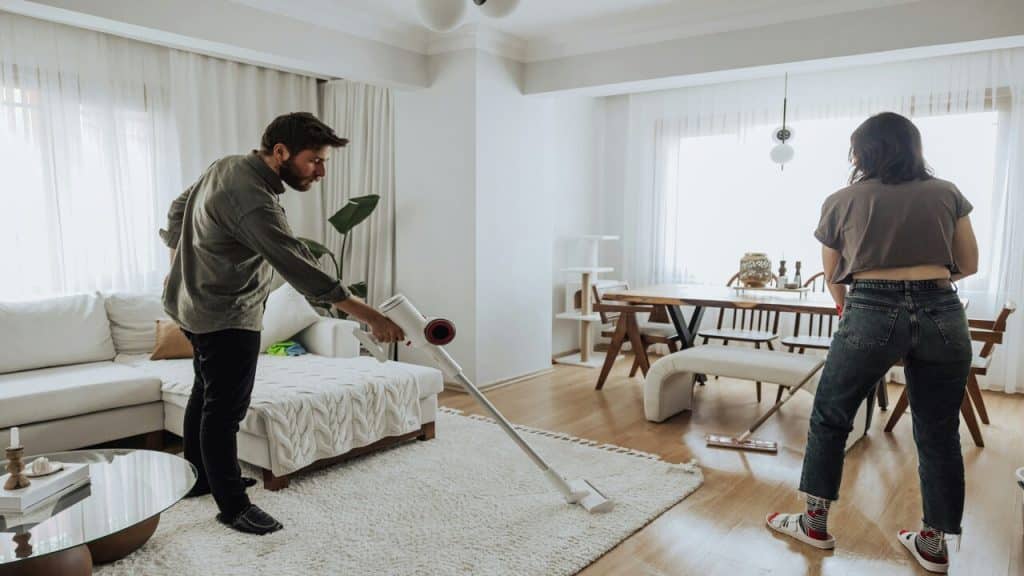
It might sound minor, but daily schedules can significantly affect relationship harmony. Early risers and night owls often struggle to find shared time together. Work routines, exercise habits, and evening rituals also shape how much time couples actually spend connecting. Compatibility often shows up in how naturally your daily rhythms overlap. Even small adjustments—like shared morning coffee or evening walks—can strengthen the sense of partnership.
16. Attitudes Toward Change

Life rarely stays predictable. Careers shift, opportunities appear, and unexpected challenges arise. Some people adapt easily to change, while others feel deeply unsettled by uncertainty. When these attitudes differ, major life decisions can become emotionally draining. Compatibility doesn’t mean both partners love change, but there should be mutual respect for how each person processes it. Discussing how you’ve handled past transitions can reveal whether your approaches are compatible.
17. Effort Expectations

Perhaps the most overlooked compatibility factor is how each person views effort in a relationship. Some believe love should feel easy most of the time, while others expect relationships to require constant work and adjustment. If these beliefs differ dramatically, one partner may feel neglected while the other feels unfairly criticized. Compatibility grows when both people share similar expectations about effort, communication, and emotional investment. When partners agree that maintaining the relationship is a shared responsibility, problems feel like challenges to solve together rather than battles to win.








Ask Me Anything