
Marriage used to look simple on paper. You meet someone, fall in love, build a life, and figure things out along the way. But if you talk to married couples today, many will tell you the same thing. It feels harder than it used to because the world around relationships changed. Many men in their 30s to 50s feel caught between old-school values and modern relationship culture. Women feel the pressure too as roles, responsibilities, and expectations continue to evolve.
Unrealistic Expectations From Social Media

You scroll for five minutes, and suddenly, every couple online looks perfect. Luxury trips, surprise gifts, anniversary posts, and romantic captions flood your feed. It creates this quiet pressure that your relationship should look just as exciting all the time. But real life does not work like a highlight reel. Marriage includes bills, bad moods, messy houses, and ordinary Tuesdays. When you constantly compare your relationship to curated online moments, it is easy to feel like something is missing. Your partner may also feel that pressure. Over time, comparison can quietly turn appreciation into dissatisfaction.
Too Many Choices in the Dating World

Dating apps changed how people think about relationships. When you know there are thousands of profiles just a swipe away, commitment can feel less permanent. Some people start believing there might always be someone better out there. That mindset follows people into marriage too. Instead of working through rough patches, the temptation to walk away feels easier. You might not personally think that way, but the culture around dating has shifted. When both men and women are used to endless options, sticking through the hard seasons requires more intention than before.
Financial Pressure Is Higher Than Ever

Money stress hits marriages harder today than many people expected. Housing costs, inflation, childcare, and everyday expenses stack up quickly. You might feel the pressure to provide stability while also trying to build savings and plan for the future. Your partner may feel stress about career growth or financial independence as well. When money becomes a constant topic, small disagreements can turn into bigger arguments. It is not just about the dollars. It is about security, expectations, and fear of falling behind. Financial pressure can slowly drain the emotional energy couples need to stay connected.
People Marry With More Emotional Baggage

By the time many people get married today, they have already experienced several relationships. Some of those relationships ended badly. Breakups, betrayal, trust issues, and heartbreak can leave lasting marks. When you enter marriage carrying unresolved wounds, it can affect how you communicate and trust your partner. Your spouse might be dealing with a similar emotional history. That does not mean marriage is doomed. It just means couples today often have to heal while building a relationship at the same time. That extra emotional work can make marriage feel heavier.
Individual Happiness Is Prioritized More

Modern culture encourages people to focus on personal happiness first. Self-growth, self-care, and independence are important and healthy. But sometimes the message becomes extreme. If something does not make you happy, the advice is often to walk away. Marriage requires a different mindset. There are seasons when commitment matters more than temporary feelings. Both men and women struggle with this balance. You want to stay true to yourself while also investing in a partnership that requires sacrifice. Finding that balance is harder than it sounds.
Work Demands Leave Little Energy for Relationships
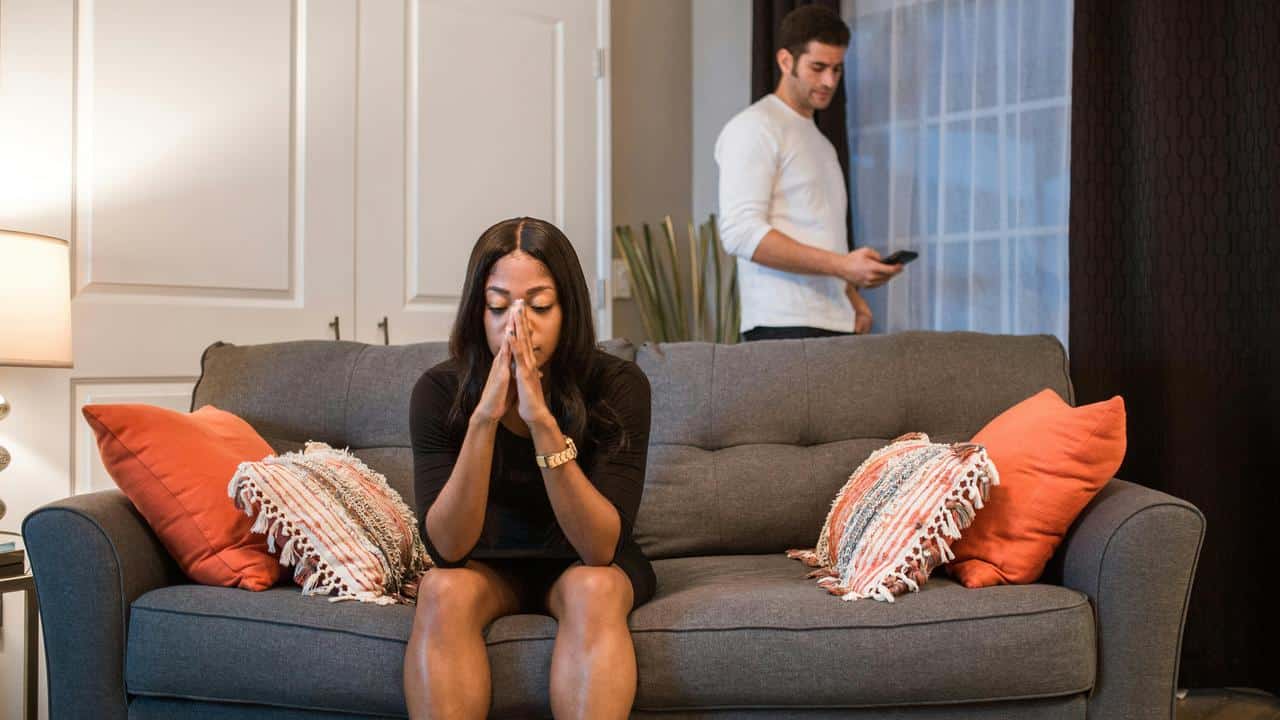
Your workday probably does not end at 5 PM anymore. Emails follow you home. Phones keep buzzing. Deadlines and career goals take up mental space even during dinner. When you finally get free time, you might feel exhausted instead of present. Your partner may feel the same way after their own workday. The result is a house full of tired people with limited emotional energy. Over time, a lack of quality time can slowly weaken the connection. Marriage needs attention and presence, but modern work culture often steals both.
Communication Styles Have Changed

People talk differently today than they did decades ago. Texting replaced many face-to-face conversations. Short messages often replace deeper discussions. That habit can spill into marriage as well. Important conversations get delayed or watered down because they feel uncomfortable. When communication becomes shallow, misunderstandings grow faster. Both men and women sometimes expect their partner to read between the lines. But mind-reading rarely works in real life. Clear and honest communication takes effort that many couples forget to practice.
Gender Roles Are No Longer Clearly Defined

Traditional roles in marriage used to be more predictable. Today, those expectations are constantly evolving. Many women build careers and expect equal partnership at home. Many men still feel the pressure to provide and lead financially. Neither side is wrong, but the roles are less defined than before. Couples often enter marriage without clear conversations about responsibilities. That confusion can lead to frustration over chores, finances, and decision-making. The modern marriage works best when both partners actively define their roles instead of assuming them.
Mental Health Awareness Is Higher

People today are more open about mental health struggles. Anxiety, burnout, depression, and emotional stress are discussed more openly than ever. That awareness is a good thing. But it also means couples face challenges that previous generations often ignored or suppressed. When one partner struggles emotionally, the other partner may feel unsure how to help. Sometimes, both partners feel overwhelmed at the same time. Supporting each other through mental health struggles requires patience, empathy, and understanding. Without those tools, marriage can feel emotionally draining.
The Idea of Forever Feels Less Certain

Divorce is no longer a rare topic. Almost everyone knows someone who has gone through it. That reality can change how people approach marriage. Some couples enter the relationship with a quiet fear that it might not last. When the idea of forever feels uncertain, long-term commitment can feel fragile. You may still want a strong marriage, but the culture around relationships has shifted. Both men and women sometimes carry that uncertainty into arguments and disagreements. It takes intentional effort to build long-term trust in a world where commitment often feels temporary.
Couples Spend Less Time in Community
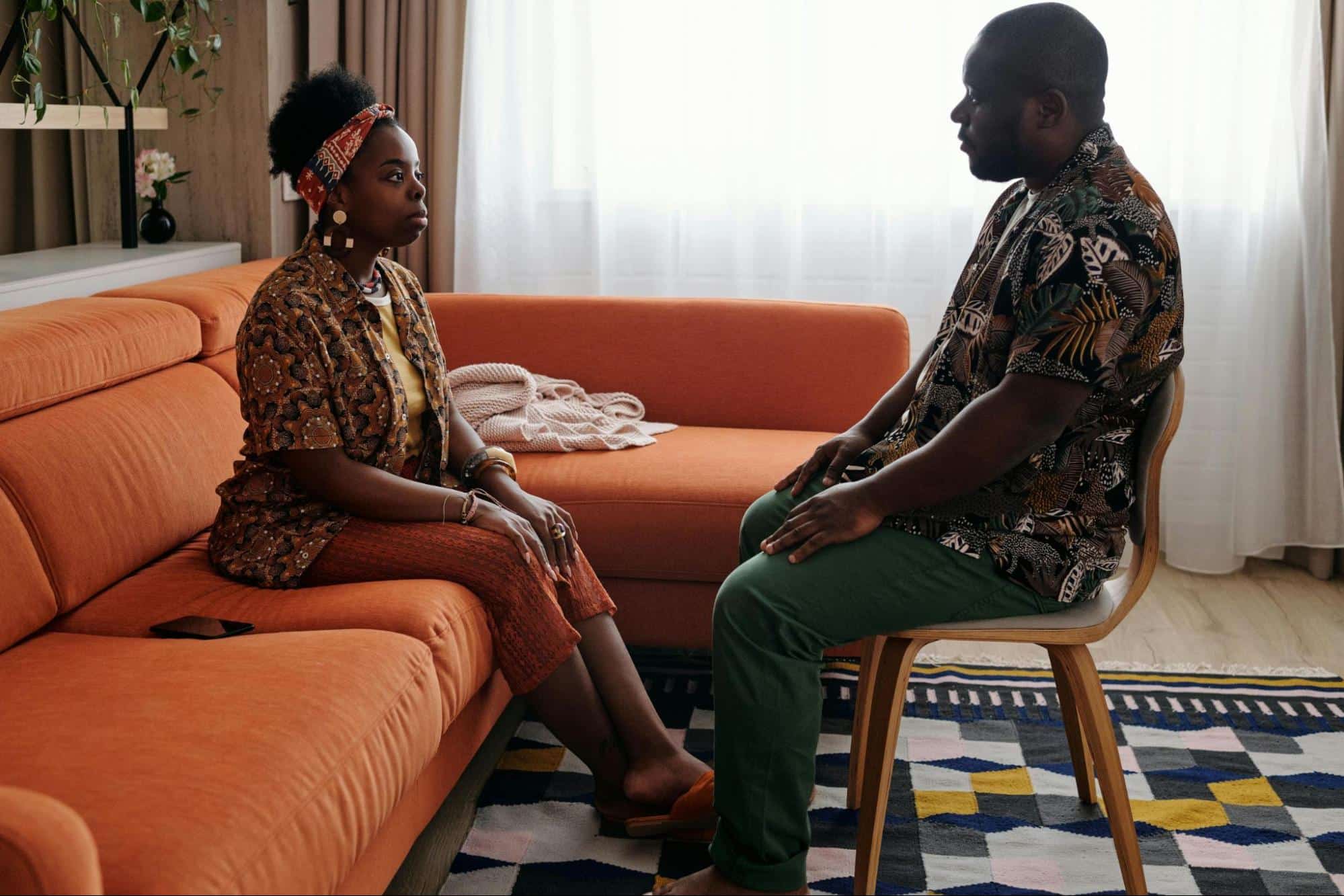
In the past, marriages were often supported by extended families and close communities. Friends, relatives, and neighbors played a bigger role in daily life. Today, many couples live far from family or move frequently for work. That isolation can make marriage feel like it exists in a bubble. When conflicts arise, there are fewer trusted people around to offer guidance or perspective. Community support can strengthen relationships more than people realize. Without it, couples sometimes feel like they have to solve every problem alone.
Entertainment and Screens Compete With Connection

It is easy to spend an entire evening sitting next to your partner while both of you stare at separate screens. Phones, streaming services, and social media fill every quiet moment. Entertainment itself is not the problem. The problem happens when it replaces meaningful interaction. Conversations become shorter. Date nights become rare. The relationship slowly shifts into a routine of coexisting instead of connecting. Many couples do not notice it happening until emotional distance has already grown.
Conflict Resolution Skills Are Often Missing

Most people never learned how to handle relationship conflicts healthily. You probably did not take a class on communication, compromise, or emotional regulation. Instead, you learned by watching your parents or past relationships. Those examples were not always healthy. When disagreements happen in marriage, many people fall into patterns like defensiveness, withdrawal, or blame. Without strong conflict resolution skills, small disagreements can escalate quickly. Healthy arguments actually strengthen relationships when handled well. But many couples never learned how to fight fairly.
The Pressure to Have It All

Modern couples often feel pressure to succeed in every area of life. Career success, financial stability, great parenting, strong friendships, travel, fitness, and a passionate marriage all sit on the same list. Trying to excel at everything can leave people feeling stretched thin. When expectations stack up like that, marriage can start to feel like another responsibility instead of a refuge. Both partners may silently struggle to keep up with life’s demands. Slowing down and redefining priorities becomes essential for long-term relationship health.
Love Alone Is No Longer Seen as Enough

Romantic love is still important, but people today expect more from marriage than previous generations did. You want your partner to be a lover, best friend, emotional support system, life partner, and teammate. Those expectations create a deeper bond when things go well. But they also create pressure when the relationship hits rough seasons. No one person can fulfill every emotional need perfectly. Strong marriages today require intentional effort, patience, and realistic expectations from both sides.








Ask Me Anything