
If you are between 35 and 55, you have probably felt it. Work takes over your schedule. Marriage changes the rhythm of your life. Divorce can shake your identity. Or maybe you just look in the mirror and feel slightly off compared to how you were ten years ago. None of this means you are failing. It means life has shifted. The problem is that small habits can slowly lower your presence without you noticing. The good news is that small behavior changes can quickly restore visibility, respect, and midlife confidence.
Dressing Like You Stopped Evolving

When your clothes look the same as they did years ago, people notice, even if they do not say it. Outdated fits can make you appear disengaged. You do not need to chase trends. You need clean lines, proper fit, and simple upgrades. Update your basics. Improve your shoes. Make sure everything fits your current body. Style signals energy, and energy affects how others respond to you.
Avoiding The Gym Or Physical Maintenance

Fitness is not about vanity. It affects posture, stamina, and how you carry yourself in rooms. Men over 40 who stop training often lose physical presence first. Strength training a few times per week changes how you stand and speak. You also think more clearly when you move regularly. You do not need extreme programs. You need consistency and basic conditioning.
Neglecting Social Connections

Isolation quietly reduces presence. If your circle has shrunk, rebuild it intentionally. Reach out to old friends. Schedule regular meetups. Join professional groups. Strong social ties support men’s self-improvement and mental clarity. Presence grows when you stay connected to people beyond your immediate routine.
Complaining More Than You Contribute

Constant criticism lowers respect in any room. If you notice yourself pointing out problems often, shift toward solutions. Speak in forward-looking terms. Offer ideas. Even small contributions in conversation increase your perceived leadership. People respond better to men who add value than to those who drain energy.
Seeking Validation Instead Of Offering Value

If you are constantly trying to impress, you may feel invisible. Focus on contribution instead. In meetings, share clear ideas. In relationships, listen and act with intention. Confidence grows when you stop chasing approval. When you bring value, attention follows naturally.
Letting Routine Kill Energy

Routine is useful, but too much of it can flatten your personality. Add structure with variety. Change your workout style. Take a class. Plan one new activity each week. Small changes keep your mind alert. Energy is visible. When your life feels active, others sense it.
Ignoring Grooming And Personal Care
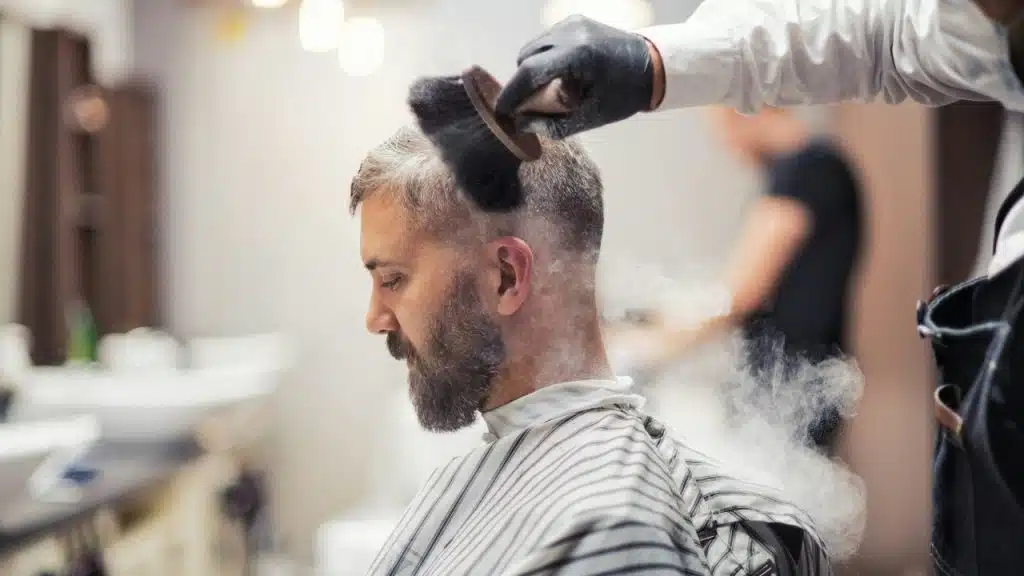
Basic grooming has a strong impact. A modern haircut, clean facial hair, healthy skin, and good hygiene change how you are perceived. These details are not cosmetic extras. They are signals of self-respect. Spend time on appearance without overdoing it. Consistency here improves midlife confidence quickly.
Staying Passive In Conversations

If you rarely express opinions, you become background noise. Practice stating clear thoughts without overexplaining. Listen carefully, then respond directly. Avoid filler language. Speak with calm clarity. Strong communication increases presence in both professional and social environments.
Avoiding Leadership In Family Or Social Settings

Leadership does not mean control. It means initiative. Plan outings. Make decisions when appropriate. Step forward when others hesitate. In families and friend groups, men who take responsibility naturally stand out. Presence increases when you move first instead of waiting.
Letting Stress Control Your Mood

Unmanaged stress shows in tone, posture, and patience. Build simple stress routines. Exercise regularly. Set boundaries around work hours. Protect sleep. When your nervous system is stable, you appear steady. Steady men are noticed and respected.
Not Having Clear Goals

Direction creates momentum. Without goals, energy feels scattered. Define targets for health, finances, career, and personal growth. Write them down. Review them weekly. Clear direction improves confidence because you know where you are heading.
Holding Onto Old Identity After Divorce Or Life Changes

Life events can shift your identity. Divorce, career changes, or aging require adjustments. If you keep acting like your past version, you may feel disconnected. Update your habits to match your current stage. Learn how to improve yourself after divorce by focusing on health, skills, and stability. Growth keeps you relevant to yourself and others.
Avoiding New Challenges
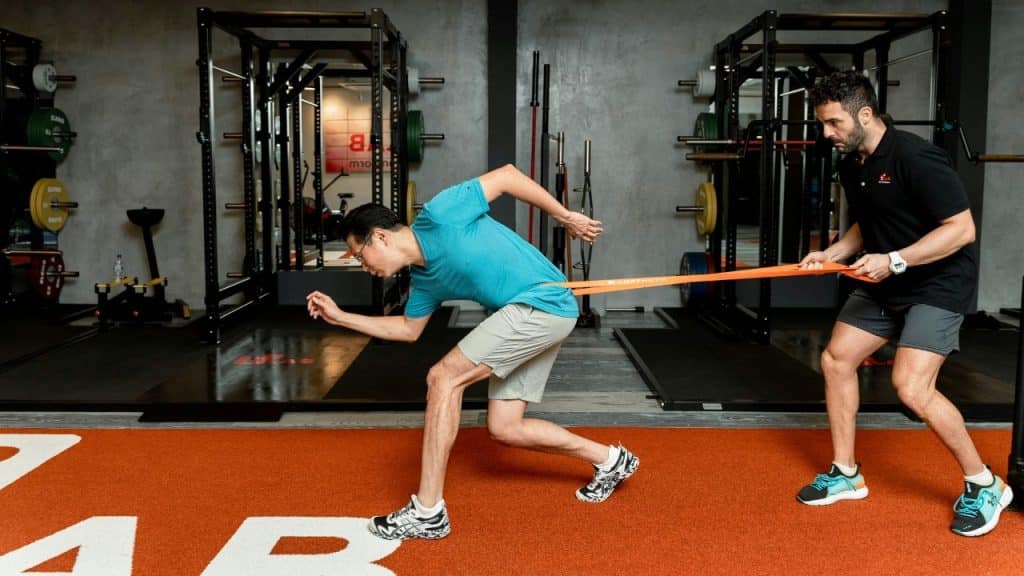
Comfort feels safe, but it reduces growth. Add measurable challenges. Improve your lifting numbers. Take on a new project. Learn a new skill. Challenge builds self-trust. Self-trust increases presence in every environment.
Speaking Without Confidence In Meetings Or Social Settings

If you speak too quickly or overuse filler words, your impact drops. Practice concise communication. Pause before responding. Keep sentences direct. Clarity builds authority. When you speak with intention, people pay attention.








Ask Me Anything