
Many marriage conflicts are not about who is right, but about how the same behavior is interpreted differently. What feels like peace to one partner can feel like emotional abandonment to the other. Some men experience less talking as calm and stability, while some women experience it as distance and disinterest. This does not mean men do not care or women are “too much.” It means the marriage is running on two different definitions of safety. The conflict gets worse when each side assumes the other is being selfish on purpose. These conflicts can be repaired when both partners understand what the other is protecting. The goal is not to pick a winner, but to translate what “peace” and “care” actually mean in daily life.
Quiet Evenings vs. Emotional Check-Ins

Some husbands feel loved when the home is calm and conflict-free after a long day. Some wives feel loved when there is an emotional check-in that confirms connection. When the husband stays quiet, he may believe he is creating peace. When the wife experiences that quiet, she may believe she is being ignored. The mismatch creates resentment because both think they are doing the right thing. The husband thinks he is preventing stress. The wife thinks she is being left alone inside the relationship. Without translation, silence becomes a fight without words.
“Nothing’s Wrong” vs. “You Never Talk to Me”

Many men cope by compartmentalising and not bringing stress into the relationship. They say “nothing’s wrong” because they want the problem to stay contained. Many women hear that as secrecy or emotional shutdown. The wife wants conversation to create closeness and safety. The husband wants quiet to prevent spiraling and pressure. Both are trying to regulate, but they regulate in opposite directions. The result is a loop where the wife pushes for openness and the husband retreats for calm. The conflict is not only communication, it is emotional safety defined differently.
Space to Decompress vs. Feeling Like a Low Priority

After work, some husbands need quiet time to reset. They may scroll, watch something, or mentally disappear for a bit. Many wives understand rest, but still want to feel prioritized. When decompression becomes hours or every night, it stops feeling like rest and starts feeling like avoidance. The husband sees it as harmless recovery. The wife sees it as being emotionally placed on hold. The conflict is rarely about the phone or the TV. It is about whether attention is being saved for the marriage or spent elsewhere.
“I Don’t Want to Fight” vs. “You Avoid Everything”

Some husbands interpret disagreement as danger and try to keep things calm by avoiding hard conversations. They believe avoiding conflict is protecting the relationship. Many wives interpret avoidance as neglect because issues never get repaired. Avoidance creates temporary peace but long-term emotional debt. The wife feels like the marriage is being left to rot quietly. The husband feels like he is preventing unnecessary stress. Both think they are helping, but the strategy creates more distance. Peace without repair eventually becomes quiet resentment.
“I’m Listening” vs. “You’re Not Responding”

Some husbands listen silently because they are processing or trying not to escalate. Some wives experience silence as emotional absence. They want verbal cues, empathy statements, or reassurance. The husband believes being calm is respectful. The wife believes lack of response is indifference. This creates a situation where the husband feels unfairly criticized for staying calm. The wife feels unheard because she needs interaction, not just presence. Listening styles matter more than people realize. The conflict is not attention, it is confirmation.
Providing as Love vs. Presence as Love

Many husbands show love through responsibility: work, stability, and problem-solving. Many wives experience love through presence: attention, warmth, and emotional availability. The husband believes he is loving well because he is carrying burdens. The wife feels neglected because she wants closeness, not only stability. Both can be true at the same time. The marriage struggles when providing becomes a substitute for connection. Love is not only what is done, it is what is felt. The conflict often becomes “you don’t appreciate me” versus “you don’t show up emotionally.”
“It’s Not a Big Deal” vs. “It Adds Up”

Some husbands dismiss small issues because they do not want life to feel heavy. They believe letting things go creates peace. Many wives track patterns because small issues become emotional erosion over time. What feels small in one moment feels like a repeated message over months. The husband sees one event. The wife sees the pattern and the impact. This makes the wife look “too sensitive” and the husband look “careless.” The conflict is not about the detail, it is about accumulation.
Calm Tone vs. Cold Tone

Some husbands aim for neutral tone to avoid emotional escalation. They may sound flat because they are trying to stay controlled. Many wives interpret flat tone as coldness or disinterest. The wife wants emotional warmth, not only emotional control. The husband believes emotional control is maturity. The wife believes emotional warmth is care. This conflict is common during serious conversations. The message gets lost because tone becomes the main issue. Both sides leave feeling misunderstood.
“I Need Less Drama” vs. “I Need More Engagement”

Some husbands use “drama” to describe repeated emotional discussions. They want the relationship to feel calm and stable. Some wives hear “drama” as a dismissal of legitimate needs. They want engagement because it makes the relationship feel alive. The husband sees repeated talks as unnecessary stress. The wife sees them as necessary maintenance. This conflict often leads to emotional shutdown on both sides. The wife stops sharing because she feels judged. The husband stops listening because he feels pressured. The relationship becomes quiet but emotionally thin.
Direct Solutions vs. Emotional Validation

Many husbands respond to problems with solutions, not empathy. They want to fix the issue so the discomfort ends. Many wives want validation first because it creates emotional safety. When a husband jumps to solutions, it can sound like dismissal. When a wife seeks validation, it can sound like complaining without action. Both are trying to reduce stress, but in different ways. The conflict becomes “you never listen” versus “you never move on.” The fix is not choosing one style forever, but learning when each is needed. Validation and solutions are both forms of care when timed well.
“I’m Fine” as Coping vs. “I’m Fine” as a Warning

Some husbands say “I’m fine” because they genuinely want to move past frustration. It is a coping strategy to prevent emotional spiraling. Many wives have learned that “I’m fine” often means something is being suppressed. That creates anxiety because clarity feels safer than guessing. The husband thinks he is being calm. The wife thinks he is hiding resentment that will explode later. This creates a cycle of questions and withdrawal. The marriage becomes tense over a sentence that means different things. Clarity can reduce this conflict quickly.
Friendship With Others vs. Boundaries That Protect Trust
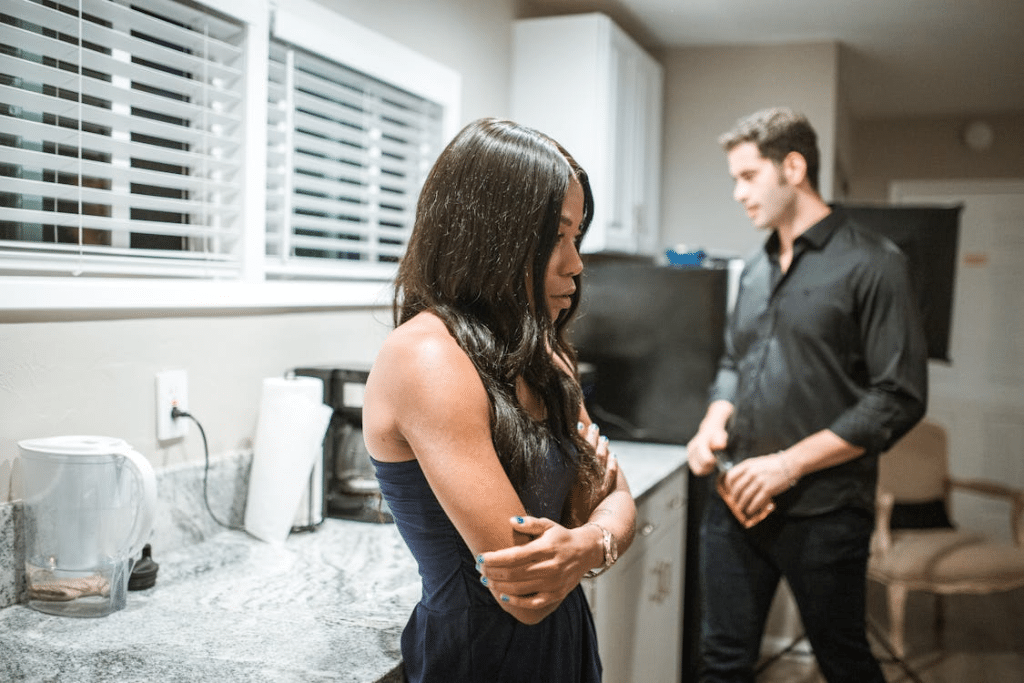
Some husbands value friendships and social freedom as a form of personal balance. Many wives value boundaries as a form of emotional security. When a husband maintains friendships that feel too close or too private, the wife may feel replaced emotionally. The husband may feel controlled or mistrusted. Both sides can be sincere, but the boundaries are undefined. Trust is not only about loyalty, it is also about reducing doubt. This conflict often escalates because it touches identity and respect. The solution usually requires clear agreements, not vague assumptions.
Parallel Living vs. Shared Life

Some husbands are comfortable being in the same space doing separate things. It feels peaceful and low-pressure. Many wives want shared experiences that create a feeling of “together.” When the marriage becomes mostly parallel living, the wife may feel lonely even while married. The husband may feel confused because he believes presence is enough. The conflict becomes “we never connect” versus “we’re always together.” Both statements can be true depending on what “together” means. Shared life requires intentional time, not just shared space.
“I Work Hard” vs. “I Feel Alone”

Work can be a real burden and also a real excuse. Some husbands feel they are proving love by working and providing. Some wives feel abandoned because the marriage gets leftovers. The husband wants appreciation for sacrifice. The wife wants presence and attention. The conflict becomes a competition between effort types. The marriage suffers when the couple treats providing and connection as separate teams. Both are needed to feel secure long-term. A marriage cannot live on money alone, and it also cannot ignore reality pressures.
Low-Maintenance Identity vs. High-Need Reality

Some husbands pride themselves on being low-maintenance emotionally. They want fewer talks and fewer emotional demands. Many wives do not see their needs as “high,” they see them as basic relationship maintenance. The husband feels like peace is being interrupted. The wife feels like intimacy is being withheld. This creates a power struggle where the partner with fewer needs sets the relationship temperature. The other partner feels like they must beg for basic closeness. That imbalance builds resentment quickly. Healthy marriage requires meeting needs, not mocking them.
“Stop Overthinking” vs. “Stop Under-Responding”

Some husbands react to emotional concerns by calling them overthinking. They want the issue to shrink so the relationship stays calm. Many wives hear “overthinking” as invalidation and dismissal. The wife may be reacting to patterns, not single events. The husband may be reacting to intensity, not the topic itself. The conflict becomes a character attack: “you’re too much” versus “you don’t care.” Neither label helps repair. The real issue is responsiveness. Overthinking often reduces when someone feels consistently responded to.
Alone Time as Stability vs. Together Time as Security

Many husbands feel healthier when they have alone time to reset. Many wives feel safer when the relationship has protected together time. When alone time is unstructured, it can take over the marriage. When together time is demanded, it can feel like pressure. The conflict becomes “you’re suffocating me” versus “you’re neglecting me.” Both sides are usually protecting a nervous system need. The repair involves scheduling both: alone time and couple time. When both are protected, the fight loses power. Security increases when expectations are clear.
Peacekeeping vs. Truth-Telling

Some husbands keep peace by staying quiet, agreeing, or avoiding disagreements. They believe peacekeeping is love. Many wives want truth even if it creates tension. They believe honesty is love. Peacekeeping can feel like emotional dishonesty because it hides real opinions. Truth-telling can feel like constant conflict because it brings issues to the surface. The marriage suffers when peace becomes a cover for avoidance. It also suffers when honesty becomes a weapon rather than a bridge. The difference is intention and tone. Peace is healthiest when it comes from repair, not suppression.
“I’m Here, Isn’t That Enough?” vs. “I Need to Feel Chosen”

Some husbands feel they are proving commitment by staying, being loyal, and showing up physically. Many wives want to feel emotionally chosen through attention, affection, and initiative. The husband experiences his presence as love. The wife experiences lack of initiative as neglect. This conflict often creates defensiveness because both feel unappreciated. The husband feels his effort is invisible. The wife feels her needs are being minimized. The solution is not demanding constant intensity, but restoring intentionality. A spouse can be present and still be absent emotionally.
Peace and Connection Are Both Needs, Not Opposites

Many couples get stuck because they argue about whose definition of love is correct. Peace matters, but so does emotional connection. A calm home is not healthy if it is emotionally empty. Emotional closeness is not healthy if it is constant chaos. The goal is to build a marriage where quiet feels safe, not lonely. That requires translation, not blame. When each partner understands what the other is protecting, conflict becomes easier to repair. Small adjustments in communication, reassurance, and time can shift the entire climate. Peace should feel like closeness, not distance.








Ask Me Anything