
Most marriages do not break from one dramatic event. They weaken through small shifts that slowly change the emotional climate. When a husband stops doing certain everyday behaviours, it can signal stress, resentment, emotional withdrawal, or loss of motivation to connect. These changes do not automatically mean the marriage is over. They mean something needs attention before distance becomes normal. The key is noticing patterns instead of isolated bad days. A tired week is normal, but a consistent shift is information. These signs highlight the quiet behaviors that often disappear before bigger problems show up.
Initiating Conversation Without Being Prompted

A husband who is still emotionally engaged usually checks in naturally. He asks about the day, shares thoughts, and keeps communication alive. When that initiative disappears, the marriage starts feeling one-sided. Conversations become functional and short. The other spouse begins carrying the emotional connection alone. Silence becomes the default and questions feel like work. Reduced initiation is often an early sign of withdrawal. It is not always anger, but it often signals disconnection.
Showing Curiosity About Thoughts and Feelings

Curiosity is one of the clearest forms of love. It shows ongoing interest and emotional investment. When a husband stops asking what is wrong, what is needed, or how something felt, emotional intimacy fades. The marriage can still function, but it stops feeling emotionally safe. A spouse may start feeling invisible even while living together. Lack of curiosity often appears when someone feels overwhelmed or emotionally checked out. Over time, the relationship becomes more about co-existing than connecting. When curiosity dies, closeness usually follows.
Offering Small Reassurance Without Being Asked

Reassurance is not always grand or verbal. It can be checking in, giving a supportive touch, or saying something simple like “it will be okay.” When those moments disappear, the relationship can feel colder. One spouse may start doubting their importance. A husband might stop reassuring when he feels unappreciated, resentful, or emotionally tired. The absence of reassurance is often felt more strongly during stress. It can make small problems feel bigger because emotional safety is lower. Reassurance is not weakness, it is stability.
Repairing After Conflict Instead of Letting It Hang

Healthy couples do not avoid conflict, they repair after it. Repair might look like apologising, clarifying, or changing behavior. When a husband stops repairing, arguments leave emotional residue. The home stays tense even when the topic is over. One spouse may feel like issues never truly close. This creates a pattern of emotional debt and repeat fights. Lack of repair often signals pride, fatigue, or emotional shutdown. When repair disappears, distance becomes easier than closeness.
Making the Relationship Feel Chosen, Not Just Continued

Many spouses stay married while no longer making each other feel chosen. When a husband stops doing small choosing behaviors, the marriage starts feeling like obligation. Choosing behaviors include planning something, being attentive, or making time on purpose. Without them, love is assumed but not felt. The spouse may start feeling like a roommate or coworker. This shift often happens slowly, which makes it easy to dismiss. But being chosen is what keeps marriage emotionally alive. When that disappears, dissatisfaction grows.
Protecting the Marriage From Outsiders

A husband who prioritizes the marriage usually holds boundaries with friends, family, and social life. When he stops doing that, the spouse can feel secondary. This might show up as allowing disrespect from others or oversharing private issues. It can also show up as constantly choosing friends over home. The spouse begins feeling exposed or unsupported. Boundaries are not control, they are protection. When protection disappears, trust begins to weaken. A marriage needs a defended unit to stay strong.
Taking Initiative With Shared Responsibilities

Shared responsibilities should not feel like one person running a system. When a husband stops taking initiative, the spouse can feel like the manager. “Helping” only when asked creates resentment. Initiative means noticing what needs to be done and doing it. It communicates partnership and respect. Without initiative, the relationship becomes uneven and unattractive. Many spouses do not leave because of chores, they leave because of what chores symbolize. Initiative often equals care.
Showing Physical Affection Outside the Bedroom

Touch is often the first thing to fade when emotional distance grows. Small affection like hugs, kisses, hand-holding, or sitting close maintains warmth. When a husband stops offering that, the spouse can feel unwanted. This does not always mean lack of attraction. It can also mean stress, resentment, or emotional shutdown. The problem is that the absence of touch creates more distance. Physical warmth often prevents emotional coldness. When touch disappears, it is worth noticing.
Sharing Personal Thoughts Instead of Keeping Everything Private
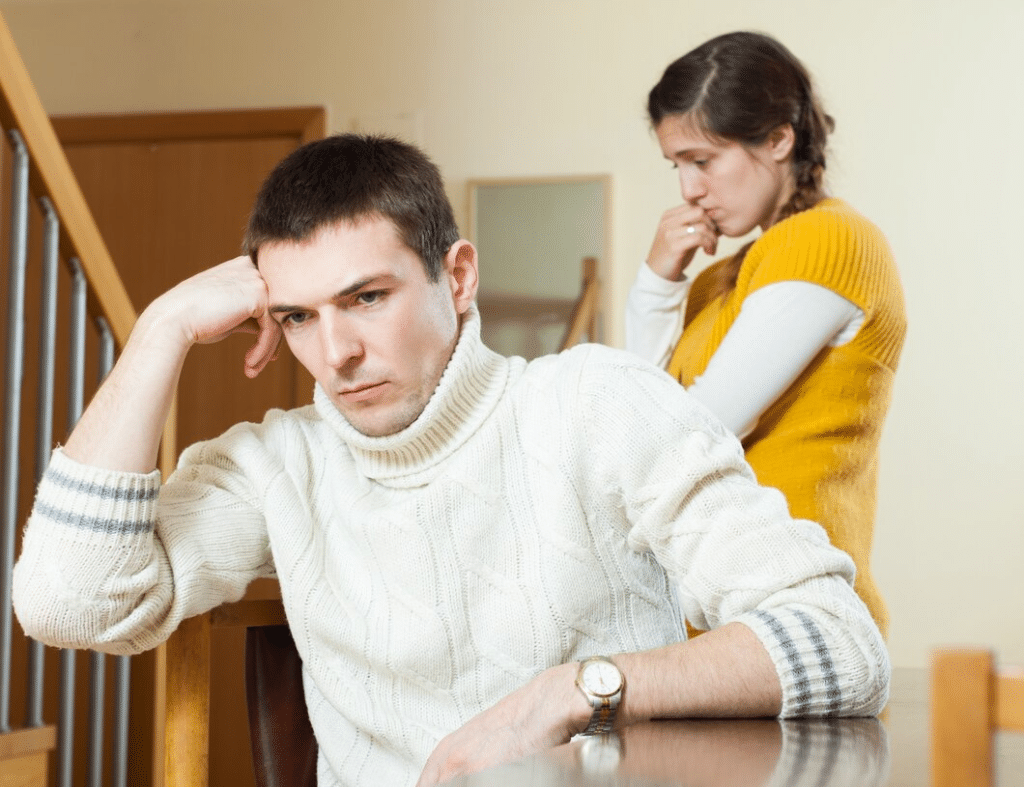
Marriage needs openness to stay intimate. When a husband stops sharing opinions, worries, or personal updates, the spouse loses access to his inner world. The relationship becomes surface-level. This can happen when he feels judged, dismissed, or tired of conflict. It can also happen when he is emotionally overwhelmed. The danger is that silence creates assumptions. Assumptions create mistrust and emotional distance. Sharing is not only communication, it is bonding. When sharing stops, connection weakens.
Prioritising Time Together Without Needing to Be Pushed

Time together is one of the clearest signals of value. When a husband stops prioritising it, the spouse may feel unwanted. Plans become rare, evenings become separate, and weekends fill up with everything else. He may still be present physically, but not intentionally. This can look like always being on a screen, always busy, or always “too tired.” Dating energy fades in marriage, but intentional time should not. Without shared time, affection and friendship shrink. A marriage cannot thrive on leftovers.
Speaking With Basic Respect Even When Upset

Tone matters more than many people admit. Respectful tone is a form of emotional safety. When a husband stops speaking with respect, the spouse feels less valued. This may show up as sarcasm, dismissiveness, or frequent irritation. Even if he apologises later, repeated disrespect changes the climate. Many spouses start withdrawing emotionally when respect becomes inconsistent. Respect is not about being polite, it is about protecting dignity. When dignity is not protected, love feels unsafe.
Noticing and Responding to Emotional Shifts

Emotionally engaged partners notice when something feels off. They respond before problems become large. When a husband stops noticing, the spouse may feel alone in emotional labor. This can look like ignoring sadness, missing stress signals, or brushing off concerns. It can also look like acting surprised when resentment finally surfaces. Lack of responsiveness often signals detachment. The marriage begins feeling emotionally unsupported. Responsiveness is not mind-reading, it is attentiveness. When attentiveness fades, connection fades.
Expressing Appreciation Instead of Treating Effort as Automatic

Appreciation keeps love from becoming routine. When a husband stops saying thank you, acknowledging effort, or noticing contribution, the spouse can feel taken for granted. A partner can work hard and still feel invisible. Appreciation does not need to be dramatic. Small recognition builds warmth and motivation. Without it, resentment grows quietly. Many spouses do not stop loving first, they stop trying first. Appreciation is one of the easiest ways to prevent that.
What These Signs Usually Point To

These behaviors often disappear when a husband feels overwhelmed, resentful, disconnected, or emotionally unsafe. They can also disappear when life becomes stressful and the relationship goes into survival mode. The important factor is consistency, not isolated weeks. A pattern of withdrawal is information that should not be ignored. These signs do not automatically mean the marriage is doomed. They mean the current relationship system is no longer healthy. The earlier the shift is addressed, the easier it is to repair. Waiting usually makes the distance feel normal.
What Makes These Shifts So Easy to Miss

Many spouses notice the big events but miss the daily climate changes. A marriage can look stable from the outside while feeling lonely inside. The signs often appear as “he’s just tired” or “work is stressful,” which can be true. But tiredness becomes a cover story when the pattern lasts for months. People also normalize emotional distance because it feels safer than confrontation. This is how couples drift rather than decide. Drift feels harmless until it becomes years. Noticing early is a form of protection, not paranoia.
What Helps Before It Turns Into Permanent Distance

Clear communication works best when it focuses on behaviors, not character attacks. The goal is not to accuse, but to understand what changed and why. A spouse can ask for specific improvements like more check-ins, more repair after conflict, or more intentional time. It also helps to ask what the husband needs to feel more engaged, respected, or supported. Many husbands withdraw when they feel constantly criticized, even if the criticism is valid. Mutual accountability creates the best chance of repair. If the patterns feel entrenched, outside support can help translate the conflict.
What Not to Do When These Signs Show Up

It is tempting to respond with anger, threats, or constant interrogation. That approach often increases withdrawal instead of reducing it. Blame-focused conversations can make a husband feel attacked rather than understood. Silent treatment in return usually deepens the distance and creates more resentment. Over-monitoring can turn the marriage into a surveillance environment instead of a safe space. The goal is to address the pattern without escalating the fear around it. A calm, direct approach works better than emotional pressure. Repair is built through safety and accountability at the same time.
How to Start the Conversation Without Triggering Defensiveness

A productive talk usually starts with observations, not accusations. Using specific examples helps prevent the conversation from turning into “always” and “never.” It also helps to name the impact, not just the behavior, so the issue feels real. A spouse can focus on what is missed: warmth, attention, repair, or time. Asking what changed can invite honesty without humiliation. The tone matters because men often shut down when they feel judged or cornered. The goal is clarity, not winning the argument. A relationship improves faster when both people feel safe enough to tell the truth.
Quiet Withdrawal Becomes a Big Problem When It Becomes Normal

A husband does not need to announce emotional withdrawal for it to be real. It often shows up through what stops happening. When conversation, affection, repair, and appreciation fade, the marriage starts feeling colder and more fragile. These signs are not an invitation to panic, but they are a reason to pay attention. The healthiest marriages respond to small problems early, before resentment solidifies. Love can survive many stress seasons, but it struggles when disconnection becomes routine. Paying attention early is one of the strongest forms of commitment. Small repairs now prevent big regret later.








Ask Me Anything