
In the early stages of a relationship, effort feels natural. You text first. You plan dates. You notice the small things. But over time, comfort can quietly morph into complacency. And while many women won’t immediately say, “I feel taken for granted,” the feeling shows up in subtle ways—less enthusiasm, shorter replies, a quiet pulling back.
The truth is, feeling appreciated isn’t about grand gestures; it’s about consistent, everyday consideration. If you want a relationship that lasts—and not one that slowly erodes—watch out for these behaviors that can make her feel invisible instead of valued.
Only Putting In Effort When You’re Afraid To Lose Her

There’s nothing more frustrating than watching someone suddenly become romantic only after a fight or breakup scare. When effort appears only during emergencies, it feels strategic, not sincere. She starts to wonder why kindness and attention are reserved for damage control. Real security comes from steady investment—planning dates without being asked, checking in just because, showing affection when things are calm. Consistency builds trust; panic-driven effort builds resentment. If you care, don’t wait for a crisis to prove it.
Assuming She’ll Handle The Emotional Labor

Remembering birthdays, initiating tough conversations, checking on family members, keeping the relationship emotionally afloat—these tasks often fall quietly on women. When she’s always the one monitoring the emotional temperature, she starts to feel like a manager, not a partner. Emotional labor is exhausting when it’s one-sided. Take initiative: ask how she’s really doing, bring up issues before they explode, remember important dates without prompts. Shared responsibility signals shared commitment and prevents burnout from building beneath the surface.
Taking Her Time For Granted

If she constantly adjusts her schedule to fit yours while you rarely reciprocate, the imbalance speaks volumes. Canceling last minute, showing up late, or assuming she’s “free anyway” tells her her time isn’t valuable. Respect looks like planning ahead, honoring commitments, and treating her calendar with the same seriousness as your own. When you protect her time, you’re protecting the relationship. Reliability is romantic in a way grand gestures will never be.
Stopping The Small Acts Of Affection

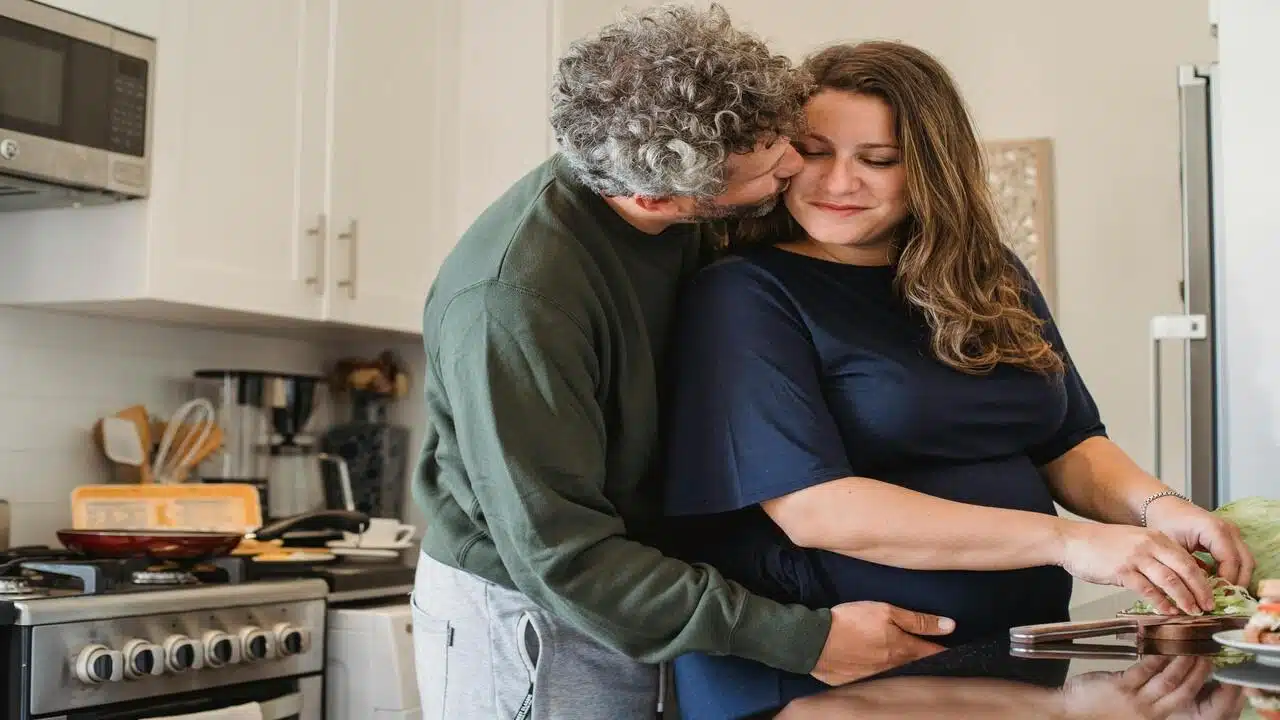
Early on, you held her hand, sent good morning texts, and complimented her randomly. Over time, those gestures often fade—not out of malice, but out of habit. Unfortunately, their absence can feel like emotional withdrawal. Small acts are the glue of intimacy. A quick hug in the kitchen, a thoughtful midday message, a sincere compliment costs little but means everything. Don’t underestimate the power of the basics done consistently.
Dismissing Her Feelings As “Overreacting”

Few things shut a woman down faster than being told she’s too sensitive. Even if you don’t fully understand her reaction, minimizing it sends a message that her emotions are inconvenient. Instead of correcting her feelings, try getting curious about them. Ask questions. Listen without interrupting. Validation doesn’t mean agreement—it means acknowledgment. That simple shift can turn defensiveness into deeper connection.
Expecting Praise For Bare Minimum Effort
Doing the dishes once and expecting applause or framing basic responsibilities as heroic efforts creates quiet resentment. Partnership isn’t about earning gold stars for ordinary contributions. It’s about shared ownership of daily life. Show up because it’s your role, not because you want recognition. Ironically, when effort is consistent and unprompted, appreciation flows naturally instead of feeling forced.
Being Glued To Your Phone When You’re Together

You can be physically present and emotionally absent at the same time. Scrolling while she talks, checking notifications mid-conversation, or prioritizing group chats over shared moments signals divided attention. Over time, it makes her feel like background noise. Try intentional presence—put the phone away during dinner, maintain eye contact, respond thoughtfully. Undivided attention is one of the rarest and most powerful forms of respect today.
Not Noticing The Work She Puts Into The Relationship

From planning vacations to remembering your mom’s birthday to keeping the home running smoothly, she likely does more than you consciously register. When that effort goes unseen, it feels thankless. Start noticing specifics. Instead of a generic “thanks,” say exactly what you appreciate and why it mattered. Being seen in detail feels far more meaningful than vague praise.
Avoiding Difficult Conversations

When issues arise and you shut down or change the subject, she’s left carrying the emotional weight alone. Avoidance can feel like indifference. Even if conflict makes you uncomfortable, leaning into it shows maturity and care. Set aside time to talk, admit when you’re wrong, and address patterns early instead of letting resentment build. Engagement—even imperfect engagement—signals that the relationship matters enough to work on.
Forgetting Important Dates And Milestones

Anniversaries, big presentations, family gatherings—these moments matter to her. Repeatedly forgetting them can feel like forgetting her. You don’t need a perfect memory; you need intention. Use calendar reminders. Write things down. Follow up after events she mentioned. Effortful remembering communicates priority and reinforces that her world matters to you.
Treating Her Support As Guaranteed

If she’s always there when you’re stressed but you rarely show up the same way, imbalance creeps in. Emotional support shouldn’t be a one-way street. Ask about her hard days. Offer practical help instead of just sympathy. Encourage her ambitions as much as she encourages yours. When support becomes assumed instead of appreciated, emotional intimacy quietly erodes.
Making Decisions Without Considering Her

Big purchases, travel plans, social commitments—making unilateral decisions sends the message that her input is optional. Partnership requires collaboration, not notification after the fact. Even if you’re confident she’ll agree, involving her shows respect. A simple “What do you think?” strengthens trust. Shared decisions create shared ownership and reduce future resentment.
Criticizing More Than You Compliment

If most of your comments are corrections about how she drives, cooks, dresses, or speaks, she’ll eventually feel like she can’t win. Constant critique erodes safety. Make a conscious effort to balance feedback with affirmation. Notice what she does well and say it out loud. Encouragement strengthens connection in ways criticism never will.
Letting The Romance Completely Die

Romance doesn’t require expensive trips, but it does require intention. If date nights vanish and affection feels transactional, she may start feeling more like a roommate than a partner. Plan something occasionally—a reservation, a handwritten note, even a simple evening walk. Romance is less about extravagance and more about thoughtful effort that says, “I still choose you.”
Comparing Her To Other Women

Whether it’s an ex, a coworker, or someone on social media, comparisons cut deep. Even subtle remarks can make her feel measured and lacking. Appreciation thrives in uniqueness. Focus on what makes her distinctly her. If something bothers you, address it respectfully without invoking another woman as a benchmark. Comparison breeds insecurity; affirmation builds confidence.
Expecting Intimacy Without Emotional Connection

Physical closeness without emotional presence can feel transactional. If intimacy only happens when you want it and emotional connection is neglected otherwise, she may feel used rather than cherished. Invest in conversation, shared laughter, and meaningful check-ins. Emotional intimacy fuels physical intimacy, not the other way around. When she feels connected, closeness becomes natural instead of pressured.
Not Standing Up For Her

If friends or family make disrespectful comments and you stay silent, she notices. Silence can feel like quiet betrayal. Even small acts of loyalty—correcting a joke, clarifying a misunderstanding, supporting her perspective—signal that you’re on her team. Public loyalty builds private security. Knowing you’ll stand beside her changes how safe she feels with you.
Assuming She’ll Never Leave

The most dangerous behavior is quiet complacency. Believing she’ll always tolerate neglect removes the urgency to grow. But no one wants to feel like they’re staying by default. Healthy relationships require ongoing choice. Keep choosing her through effort, respect, and appreciation. Love isn’t sustained by comfort alone; it’s sustained by intention shown daily.








Ask Me Anything