
Financial stability often carries psychological weight far beyond numbers on a bank statement. For many men, income and career progress are closely tied to identity, self-worth, and perceived readiness for partnership. When financial uncertainty enters the picture, confidence in dating can shift noticeably. Questions about adequacy, timing, and long-term potential may surface. Even in modern relationships that value equality, internalized expectations about provision can remain strong. Financial instability does not define character, yet it can influence mindset and behavior. The following slides explore how financial uncertainty shapes men’s dating confidence, choices, and relationship dynamics.
Money and Masculinity Often Intersect

Cultural messaging has long connected masculinity with financial success. Earning power is frequently associated with competence and leadership. When income feels unstable, self-perception may shift accordingly. Even in environments that promote equality, internal expectations about provision can persist. Financial setbacks may feel personal rather than circumstantial. This internal pressure can influence how confidently someone enters the dating world. Identity and income are not the same, yet they are often psychologically linked.
Confidence Can Fluctuate With Income

Financial strain can impact overall self-esteem. Concerns about job security or debt may reduce willingness to initiate or pursue romantic interest. Confidence in conversation and self-presentation may subtly decline. Dating often requires vulnerability and initiative, both of which can feel harder under stress. When financial footing feels uncertain, hesitation may increase. Self-doubt can grow even if external circumstances remain manageable. Emotional weight often exceeds practical impact.
Fear of Judgment Becomes Amplified

Financial instability may trigger concern about being evaluated or compared. Questions about career progress or future plans can feel loaded. Even neutral conversations about work may feel threatening when insecurity is present. Fear of appearing inadequate can limit openness. This perception may not reflect reality, but it can shape behavior. Anticipated judgment sometimes leads to emotional withdrawal. Anxiety about status may overshadow genuine connection.
Dating May Feel Like a Financial Risk

Dating often involves spending on meals, events, or travel. When resources are limited, even modest expenses can feel significant. Financial caution may reduce spontaneity or frequency of outings. Some may avoid dating entirely during unstable periods. The pressure to meet perceived financial expectations can add stress. Practical concerns can overshadow emotional readiness. Budget constraints may shape social behavior more than personal desire.
Commitment Can Feel Delayed

Long-term relationships often involve shared financial planning. When income feels uncertain, commitment may feel premature. Hesitation may stem from desire to feel secure before building a future with someone else. Financial readiness is sometimes viewed as a prerequisite for stability. This mindset can delay emotional progression. Even when connection is strong, uncertainty may slow momentum. Timing becomes influenced by economic confidence.
Comparison Intensifies Pressure

Social media and peer milestones can heighten awareness of financial gaps. Observing others achieving promotions, buying homes, or funding elaborate dates may amplify insecurity. Comparison can distort perception of personal progress. External benchmarks may feel like measures of worth. Financial instability may seem more pronounced when contrasted publicly. Awareness of others’ success can influence dating confidence indirectly. Self-evaluation becomes shaped by visible standards.
Career Setbacks Affect Emotional Availability

Job loss, stalled advancement, or debt can create emotional strain. Stress related to finances may reduce patience and focus. Emotional availability may decline when attention is consumed by uncertainty. Partners may misinterpret distraction as disinterest. Internal worry can overshadow relational effort. Financial stress often spills into emotional energy. Dating confidence may decline as mental bandwidth shrinks.
Provider Expectations Still Linger

Even as relationship norms evolve, provider expectations persist in subtle ways. Some men feel internal pressure to demonstrate financial capability early in dating. When income feels unstable, this pressure can intensify. Readiness for partnership may be judged internally by economic benchmarks. The belief that financial strength equals relational readiness remains influential. These expectations may shape decision-making. Internal standards can feel more rigid than external ones.
Financial Instability Can Trigger Withdrawal

Rather than risk perceived inadequacy, some may withdraw socially. Avoidance can feel safer than vulnerability. Financial stress may lead to reduced communication or canceled plans. Isolation can deepen insecurity over time. Withdrawal may protect short-term pride but limit long-term connection. Reduced engagement reinforces self-doubt. Social retreat often compounds emotional strain.
Transparency Feels Risky

Discussing finances early in dating can feel uncomfortable. Financial instability may increase reluctance to share details. Fear of being misunderstood or rejected may limit honesty. However, withholding information can create tension later. Transparency requires confidence that instability does not define worth. Open conversation often strengthens trust. Avoidance may create larger misunderstandings.
Ambition May Become Overemphasized

Financial insecurity can lead to compensatory behavior. Increased focus on career advancement may become the primary priority. Dating may be postponed until stability improves. While ambition can be productive, overcorrection may delay meaningful connection. Work becomes the dominant focus. Emotional life may be sidelined. Balance becomes difficult during recovery periods.
Self-Worth Becomes Performance-Based

When identity is strongly tied to achievement, financial instability can feel like personal failure. Self-worth may fluctuate with income or career milestones. Dating confidence may depend on professional status. This performance-based identity can create pressure in romantic settings. Emotional presence may feel secondary to perceived achievement. Stability in self-worth reduces dating anxiety. Internal validation strengthens relational confidence.
Spending Pressure Can Distort Behavior
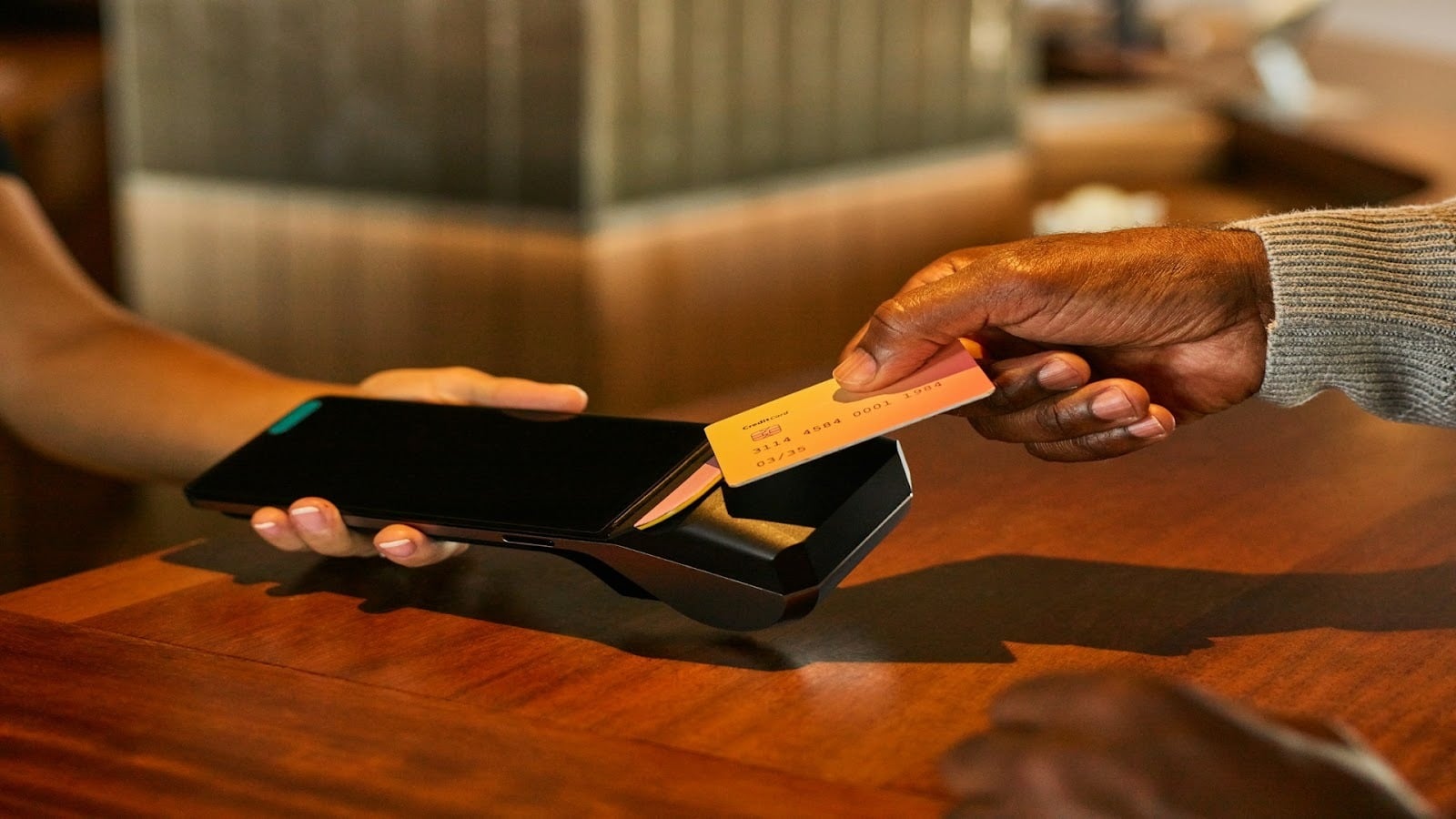
In some cases, financial insecurity may lead to overspending in order to impress. Attempts to project stability can create additional strain. Temporary displays of success may hide underlying stress. This pattern can deepen financial instability. Authenticity may suffer under performance pressure. Sustainable connection requires honesty. Image-based spending rarely builds long-term trust.
Uncertainty Impacts Long-Term Planning

Dating often includes discussions about future goals. Financial instability may complicate conversations about housing, travel, or family. Uncertainty can make long-term vision feel unclear. Hesitation may reflect caution rather than lack of commitment. Economic unpredictability influences decision-making timelines. Planning feels safer when stability improves. Financial clarity supports confident future building.
Resilience Can Strengthen Confidence

Financial challenges can also build adaptability. Navigating instability may strengthen problem-solving skills. Confidence rooted in resilience differs from confidence rooted solely in income. Growth during uncertain periods can foster maturity. Dating confidence may improve when self-worth becomes less dependent on finances. Stability eventually rebuilt carries deeper assurance. Perspective shifts through experience.
Open Communication Reduces Pressure

Clear discussion about financial reality often reduces misunderstanding. Many partners value honesty over image. Open communication fosters trust. Financial instability may feel less threatening when shared transparently. Conversations about goals and progress can build teamwork. Shared understanding strengthens connection. Openness reduces internalized pressure.
Confidence Is Broader Than Income

While finances influence dating experiences, they do not define personal value. Character, emotional intelligence, humor, and reliability remain influential traits. Confidence grows when identity expands beyond financial markers. Economic setbacks do not erase capability. Balanced self-perception supports healthier relationships. Income is one component of stability, not the entirety of it. Self-worth becomes more secure when multifaceted.
Rebuilding Stability Restores Dating Confidence

Financial recovery often restores internal confidence gradually. Progress reinforces capability. Structured goals create direction. As stability increases, hesitation may decrease. Dating decisions become less fear-driven. Economic clarity supports emotional readiness. Confidence strengthens when financial footing feels secure.
Financial Uncertainty and Emotional Confidence

Financial instability can influence dating confidence in subtle and direct ways. Income and identity are often psychologically intertwined. Stress, comparison, and internal expectations may shape behavior more than external judgment. However, financial uncertainty does not determine relational potential. Confidence rooted in character, communication, and resilience often proves more sustainable than income alone. Stability in dating grows when self-worth expands beyond financial circumstance.








Ask Me Anything