
Many spouses feel deeply valued during dating and engagement, then slowly feel less special after the wedding. This does not always mean love disappeared. Often, priorities shift, stress increases, and effort becomes less intentional. Marriage can turn attention into routine if both people stop protecting it. The most painful part is that the change feels subtle, so it is hard to confront without sounding dramatic. Over time, one partner starts feeling taken for granted, even if the other believes everything is “fine.” These reasons explain why “special” can fade after the wedding and how it happens without either person meaning to hurt the other.
Effort Gets Replaced by Assumption
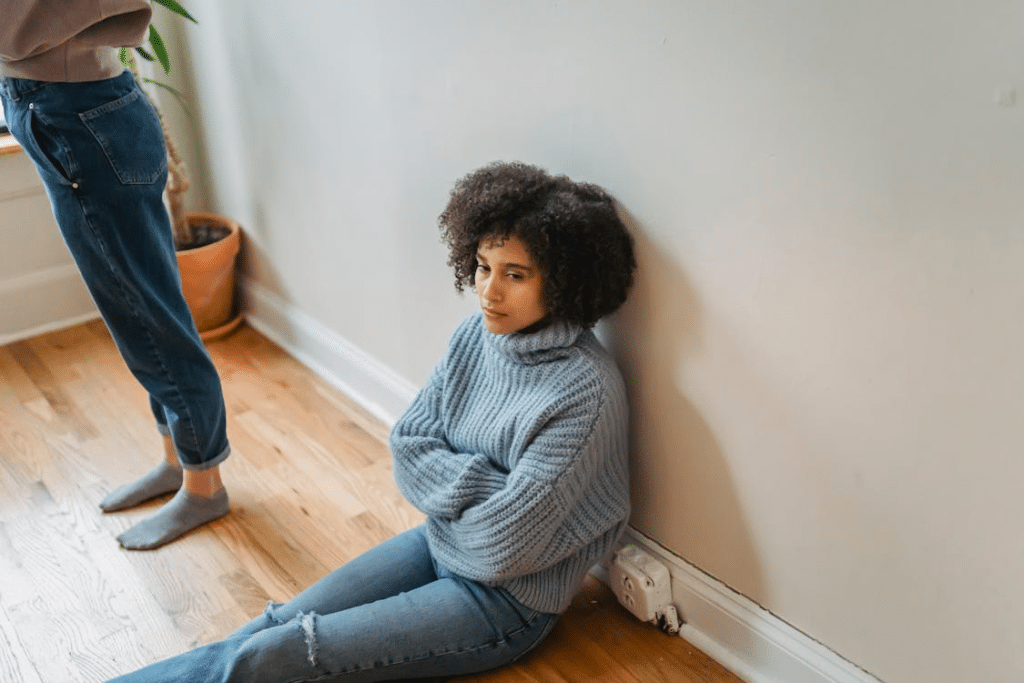
During dating, effort is intentional because the relationship still feels new. After marriage, some people assume love is secure and stop trying as hard. The mindset becomes, “They already know,” instead of, “Let this be felt.” Compliments, planning, and surprises start decreasing. The partner receiving less effort starts questioning their value. The one giving less effort often believes they are simply comfortable. Comfort is good, but assumption kills the feeling of being chosen.
Attention Shifts From Romance to Logistics

Married life brings bills, chores, schedules, and responsibilities. Conversations become about errands and plans rather than feelings and connection. That makes the relationship feel functional instead of intimate. A spouse can feel like a teammate but not a romantic priority. When the day is packed, connection gets postponed. Postponed connection eventually becomes rare connection. The spouse stops feeling special because they start feeling like another task.
Appreciation Stops Being Expressed Out Loud
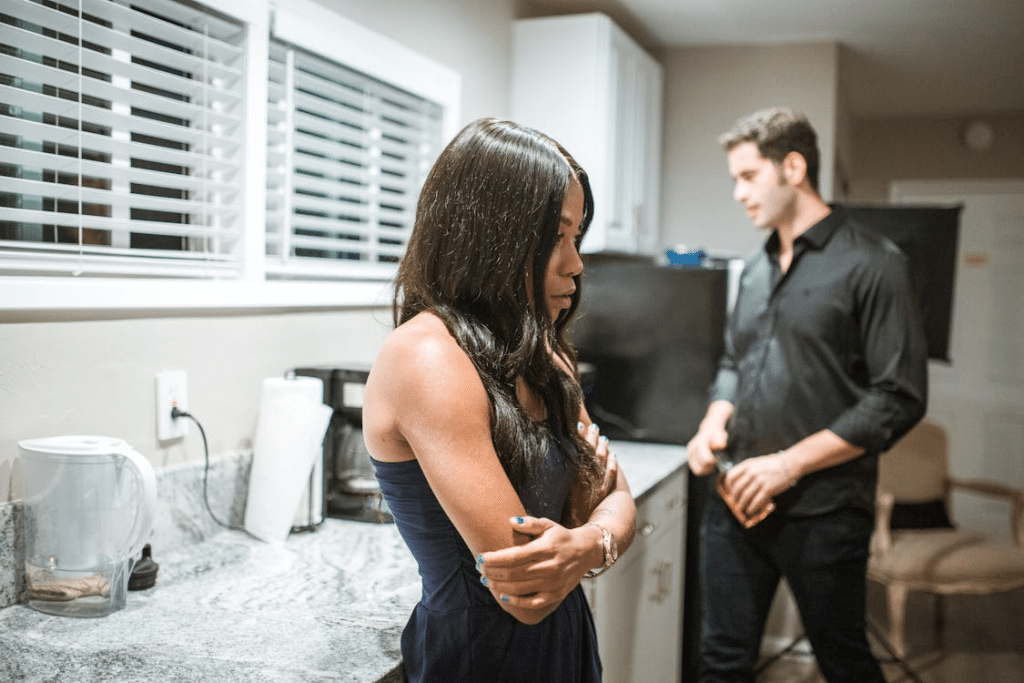
Many couples notice effort only when it disappears. When someone consistently contributes, their work becomes invisible. Thank yous become less frequent and compliments fade. The relationship starts feeling emotionally dry. A spouse who feels unseen will eventually stop trying. Appreciation is not extra, it is maintenance. When appreciation disappears, being “special” disappears with it.
Familiarity Turns Into Carelessness

Knowing someone deeply can create comfort, but it can also create sloppy behavior. Tone becomes sharper, patience gets shorter, and small rudeness gets excused. The spouse receiving it feels like strangers get better treatment. Carelessness is rarely intentional, but it is still damaging. A person stops feeling special when they are treated like they will tolerate anything. Familiarity should create softness, not entitlement.
The Relationship Stops Getting Dated

Many married couples stop going on real dates. Time together becomes screens, errands, or group outings. Without dating, romance becomes background noise. A spouse feels less special because nothing is being created anymore. Dating is not for early stages only, it is for keeping connection alive. Without it, the marriage becomes a routine partnership. People do not miss love first, they miss attention.
One Partner Carries the Mental Load

Someone usually becomes the default planner and manager of life. They track appointments, remember needs, and anticipate problems. The other partner may help, but only when asked. This creates a parent-child dynamic that kills romance. The managing spouse stops feeling special because they feel responsible, not cherished. Being a spouse is different from being a manager. When mental load is unequal, resentment grows quietly.
Conflict Becomes Avoided Instead of Repaired

Some couples keep peace by ignoring issues. That creates surface calm but internal distance. A spouse does not feel special when their concerns are treated like inconveniences. Avoidance sends a message that feelings are not worth the effort. Over time, small hurt becomes emotional numbness. Numbness is the opposite of feeling chosen. Repair builds closeness, avoidance builds quiet loneliness.
Emotional Check-Ins Disappear

During dating, couples often talk about feelings naturally. After marriage, people assume stability means less need for emotional conversations. Over time, emotional updates stop happening. One partner may feel like the other has no curiosity anymore. Feeling special often comes from being emotionally known. Without check-ins, partners become roommates with history. The relationship may continue, but closeness fades.
Stress Becomes the Default Atmosphere
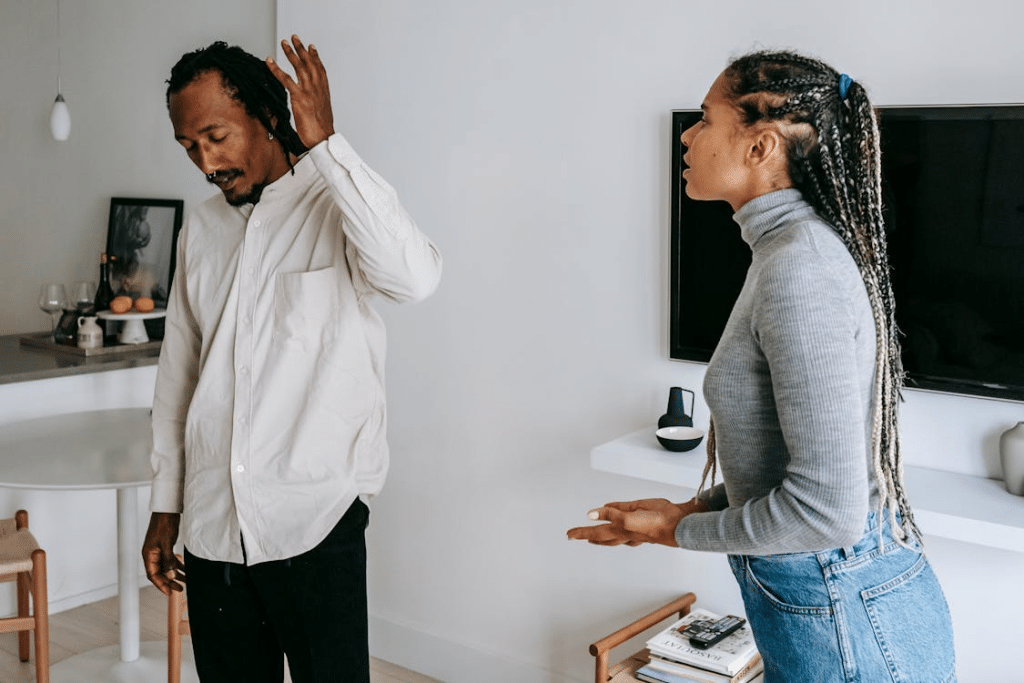
Work pressure, finances, parenting, and health issues can create constant stress. Stress changes tone, patience, and warmth. Couples begin reacting to life instead of relating to each other. A spouse stops feeling special when the relationship feels like survival mode. Even small tenderness feels rare under chronic stress. The problem is not stress itself, it is letting stress replace affection. If the marriage becomes only pressure, the bond weakens.
Intimacy Starts Feeling Like an Obligation

Sex and affection can shift from desire to routine. When intimacy feels scheduled, pressured, or emotionally disconnected, it stops feeling special. Some spouses feel wanted only when the other wants something. Others feel rejected repeatedly and stop trying. Either way, the meaning of intimacy changes. Feeling special requires emotional presence, not just physical contact. Without presence, intimacy becomes another task.
Complaints Get More Airtime Than Praise

Some couples fall into a habit of pointing out problems constantly. The relationship becomes correction-based instead of encouragement-based. Even when the complaints are valid, the imbalance is harmful. A spouse stops feeling special when their wins are invisible. Praise creates warmth and motivation. Constant criticism creates defensiveness and withdrawal. Over time, the marriage feels like a performance review.
Boundaries With Others Are Not Protected

Flirty friendships, family interference, or constant outside input can damage the feeling of being prioritized. A spouse stops feeling special when they feel second place. Even if cheating never happens, emotional loyalty can still be questioned. Boundaries are a form of protection, not control. When boundaries are weak, insecurity grows. Feeling special requires knowing the relationship is defended.
Shared Dreams Get Replaced by Separate Lives

Many couples start with big shared plans. Over time, each person gets busy with individual goals and routines. The marriage becomes parallel living instead of shared direction. A spouse stops feeling special when they feel like an accessory to someone else’s life. Shared dreams create unity. Without them, marriage can feel like co-existing. Partnership requires shared meaning, not just shared space.
Small Romantic Rituals Disappear

Simple habits like good morning kisses, weekly check-ins, or affectionate texts can fade. These rituals are not dramatic, but they keep the relationship emotionally fed. When they disappear, love becomes less felt. Many spouses do not miss grand gestures, they miss small consistent warmth. Rituals create a sense of being remembered. Without rituals, partners feel emotionally forgotten. Feeling special often comes from repeated small care.
A Spouse Feels More Like a Resource Than a Person
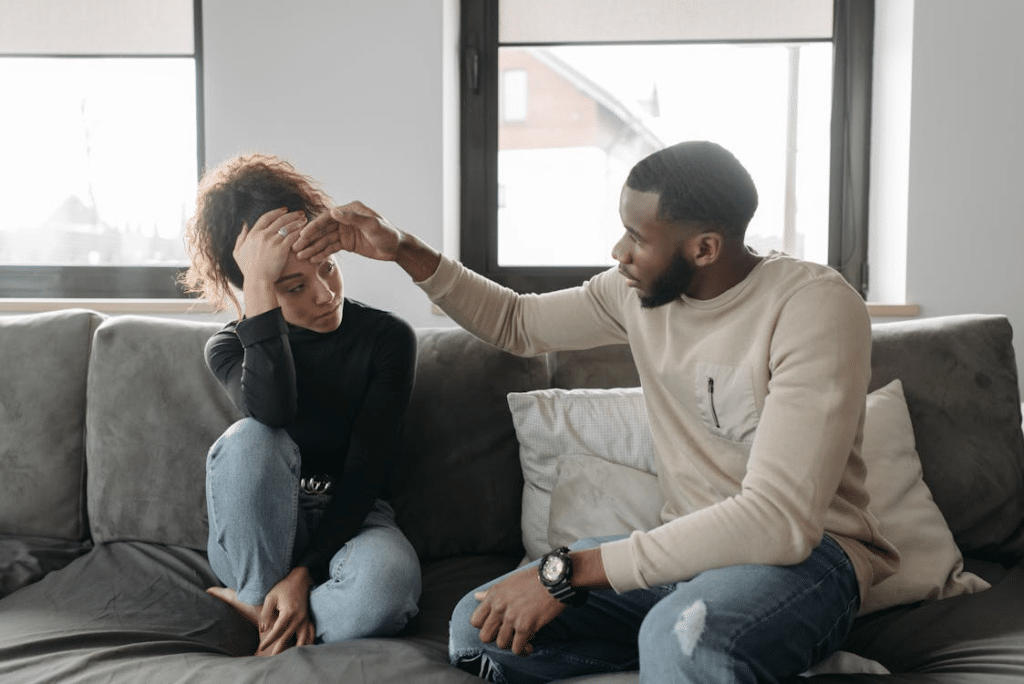
Some partners start relating through what the other provides, not who they are. One becomes the income, the childcare, the planner, or the problem-solver. The relationship starts feeling transactional. A spouse stops feeling special when they feel useful but not valued. Being needed is different from being cherished. Marriage needs both. When usefulness replaces affection, love starts feeling cold.
Growth Happens, but the Relationship Does Not Adapt
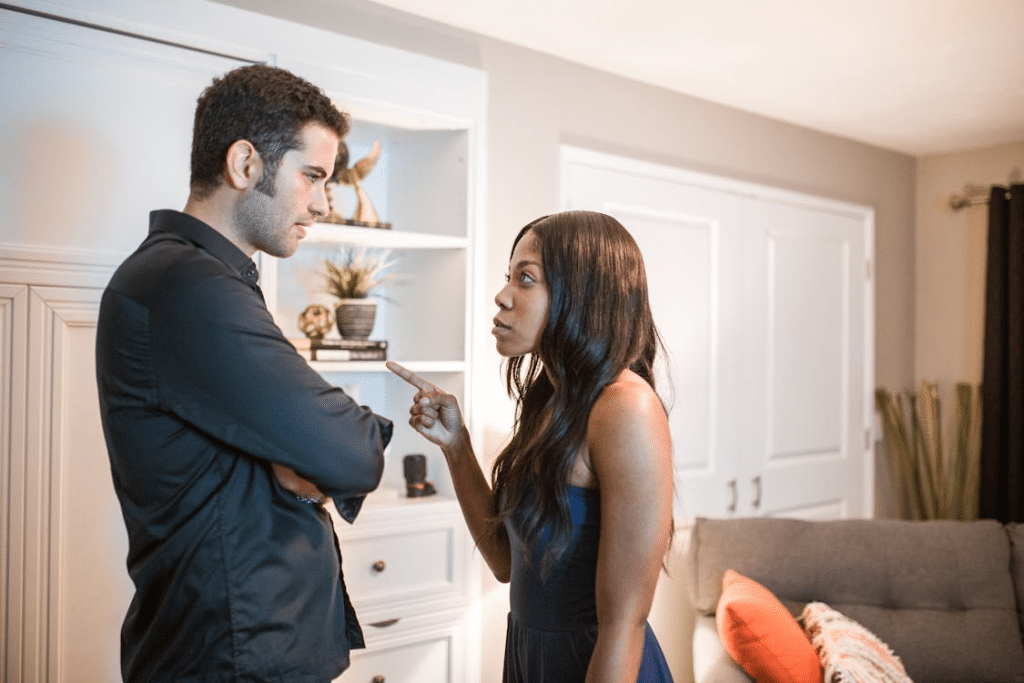
People change across years, but some marriages stay stuck in old roles. One spouse outgrows old dynamics and wants deeper connection. The other keeps showing up the same way and does not adjust. That mismatch creates emotional distance. The spouse who changed feels unseen. The spouse who did not change feels criticized. Feeling special requires being met at the current stage, not the old one.
Repair Stops Being a Priority After Hurt
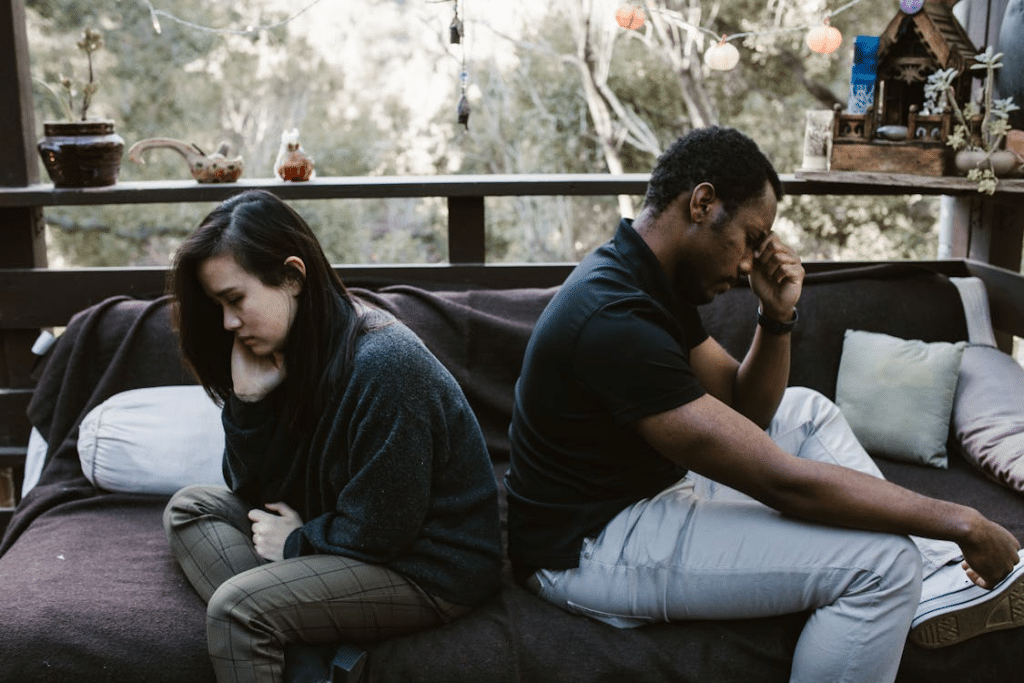
When hurt happens and is not repaired properly, it leaves residue. Many couples move forward without closing emotional wounds. That creates a cold layer under everyday life. A spouse stops feeling special when emotional safety drops. Safety comes from repair and accountability. Without it, affection feels risky. Love can exist, but closeness feels blocked.
The Marriage Runs on Autopilot Too Long
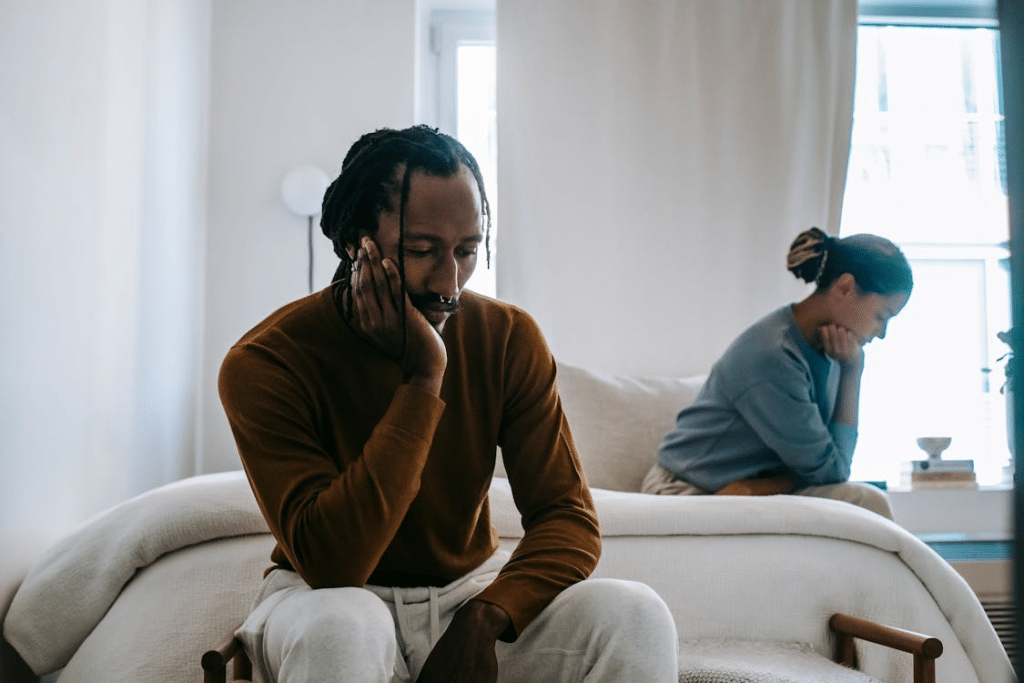
Autopilot is when the relationship continues, but no one is actively nurturing it. Days blur into months, and connection is assumed rather than built. The couple becomes efficient but not intimate. A spouse stops feeling special because nothing is being intentionally protected. Autopilot is common, but it is costly. Love needs attention to stay felt. If the marriage is not guided, it drifts.
Feeling Special Is Built, Not Promised
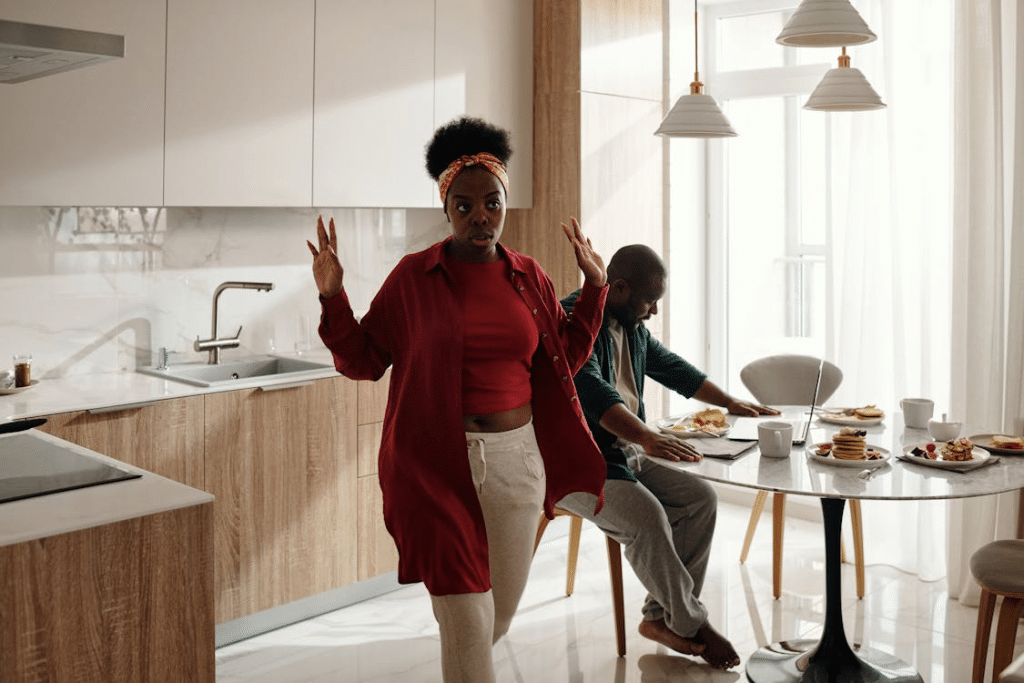
Most spouses do not stop feeling special because they are too demanding. They stop feeling special because attention becomes inconsistent, appreciation becomes rare, and the relationship becomes too functional. The good news is that “special” can return when effort becomes intentional again. Small rituals, appreciation, emotional check-ins, and protected time rebuild the feeling quickly. Marriage is not maintained by a wedding day memory. It is maintained by daily choices that keep someone feeling chosen. Feeling special is not about grand gestures, it is about consistency. When both partners protect that, love feels alive again.








Ask Me Anything