
In many relationships, both people care, but they do not invest at the same level. One person may show love consistently, while the other gives love only when it feels convenient. This imbalance can be hard to admit because it makes the relationship feel unequal. It also creates confusion, because affection can still exist while effort remains one-sided. “Loving harder” is not always about intensity or jealousy. It is often about who keeps choosing the relationship when life gets busy. The signs usually appear in routines, planning, conflict repair, and consideration. These patterns are not meant to shame anyone. They are meant to clarify whether love is being matched.
The Effort Imbalance: Who Keeps the Relationship Moving

Some relationships stay alive because one person keeps it moving. They initiate plans, check in emotionally, and keep connection from dying. The other person may enjoy the relationship but rarely leads anything inside it. Over time, the driver becomes tired and resentful. The passenger becomes comfortable and unaware. This is how “love harder” becomes “carry the relationship.” Carrying feels romantic at first, then exhausting. These signs show who is doing the carrying.
One Person Initiates Nearly Everything

Texts, calls, plans, dates, and deeper conversations often come from one side. The other partner responds, but rarely starts. This creates a subtle power imbalance because the initiator is always reaching. Over time, reaching starts feeling like chasing. Chasing can turn love into anxiety, not closeness. The initiator may test the relationship by pulling back, and contact disappears. That disappearance reveals the dependence on one person’s effort. A balanced relationship has shared initiation. When initiation is one-sided, love is often one-sided too.
One Person Keeps Creating “Us Time”

Quality time does not happen by accident in busy lives. When one partner always sets it up, it signals who values connection more. The other partner may say yes, but rarely makes it happen. Over time, “us time” begins feeling like an appointment instead of a natural desire. The planner starts feeling like a coordinator rather than a partner. This can quietly kill romance because love becomes management. A healthy relationship usually has mutual desire for time together. If time together only exists because one person schedules it, the imbalance is clear.
One Person Pays Attention to Details the Other Ignores

One partner remembers the small things: preferences, stress triggers, upcoming events, and emotional patterns. The other partner forgets or acts surprised repeatedly. Forgetting once is normal. Forgetting consistently sends a message about priority. The attentive partner often feels invisible when their own needs are not noticed. They may also feel like they know their partner deeply while being barely known back. That imbalance creates loneliness inside connection. Love often shows up as attention. When attention is one-sided, investment is one-sided.
One Person Is Always the First to Repair

After tension, one partner reaches out, apologizes, or tries to reconnect. The other partner waits, withdraws, or acts like nothing happened. This trains the relationship into a “repair role” imbalance. The repairer becomes emotionally responsible for peace. The non-repairer becomes comfortable letting distance sit. Over time, the repairer feels like they cannot have pride. Pride becomes a luxury they cannot afford. That dynamic can create quiet resentment and emotional fatigue. Love is not only how people fight. It is how quickly they return.
The Emotional Investment Gap: Who Feels It More Deeply

Sometimes the imbalance is not about romance, but about emotional presence. One partner thinks about the relationship, worries about it, and cares about the emotional climate. The other partner treats it like a stable background that will survive on its own. That difference changes how love feels. One partner feels emotionally responsible. The other feels emotionally relaxed. Relaxation is not always wrong, but it becomes wrong when it equals neglect. These signs show when emotional investment is unequal.
One Person Carries the Anxiety of the Relationship
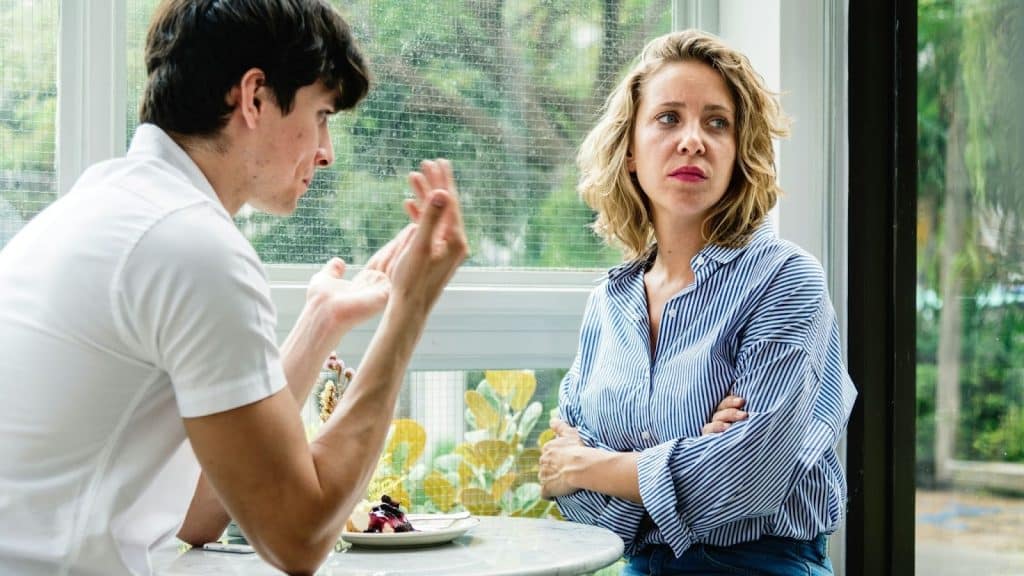
One partner frequently wonders where they stand. They overthink tone shifts, delayed replies, and small changes in effort. The other partner rarely worries about losing the relationship. This can mean one partner is more anxious, but it can also mean one partner is underinvested. The anxious partner often becomes the one who “works harder” to keep closeness. They may accept crumbs just to avoid conflict. That creates a cycle where imbalance becomes normal. Love should not feel like constant uncertainty. If one person is always managing anxiety, they are often loving harder.
One Person Keeps Lowering Expectations to Avoid Disappointment

When effort is not matched, the invested partner often adapts by expecting less. They stop asking for dates, compliments, or consistency because it hurts to be let down. Outwardly, they may look calmer. Internally, they are shrinking their needs. Shrinking needs is not peace; it is self-protection. The other partner may interpret this as “the relationship is easier now.” But easier can mean emptier. This is a major sign of imbalance because it shows one person is sacrificing desire for survival. Over time, the relationship becomes emotionally thin.
One Person Feels Guilty for Wanting More
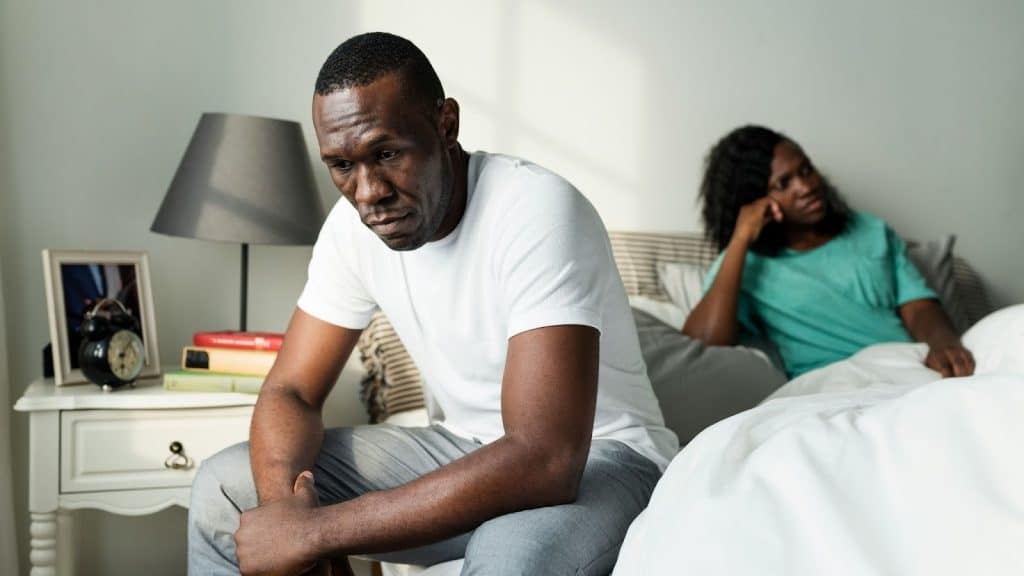
Guilt often shows up when love is not being matched. The invested partner starts thinking their needs are too much. They hesitate to bring things up because they fear being dismissed. They may even apologize for normal requests like time, affection, or effort. This guilt is not always self-created; it can be trained by repeated minimization. When a person feels guilty for having basic needs, the relationship is not balanced. Love should not require self-erasure. The partner who carries guilt is often the one loving harder. The other partner gets comfort without accountability.
One Person Makes Sacrifices the Other Would Not Make

In a balanced relationship, sacrifice goes both ways over time. In an imbalanced one, sacrifice becomes one-directional. One partner rearranges plans, changes habits, or absorbs inconvenience to make the relationship work. The other partner protects their comfort and calls it boundaries. Boundaries are healthy, but comfort disguised as boundaries creates imbalance. Sacrifice also includes emotional sacrifice: holding back feelings, smoothing conflict, and staying patient alone. Over time, the sacrificing partner feels drained. Drained people become resentful or numb. Numbness is often a late-stage warning sign. If sacrifice is one-sided, love is one-sided.
The Priority Test: Who Gets Chosen When Life Gets Busy

The real test of love is not what happens on good weeks. It is what happens when life is stressful. In balanced relationships, both partners still protect connection. In imbalanced relationships, one partner disappears into work, screens, or routines while the other keeps trying. Priority shows up in small behavior: checking in, making time, and keeping promises. If the relationship only matters when it is convenient, one person is doing the choosing. The other person is doing the waiting. Waiting becomes emotional loneliness. Emotional loneliness eventually changes how people love.
One Person Shows Up Consistently, the Other Shows Up When It’s Easy

Consistency is one of the clearest love signals. One partner stays kind and present even during stress. The other becomes distant, irritable, or unavailable whenever life is busy. The consistent partner then does extra emotional work to keep things stable. They become the stabilizer. Being the stabilizer feels strong at first, but it becomes exhausting. The relationship starts feeling like it depends on one person’s mood management. That is not partnership; it is emotional labor imbalance. Love should not require one person to constantly hold the center. If it does, that person loves harder.
One Person Is Proud of the Relationship, the Other Is Neutral

Pride is a subtle sign of emotional investment. One partner speaks positively, includes the other in plans, and shows clear loyalty in public and private. The other partner treats the relationship like background, rarely expressing admiration or appreciation. Neutrality is not cruelty, but it can feel like indifference. Indifference is often more painful than anger because it suggests low value. When one person feels proud and the other feels “whatever,” the imbalance becomes clear. Pride is part of choosing. Neutrality often signals complacency. Complacency can quietly kill love.
One Person Protects the Bond, the Other Exposes It

Protecting the bond includes boundaries with outsiders, respect in public, and private loyalty. In some relationships, one partner guards the relationship’s dignity carefully. The other overshares, flirts for attention, or allows outsiders to cross lines. Even if nothing “big” happens, exposure creates insecurity. The invested partner then becomes hyper-aware and cautious. Caution increases anxiety, which increases imbalance. A protected relationship feels safe. An exposed relationship feels unstable. The person protecting is often the one loving harder. Safety is usually built by the more invested partner.
One Person Keeps Growing for the Relationship, the Other Stays the Same

Growth is not about changing personality. It is about improving habits that damage connection. One partner may actively learn better communication, increase responsibility, and repair patterns. The other stays fixed and expects love to adjust around them. Over time, the growing partner feels alone. They are evolving, but the relationship stays stuck. This creates frustration because effort is not mirrored. A relationship becomes stronger when both people grow. When only one grows, imbalance becomes obvious. The relationship becomes a project, not a partnership. The project-holder loves harder by default.
One Person Would Fight for the Relationship, the Other Would Let It Fade

This is the hardest sign. One partner would take action if things felt off: counseling, conversation, real changes. The other partner avoids effort until the relationship is in crisis. Avoidance is a form of disengagement. Over time, the invested partner stops trusting the future because it feels unsupported. That lack of trust changes attachment. The partner may still love, but they love with less hope. Love without hope becomes endurance. Endurance is not sustainable forever. If one person would fight and the other would fade, the imbalance is real.
One Person’s Love Becomes “Proving,” Not “Sharing”

When love is uneven, the invested partner starts proving instead of sharing. They try to earn attention with effort, patience, and constant giving. The other partner receives love as normal, not as a gift. This creates a painful imbalance where love becomes a performance. Performance love is exhausting and unstable. It also kills self-respect because the person feels replaceable. Love should feel mutual, not earned. When love becomes proving, the relationship has shifted into a chase dynamic. Chase dynamics rarely stay healthy long-term. Mutual love does not require constant proof.
Tips: How to Check If It’s Imbalance or Just Different Styles

Look at behavior over time, not one difficult month. Notice whether effort is mutual across different areas: time, communication, and repair. Watch whether one person always initiates and the other only reacts. Ask whether both people make sacrifices, or only one does. Notice whether problems get addressed or avoided. Different love styles can still be balanced if both invest. Imbalance shows up when one person’s needs are consistently deprioritized. Patterns tell the truth faster than words. Words without matching behavior are not reliable.
Tips: What to Do If the Imbalance Is Real

Start with one honest conversation focused on patterns, not character attacks. Use specific examples: initiation, repair, time, and follow-through. Make one clear request for change that is observable and measurable. Watch consistency over weeks, not days. If effort improves only briefly, the issue may be willingness, not awareness. Avoid over-explaining to someone who is not trying. Boundaries protect self-respect and clarify expectations. A relationship should not require one person to carry it forever. Mutual effort is the minimum for long-term love.
Tips: How to Stop Loving Harder in a Self-Destructive Way

Stop chasing clarity through over-giving. Reduce proving behaviors and focus on self-respect. Keep a full life outside the relationship so love does not become dependency. Avoid monitoring and testing, because it increases anxiety. Choose direct requests rather than silent resentment. If needs are consistently ignored, consider whether the relationship is truly compatible. Loving harder should not mean tolerating neglect. It should not mean shrinking to keep peace. Healthy love requires mutual choosing. If mutual choosing does not exist, self-protection becomes necessary.
Love Should Feel Mutual, Not Like a Constant Chase

One person loving harder can look romantic at first, but it often becomes exhausting over time. The imbalance shows up in initiation, repair, sacrifice, and daily priority. A healthy relationship may have different love styles, but it still has shared effort. If effort and care only flow one way, the relationship becomes fragile. Honest conversation and consistent change can sometimes rebalance things. If willingness is missing, clarity becomes the next step. Relationships do not survive on one person’s hope forever. Love should feel chosen, not negotiated daily. What do you think—are these signs accurate, or are there others that reveal imbalance even faster?








Ask Me Anything