
Inflammation is widely understood as part of the body’s natural response system. In recent years, however, low-grade inflammation has increasingly been associated with everyday lifestyle patterns rather than acute illness or injury. These inflammatory responses often develop gradually, shaped by small, repeated habits that accumulate over time. The effects may influence energy levels, recovery, and overall physical resilience in subtle ways. In many cases, partners, coworkers, or healthcare providers may notice changes before men themselves connect them to inflammation. The following slides examine how routine behaviors may contribute to inflammation levels in men and why the connection is often overlooked.
Inflammation Can Exist Without Injury

Inflammation is commonly linked with visible injury or infection. Low-grade inflammation, however, can exist without obvious warning signs. This quieter form may remain active in the background while daily life continues as usual. Even without sharp pain, it can influence several body systems at once. Because symptoms are subtle, recognition is often delayed. In many cases, inflammatory activity reflects ongoing biological patterns rather than a single event. Understanding this distinction helps explain why some physical changes seem difficult to trace.
The Immune System Stays Active in Daily Life

The immune system constantly observes internal conditions and reacts to changes. Everyday habits can influence how frequently this system stays activated. When activation occurs repeatedly, inflammatory signals may remain higher than expected. This state does not always produce discomfort that is easy to identify. Recovery and regulation can become less efficient under constant stimulation. The response usually reflects repeated exposure rather than isolated triggers. The body is designed to react, but repeated signals can keep that response active.
Daily Stress Sends Physical Signals

Psychological stress produces measurable physical reactions. Stress hormones interact with immune pathways that influence inflammation. When pressure becomes a routine part of daily life, signaling related to inflammation may increase. This process often develops quietly without dramatic symptoms. Physical sensations may appear unrelated to emotional strain. The body tends to respond consistently to repeated stress cues. Overlapping mental and physical signals can make the source difficult to identify.
Sleep Patterns and Inflammatory Balance

Sleep plays an important role in regulating immune activity and tissue repair. Irregular schedules or limited rest can disturb this balance. Inflammatory markers may rise subtly when restorative sleep is inconsistent. Early changes are easy to overlook because fatigue has many possible causes. Restlessness or lighter sleep may appear without a clear explanation. Sleep quality strongly influences how the body maintains internal stability. Consistent rest supports more controlled immune responses.
Sedentary Routines and Low Movement

Low daily movement can influence circulation and immune signaling. Long hours of sitting are common in modern work and leisure settings. Reduced muscle activity may contribute to inflammatory responses within tissues. Because this pattern is widespread, it often feels normal and unremarkable. Mild elevations in inflammatory activity can persist without noticeable discomfort. Activity levels play a steady role in maintaining systemic balance. The body responds differently when movement becomes limited.
Exercise Intensity and Recovery Gaps

Physical activity plays a role in regulating inflammation through circulation and metabolic signaling. However, when exercise intensity increases without sufficient recovery, inflammatory responses may remain elevated. This imbalance often develops gradually rather than immediately after activity. Eventually, the body may have less opportunity to return to baseline levels. Symptoms can feel like persistent soreness, stiffness, or reduced energy. Recovery patterns often shape inflammatory balance as much as activity itself.
Eating Patterns Matter More Than Single Meals

Inflammation is often discussed in relation to specific foods, yet broader eating patterns tend to exert greater influence. Regular reliance on convenience foods may affect immune signaling over time. Irregular meal timing can also disrupt metabolic regulation. These effects usually accumulate gradually rather than appearing after single meals. Physical responses may feel inconsistent or diffuse. Long-term dietary routines shape inflammatory trends more than isolated choices.
Blood Sugar Swings Affect Inflammatory Responses

Repeated blood sugar variability can influence inflammatory pathways throughout the body. Irregular eating schedules may contribute to these fluctuations. As time passes by, immune responses can become more reactive to internal changes. Symptoms often feel nonspecific rather than clearly metabolic. Energy shifts are commonly reported during these periods. Regulation reflects cumulative habits rather than individual eating occasions.
Alcohol Adds Hidden Stress to the Body

Alcohol interacts with both immune and metabolic systems. Regular intake may increase inflammatory signaling even when no immediate effects are felt. Recovery after physical or mental effort can seem slower. The body processes alcohol as a stressor that requires additional regulation. Frequency of exposure often matters more than occasional use. Subtle physiological responses may remain unnoticed for long periods. Repeated intake can shape how the immune system behaves.
Dehydration Strains the Body Quietly
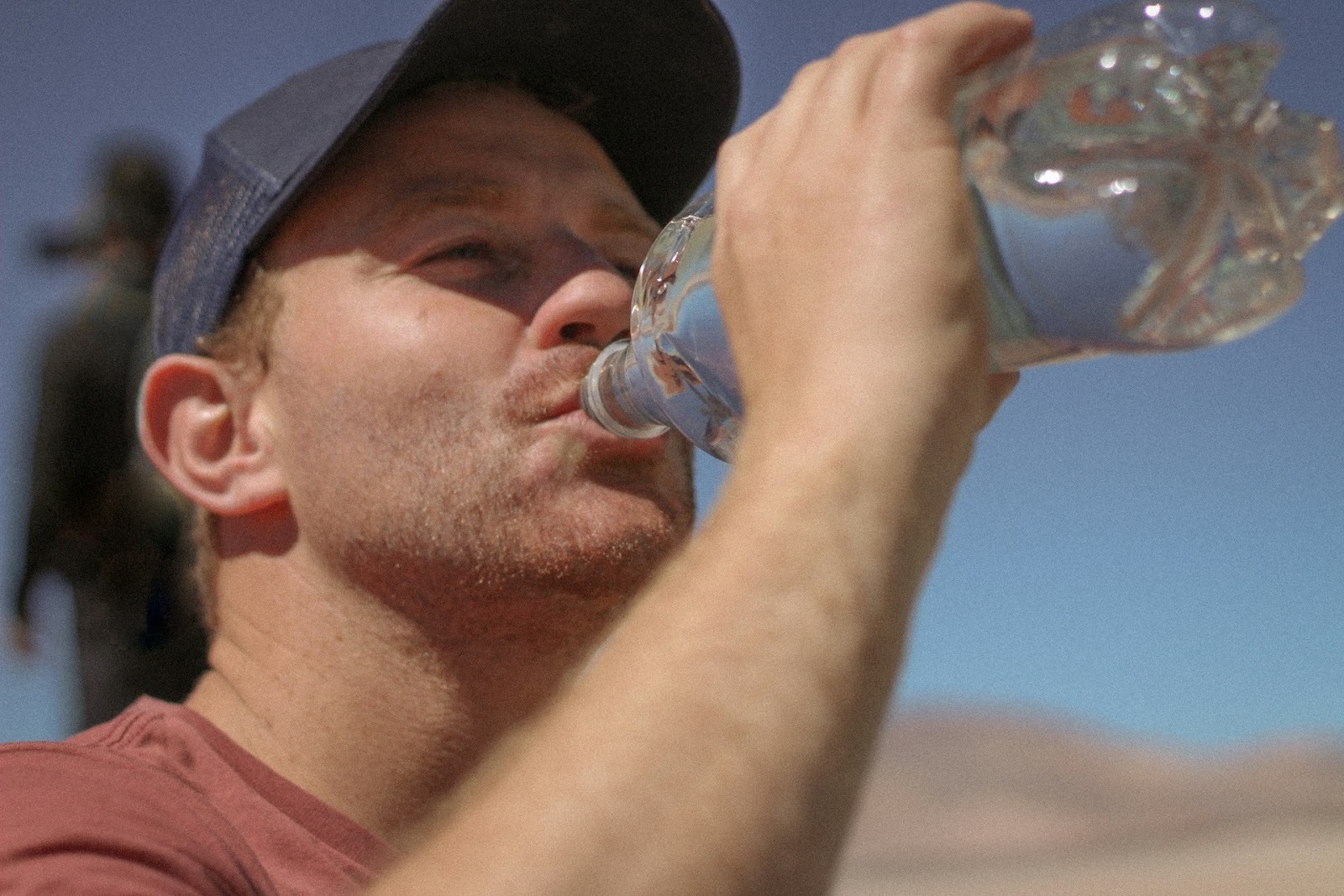
Adequate hydration supports circulation, temperature control, and waste removal. Mild dehydration can place added strain on cells and tissues. This strain may influence inflammatory activity within the body. Early signs are often vague, such as fatigue or reduced concentration. Because these sensations are common, the connection is easy to miss. Daily fluid intake contributes to overall physiological balance. Consistent hydration helps maintain smoother internal function.
Everyday Environment Affects Health Signals

Daily surroundings interact with immune regulation in subtle ways. Air quality, noise levels, and workplace conditions can activate stress pathways. Repeated exposure may keep inflammatory signaling slightly elevated. These influences usually operate without conscious awareness. Physical effects often feel generalized rather than tied to one source. Environment works alongside lifestyle behaviors in shaping health patterns. Routine settings can quietly affect biological responses.
Mental Workload Influences Physical Balance

Sustained mental effort can influence physiological stress responses. Cognitive pressure activates hormonal pathways linked with immune activity. Continued activation may contribute to higher inflammatory signaling. Physical sensations may not clearly reflect a mental origin. Fatigue often feels more cognitive than muscular. Work structure and expectations shape how the body reacts throughout the day. The brain and immune system remain closely connected.
Suppressed Emotions Affect the Body

Some men tend to internalize emotional strain rather than express it openly. Suppressed responses can prolong stress signaling within the body. Continued activation may influence inflammatory processes. Physical symptoms may appear unrelated to emotional experience. The progression is usually subtle and difficult to detect early. Emotional habits can shape physiological outcomes. Internal stress often leaves measurable biological traces.
Body Composition Influences Inflammatory Activity

Body composition influences metabolic activity and immune communication. Gradual increases in body fat may raise inflammatory markers even before visible changes feel significant. These developments often occur without clear boundaries. Early biological effects rarely draw attention. Inflammatory activity can rise prior to noticeable physical differences. Long-term trends in weight and muscle mass guide immune behavior. The body’s internal environment reflects these structural factors.
Gut Health Plays a Central Role

The digestive system plays a central role in regulating immune responses. Lifestyle habits can influence gut balance and barrier integrity. Disruptions in this environment may affect inflammation across multiple systems. Symptoms often vary and appear intermittently. Digestive discomfort may not seem connected to immune activity. The gut communicates continuously with the rest of the body. Daily routines strongly influence this internal ecosystem.
Aging Changes How the Body Recovers

Recovery processes tend to become slower with advancing age. When lifestyle habits remain unchanged, imbalance may appear more easily. Inflammatory activity can rise gradually rather than through sudden spikes. These developments are often attributed only to aging. Daily behaviors continue to play a meaningful role. The body’s ability to restore equilibrium depends on both age and routine. Longstanding patterns shape recovery efficiency.
Symptoms Often Feel General and Unclear
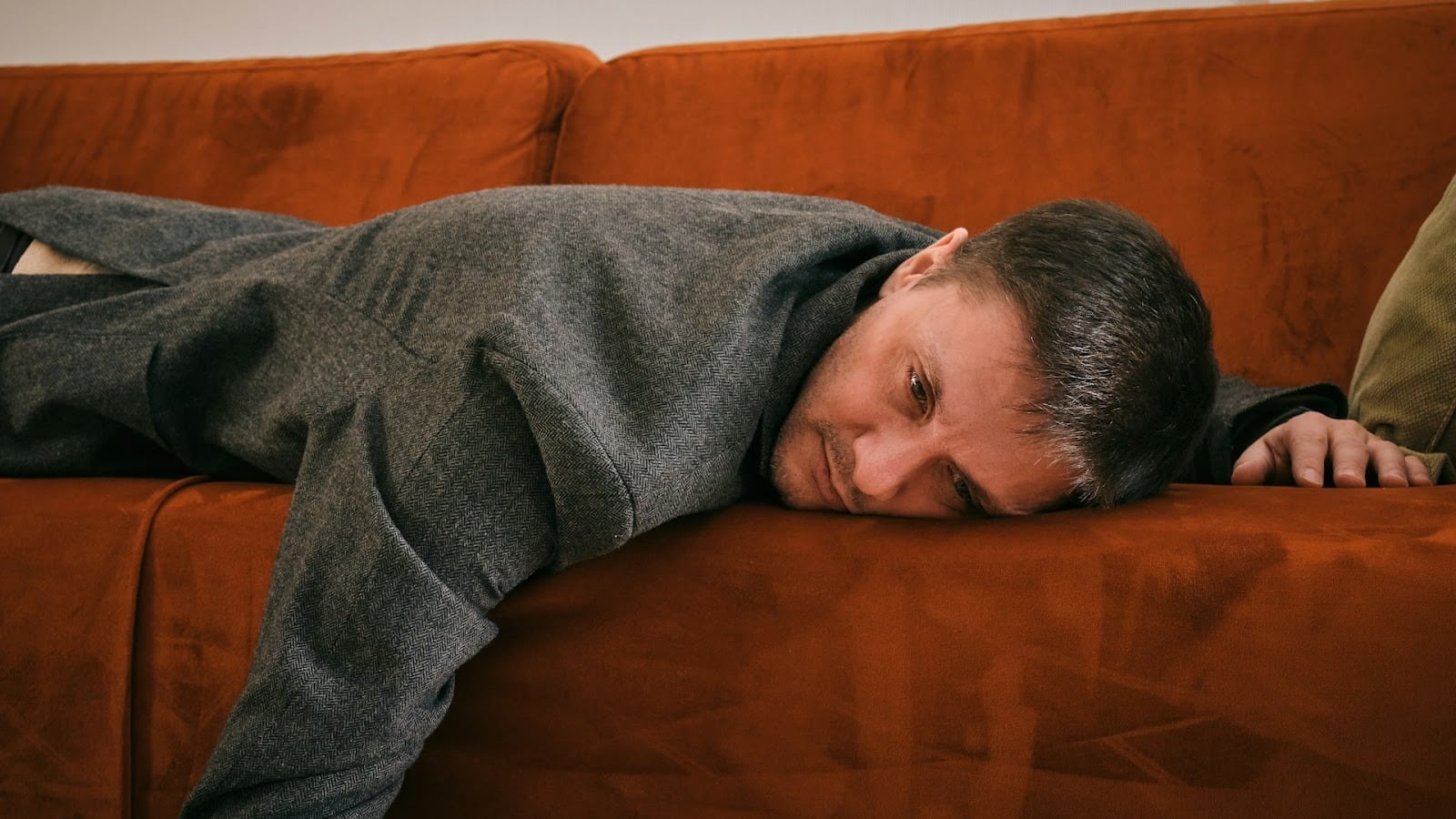
Low-grade inflammation rarely produces clear or localized signs. Physical sensations may feel general, such as stiffness or reduced energy. These experiences can appear intermittently and fade without explanation. Lack of specificity makes recognition more difficult. Many people attribute these feelings to busy schedules. Inflammatory activity often remains in the background. Subtle signals are easy to dismiss.
Others May Notice Changes First

Friends, partners, or coworkers may observe changes earlier than the individual. Reduced stamina or slower recovery can be visible from the outside. These observations sometimes come before personal awareness develops. Repeated feedback can highlight consistent patterns. Recognition usually builds gradually through shared experiences. External perspective provides useful context. Social environments often reveal trends that feel normal internally.
Lifestyle Patterns Are Easy to Overlook
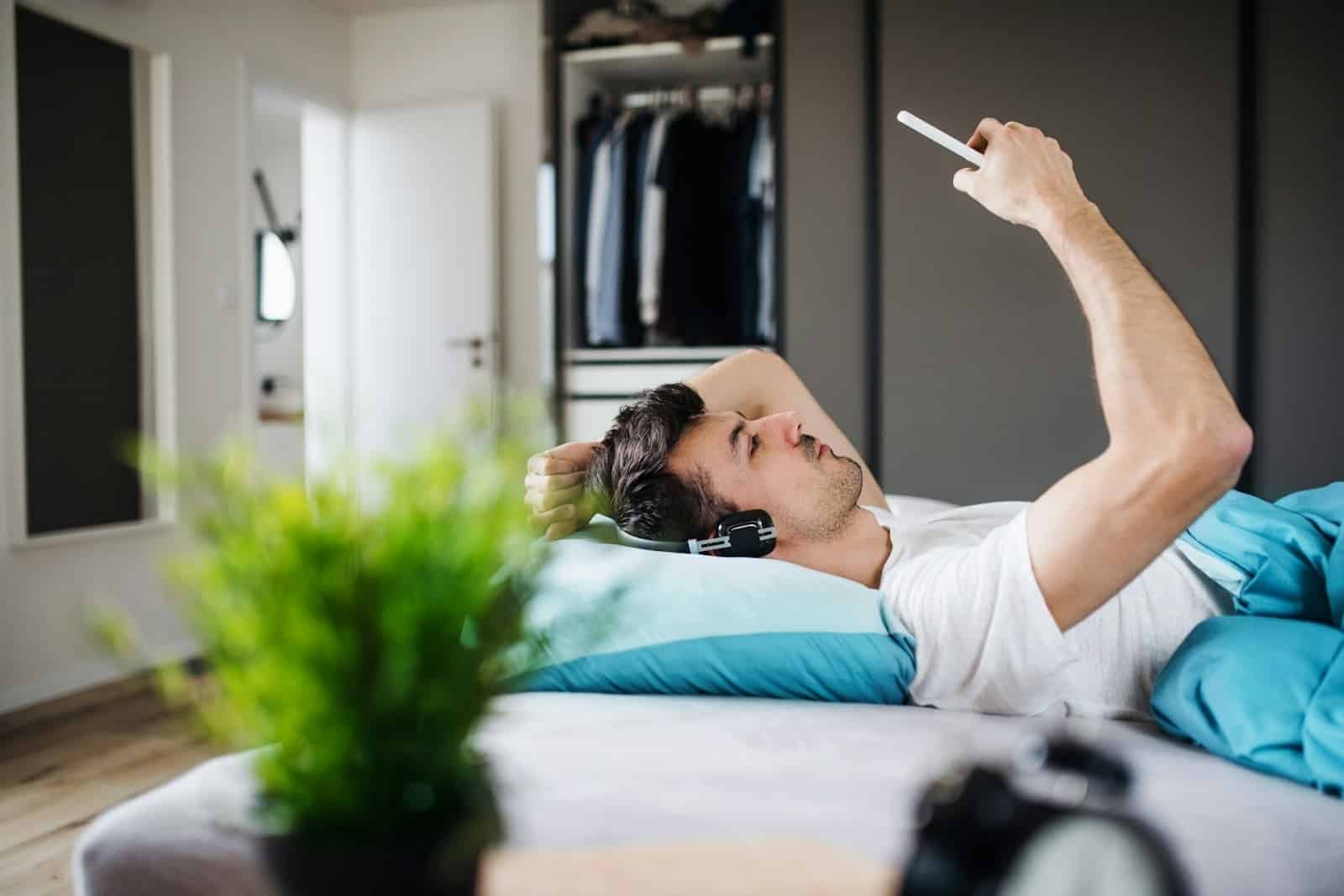
Lifestyle-related inflammation develops across many daily routines. No single habit typically stands out as the main cause. Effects build through repeated exposure to similar conditions. This gradual progression makes connections difficult to identify. Physical changes may feel unexplained or unrelated. Patterns matter more than isolated behaviors. Understanding broader routines helps clarify the source.
Inflammation Builds Through Daily Habits

Inflammation often reflects cumulative lifestyle exposure rather than sudden triggers. Small habits interact continuously within the body’s regulatory systems. This steady buildup helps explain why inflammation can persist without a clear cause. Symptoms may appear mild, inconsistent, or diffuse. Viewing inflammation through a broader lens clarifies its long-term nature. Daily behaviors collectively shape internal balance. Recognizing these patterns supports better awareness of how routine life influences health.








Ask Me Anything