
You can spend seven years with someone and still not know if you’re ready to marry her.
Time feels like proof. Shared history feels like safety. But neither one automatically builds a solid marriage.
Plenty of couples date for years and thrive. Plenty of others coast for years, assume that’s enough, then hit turbulence as soon as the ring goes on. The length of the relationship isn’t the deciding factor. What you did with that time is.
Comfort Turns Into Complacency

When you’ve been together for years, effort starts to feel optional. You stop planning real dates. You assume attraction will maintain itself. You lean on routine and call it stability. Comfort is good, but complacency is quiet. It shows up in small ways, like not asking deeper questions anymore or letting physical and emotional effort slide. Marriage magnifies whatever patterns already exist. If you’ve been coasting for years, that doesn’t suddenly change after the wedding.
You Grew, Just Not in the Same Direction

Five years ago, you might have wanted the same things. Now your priorities may not line up as cleanly. Career ambitions shift. Health matters more. Kids become real instead of abstract. One of you wants a quieter life while the other is still chasing expansion. Long dating can hide that drift because there’s no deadline forcing hard conversations. Marriage forces alignment. If you haven’t revisited goals recently, time together won’t fix that gap.
Red Flags Got Rebranded as “Just How They Are”
When something bothers you early on, it’s easier to brush it off. You tell yourself nobody’s perfect. After years together, those same traits feel baked in. Disrespect, avoidance, poor financial habits, short tempers. The longer you stay, the harder it feels to admit you ignored something serious. Marriage doesn’t soften those edges. It locks them in. If you’ve been tolerating behavior instead of addressing it, the ceremony won’t transform it.
Familiarity Feels Like Compatibility

Knowing her coffee order, her childhood stories, her family drama. That feels like deep compatibility. But familiarity isn’t the same as alignment under pressure. Have you made major financial decisions together? Navigated a job loss? Talked through parenting styles in detail? Long dating can create a false sense that you’ve “seen it all” when you haven’t faced the harder chapters yet. Marriage introduces new stressors. Familiarity alone won’t carry you through them.
Intimacy Quietly Slowed Down

Passion often peaks early and then levels out. That’s normal. What isn’t normal is pretending it doesn’t matter. Some couples notice that once engagement becomes real, physical effort drops. The assumption is that commitment equals security, so desire becomes less urgent. If intimacy has already cooled and neither of you is addressing it, marriage won’t magically reignite it. It usually requires more intention, not less.
Family Dynamics Were Underestimated
Dating allows distance from family tension. Marriage tends to close that distance. In-laws become more involved. Boundaries get tested. Expectations shift. You might have tolerated certain dynamics while dating because you could step away. After marriage, those dynamics can feel permanent. If you haven’t talked clearly about boundaries, loyalty, and how decisions get made, long dating won’t protect you from family friction.
Money Conversations Stayed Surface Level

During dating, finances often stay separate enough to avoid real conflict. You split dinners. Maybe share a vacation. That’s different from merging budgets, debt, savings goals, and spending habits. One person’s relaxed attitude about money can collide hard with the other’s discipline. Years of dating don’t automatically mean financial alignment. If you haven’t laid everything out clearly, marriage turns assumptions into arguments.
Marriage Was Treated Like a Milestone, Not a Decision
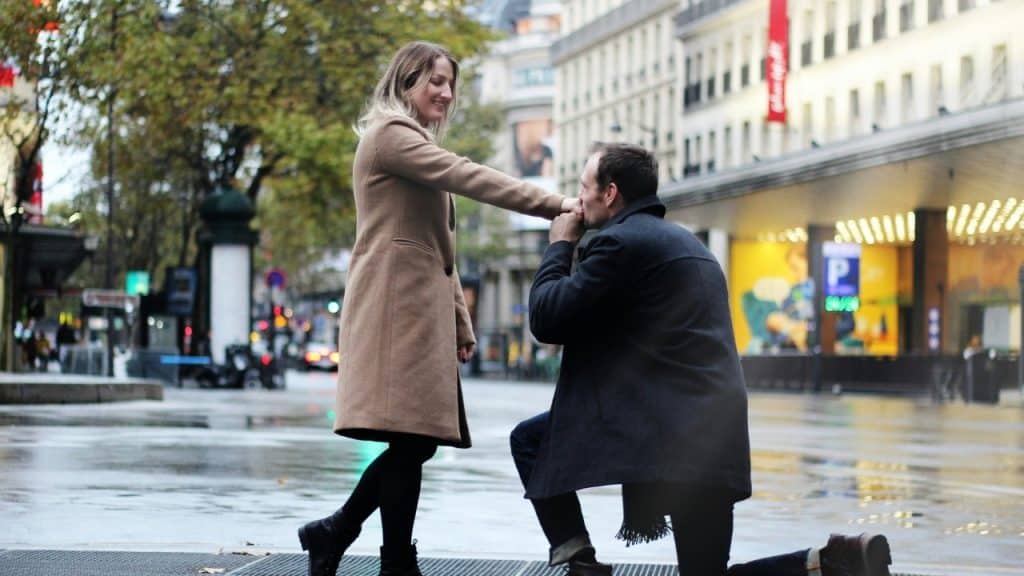
After a long time together, marriage can feel like the “next logical step.” Not because you evaluated everything carefully, but because it’s been long enough. Friends are asking. Family is hinting. It feels overdue. That pressure can blur judgment. Marriage shouldn’t be a box you check to justify the years invested. It should be a deliberate choice about the next thirty years.
Conflict Was Avoided Instead of Resolved

Some couples pride themselves on “never fighting.” Often that means someone is swallowing frustration. Dating allows more space. You can retreat to separate apartments or busy schedules. Marriage compresses everything. If you haven’t learned how to argue well, apologize well, and recover well, the unresolved tension accumulates. Time together doesn’t guarantee you’ve built real conflict skills.
You Stopped Growing as Individuals

Long relationships can create a subtle stagnation. You settle into roles. You stop pushing yourself physically or professionally. You assume you’ve already “won” because you’re chosen. Over time, one partner may start evolving faster than the other. That imbalance breeds resentment. A strong marriage requires two people who are still developing, not two people frozen in the version they were when they first met.
Big Life Questions Were Deferred
Kids. Where to live. Career sacrifices. Care for aging parents. These aren’t light topics, so couples often delay them. Long dating can create the illusion that there’s still time to decide. But marriage forces decisions. If one of you has been quietly hoping the other will change their mind about something major, that tension doesn’t disappear at the altar. It surfaces later, louder.
Doubt Was Managed, Not Solved
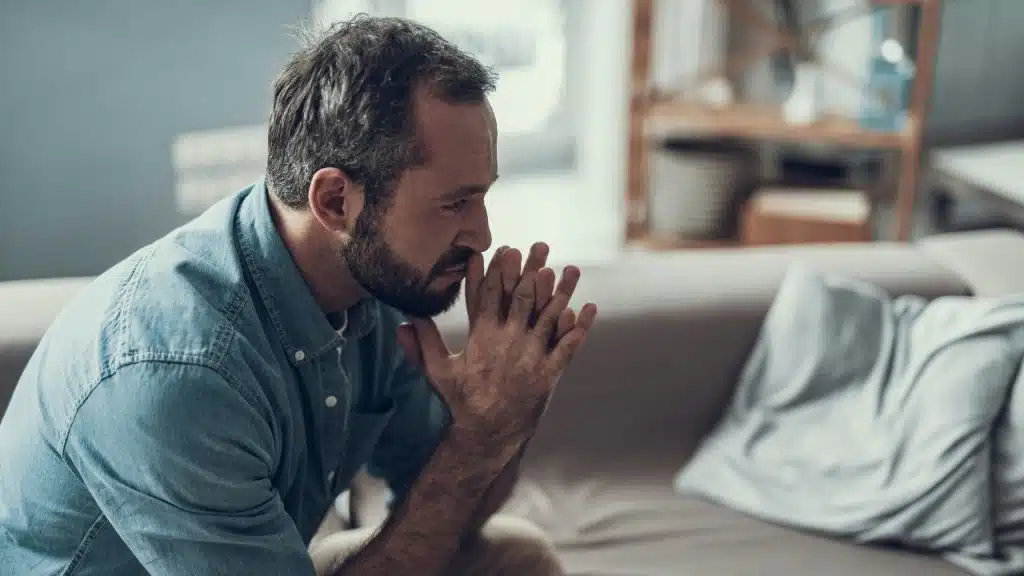
Sometimes extended dating is a sign of deep commitment. Sometimes it’s a sign that someone isn’t fully sure. That uncertainty might show up as procrastinating on proposals or avoiding timeline conversations. Instead of confronting it, you both settle into the comfort of what you already have. Marriage doesn’t erase doubt. If anything, it intensifies it. Honest clarity is uncomfortable, but avoiding it costs more in the long run.
The Relationship Survived Youth, Not Real Adulthood

Dating in your twenties is different from marriage in your forties. Early years are often lighter. Fewer responsibilities. More flexibility. A couple can look solid under those conditions and still struggle when careers peak, kids arrive, and energy dips. Longevity in easy seasons doesn’t automatically translate to resilience in demanding ones. The test changes as life changes.
You Mistook Endurance for Strength
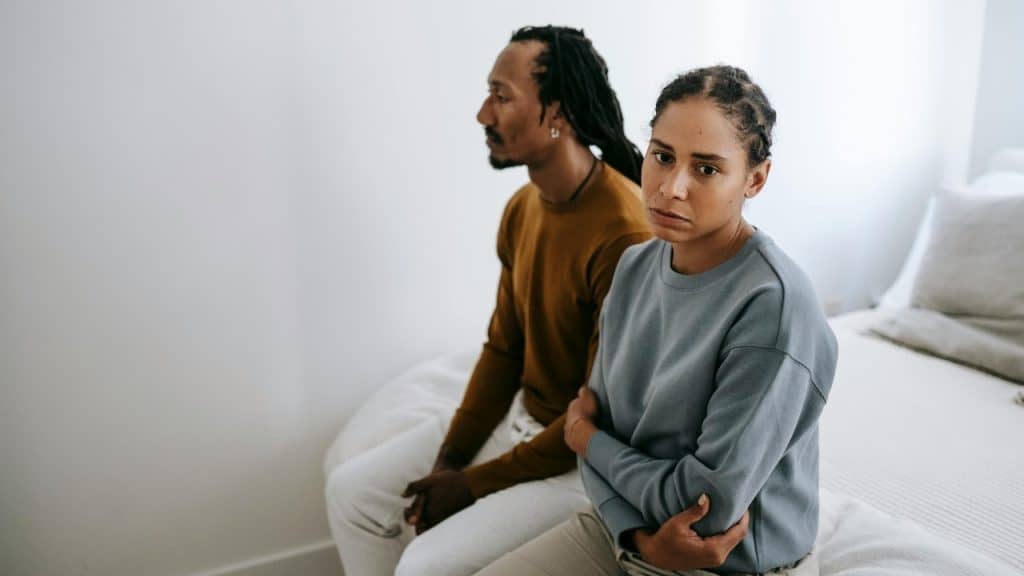
Staying together through time can feel like proof of strength. Sometimes it is. Other times it’s just endurance. You stuck it out because leaving felt harder than staying. You invested so much that walking away felt like failure. Marriage built on endurance alone can feel heavy. Real strength comes from alignment, respect, attraction, and shared direction. Time doesn’t create those by default.
The Wedding Felt Like the Reward

After years of dating, the wedding can feel like the payoff. The celebration. The validation. The finish line. But marriage isn’t a reward for surviving long dating. It’s the beginning of a new structure with new expectations. If the relationship was already strained, tired, or unclear, the ceremony won’t upgrade it. It simply formalizes what’s already there.








Ask Me Anything