
Some relationships do not feel bad enough to end, but they also do not feel good enough to fully commit to. The middle zone creates confusion because nothing is clearly “wrong,” yet something consistently feels off. Staying feels easier than leaving, and leaving feels too dramatic compared to the day-to-day reality. Over time, comfort replaces connection and routine replaces real intimacy. This is how people lose years without making a decision. The signs below describe the pattern of being stuck, not a final verdict. Clarity starts when the middle is treated as a real problem.
Most Days Feel “Fine,” but “Fine” Feels Like a Letdown

There is no constant fighting, no major betrayal, and no obvious crisis. The issue is that the relationship rarely feels fulfilling. “Fine” becomes the highest rating instead of an occasional dip. Conversations are functional, affection is inconsistent, and excitement feels rare. The relationship works on paper but not in the body. This creates quiet disappointment that is hard to explain. A person does not leave because it seems irrational, but staying also feels emotionally expensive.
The Thought of Leaving Brings Relief, Not Just Fear

When imagining a breakup, the first feeling is not grief, it is calm. There may still be fear of change, loneliness, or regret, but relief stands out. Relief is often a signal that the relationship has become emotionally heavy. It can mean constant tension, unmet needs, or suppressed truth. If the mind repeatedly returns to the idea of being free, something is being tolerated too long. Love can exist, but so can exhaustion. Relief is not proof to leave, but it is proof something needs addressing.
The Relationship Requires Constant Self-Soothing

Instead of feeling safe and supported, there is frequent internal coaching to “be patient” and “be grateful.” The relationship is managed like a stress problem, not lived like a bond. Self-soothing becomes the main coping tool because comfort is not consistently available. This often shows up as overthinking after small interactions. A stable relationship should reduce anxiety, not require constant emotional recovery. When self-soothing becomes routine, it usually means needs are repeatedly unmet. The relationship is not destroying life, but it is draining it.
Small Problems Keep Returning With New Names

The arguments change topics, but the feeling stays the same. The core issue is never fully repaired, so it keeps resurfacing. One month it is communication, the next month it is effort, then it becomes intimacy, then it becomes respect. Nothing explodes, but nothing heals either. This creates a loop where both people feel tired of “talking about it.” Over time, hope shrinks because patterns feel permanent. The relationship becomes a cycle of temporary peace and familiar disappointment.
Affection Feels Conditional or Inconsistent

Warmth appears when things are going well and disappears when stress hits. That inconsistency creates emotional insecurity. It becomes unclear whether love is stable or dependent on mood. A partner may not be cruel, but emotional availability feels unpredictable. This forces the other person to walk carefully to keep the peace. Over time, this reduces closeness and increases guarded behaviour. When affection is inconsistent, staying feels safer than reaching.
The Best Parts Are Mostly Memories

The relationship’s highlights feel like they happened earlier. The current version feels quieter, flatter, and less connected. There may still be good moments, but they feel rare or forced. Nostalgia becomes a coping tool to justify staying. This is especially common when a couple built strong history together. History can be meaningful, but it can also trap people in a past version that no longer exists. When the best part is the past, the present starts feeling like waiting.
There Is More Avoidance Than Anticipation

Instead of looking forward to time together, there is hesitation. Plans feel like obligations rather than excitement. Conversations are delayed, issues are avoided, and vulnerability feels inconvenient. Even intimacy can feel like something to manage instead of enjoy. Avoidance is not always hatred, it is often emotional fatigue. This makes leaving feel too extreme because there is no dramatic conflict. Yet staying feels like slowly shrinking. When anticipation disappears, the relationship begins to feel like maintenance.
Effort Feels Uneven, but It Is Hard to Prove

One person often initiates, plans, repairs, and keeps the connection alive. The other participates, but rarely leads. The imbalance is subtle enough to be denied, but consistent enough to be felt. This creates a quiet resentment that builds slowly. The person carrying the relationship feels alone even while partnered. The person not carrying it may feel unfairly criticized. Uneven effort is one of the most common reasons people get stuck. It is not “bad enough” to leave, but it is “too heavy” to stay.
The Relationship Looks Better to Others Than It Feels to You

Outsiders see stability, not emotional reality. Friends and family might admire the relationship, which makes leaving feel selfish or confusing. This creates pressure to stay because validation comes from the outside. Meanwhile, the internal experience includes loneliness, frustration, or numbness. The gap between image and reality creates guilt. It becomes harder to trust personal feelings when everyone else approves. Many people stay in the middle because the relationship is socially successful. Emotional success is a different standard.
Needs Are Mentioned, But Rarely Changed

There may be conversations about what is missing, but the pattern stays the same. Promises come, then routines return. This creates emotional whiplash: hope rises, then disappointment lands again. Over time, asking starts feeling embarrassing or pointless. The person who asks feels needy, and the person who promises feels pressured. Neither is the full truth, but the dynamic becomes fixed. When needs are repeatedly stated without change, staying becomes endurance. The relationship is not exploding, but it is quietly eroding.
The Future Feels Vague or Avoided

Long-term conversations feel uncomfortable or get postponed. Plans stay short-term because deeper alignment is uncertain. One person might want clarity while the other prefers to “see how it goes.” That creates a slow anxiety about wasted time. The relationship becomes a waiting room instead of a direction. Even if love exists, commitment begins to feel risky. People rarely leave because they are miserable every day. Many leave because the future stays blurry for too long.
Emotional Loneliness Exists Even Without Conflict

There may be peace, but there is also a lack of closeness. The relationship functions, but it does not nourish. Conversations stay surface-level and emotional support feels limited. This creates a quiet loneliness that is easy to hide and hard to explain. Many people assume loneliness only happens when someone is single. Loneliness inside a relationship can be worse because it feels like being unseen. It is not a dramatic pain, it is a steady ache. That ache keeps people stuck.
Small Acts of Care Feel Like Surprises Instead of Normal

When kindness feels rare, it becomes memorable. A simple thoughtful act feels unusually good because it does not happen often. This can create confusion, because the relationship does have good moments. The problem is that good moments are not consistent enough to build security. A relationship should not rely on occasional highs to compensate for long lows. When care feels like a surprise, the baseline may be too low. Staying becomes about chasing small peaks. Leaving becomes hard because those peaks still matter.
There Is Constant “Almost” Energy

The relationship often feels like it is close to being great. It is almost stable enough, almost affectionate enough, almost aligned enough. This “almost” creates hope that keeps people staying. The issue is that “almost” can last for years. Potential becomes a trap when growth does not actually happen. People stay because they can see what the relationship could be. They leave when they accept what it currently is. The middle zone is fueled by “almost.”
Staying Is About Comfort, Not Choice
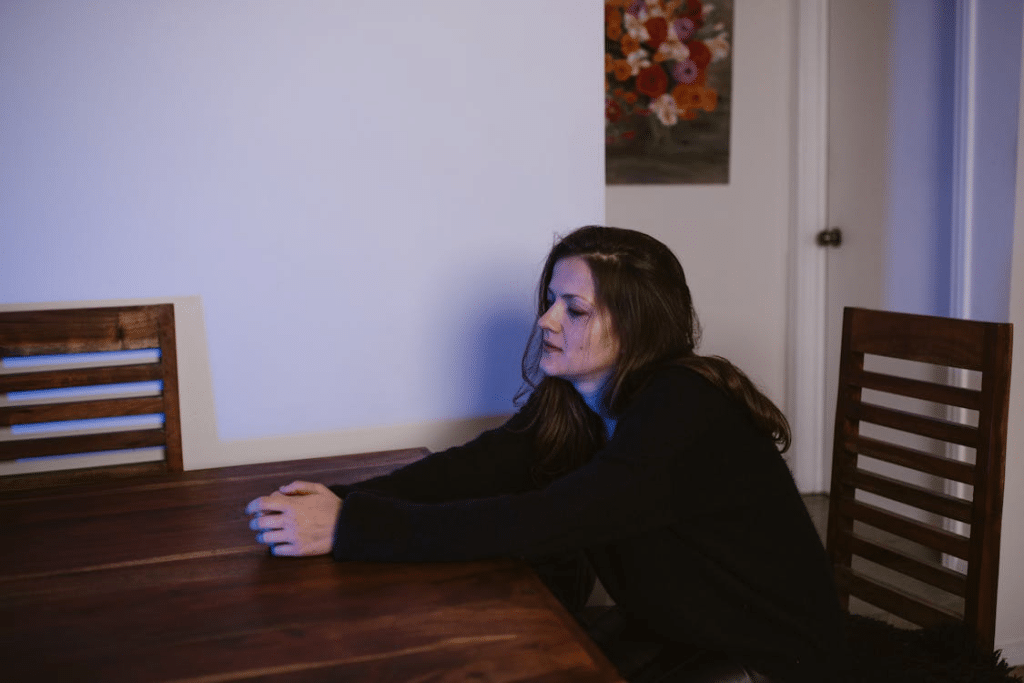
The relationship feels familiar and convenient, even if it is not fulfilling. Routine becomes a substitute for connection. Leaving would mean rebuilding life, habits, and identity. That effort feels overwhelming, so staying feels practical. Comfort is not always bad, but it becomes dangerous when it replaces genuine desire. Staying should feel like a decision, not a default. When comfort is the main reason, resentment often follows. Many people do not leave because they are scared, not because they are happy.
The Relationship Requires Shrinking to Avoid Conflict

Honesty feels risky because it might trigger defensiveness or tension. Needs get edited, feelings get minimized, and topics get avoided. This creates a smaller version of the self inside the relationship. The relationship stays calm, but only because truth is filtered. Over time, self-silencing creates emotional distance and frustration. A person can love their partner and still feel trapped by the need to stay quiet. Shrinking is not peace, it is survival. Staying becomes emotionally expensive.
The Idea of Starting Over Feels Hard, But So Does Staying Forever

Leaving feels scary because it means uncertainty. Staying feels scary because it means accepting the current reality long-term. This is the clearest sign of being stuck in the middle. The relationship is not clearly wrong, but it also does not feel like a confident “yes.” People often wait for a breaking point to choose for them. The problem is that waiting can create more regret than leaving. The fear of change keeps the relationship going, not the joy of it. When forever feels heavy, something needs to shift.
The Middle Zone Often Comes From Avoiding One Hard Conversation

Many people stay stuck because they avoid asking direct questions about commitment, effort, and emotional needs. The relationship remains ambiguous, so no decision is forced. Ambiguity feels safer short-term, but it creates long-term anxiety. One honest conversation can clarify whether the relationship can improve or whether it is simply being tolerated. Without clarity, both people keep guessing and adjusting instead of building. The middle zone is often less about love and more about fear. Fear of loss, fear of regret, and fear of being alone. Clarity reduces fear, even when the answer is painful.
Being “Not Unhappy Enough” Can Still Cost Years

A relationship does not need to be toxic to be wrong. Many people leave not because they are suffering daily, but because they are slowly disappearing emotionally. The middle zone feels safe because it avoids dramatic pain, but it can create quiet regret. The goal is not to find a reason to blame someone. The goal is to tell the truth about the relationship’s real quality. If needs are unmet, effort is uneven, and the future feels unclear, staying should not be automatic. The healthiest decision comes from clarity, not from waiting for a crisis. A strong relationship should feel like a clear choice, not a slow compromise.








Ask Me Anything