
Trust doesn’t usually explode into a relationship in one dramatic moment. It builds quietly, in small exchanges most people overlook. The way you respond to disappointment. The way you handle being wrong. The way you show up when it’s inconvenient. If you’ve ever wondered why some people instantly feel safe while others keep everyone guarded, it comes down to emotional habits—not charm, not status, not grand gestures.
The good news? Emotional habits are learnable. And when practiced consistently, they create a sense of safety that makes people relax, open up, and lean in. Here are 18 powerful habits that build trust faster than most people realize.
Say What You Mean (Without Playing Games)

Nothing erodes trust faster than mixed signals. When you hint, test, or expect someone to read between the lines, you create uncertainty—and uncertainty kills emotional safety. Clear communication is attractive because it reduces anxiety. If you’re upset, say it calmly. If you like someone, say it directly. If you can’t make it, don’t invent excuses. People trust those whose words match their intentions. The more predictable your communication style becomes, the more secure others feel around you.
Follow Through on Small Promises

Trust isn’t built on huge declarations; it’s built on whether you call when you said you would. When you consistently follow through on minor commitments, you signal reliability. And reliability creates psychological safety. If you’re unsure you can do something, don’t overpromise—undercommit and overdeliver instead. The person who keeps small promises earns the right to be trusted with bigger ones.
Admit When You’re Wrong Quickly

Defensiveness delays trust. Owning a mistake accelerates it. When you say, “You’re right—I handled that poorly,” you demonstrate emotional maturity. People don’t expect perfection; they expect accountability. The faster you can acknowledge your missteps without excuses, the faster tension dissolves. Accountability tells the other person they won’t have to fight to be heard.
Stay Calm During Conflict

Anyone can be kind when things are easy. The real test of trust is how you behave when emotions run high. If you raise your voice, shut down, or attack, people learn they aren’t safe disagreeing with you. But if you regulate yourself—pause, breathe, and respond thoughtfully—you show that conflict won’t cost them connection. Calm responses signal strength, not weakness.
Validate Before You Problem-Solve

When someone shares a struggle, resist the urge to fix it immediately. Most people want understanding before advice. Try saying, “That makes sense you’d feel that way,” before offering solutions. Validation communicates that their emotions are legitimate. Once someone feels heard, they’re far more open to guidance. Skipping this step makes people feel dismissed.
Be Consistent in Mood and Energy

Emotional unpredictability keeps people on edge. If your warmth depends on your stress level, others will start walking on eggshells. Consistency doesn’t mean you can’t have bad days—it means you manage them responsibly. Let people know if you’re stressed instead of snapping. Steady emotional energy creates an environment where people can relax.
Share Gradually, Not All at Once

Oversharing can feel like emotional dumping. Undersharing feels guarded. The sweet spot is gradual vulnerability. Reveal pieces of yourself over time and allow reciprocity. This creates balance instead of pressure. Trust grows when emotional exposure feels mutual and paced, not rushed.
Respect Boundaries Without Taking Them Personally

If someone says they need space, don’t interpret it as rejection. Respecting boundaries shows security. When you react defensively or guilt-trip someone, you turn their need into a threat. Instead, respond with understanding: “I appreciate you telling me.” That reaction builds enormous trust because it signals emotional safety.
Keep Private Things Private

If someone confides in you, treat that information like it’s sacred. Casual gossip—even harmless-seeming—chips away at credibility. People notice how you speak about others. If you protect confidences consistently, others will trust you with deeper parts of themselves. Integrity is visible long before it’s tested directly.
Ask Better Questions

Surface-level questions create surface-level connection. Thoughtful questions build depth quickly. Instead of “How was your day?” try “What part of today drained you the most?” or “What’s been on your mind lately?” Intentional curiosity shows investment. When someone feels genuinely known, trust accelerates.
Repair Quickly After Tension

Even strong relationships experience friction. What matters most is repair speed. If something feels off, address it within a reasonable time frame. A simple “Can we clear the air?” prevents resentment from hardening. The faster you prioritize repair, the more secure the relationship feels.
Express Appreciation Specifically
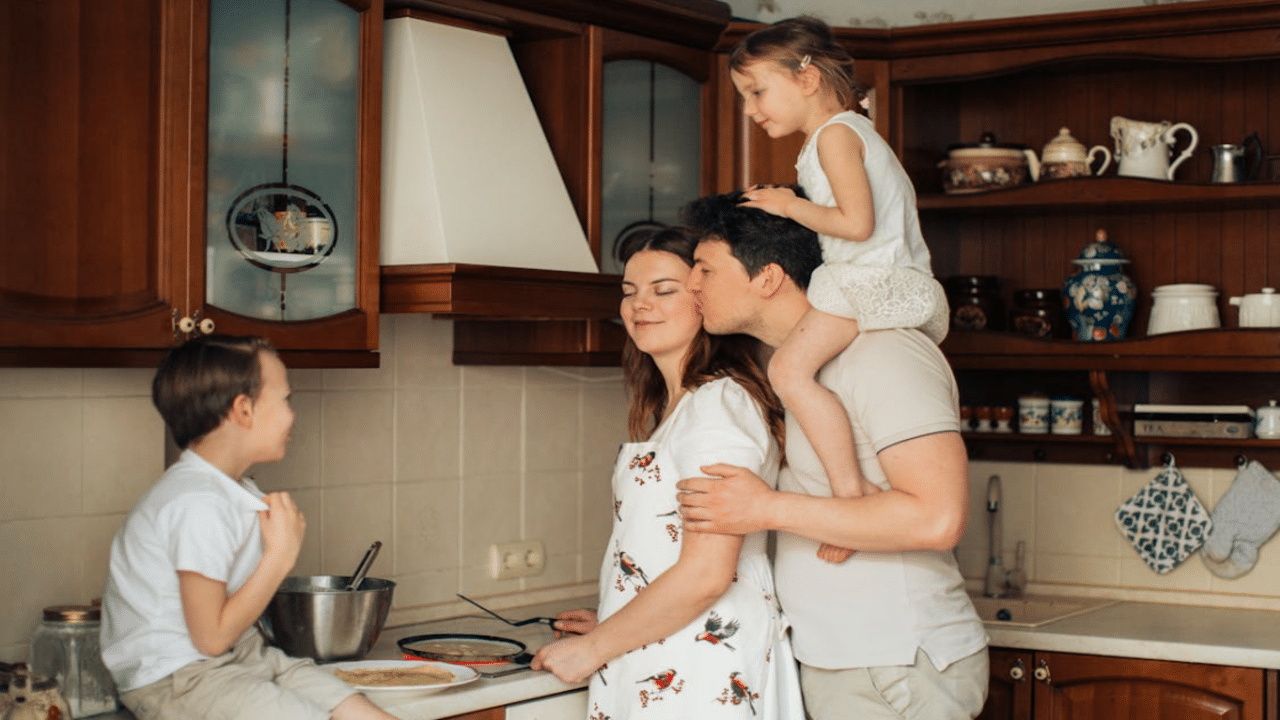
Generic praise is nice. Specific appreciation builds trust. Saying “I admire how patient you were with that situation” feels more authentic than “You’re great.” Detailed appreciation shows you’re paying attention. And people trust those who truly see them.
Avoid Weaponizing Vulnerability

If someone opens up about a fear or insecurity, never use it during an argument. Weaponized vulnerability destroys trust instantly. Even subtle jabs can create long-term damage. Demonstrating restraint during conflict proves that emotional intimacy won’t be used against them.
Own Your Emotional Triggers

Blaming others for every emotional reaction keeps you stuck in victim mode. Instead, learn your patterns. If you’re sensitive to criticism or abandonment, acknowledge it. Saying, “I think this hit an old nerve for me,” shows self-awareness. Self-aware people feel safer because they don’t outsource responsibility for their emotions.
Show Up When It’s Inconvenient

Trust deepens when you show up during hard moments—not just fun ones. Whether it’s helping someone move, sitting through a tough day, or checking in when they’re sick, inconvenience is the true test of loyalty. Grand gestures are impressive, but quiet reliability is unforgettable.
Be Honest Without Being Harsh

Truth builds trust, but delivery matters. Brutal honesty is often disguised aggression. You can be direct and kind at the same time. Frame feedback in a way that protects dignity. People trust those who tell the truth while still preserving respect.
Match Words With Behavior

Saying “I care about you” means little if your actions don’t reflect it. Consistency between speech and behavior eliminates doubt. If you value communication, initiate it. If you value loyalty, demonstrate it. Alignment between words and actions is one of the fastest trust accelerators there is.
Give People the Benefit of the Doubt

Suspicion suffocates trust before it can grow. When you assume the worst, you create defensiveness. Instead, ask clarifying questions before jumping to conclusions. Choosing generosity in interpretation signals emotional security. People relax around those who don’t constantly assume bad intent—and relaxation is the soil where trust grows fastest.








Ask Me Anything