
The dawn of the 21st century has brought about debates about evolving gender roles, cultural expectations, and changing emotional needs. The confusion and uncertainty that these conversations have created have led many men to feel judged, criticized, or even underappreciated by not just society but also their own spouse. The reality, however, is that this complexity goes deeper than the shift in societal trends. Here are some valid and common reasons some men feel bad about themselves in modern relationships. An understanding of which can help strengthen the emotional connection and establish positive communication.
Changing Gender Expectations Create Tension

Traditional gender roles and expectations are changing with time. Men were considered the saviors, the providers, and the fixers in the past, but now there is a blurred line between what is expected of both genders, which leads to feelings of inadequacy and uncertainty about their contribution in a relationship.
Comparison Pressures Are Intensified by Culture

Comparison is the killer of any relationship’s joy. The constant social media posts about happy couples, celebrity profiles, and Instagram influencer couples set an unrealistically high standard for romance and love for men. This makes men feel judged and they feel no matter what they do, they can never be enough.
Benevolent Bias Toward Women Shapes Perceptions

Studies have proven a general attitude of bias when associating good traits; most people find women to be the kinder, more understanding, and more empathetic gender. This unfair stereotyping can make men feel awful about themselves; no matter how good they are, they can never come close to women.
Criticism from Partners Can Hurt Identity

Criticism, even if the intention behind it is to repair what needs fixing, may not always land softly on the recipient. Men may take it as an insult to their intelligence, decision-making power, or leadership skills. Overcorrection and that too so frequently, can shatter a man’s self-confidence in his own abilities.
Communication Norms Don’t Always Align

Men and women are built differently; their thinking styles and problem-solving approaches differ. Men feel bad when their partner keeps complaining and nagging and doesn’t let go of the past. They want to resolve issues and move on instead of whining about the same stuff over and over again.
Social Pressure to Avoid Vulnerability

For centuries men have held onto the belief that real men don’t cry, and real men can’t fear. This makes most men lonely when it comes to trusting someone with their thoughts, insecurities, fears, and feelings. They just don’t want to appear weak, even if it takes a toll on their mental health.
Social Roles Evolve Faster Than Expectations

The modern era may seemingly be all about gender equality, but the truth is that some cultural and traditional practices and expectations still persist in modern relationship dynamics. Men may be confused about what to do and what not to do.
Some Men Struggle With Emotional Labor Roles

The emotional load of a relationship must be equally shared between both partners, but most of the men out there haven’t been raised with enough emotional intelligence to navigate the high and low emotions of their spouse. This makes most women feel emotionally isolated and men at a loss to understand what is creating the emotional disconnect, which further deepens the distance
Feeling Undervalued at Home or Work
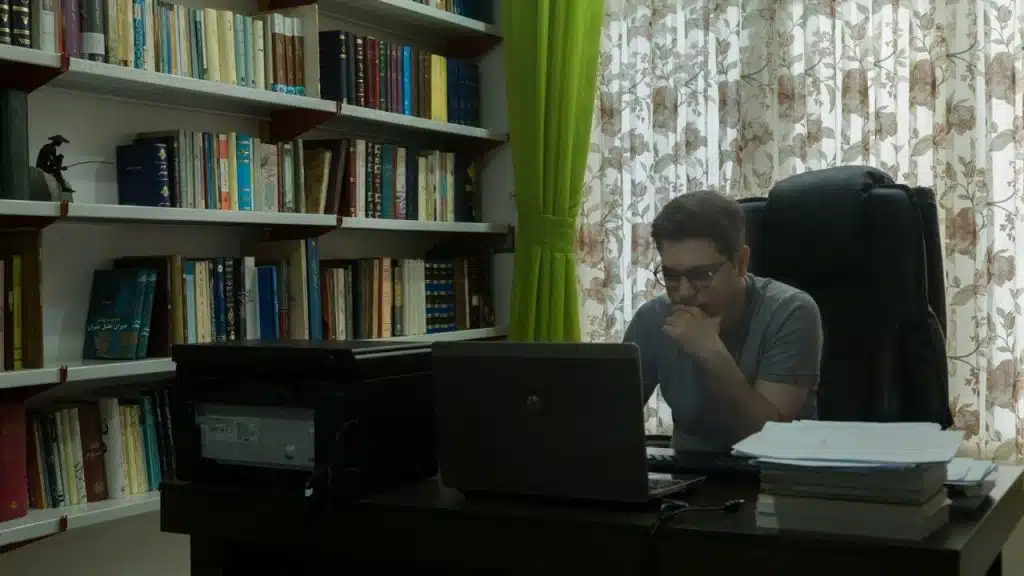
Men may give their relationship their fullest, but when they constantly feel invisible in their own partnership or marriage, it erodes their sense of worth. Being taken for granted for the goodness they add to their shared life for too long can make a man emotionally withdrawn from the relationship to protect his heart.
Fear of Being Misunderstood

Men aren’t taught to be overly expressive about their truest feelings or fears or vulnerabilities. This keeps them from communicating, as they fear being mocked, ignored, or even misunderstood.
Strength Misconstrued as Insensitivity

Men are more logical and rational so whenever there is a problem or challenge that needs attending to, they propose their ideas in a very direct or logical way. This doesn’t always sit well with their partner, who may see it as apathy or insensitivity to the emotional aspects involved in the issue at hand. Men get hurt when their intentions are doubted by their spouse.
Emotional Labor Isn’t Always Mutual

In the majority of the relationships, men take a backseat when it comes to shouldering the entire emotional burden of the household or relationship. Many men, instead of accepting their emotional limitations, start questioning their worth in the marriage, feeling defensive at how little input is expected of them when it comes to managing the emotional atmosphere of the house.
Identity and Esteem Linked to Performance

Men have long seen themselves in the financial provider role in a relationship or marriage. This often makes them gauge their self-worth against financial or career success or competence. This makes them feel like a failure when the marriage or relationship throws challenges their way.
Perceived Criticism Can Feel Like Rejection
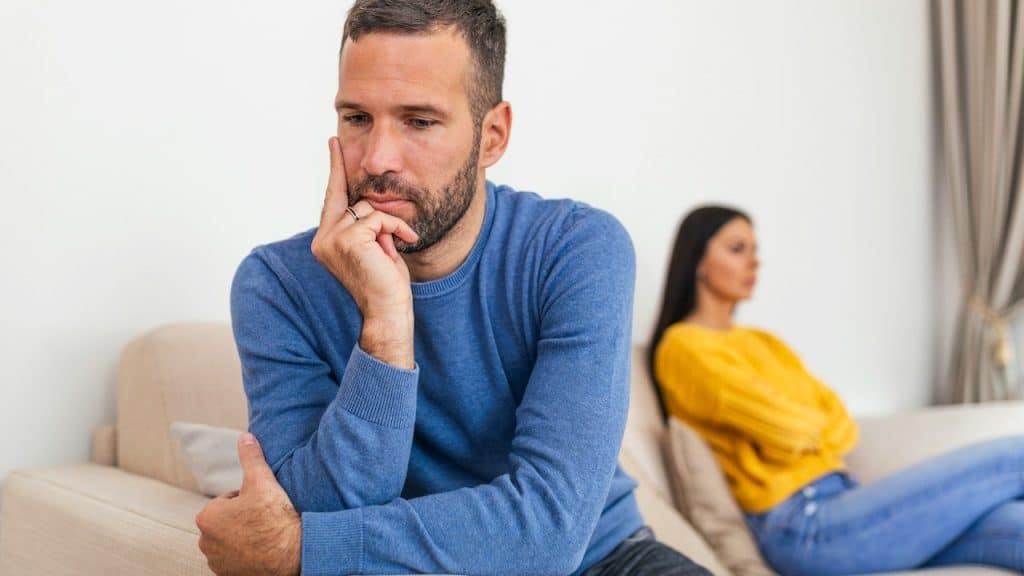
Men’s ego or lack of emotional capacity can make them feel bad about repeated negative feedback. In fact, even the most positive feedback feels overwhelming to them. They view any sort of criticism or advice for a change as rejection.
Lack of Emotional Support Skills

Not to blame men but society and culture have conditioned men to not learn emotional regulation when stressed or to seek emotional support. This makes them get defensive even when constructive criticism is made.
Final Thoughts

Men in relationships don’t feel bad because of the women; they feel bad because of the way they have been perceived for centuries and been expected to behave a certain way even when they don’t want to. Lately, there has been a shift from toxic masculinity that rendered softness and emotional gentleness as a weakness, and it has been uprooted and replaced by the idea of a new age of gentlemen who care, express, and connect beyond just provision and repair. They are just as concerned about the emotional and fairness aspects of relationships as they were traditionally concerned about providing financial stability. Men still feel caught between the gender stereotypes and the new and improved definition of modern men and may feel unhappy in marriages due to their inability to express themselves and their emotional needs loud and clear. The key is to embrace the evolution and turn to better communication skills that ensure their emotional health and input in the relationship is not just noticed but appreciated and valued by their spouse.








Ask Me Anything