
Most people enter relationships with a story in their head. The story might include effortless communication, consistent effort, and a partner who naturally meets emotional needs. Real relationships can still be good, but they rarely match the fantasy perfectly. The moment things feel “different” often arrives quietly, through patterns that repeat. Sometimes the difference is normal adjustment, and sometimes it is a real mismatch. The key is recognizing whether the gap is temporary or structural. A temporary gap can be repaired with clarity and effort. A structural gap usually grows unless something major changes.
The First Wake-Up Calls: When the Honeymoon Ends

Early love is full of projection, best behavior, and hope. When real life enters, deeper habits become visible. Many people do not get disappointed because their partner becomes “bad.” They get disappointed because their partner becomes consistent. Consistency reveals priorities, emotional maturity, and willingness to repair. These wake-up calls often show up in routine moments, not dramatic arguments. They are small enough to ignore at first. But repeated small moments reshape expectations fast. These are the first moments where fantasy often meets reality.
When the Effort Becomes Occasional Instead of Consistent

At first, attention and effort feel automatic. Later, effort appears only when the partner is in a good mood or afraid of conflict. That inconsistency changes the emotional climate quickly. It teaches the other person not to expect much. Many people realize the relationship is different when effort feels like a special event rather than a daily habit. They may notice they are doing most of the planning and initiating. The relationship starts feeling one-sided, even if love is still present. Over time, one-sided effort becomes resentment. Resentment is often the beginning of emotional distance.
When “We’ll Talk About It Later” Becomes a Permanent Pattern

Some couples postpone hard conversations because life feels busy. But when “later” never arrives, problems become permanent. The relationship starts feeling stuck in a loop of avoidance. One partner may keep hoping maturity will show up on its own. The other may keep avoiding discomfort because it feels easier. Over time, unresolved issues become emotional debt. Emotional debt is paid through resentment and withdrawal. This is often when the relationship stops feeling safe. Safety requires repair, not delay.
When You Start Editing Yourself to Keep Peace

In healthy relationships, authenticity is safe. In unhealthy or unstable ones, people start filtering everything. They avoid certain topics, hide emotions, and manage their tone constantly. This can create calm on the surface but anxiety underneath. Many people realize the relationship is different when they feel they cannot be fully themselves. The relationship becomes a performance rather than a home. Performance is exhausting long-term. Exhaustion kills intimacy. When authenticity disappears, the bond becomes fragile.
The Reality Checks: When Needs Don’t Land the Way Expected

Many people imagine their partner will naturally understand their needs. But in reality, needs often have to be communicated clearly and repeatedly. Some couples handle that well and grow. Others turn it into conflict, defensiveness, or dismissal. The relationship becomes different when needs feel unsafe to express. It can also become different when needs are expressed, but nothing changes. That creates helplessness. Helplessness often turns into detachment. Detachment is the quiet beginning of “moving on” emotionally.
When Emotional Support Feels Inconsistent

In fantasy, a partner is always present emotionally. In reality, some partners are supportive only when it is convenient. During stress, illness, or conflict, emotional presence may disappear. The other partner then feels alone in their hardest moments. That kind of loneliness leaves a deep mark. It changes the relationship story from “teammates” to “self-reliance.” Self-reliance can be empowering, but it can also be heartbreaking in a committed bond. Many people realize the relationship is different when they stop reaching out for comfort. They stop because it does not feel safe or useful.
When Validation Turns Into Minimization

Many people expect their feelings to be taken seriously. When a partner responds with “you’re overreacting,” “it’s not a big deal,” or “you’re too sensitive,” something shifts. The relationship becomes emotionally unsafe. The person learns that vulnerability will be criticized or dismissed. Over time, they become quieter and more guarded. The partner may confuse quietness with peace. But quietness can be resignation. This is a common moment when people realize they are not being emotionally met. The relationship starts feeling lonely, even without big fights.
When Conflict Style Feels Like Damage, Not Repair

In the imagined relationship, conflict ends with understanding and closeness. In reality, some couples fight in ways that cause lasting harm. That can include contempt, stonewalling, threats, or constant defensiveness. Even if apologies happen, the emotional bruise remains. Many people realize the relationship is different when conflict makes them feel unsafe rather than closer. They start avoiding hard topics because it is not worth the emotional cost. Avoidance keeps peace temporarily but grows distance long-term. Repair is the real test of maturity. Without repair, the relationship becomes fragile.
The Lifestyle Reality: When Love Doesn’t Fix Practical Mismatch

Some differences seem small early and become serious later. Money habits, cleanliness, social life, family boundaries, and life goals can clash. Love does not automatically override these issues. The relationship becomes different when practical mismatch creates chronic stress. Chronic stress reduces affection and desire. It also creates constant low-grade tension. People often realize the relationship is different when they feel they are compromising on core values. Compromise is normal, but chronic compromise becomes self-abandonment. That realization can feel heavy. It changes how the future is imagined.
When the Future Feels Less Shared Over Time

In the beginning, the future feels like “we.” Later, it can feel like parallel lives. One partner may avoid planning or resist commitment steps. The other partner may feel anxious and uncertain. Uncertainty creates emotional insecurity. Many people realize the relationship is different when shared goals stop being discussed. The relationship becomes maintenance rather than direction. Direction creates excitement and safety. Without direction, people drift. Drift often becomes quiet dissatisfaction. Quiet dissatisfaction becomes questioning.
The Respect Shift: When Admiration Starts Fading

Admiration is often the hidden engine of long-term attraction. People imagine their partner will keep growing and showing character. But sometimes growth stalls and bad habits become normal. A person realizes the relationship is different when respect begins to slip. This can happen through broken promises, irresponsibility, or emotional immaturity. Respect does not disappear in one day; it erodes in patterns. Once respect erodes, desire often drops. Desire depends on safety and admiration. When admiration fades, the relationship feels colder.
When You Feel Like the “Responsible One” All the Time

Many people imagine equal teamwork. Reality sometimes creates a manager-worker dynamic. One partner handles planning, bills, emotional repair, and logistics. The other partner participates but does not lead. Over time, the responsible partner gets exhausted. Exhaustion changes how love feels. Love starts feeling like duty. Duty kills romance. A person realizes the relationship is different when they feel like the only adult. That feeling often creates resentment. Resentment makes closeness difficult.
When Outsiders Feel More Supportive Than the Relationship

In a strong bond, the partner is the primary emotional teammate. When outsiders become the main support, friends, coworkers, online communities, something has shifted. This does not mean emotional cheating, but it signals emotional distance at home. Many people realize the relationship is different when they feel more understood outside than inside. They stop sharing at home because it feels pointless. Over time, home becomes logistics and surface talk. Emotional life moves elsewhere. This shift is a major warning sign. A relationship cannot thrive without emotional intimacy.
The “This Is It” Moment: When Hope Starts Shrinking

Hope shrinks when patterns repeat without change. A person may keep hoping the partner will grow, become more consistent, or start caring differently. Then one day, the hope feels tired. This is often the moment the relationship feels different in a final way. It is not always a breakup moment. It is often an emotional shift from optimism to realism. Realism can be healthy if it leads to honest repair. It can be dangerous if it leads to resignation. Hope is one of the strongest relationship fuels. When hope fades, effort often fades too.
When You Stop Bringing Things Up Because It’s Not Worth It

This is one of the clearest signs of emotional detachment. A person stops communicating needs because they expect conflict, dismissal, or no change. Silence replaces honesty. Silence may reduce fights, but it increases distance. The partner may think the relationship is improving. But improvement is not the same as quietness. Quietness can be an emotional exit. Many people realize the relationship is different when they feel numb rather than upset. Numbness is often the final stage of disappointment. It can be harder to repair because the energy is gone.
When You Start Imagining Life Without Them

Imagining life without a partner is not always a plan to leave. But it can be a sign that the relationship no longer feels like the best option emotionally. People imagine freedom, peace, or relief. That relief is important information. If the fantasy of being alone feels lighter than staying, something is wrong. Sometimes the fix is rebuilding connection and teamwork. Sometimes the fix is accepting mismatches. Either way, the imagination is a signal. Signals should be listened to, not ignored. This is often a major turning point in how the relationship is perceived.
Tips: How to Tell If the “Different” Feeling Is Fixable

Look for willingness, not perfection. If both partners can talk honestly and repair conflict, many gaps are fixable. If effort becomes consistent and not panic-driven, connection can return. If respect is still present, the relationship can often be strengthened. Notice whether problems improve with conversation or repeat unchanged. Watch whether emotional safety increases over time. Check whether both partners share responsibility or one carries everything. Fixable relationships show movement. Stuck relationships show repeating cycles. Movement matters more than promises.
Tips: What to Do When Reality Doesn’t Match the Fantasy

Start with clarity about needs and boundaries. Replace vague frustration with specific requests and observable changes. Build small weekly rituals that create connection and reduce drift. Address one repeating issue at a time instead of dumping everything at once. Reduce defensiveness by focusing on impact rather than blame. If communication is unsafe, structured support can help. Avoid making decisions in peak emotion; choose calm clarity. The goal is not to force fantasy back. The goal is to build a healthier reality.
Tips: When the “Different” Feeling Is a Warning Sign
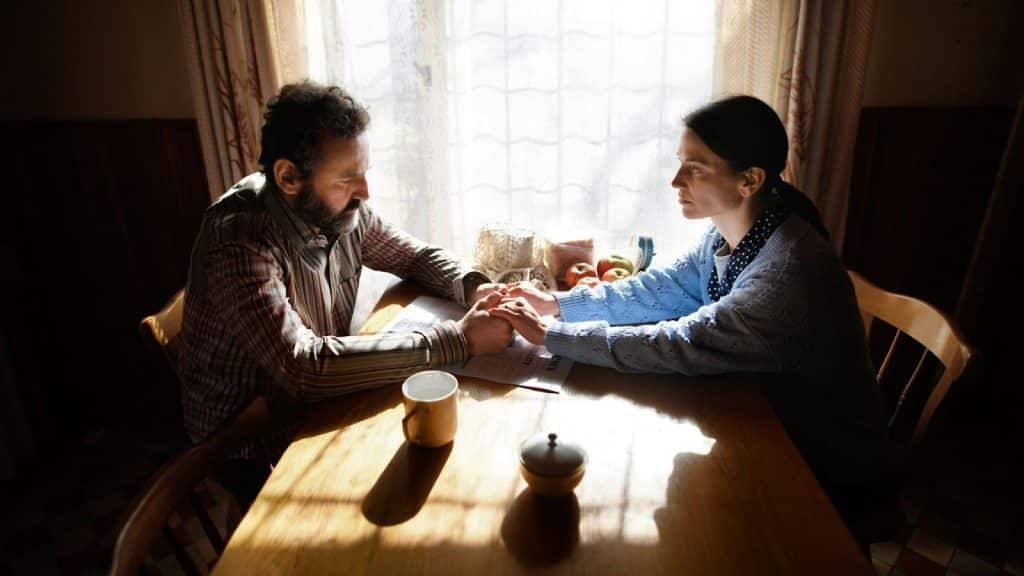
If contempt, chronic disrespect, or emotional fear exists, the issue is serious. If honesty is punished, emotional intimacy will keep shrinking. If one partner refuses accountability and refuses repair, the relationship will remain stuck. If the relationship consistently damages mental health, support is needed immediately. If boundaries are repeatedly violated, safety is missing. Some differences are not normal adjustment; they are structural problems. Love should not require constant self-erasure. Peace and dignity matter. The relationship should feel safe to be real.
The Real Question Is What Happens After the Realization

Most people realize the relationship is different through repeated small moments, not one dramatic event. That realization is not automatically a breakup verdict. It is a signal to face reality honestly. Sometimes reality calls for better communication and renewed effort. Sometimes it calls for stronger boundaries and deeper repair. And sometimes it calls for accepting mismatches that will not change. The healthiest couples respond with intention rather than denial. They treat the gap as information, not shame. Fantasy fades in every relationship; what replaces it is the real test. The goal is not perfect love. The goal is love that is safe, respectful, and sustainable.








Ask Me Anything