
Many wives do not expect perfection, and many do not want to nag. What they often want is a husband who notices, anticipates, and shares the emotional load without being coached. The frustration usually comes from repetition: needing to explain the same basics again and again. When something must be requested every time, it stops feeling like care and starts feeling like management. Management is exhausting, and exhaustion reduces warmth. These wishes are rarely about grand romance. They are about daily partnership, emotional safety, and feeling considered. Here are the unspoken things many wives hope their husbands understand without needing a speech.
The Mental Load Truths: What Wives Carry Quietly

A marriage can look balanced from the outside while one person carries most of the thinking. The mental load includes remembering, planning, anticipating needs, and tracking details. Many wives do this automatically and quietly, until burnout makes it obvious. Husbands often help with tasks, but the invisible work is the harder part. Invisible work is the organizing, not just the doing. When a wife feels alone in that organization, resentment grows. Resentment makes connection harder. These points translate what the mental load feels like in real life.
“Help” Still Feels Like It’s Her Job

Many wives do not want a husband who “helps.” They want a husband who shares responsibility. The word “help” can imply the home is her job and he is assisting. That framing creates a parent-child dynamic. A parent-child dynamic quietly kills attraction and respect over time. Shared responsibility means noticing what needs to be done and doing it without being asked. It also means taking ownership of whole categories, not random chores. When responsibility is shared, the marriage feels like teamwork. Teamwork makes love easier to sustain.
Reminders Feel Like Emotional Labor

A wife may not mind asking once. But repeated reminders feel like being the manager of the household. Over time, she starts feeling like her role is to coordinate rather than to connect. This creates fatigue and irritability. It can also make her feel alone even when her husband is physically present. Many husbands think reminders are neutral. Many wives experience them as proof they are carrying the mental load alone. A relationship becomes heavier when one person must hold the whole system in their head. Remembering is work. Being in the reminder system is exhausting.
Planning Is Also Love

Many wives want their husbands to plan sometimes without being told. That includes dates, family logistics, weekends, and even small moments of connection. Planning signals priority. It communicates, “You matter enough to be considered ahead of time.” When a wife always plans, she starts feeling like she is leading the relationship alone. That leadership can become resentment. Many husbands assume “showing up” is enough. But being invited into a plan feels different than being included by default. Planning is effort, and effort is attractive. Being planned for makes a wife feel chosen.
She Wants Partnership in the “Invisible” Tasks

Invisible tasks include groceries, gifts, appointments, school forms, family messages, and keeping track of needs. These are not glamorous, but they keep life running. When one spouse carries them alone, it feels unfair. Many wives do not want perfection; they want shared awareness. Shared awareness means asking, noticing, and taking initiative. It also means not waiting until she is overwhelmed to step in. When a husband shares invisible tasks, it reduces burnout. Reduced burnout improves mood and intimacy. Practical partnership is deeply romantic long-term. It makes home feel safer.
The Emotional Safety Truths: What Makes Her Open or Closed

Many wives do not shut down because they do not care. They shut down because emotional safety feels missing. Emotional safety includes tone, kindness, and being taken seriously. When a wife feels emotionally safe, she is more affectionate and more open. When she feels criticized, mocked, or minimized, she becomes guarded. Guarded wives often look distant, but the distance is protection. Husbands often want more closeness without realizing what blocks it. These points explain what often closes a wife’s heart quietly. Small emotional habits matter more than big speeches.
Tone Matters More Than Many Men Think

A husband can be “right” and still lose connection because of tone. Sharpness, sarcasm, and impatience make a wife feel unsafe. Even small tone changes can signal disrespect. Over time, she stops bringing things up because the reaction feels unpleasant. That silence can be mistaken for peace. But it is often withdrawn. Many wives want calm delivery more than perfect solutions. Respectful tone keeps the relationship warm. The harsh tone makes it cold. Warmth is built through how things are said, not only what is said.
Solutions Are Not Always the First Need

Many wives want understanding before fixing. When a husband jumps to solutions immediately, it can feel dismissive. It can signal, “This is a problem to manage,” not “This is a person to support.” Emotional validation often calms stress faster than advice. Advice can come later, once the wife feels heard. Many husbands mean well, but the order matters. Listening first makes a wife feel safe. Feeling safe makes collaboration easier. Collaboration solves problems better than quick advice. Being heard is often the real need.
“I’m Fine” Usually Means “I’m Tired of Explaining”

Many wives say “I’m fine” when they do not feel safe or hopeful enough to talk. It can mean they expect defensiveness, dismissal, or no change. It can also mean they are emotionally exhausted and do not want another debate. A husband may take “fine” literally and move on. But the emotional distance keeps growing. Many wives want their husbands to notice the pattern: fewer words, less warmth, less interest. Those are not random mood swings. They are often signs of emotional depletion. “Fine” can be a warning light, not a status update. Curiosity matters most in that moment.
The Attraction Truths: What Keeps Desire Alive in Marriage

Desire is not just chemistry. In marriage, desire is affected by stress, resentment, and feeling valued. Many wives want husbands to understand that intimacy begins outside the bedroom. It begins in tone, effort, partnership, and feeling chosen. When a wife is overwhelmed or emotionally lonely, desire often drops. That drop is not always rejection; it is often exhaustion. Many husbands take it personally and respond with frustration, which makes it worse. These points explain what often keeps attraction alive long-term. Desire thrives in safety and appreciation.
Being Desired Starts With Feeling Valued

Many wives want to feel wanted for who they are, not just for what they do. Compliments that are specific and sincere matter. So does noticing effort and showing gratitude. When a wife feels appreciated, she often becomes warmer and more affectionate. When she feels taken for granted, she becomes guarded. Guarded partners do not feel playful or romantic. Romance requires emotional safety. Feeling valued also includes being prioritized, not treated like background. A husband does not need perfect lines. He needs consistent attention and appreciation.
When She Feels Like a Mom, Desire Often Drops

Many wives lose desire when they feel like the household manager. Managing can turn into mothering when the husband becomes dependent. Dependence creates a parent-child energy that kills attraction. This can show up in reminders, unfinished tasks, and lack of initiative. The wife becomes the responsible adult, and romance fades. This is not cruelty; it is psychology. Attraction thrives between equals, not between caretaker and dependent. Equality creates respect. Respect creates desire. Initiative is one of the most attractive traits in long-term love.
Small Daily Affection Matters More Than Occasional Big Gestures

Many husbands wait for anniversaries or special days to be romantic. Many wives want consistent affection in ordinary life. A hug, a kiss, a gentle touch, and a warm check-in matter. These gestures create emotional connection that makes intimacy easier later. When affection is rare, intimacy can feel like pressure. Pressure makes desire shut down. Consistent affection keeps the relationship emotionally warm. Warmth protects desire through stressful seasons. Small moments are the real romance in marriage. Big gestures are easier when small gestures already exist.
The Respect and Loyalty Truths: What She Needs to Feel Chosen
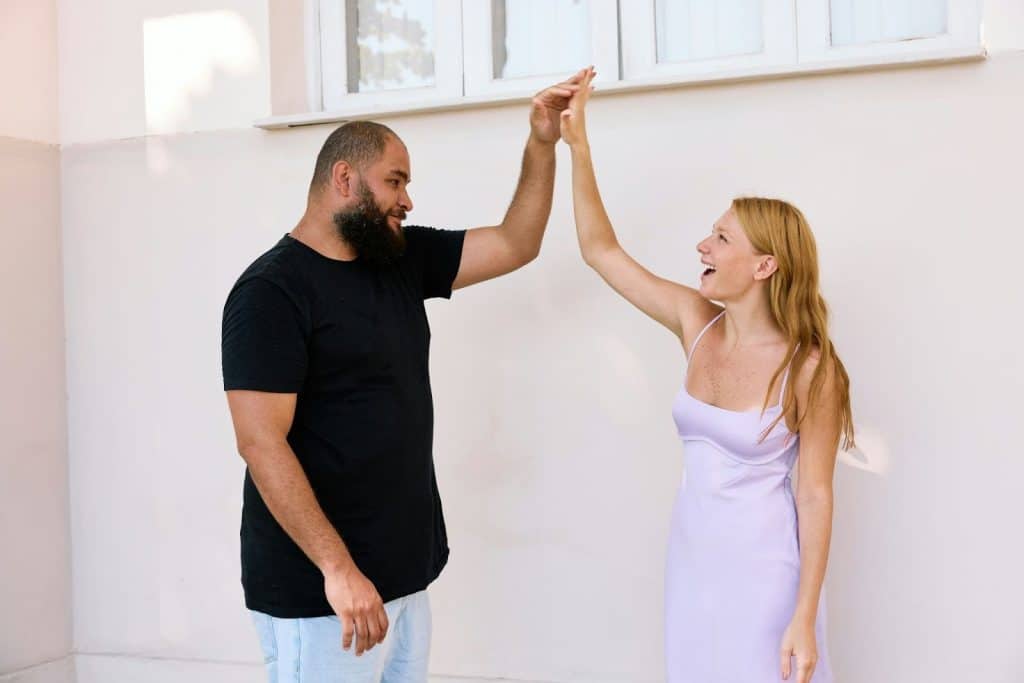
Many wives want to feel protected and prioritized. Protection is not control; it is loyalty in daily choices. That includes boundaries with others, respect in public, and not exposing private issues. It also includes defending the relationship when outsiders disrespect her. Feeling chosen is a deep emotional need. When a wife feels chosen, she relaxes. When she feels compared, ignored, or embarrassed, she withdraws. These signals matter because they affect trust and attraction. Love is not only private; it is shown through public respect too. These points translate that need into everyday behavior.
She Wants the Marriage Protected From Outside Noise

Many wives want husbands to set boundaries with friends, family, and work. That means not allowing outsiders to disrespect the relationship. It also means not oversharing private issues for entertainment or validation. Protection creates emotional safety because the marriage feels prioritized. When a husband stays silent while others cross a line, it can feel like betrayal. Loyalty is not only about cheating. It is about defending dignity. A wife feels safer when she knows her husband has her back. Safety strengthens closeness. Closeness strengthens the marriage.
Respect in Public Counts More Than Many Men Admit

Small public disrespect can do big damage. Joking at her expense, ignoring her in groups, or dismissing her opinion publicly can linger. Many wives would rather receive correction privately than be embarrassed publicly. Public respect signals pride and care. Private affection cannot fully repair public humiliation. This is why public tone matters. A husband can think it is harmless, but the emotional impact is real. Respect is not only what is said at home. It is also what is done when others are watching.
She Wants Effort Without Having to Beg for It

Many wives do not want to beg for time, attention, or basic kindness. When love has to be demanded, it stops feeling like love. A husband may not realize how exhausting that feels. Effort that only appears after a fight feels like panic, not care. Consistent effort feels safe and reliable. Reliability reduces anxiety and increases warmth. Wives often want initiative, not compliance. Initiative shows desire and pride in the relationship. Being chosen should feel natural, not negotiated every week.
Tips: How Husbands Can Understand More Without Mind-Reading

Ask one deeper question daily, even if life is busy. Watch for patterns, not only words, especially when warmth fades. Take ownership of a few life categories completely, not just single tasks. Plan something small weekly that creates connection, not just routine. Replace “tell me what to do” with “what can be taken off your plate?” Offer appreciation out loud for invisible work. Keep tone calm during stress because safety matters more than being right. Awareness grows through consistent attention, not grand speeches.
Tips: How to Turn These Wishes Into Daily Habits

Build a short daily check-in that is about feelings, not logistics. Create a shared weekly planning moment so the mental load is not one-sided. Use reminders and calendars proactively instead of relying on her memory. Make affection consistent: small touch, warm greeting, and real eye contact. Practice listening without fixing for five minutes before offering solutions. Keep repair quick after conflict with accountability and reassurance. Share responsibility for social and family burdens, not only chores. Small habits create big safety over time.
Tips: What Usually Makes Wives Stop Saying What They Need

Repeated defensiveness teaches a wife to stay quiet. Lack of follow-through teaches her that speaking up is pointless. Mocking or minimizing teaches her that vulnerability is unsafe. Constant reminders teach her she is the manager, not the partner. Public embarrassment teaches her not to trust emotional safety. When these patterns repeat, she may still love her husband but stop sharing her inner life. That is how emotional distance forms. The goal is not to force her to talk. The goal is to make talking safe and useful again.
The Real Wish Is Simple, To Feel Seen Without Managing It

Most wives do not want perfection or mind-reading. They want a husband who notices, shares responsibility, and protects emotional safety daily. These wishes often sound small, but they shape the entire emotional climate of a marriage. When a wife feels seen, she becomes warmer, more affectionate, and more open. When she feels managed, ignored, or unsafe, she withdraws. The difference is rarely big romance. It is consistent awareness and effort. A strong marriage feels like teamwork, not coaching. When husbands understand these points and act consistently, love becomes easier to sustain. Feeling chosen should not require begging. It should feel like home.








Ask Me Anything