
Emotional well-being is widely recognized as a foundation of overall health. Yet it rarely depends on dramatic events alone. Instead, it often develops through small, repeated experiences of being heard, acknowledged, and taken seriously. For many men, validation may influence confidence, stress regulation, and relationship stability over time. Subtle patterns of dismissal or recognition can accumulate gradually, shaping how emotions are expressed or withheld. Because emotional validation affects both internal resilience and external connection, its role is often more significant than it first appears. The following slides explore how validation functions in daily interactions and why it plays a central role in men’s emotional well-being.
Why Feeling Understood Matters More Than We Think

Emotional validation means recognizing that someone’s feelings make sense within their experience. It does not mean agreeing with every opinion or approving every reaction. Instead, it shows that a person’s inner world is being taken seriously. When someone feels understood, their sense of worth often strengthens. Being acknowledged reinforces the idea that emotions are not weaknesses. Consistent recognition builds emotional security and trust in relationships.
How Upbringing Shapes Emotional Expression

Many boys are raised with messages that value independence and composure. Emotional expression may not always be encouraged in the same way achievement is. As a result, some men grow into adulthood without much practice in expressing feelings openly. Early family patterns strongly influence how comfortable someone feels sharing vulnerability. If emotions were dismissed or minimized in childhood, openness may feel unfamiliar later in life. These early experiences quietly shape communication habits in adulthood.
Why Validation Helps Regulate Emotions

When someone feels heard, their body often responds by calming down. Acknowledgment reduces the urge to defend or escalate. Being recognized can lower emotional intensity and create space for clearer thinking. On the other hand, dismissal may increase frustration or withdrawal. Feeling understood helps people process emotions in a steady way. Emotional balance often grows from repeated experiences of being taken seriously.
Listening Vs Trying to Fix Everything
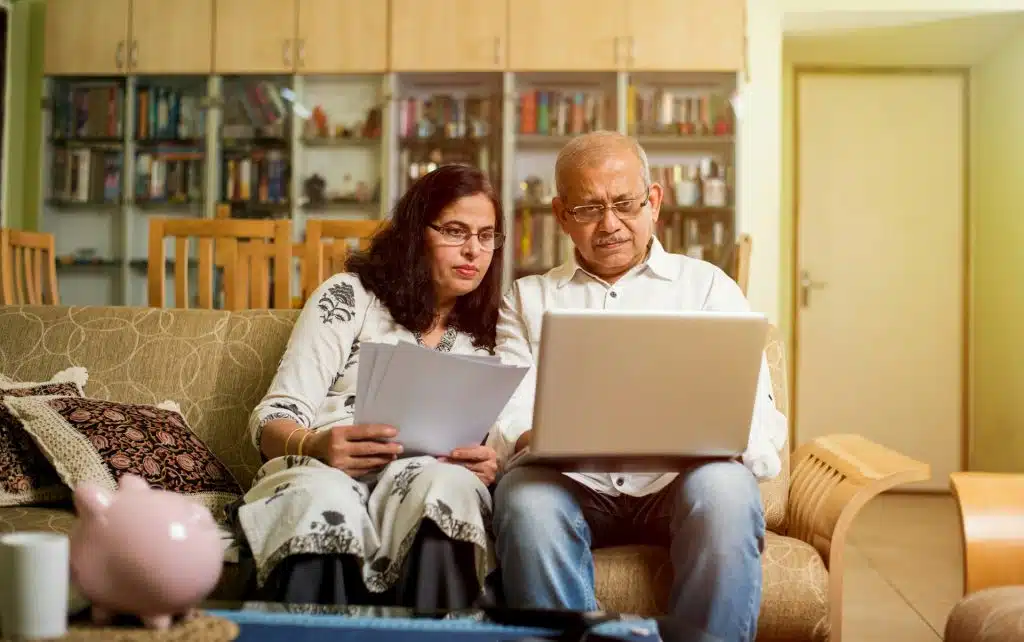
Many people respond to problems by immediately offering solutions. While problem-solving has value, it does not always meet emotional needs. Sometimes a person simply wants their feelings acknowledged before any advice is given. Jumping straight to fixing the issue can unintentionally send the message that emotions are inconvenient. Listening without interruption shows patience and respect. Healthy communication often requires both understanding and practical support.
Recognition at Work Isn’t Just About Performance

Professional environments tend to focus heavily on results and productivity. Emotional effort, teamwork, and stress management may receive less attention. When contributions go unnoticed, motivation can slowly decline. Employees who feel seen and appreciated often show greater engagement. Acknowledgment strengthens confidence and encourages consistency. Validation in the workplace supports both performance and well-being.
Emotional Safety in Romantic Relationships

In close relationships, feeling emotionally safe makes vulnerability possible. When a partner listens carefully and responds with understanding, deeper conversations unfold naturally. Dismissive reactions, however subtle, can create hesitation. Emotional safety allows individuals to express fears, frustrations, and hopes without fear of ridicule. Trust grows when acknowledgment becomes a regular part of interaction. Strong partnerships are built on steady emotional support rather than grand gestures.
How Validation Builds Confidence

Confidence is influenced not only by achievements but also by how efforts are received. When feelings and perspectives are acknowledged, self-belief becomes stronger. Recognition reinforces the sense that one’s voice carries value. Lack of acknowledgment can create doubt, even in capable individuals. Encouragement strengthens identity and personal direction. Self-confidence often reflects consistent experiences of being heard.
The Subtle Signs of Emotional Withdrawal

When someone feels repeatedly overlooked, they may begin to withdraw. Communication can become shorter or less frequent. A partner may notice emotional distance before it is openly discussed. Withdrawal is sometimes a response to feeling unseen rather than a lack of care. Observing these shifts early allows for meaningful conversations. Addressing concerns directly can restore closeness and understanding.
How Dismissive Reactions Quiet Communication

Dismissive reactions can slowly reshape how safe a person feels when opening up. Phrases that minimize emotion may appear small in the moment, yet their impact can linger. When concerns are brushed aside, hesitation replaces openness. Emotional expression becomes guarded rather than natural. Over time, communication may shift from honest dialogue to surface-level exchanges. Distance rarely forms overnight; it often grows from repeated moments of feeling unheard.
Redefining Strength in Modern Conversations

Traditional ideas of strength have often emphasized silence and endurance. While resilience is valuable, emotional suppression is not the same as stability. Strength can also mean having the courage to acknowledge frustration, sadness, or uncertainty. Open expression does not reduce credibility; it deepens trust. As perspectives evolve, emotional awareness is increasingly recognized as part of balanced leadership and partnership. Healthy strength includes both composure and honest communication.
The Quiet Power of Supportive Friendships

Friendships offer a different form of validation than romantic relationships. Casual conversations can create unexpected space for meaningful support. Shared experiences often build understanding without lengthy explanations. When peers acknowledge one another’s challenges, isolation decreases. Encouraging words within social circles reinforce confidence and belonging. Strong friendships contribute significantly to emotional stability.
When Body Language Speaks Louder Than Words

Nonverbal cues communicate attention long before words are spoken. A steady gaze, calm posture, and patient silence can signal genuine interest. On the other hand, crossed arms or distracted glances may suggest disinterest. Emotional safety depends not only on what is said but on how it is delivered. Consistent attentiveness strengthens trust in subtle yet powerful ways. Thoughtful presence often carries more weight than lengthy advice.
Respect During Disagreement Makes a Difference

Conflict is inevitable in close relationships. The manner in which disagreement is handled determines whether connection weakens or grows stronger. Recognizing another person’s emotional experience during tension prevents conversations from escalating unnecessarily. Validation does not require abandoning personal perspective. Instead, it allows space for mutual understanding. Respectful exchanges during conflict create a stronger foundation for repair and resolution.
When Stress Limits Emotional Availability

Emotional responsiveness requires energy and focus. Heavy workloads, lack of rest, or ongoing pressure can reduce patience. In these moments, even well-intended individuals may struggle to respond thoughtfully. Reduced availability can unintentionally send signals of indifference. Recognizing the impact of stress on communication encourages healthier adjustments. Managing personal strain supports more consistent emotional acknowledgment.
Small Daily Interactions Shape Emotional Climate

Grand gestures are memorable, yet everyday exchanges shape relationships more deeply. A simple acknowledgment after a long day can reinforce connection. Brief but sincere responses build comfort and reliability. Emotional security develops through repetition of small positive moments. Ignoring minor concerns can gradually create quiet frustration. Daily habits determine whether a relationship feels steady or strained.
Emotional Recognition and Mental Well-Being

Feeling understood contributes significantly to mental health. When emotions are acknowledged, internal tension often decreases. Being overlooked may increase feelings of isolation, even in shared spaces. Validation supports healthier coping during stressful periods. Emotional acknowledgment strengthens resilience by reducing unnecessary self-doubt. Psychological stability grows when experiences are recognized rather than dismissed.
Balancing Accountability With Understanding

Validation and accountability are not opposing forces. A person’s feelings can be acknowledged while still addressing behavior responsibly. Conversations that begin with recognition often remain calmer and more productive. Respectful dialogue encourages reflection rather than defensiveness. Growth becomes possible when empathy and responsibility work together. Balanced communication strengthens mutual respect and long-term stability.
Generational Shifts in Emotional Dialogue

Conversations about emotions are becoming more visible across generations. Younger voices are normalizing discussions about mental health and vulnerability. Fathers and sons are gradually reshaping how they connect and communicate. Emotional literacy is gaining recognition as a life skill rather than a weakness. Cultural expectations continue to evolve toward openness. These changes support healthier patterns in families and communities.
The Strength Found in Self-Validation

External acknowledgment is powerful, yet internal recognition plays an equally important role. Self-validation involves accepting emotions without immediate judgment. Reflection allows space to understand personal reactions more clearly. This internal process reduces dependence on constant reassurance. Emotional steadiness increases when feelings are processed thoughtfully. Personal growth often begins with honest self-recognition.
Emotional Validation Is Foundational for Men

Emotional validation is not an optional addition to relationships; it is a structural support. Feeling respected shapes communication patterns and personal confidence. Consistent acknowledgment encourages honesty and openness. Relationships remain more stable when emotional experiences are taken seriously. Small acts of recognition accumulate into long-term resilience. Treating validation as essential rather than secondary highlights its lasting impact on men’s well-being.








Ask Me Anything