
Comparing a marriage rarely begins with wanting someone else’s life. It often begins with quiet dissatisfaction and the question, “Is this normal?” Social media, friends, and family can make other relationships look smoother, more romantic, or more exciting than reality. The danger is that comparison turns a private partnership into a public scoreboard. Instead of fixing what is missing, couples start judging themselves against an edited highlight reel. Comparison can also distort gratitude by focusing only on what is lacking. These signs show when comparison is shaping your marriage more than your actual relationship is.
You Notice Other Couples More Than Your Own Connection

You find yourself watching how other couples talk, touch, and interact. You scan for signs of romance and harmony outside your marriage. Then you bring that feeling home as disappointment. This is often a sign you are looking outward for proof of what marriage should look like. It can also mean your own connection feels uncertain. Attention is a clue about emotional hunger. When your focus keeps leaving your marriage, it is worth asking why.
Social Media Makes Your Relationship Feel Smaller

A scroll through posts makes other marriages look like constant vacations and affection. You start feeling like your relationship is boring or behind. The problem is that social media rarely shows conflict, fatigue, or ordinary life. It shows curated moments, not full realities. Comparison becomes automatic because the brain sees highlights as normal. Over time, you stop appreciating your own stability. This creates dissatisfaction that is not based on your real experience. The marriage feels worse because the standard is fake.
You Feel Embarrassed About Your Marriage Around Certain People

You worry what others think about your relationship. You may hide issues or exaggerate happiness to protect your image. You feel pressure to look like a successful couple. That pressure can prevent honest conversations and repair. It can also create shame when your marriage has normal struggles. When image becomes more important than improvement, comparison is already in control. A marriage needs truth, not branding.
You Use Other Couples as Evidence in Arguments

You say things like, “Look at how they treat each other,” or “Other husbands do this.” The intention is to motivate change, but the impact is often defensiveness. Comparison in conflict feels like humiliation, not teamwork. It turns the conversation into a competition instead of a solution. The partner feels replaced or judged. Even if your point is valid, the delivery creates distance. Healthy requests do not need an audience to be persuasive.
You Downplay Your Partner’s Efforts Because Someone Else “Does More”

Small acts stop feeling meaningful because you believe you should be receiving bigger ones. You become harder to impress and easier to disappoint. Over time, appreciation fades because your focus is on what is missing. This can make a partner feel invisible and undervalued. Comparison is a fast way to kill gratitude. Gratitude is not settling, it is emotional fuel. When gratitude dies, resentment grows.
You Secretly Keep a Mental List of “What You Deserve”

You start thinking in terms of fairness and entitlement. You compare what you get to what others appear to get. This can create a quiet anger that your partner may not understand. The relationship starts feeling like a deal that is not paying out. Some needs are valid, but comparison makes them harder to communicate. It also makes you feel cheated even when no betrayal happened. Entitlement without communication becomes bitterness. Bitterness often feels like loneliness.
You Feel “Behind” in Life as a Couple

You compare milestones: house, kids, travel, income, romance, or lifestyle. You start measuring your marriage like a timeline. This can make your relationship feel like it is failing even if it is stable. People forget that circumstances differ wildly. Timelines are not identical and do not need to be. Comparison creates pressure instead of partnership. Pressure often creates more conflict, not progress. Your marriage becomes a race instead of a bond.
You Fantasise About a Marriage That’s “Easier” Than Yours

You imagine being with someone who “just gets it.” You think other marriages must be smoother, lighter, and more romantic. This fantasy grows when real problems are unaddressed. It becomes an emotional escape that reduces motivation to repair. The fantasy also makes your partner look worse by comparison. You may start feeling irritated by normal human flaws. Reality cannot compete with imagination. A fantasy standard makes real love feel disappointing.
You Feel Jealous of How Someone Else’s Partner Acts

You notice public affection, compliments, or thoughtful gestures in other couples. You then feel hurt that your partner does not do the same. The pain may be valid, but comparison often blocks a useful conversation. Instead of asking for what you need directly, you carry silent resentment. Jealousy becomes a substitute for communication. The partner may have no idea what is happening. Needs that are not spoken cannot be met consistently. Comparison turns a request into a grievance.
You Assume Other Couples Don’t Have the Problems You Have

You believe your struggles are unique or embarrassing. You assume other couples have mastered communication and intimacy. This belief isolates you and creates shame. In reality, many couples have the same challenges, they just hide them. Assuming others are perfect makes your marriage feel broken. It also increases pressure to perform instead of improve. Shame is a relationship killer. Normalising struggle can make repair easier.
You Feel Pressure to Post “Proof” of Happiness

You feel the need to show trips, gifts, or romantic moments publicly. It becomes a way to reassure yourself or manage perception. Sometimes couples post more when things feel unstable. The external approval becomes a substitute for internal connection. This is not always conscious, but it is common. A healthy marriage does not need constant proof. The relationship should feel good privately, not just look good publicly. When proof becomes a habit, insecurity is often underneath.
You Stop Doing Small Relationship Maintenance Because It “Doesn’t Measure Up”

You stop planning simple dates because they seem unimpressive compared to others. You stop appreciating ordinary routines because they feel boring. You may even dismiss your partner’s efforts as not good enough. Comparison makes simple love feel inadequate. But long-term love is mostly simple. It is daily presence, consistency, and repair. When you reject the ordinary, you reject the foundation. A marriage cannot be built on highlight moments only.
You Feel Like Your Partner Is a “Project” Compared to Other Spouses

You see other people’s partners as more mature, more romantic, or more successful. Then you start viewing your partner as someone to upgrade. That mindset creates contempt and control. It also reduces empathy because you stop seeing your partner as human. People rarely grow under constant comparison. They either withdraw or rebel. Growth requires respect and teamwork. When your partner becomes a project, intimacy drops.
You Compare Your Marriage to Your Past Relationship “Highlights”

Comparison is not only about other couples. It can also be about earlier seasons of your own marriage. You compare today to the honeymoon stage and feel disappointed. The problem is that early stages are naturally lighter and less burdened. Adult life adds responsibilities that change the relationship feel. That does not mean love is gone, it means it needs different maintenance. Nostalgia can become a weapon against the present. Growth requires adapting, not longing for old versions. A marriage should evolve, not stay frozen.
You Feel Resentment After Group Hangouts

After spending time with couples, you come home irritated. You feel like your partner was less attentive or less affectionate than others. You may replay moments and feel embarrassed or hurt. This is a sign comparison is active and shaping your interpretation. It can also reveal a real need for more connection. But the resentment is often indirect and hard to talk about. Without clarity, it becomes silent punishment. Honest conversation works better than private scorekeeping.
You Assume You Settled Because Someone Else Looks “Better”
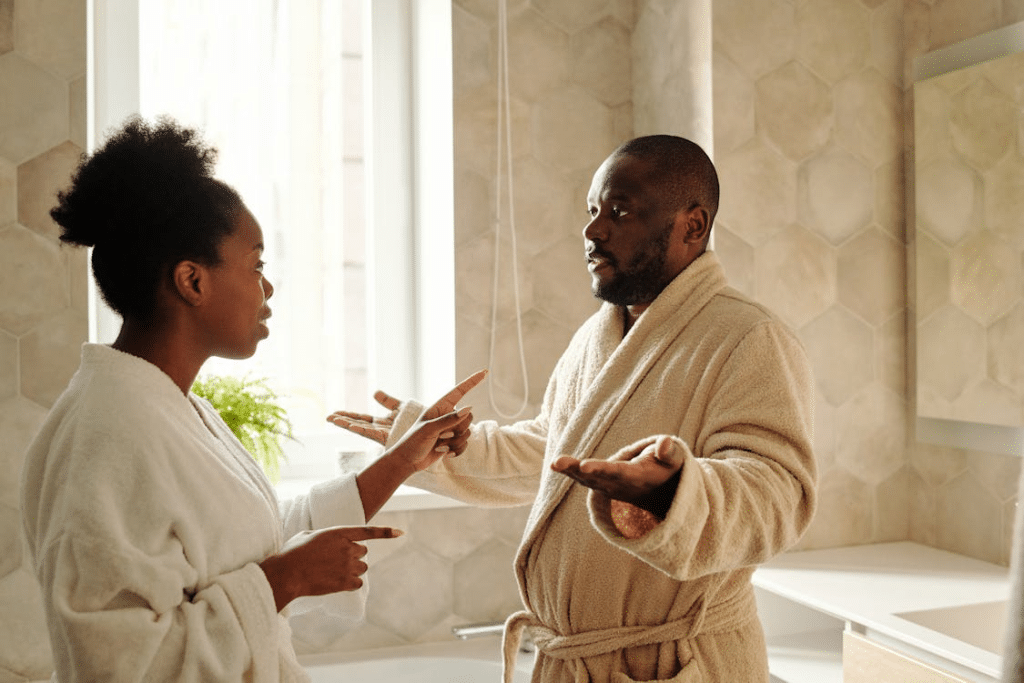
You start questioning your choices based on surface-level comparisons. You focus on what others have: looks, money, romance, lifestyle, or status. This creates doubt even when your relationship has real strengths. It also ignores the hidden costs of other relationships. Every marriage has trade-offs. Comparison makes you forget what your partner actually provides. It turns gratitude into suspicion. Doubt grows when values are replaced by envy.
You Feel More Motivated to Compete Than to Connect

You start wanting to “prove” your marriage is good. You chase appearances, not intimacy. You feel pressure to keep up rather than to build closeness. This can lead to performative romance and avoidant communication. The relationship becomes an image management project. Meanwhile, real needs remain unaddressed. Competition creates stress, not safety. A marriage thrives on connection, not comparison.
How to Break the Comparison Habit Without Settling

Start by naming what comparison is pointing to: attention, affection, appreciation, teamwork, or shared goals. Then ask for those needs directly and specifically. Reduce exposure to triggers like constant couple-content or highlight-focused social feeds. Focus on measurable habits inside the marriage: daily check-ins, weekly time together, and respectful repair after conflict. Compare your marriage to your own progress, not someone else’s image. Replace “Why aren’t we like them?” with “What do we want to build?” A marriage improves faster when the goal is alignment, not envy. Satisfaction grows when attention returns to the relationship.
Comparison Is a Signal—Use It as Information, Not a Verdict

Comparing your marriage to someone else’s often means a need is unmet or a fear is active. The solution is not pretending other couples are perfect or blaming your partner for not being a highlight reel. The solution is clarity: identify what you want more of and build it through habits, not pressure. A strong marriage is not one that looks best online. It is one that feels safe, respectful, and connected in real life. When couples stop competing and start building, peace returns. Your marriage deserves attention, not comparison.








Ask Me Anything