
Most marriages do not break in one dramatic event. They weaken through small daily moments where effort, attention, and care get postponed. “Choosing each other” is not a grand vow repeated once a year. It is a daily pattern of prioritizing the relationship even when life gets busy. When couples stop choosing each other, they often still love each other. But love starts running on autopilot. Autopilot can keep a household functioning while intimacy quietly fades. These are the slow habits that create emotional distance long before divorce is discussed. The good news is that slow drift can often be reversed early.
The Daily Drift: When the Marriage Becomes Background Noise

Life pressures make it easy to treat marriage like a stable backdrop. Work, parenting, and stress take the front seat. Couples still share a home, but they stop sharing emotional life. The relationship becomes logistical rather than intimate. This drift often feels harmless because nothing is “wrong.” But over time, the bond starts feeling thinner. When connection becomes optional, it usually becomes rare. And when it becomes rare, partners start living like roommates. These are the first ways couples stop choosing each other.
They Stop Greeting Each Other Like They Matter

Warm greetings are one of the simplest relationship protectors. When couples stop greeting with eye contact, touch, or real warmth, the home starts feeling colder. This often happens slowly, through habit and distraction. Over time, partners stop feeling noticed. Feeling unnoticed creates emotional loneliness. Emotional loneliness reduces patience and affection. Even a short, warm greeting can reset connection daily. When greetings disappear, distance begins to feel normal. Normalized distance is one of the earliest signs of drift.
They Replace Check-Ins With Pure Logistics

Early relationships include emotional check-ins: stress, hopes, feelings, and inner life. Drifting couples mostly talk about schedules, bills, and tasks. The marriage becomes a shared calendar instead of a shared bond. This creates a strange loneliness because conversation exists, but intimacy does not. Partners may stop asking deeper questions because it feels awkward or unnecessary. But curiosity is part of choosing each other. Without curiosity, misunderstanding increases. Without understanding, affection becomes harder to access. Logistics keep life running, but they do not keep love alive.
They Stop Protecting Time Together
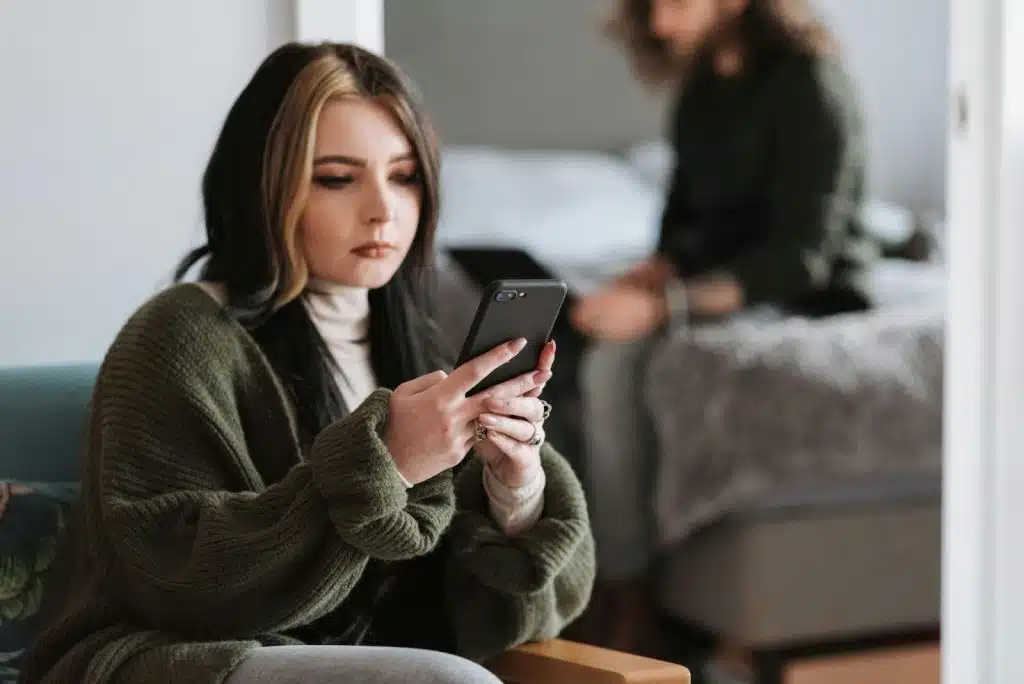
Time together is not the same as quality time. Couples can sit in the same room and still feel disconnected. When partners stop scheduling intentional time, connection becomes accidental. Accidental connection rarely survives busy seasons. Over time, the marriage gets only leftovers. Leftovers create resentment, especially when both people feel tired. A relationship needs protected time like a living thing needs water. If time is not protected, the bond dries out. Dry bonds often turn into emotional distance. Emotional distance becomes the new normal.
They Choose Screens Over Each Other Most Nights

Screens are not evil, but patterns matter. When most evenings end in scrolling, gaming, or separate content, intimacy fades. The couple may still share space, but not attention. Attention is one of the clearest forms of love. When attention goes elsewhere, the relationship becomes quieter and colder. Over time, partners stop sharing thoughts because the timing is never right. Then sharing becomes rare. Many marriages drift not because of conflict, but because of competing distractions. Choosing each other often starts with choosing presence.
The Emotional Withdrawal: When Safety and Softness Disappear
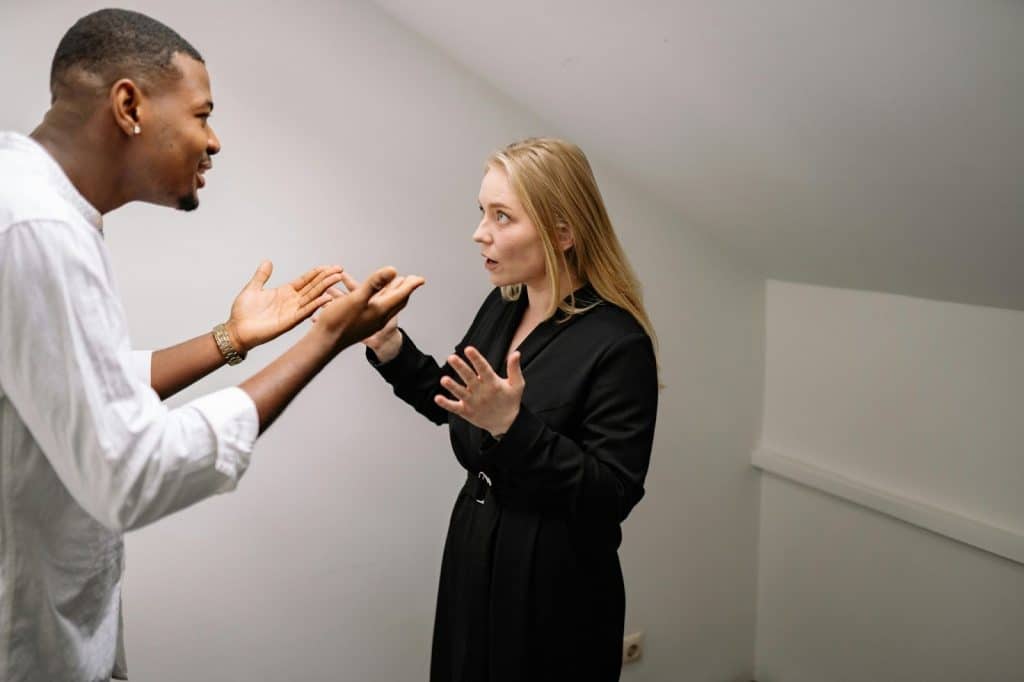
Couples stop choosing each other faster when emotional safety drops. Emotional safety includes feeling heard, respected, and safe to be imperfect. When safety is low, partners protect themselves through distance. That distance can look like quietness, sarcasm, or avoiding real conversations. The marriage becomes polite but not close. Once softness disappears, repair becomes harder. These patterns often show up after repeated small hurts. The drift becomes emotional, not just logistical. Emotional drift is what makes people feel alone in the same home.
They Stop Sharing Vulnerability

Vulnerability is often the first thing to go after repeated disappointment. A partner may stop sharing fears, hopes, and deeper feelings. They keep things surface-level to avoid conflict or rejection. This reduces closeness even if the marriage stays peaceful. Peace without depth often becomes emotional emptiness. Emotional emptiness often becomes resentment later. Partners can feel “fine” while becoming strangers. Choosing each other means staying emotionally available. Emotional availability requires safety. If safety is missing, vulnerability disappears quickly.
They Start Assuming the Worst Instead of Checking

When couples drift, empathy often drops. Partners start interpreting mistakes as disrespect. A forgotten task becomes selfishness. A bad mood becomes rejection. This creates tension and defensiveness. Defensiveness makes honesty harder. Honesty becomes rarer. Then misunderstanding grows. This is how small issues become big distances. Choosing each other includes giving benefit of the doubt. It also includes asking, not assuming. When assumptions replace curiosity, connection weakens quickly.
They Stop Repairing After Conflict

Conflict does not destroy marriages; lack of repair does. Drifting couples argue, then move on cold. Or they avoid conflict entirely and let issues pile up. Either way, resentment grows. Resentment changes tone, touch, and patience. Partners stop feeling safe bringing issues up. The marriage becomes emotionally messy beneath a calm surface. Repair is what cleans emotional mess. Without repair, emotional dirt accumulates. Accumulated resentment makes affection feel unnatural. Choosing each other means closing loops, not leaving wounds open.
They Use Criticism Instead of Requests

Criticism is often a disguised request with anger attached. Instead of saying what is needed, a partner attacks what is wrong. This creates defensiveness and distance. Over time, both partners start speaking less kindly. Kindness fades because resentment rises. Resentment rises because needs are not addressed clearly. The cycle feeds itself. Choosing each other includes learning to ask directly. Direct asking is not weakness; it is maturity. Mature communication protects intimacy. Criticism erodes it.
The Priority Shifts: When the Marriage Becomes Optional

Couples stop choosing each other when the marriage stops feeling like a priority. This does not always mean someone is cheating. It can mean the relationship gets postponed indefinitely. Work, kids, hobbies, friends, and family needs become the main focus. Those things matter, but a marriage also needs maintenance. Without maintenance, connection fades. Then partners stop turning to each other for comfort. They turn elsewhere. That “elsewhere” can be work, friends, or distractions. When the marriage becomes optional, it becomes fragile.
They Stop Doing Small Acts of Care
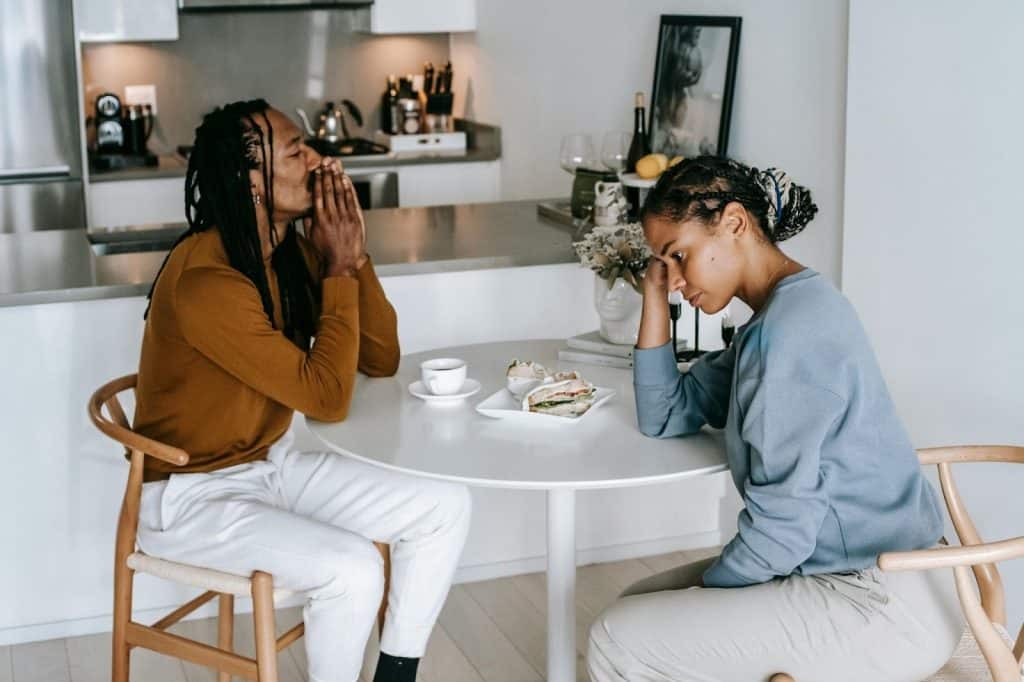
Small acts of care are daily proofs of love. Things like making coffee, checking in, or doing a task to reduce stress matter more than people admit. When these acts fade, partners feel less supported. Feeling less supported leads to emotional withdrawal. Withdrawal reduces warmth. Warmth reduces motivation to give. The relationship becomes stingier with care. That stinginess turns love into duty. Choosing each other includes small daily kindness. It is not grand romance; it is sustained care.
They Stop Celebrating Each Other

Celebration includes pride, enthusiasm, and acknowledgment. When partners stop celebrating wins and progress, the relationship becomes emotionally flat. People want to feel seen and valued by the person they live with. If that recognition disappears, emotional loneliness grows. Some partners then seek validation elsewhere. That can create more distance and insecurity. Celebration does not need big events. It can be a simple “I’m proud of you” or “that was impressive.” When celebration fades, admiration fades too. And admiration is a major glue in marriage.
They Start Keeping More of Life Separate
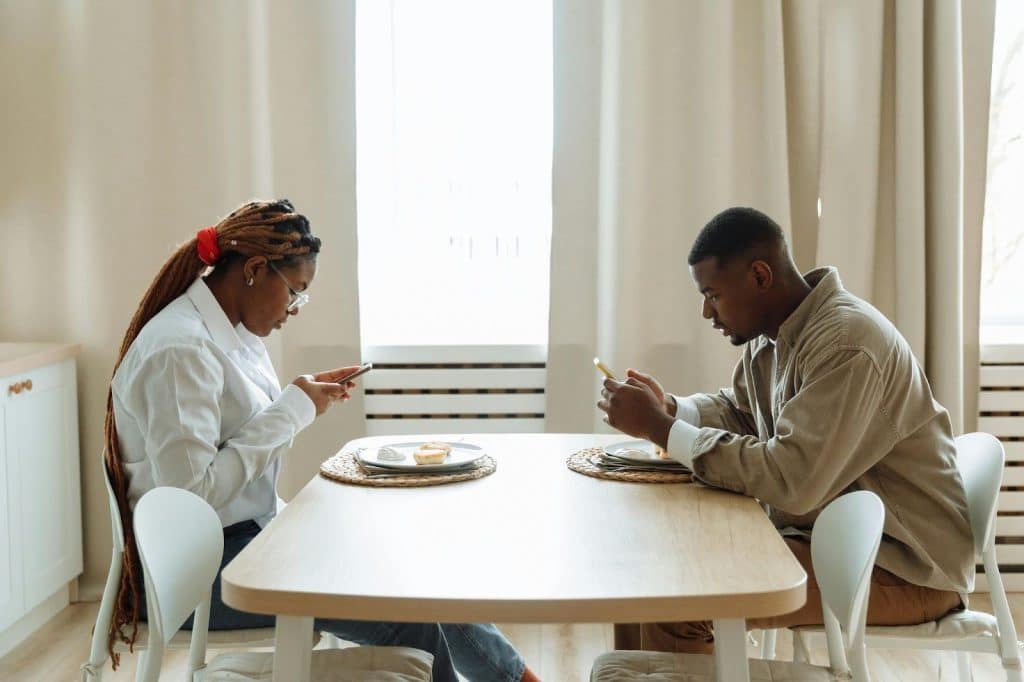
Some separation is healthy, but emotional separation is different. Partners start living parallel lives: separate routines, separate plans, separate emotional worlds. They share bills and responsibilities but not closeness. This often happens slowly, and it feels normal until it feels lonely. The couple becomes efficient but not intimate. Efficiency can keep a household running. It does not keep love warm. Choosing each other includes building a shared emotional life. If the shared emotional life disappears, the marriage becomes a structure without a bond.
They Treat Each Other Like a Problem Instead of a Person

When drift is advanced, partners start viewing each other through frustration. They see flaws and burdens more than strengths. They speak with impatience and reduced empathy. This changes the relationship tone dramatically. A person who feels like a problem will eventually withdraw. Withdrawal then “confirms” the negative story. This becomes a feedback loop of disappointment. Choosing each other includes remembering the person behind the stress. People are not problems; patterns are. When partners focus on fixing patterns instead of blaming identity, closeness can return.
They Stop Making the Marriage Feel Like Home

Home should feel emotionally safe, not tense. When couples stop choosing each other, home starts feeling like a workplace. Conversations feel transactional. Affection feels rare. Emotional presence feels missing. People start escaping into screens, work, or outside validation. Marriage becomes a place of low energy. Low energy marriages often last for years but feel empty. Choosing each other means making home feel like a connection again. That requires intentional warmth, repair, and attention. Without those, home becomes a shared space, not a shared life.
Tips: How to Notice Drift Before It Becomes Distance

Pay attention to reduced warmth, reduced curiosity, and reduced affection. Notice whether conversations are mostly logistics. Watch whether repair happens after conflict or issues stay open. Notice whether time together is intentional or accidental. Track whether both partners still celebrate wins and offer small care. Pay attention to whether “we” language is fading. Look for increased reliance on screens as default coping. These early signals matter because they are fixable. Drift is easiest to stop early. Waiting makes it harder.
Tips: Small Daily Choices That Rebuild “Choosing”

Start with short, consistent rituals: warm greetings, a daily check-in, or a shared meal. Create a device-free window for real conversation. Offer one specific appreciation each day, even if life is busy. Close loops after conflict with repair and reassurance. Replace criticism with direct requests and calm accountability. Protect a weekly connection block like it is non-negotiable. Share emotional labor by planning together rather than leaving it to one partner. Small daily choices create big emotional change over time.
Tips: When Drift Needs Bigger Support

If contempt, chronic disrespect, or emotional shutdown is present, small rituals may not be enough. If one partner refuses conversation or repair, the marriage may be stuck. In those cases, structured support can help, such as counseling or guided communication tools. Outside support can reduce defensiveness and create safer dialogue. It can also help identify patterns like burnout, depression, or unresolved resentment. The goal is not to assign blame. The goal is to rebuild safety and teamwork. If both partners are willing, progress can happen quickly. If willingness is one-sided, clarity becomes necessary.
Choosing Each Other Is a Habit, Not a Feeling

Husbands and wives usually stop choosing each other in small ways, not dramatic ones. It starts with less presence, less curiosity, and less intentional care. Over time, the marriage becomes routine and emotionally thin. The good news is that small choices can rebuild connection when drift is caught early. Warm greetings, honest check-ins, repair after conflict, and protected time together matter more than grand gestures. Admiration and affection often return when respect and teamwork return. A marriage stays alive through daily attention, not occasional panic. Choosing each other is not a one-time vow. It is a habit practiced in ordinary moments. Those ordinary moments are where long-term love is won or lost.








Ask Me Anything