
After betrayal, most people search for the “right” choice. The harsh truth is that both staying and leaving come with pain, trade-offs, and long-term consequences. Staying can preserve the family structure, history, and shared life, but it often requires years of rebuilding. Walking away can protect self-respect and reduce daily triggers, but it can also bring grief, disruption, and loneliness. Neither path is automatically brave or weak. The best choice depends on safety, remorse, patterns, and the betrayed partner’s capacity to heal. Betrayal forces a decision, but clarity often takes time. These truths explain what each option really costs.
The Reality of Staying: Rebuilding Is Not Forgiving Once

Staying is often pictured as “forgiving and moving on.” In real life, staying usually means living through waves of doubt, triggers, and emotional fatigue. It also means facing the betrayer daily while trying to rebuild trust. That is not a one-time decision; it is repeated work. People who stay often underestimate the timeline, and people who leave often underestimate the grief. The most important factor is whether the relationship becomes safer over time. If safety does not increase, staying becomes an ongoing self-harm. If safety does increase, staying can become a second chapter. These truths cover the hard parts of rebuilding.
Trust Doesn’t Come Back on a Schedule

Trust recovery is not linear. Some days feel hopeful and others feel brutal for no clear reason. Triggers can appear from songs, places, texts, or random memories. Staying means living with those triggers while trying to function normally. The betrayed partner may feel guilty for “still thinking about it.” But the nervous system does not care about guilt; it responds to threat and memory. This can strain the relationship even when both people want repair. A fixed deadline for healing often makes it worse. Real trust returns through consistent proof over time, not pressure.
Staying Can Turn Into Quiet Surveillance

Many couples who stay end up negotiating transparency. Phones, schedules, locations, and social boundaries become sensitive topics. That can help rebuild trust early, but it can also create a prison dynamic if it never ends. A relationship cannot stay healthy if one person becomes the monitor and the other becomes the suspect forever. Monitoring drains energy and increases anxiety. Anxiety often kills intimacy. If transparency is offered willingly and fades as trust returns, it can support repair. If it becomes a permanent system, it often signals deeper problems. Staying requires rebuilding safety, not building a surveillance state.
Remorse Matters More Than Words

Many betrayers apologize quickly but resist the deeper work. Real remorse looks like accountability, patience, empathy, and consistent change. It includes answering hard questions without punishing the betrayed partner for asking. It also includes changing routines and boundaries, not just making promises. If remorse is performative, the betrayed partner will feel it. Performative remorse keeps the relationship stuck in doubt. Doubt blocks healing. Staying only works when the betrayer becomes emotionally reliable over time. Without that reliability, staying becomes emotional roulette.
The Reality of Leaving: Closure Is Not Instant Either

Walking away can feel like the clean choice, but it is rarely emotionally clean. Leaving often creates grief, identity disruption, and long periods of second-guessing. It can also create financial and logistical chaos, especially with children. Many people assume leaving ends the pain quickly. Often, it ends the daily triggers, but it introduces new ones: loneliness, regret, and anger. Leaving can also feel empowering and heartbreaking at the same time. Both emotions can exist without contradiction. The harsh truth is that leaving is not a shortcut to peace. It is a different road to peace.
Leaving Doesn’t Cancel the Love That Was Real

A relationship can end and still have real love. Betrayal can coexist with genuine history and genuine attachment. That makes leaving complicated. People can feel angry and still miss the person intensely. They can also feel relief and guilt at the same time. This emotional complexity often makes people return to the relationship too soon. It can also make them romanticize the past and minimize the betrayal. Leaving requires accepting two truths: love existed, and trust was broken. Both truths matter. Healing begins when reality is accepted fully.
Co-Parenting Can Keep the Betrayal Alive

If children are involved, leaving rarely means full separation. Co-parenting keeps contact and coordination active. That can keep triggers alive even after the relationship ends. The betrayed partner may feel like they cannot fully escape the emotional injury. This can slow healing and complicate future relationships. Clear boundaries and structured communication become crucial. Without structure, co-parenting can become a continued battlefield. Leaving protects the romantic bond from further damage, but it may not remove the betrayer from daily life. This is one reason leaving is not always the “easy way.” It is just a different kind of hardship.
The Harsh Middle Truth: Staying or Leaving Both Require Self-Respect

Betrayal often forces a person to rebuild self-worth. That self-worth cannot be rebuilt through the betrayer’s reassurance alone. Staying without boundaries often destroys self-respect. Leaving without processing can also damage self-respect if it becomes avoidance. Both paths require clarity about what is acceptable. Both require saying “this will never be normal again.” The relationship may be rebuilt, but it will not be the same relationship. Staying or leaving becomes healthier when self-respect is protected. Self-respect includes boundaries, support, and honest choices. Without it, either path can become prolonged suffering.
Staying Can Keep a Person Stuck in “Recovery Mode”

Some people stay and become permanently defined by betrayal. Every argument returns to it. Every mood shift becomes suspicious. The marriage becomes a therapy project rather than a partnership. This can happen even with sincere remorse. It happens when the nervous system cannot relax. In that state, life feels like constant rebuilding with no peace. Staying should not mean living in a permanent trauma loop. If the relationship cannot create safety, staying may prolong injury. Recovery mode should gradually become normal again. If it never does, that is information.
Leaving Can Create a “Revenge Healing” Trap

Some people move on by trying to prove they are fine. They date quickly, post happiness, or chase attention to numb pain. This can look like strength but often hides unresolved grief. Unresolved grief tends to leak into future relationships as distrust or emotional walls. Revenge healing also keeps the betrayer psychologically central. The goal becomes “winning,” not healing. Real healing is quieter: stable routines, self-trust, and clear boundaries. If leaving becomes a performance, pain often stays underneath. The harsh truth is that moving fast is not the same as moving on. Speed can be avoided.
Staying Requires Rebuilding Sexual and Emotional Safety

Many couples underestimate the intimacy cost. Betrayal often damages desire because desire depends on safety. Even if forgiveness happens, the body may still resist closeness. Sexual triggers can appear unexpectedly. The betrayed partner may feel torn between wanting connection and feeling disgust or fear. The betrayer may feel rejected and become defensive. That dynamic can create more distance. Rebuilding intimacy requires patience, empathy, and consistent safety-building. It often takes longer than people expect. Staying is not only about staying together; it is about rebuilding closeness safely. Without safety, intimacy becomes pressure.
Leaving Can Hurt the Identity of “Being Loyal”

Some people stay because loyalty is part of their identity. Leaving can feel like failure, even when the betrayal was real. Social judgment and family expectations can intensify this. The betrayed person may feel shame for leaving, even though they were harmed. That shame can delay healing and lead to returning too soon. Healing requires separating morality from compatibility and safety. Leaving is not always betrayal of vows; sometimes it is protection of dignity. A marriage can be preserved and still be emotionally damaging. Loyalty should not require self-abandonment.
The Betrayer’s Behavior After Getting “Another Chance” Matters Most

Staying gives the betrayer access to repair, or to repeat. The harsh truth is that some people improve briefly, then drift back into old patterns. If the betrayer becomes impatient, secretive, or defensive again, trust collapses faster the second time. The betrayed partner then feels doubly foolish, which deepens trauma. This is why staying requires watching patterns, not promises. If behavior change is consistent and transparent, staying can become safer over time. If behavior change is temporary, staying becomes self-harm. Consistency is the only proof. Time alone is not proof.
Leaving Is Sometimes the Only Way to Stop the Damage

If betrayal is repeated, denied, or paired with emotional abuse, leaving often becomes the safest option. Healing cannot happen in an unsafe environment. Trust cannot rebuild where honesty is missing. Self-respect cannot survive where boundaries are mocked. In those situations, staying often rewards harmful behavior. Leaving can be the first moment of real peace. It can also protect children from chronic tension and instability. The harsh truth is that some relationships cannot be repaired because willingness is one-sided. Repair requires two people. Without two people, staying is just enduring.
The Choice Is Often About Capacity, Not Love

Love can exist and still not be enough. Some betrayed partners cannot rebuild trust, even with sincere remorse. That is not weakness; it is the nervous system’s reality. Others can rebuild, but only with strict boundaries and time. Some people stay because of kids, finances, or long history. Others leave because the betrayal violates core identity. Both choices can be valid. The better question is: is the relationship becoming safer and healthier over time? If yes, staying may be possible. If not, leaving may be necessary. Capacity matters more than romance.
People Who Stay Must Accept the Relationship Will Not Be the Same

Staying often fails when people expect a full return to “before.” Betrayal changes the relationship’s story permanently. Even healed couples carry a scar. The goal is not to erase the scar. The goal is to build a new structure where trust is earned and protected. That new structure may include clearer boundaries, better communication, and deeper honesty. If someone cannot accept the “new marriage,” they may stay bitter. Bitterness becomes emotional poison. Staying requires choosing the new reality rather than mourning the old one forever.
People Who Leave Must Accept the Grief Will Be Real

Leaving is not just ending pain; it is ending a shared future. Grief will show up even when leaving is the healthiest choice. Many people judge themselves for missing someone who hurt them. But grief does not mean the choice was wrong. It means attachment was real. Healing includes allowing grief without romanticizing betrayal. It also includes building a new identity outside the relationship. That identity rebuild takes time. People who accept grief recover more cleanly than people who suppress it. Leaving works better when grief is processed.
The Hardest Truth: Staying and Leaving Both Require Support

Betrayal is traumatic for many people. Isolation makes the trauma worse. Support can include therapy, trusted friends, support groups, and healthy routines. Staying often needs structured repair conversations and boundaries. Leaving often needs structure to handle grief, loneliness, and co-parenting. Both paths require mental and physical self-care. Without support, either path can lead to prolonged suffering. With support, either path can lead to growth. The healthiest outcomes rarely happen through willpower alone. Healing needs community and structure.
Tips: How to Decide Without Self-Betrayal

Start by identifying non-negotiables: honesty, transparency, safety, and respect. Observe whether the betrayer shows consistent remorse through actions. Check whether the nervous system can calm down in the relationship over time. Look at patterns, not speeches, especially after the initial crisis fades. Consider practical realities like children, finances, and housing without using them as excuses to ignore safety. Ask whether staying makes life healthier or just more familiar. Ask whether leaving is fear-driven or dignity-driven. A decision made with clarity is less likely to become regretful. Self-respect should be present in either choice.
Tips: What Makes Staying Work When It Does Work
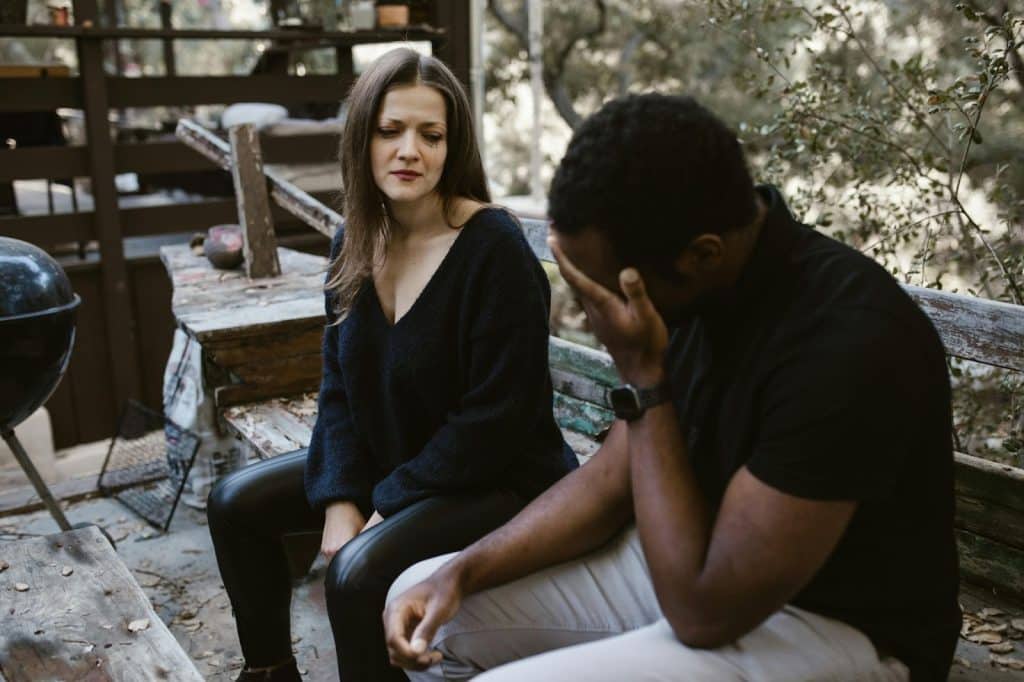
Staying tends to work when the betrayer is fully accountable and consistently transparent. It also works when both partners commit to repair, not just survival. Clear boundaries with third parties and environments are essential. Regular check-ins help rebuild emotional safety and reduce guesswork. The betrayed partner needs permission to heal at their own pace without being rushed. Intimacy should be rebuilt gently, not demanded. If progress is real, the relationship will feel safer over time, not more tense. Real repair is boring and consistent, not dramatic. Consistency is what rebuilds trust.
The Best Choice Is the One That Protects Safety and Self-Respect

After betrayal, staying and leaving are both hard paths. Staying requires long-term rebuilding, consistent remorse, and a new relationship structure. Leaving requires grief, identity rebuild, and often logistical disruption. Gender does not decide the correct answer; safety and pattern evidence do. The harsh truth is that love alone cannot repair betrayal without accountability and change. The hopeful truth is that healing is possible in either direction. The goal is not to look strong. The goal is to become safe, stable, and self-respecting again. Whether that happens inside the marriage or outside it depends on the reality of the relationship. Reality, not hope, should guide the decision.








Ask Me Anything