Dating again after having gone through the tough decision of divorce is never an easy task. It brings back so many flashbacks of the past traumatic experience or the fond memories of their partner if they were once deeply in love. In either case, starting over weighs heavy on the heart. They find trusting anyone new harder and opening up harder; they have already experienced first love so they are more practical about their terms of settling down and above all, many older men feel they can’t enter a new relationship unless fully healed from the previous. Here are 15 key reasons why older men are reluctant to found a new relationship after divorce or loss
Emotional Baggage from the Past
After losing a partner to death or divorce, starting afresh is very difficult for most men, as they still carry the wounds from the past, which are not fully healed yet. There is remorse, what-ifs, grief, and confusion about this transition in life, making them less interested in seeking new partnerships.
Fear of Rejection
If it was an ugly divorce initiated by their ex-partner, then it served a blow to their self-confidence and self-esteem. They fear connecting with someone, as they can’t put up with another rejection in life. So, to protect themselves, they stay out of the dating hassle, as they feel too demotivated from the past hurt.
Uncertainty About Modern Dating Norms
They loved, and they lived that love; although things didn’t go their way, they tried saving their love. The new dating trends are too unfamiliar and cumbersome for them. With the insight and lessons their past relationship gave them and the maturity that comes with age, they aren’t seeking dates just for the thrill or sheer infatuation; rather, they want a serious and genuine, long-term commitment. The current shallow digital dating era is just not their cup of tea.
Comfort in Solitude
If the marriage was marked by chaos and emotional turbulence, they now find peace in the quiet and calm solitude of singlehood. They don’t want to jeopardize their personal space, emotional safety, and freedom again.
Financial Concerns

Dating or a new partnership will bring along new financial responsibilities. Men who are already dealing with the legalities, like child support, alimony, asset distribution, etc., post-divorce may find dating a new dent in their pocket.
Fear of Reliving Heartbreak

Having experienced the deep pain of heartbreak, they just don’t want to go through the same emotional pain again. They simply withdraw themselves from the dating world and find solace in their own company as a form of self-protection.
Shifting Life Priorities
Older men have developed immense emotional maturity and, by now, financial stability in life. They aren’t the same young men who were once striving to establish themselves financially and settle down with the love of their life. They now have clear goals, dreams, and hobbies like travelling, golf, etc., besides wasting their energy on finding new love to feel fulfilled.
Doubts About Attractiveness or Worthiness

Aging can bring out a negative body image; they may have insecurities like, “Who is going to get into a relationship out of real love with me?” Isn’t she too young for me? Can I cope with the modern trends of dating and so on? These thoughts lower their self-confidence as they feel less desirable and attractive now
Social Stigma and Pressure

Societal or cultural views on dating may be too dissuading sometimes; if he starts seeking a new relationship too soon after loss or divorce, he is judged or called too impatient. If he takes too long, the judgment is still there.
Smaller Social Circles

When a man gets married, all his focus and time naturally get shifted to his own small family that he has started. Over some years, he has lost many long-term connections or friendships or even family ties. Now at this stage, when he loses his spouse or gets divorced, he has a very limited number of friends or social circles as a whole, which makes it hard to stumble upon someone new by happenstance in any event or gathering.
Fear of Compatibility Challenges
Finding a partner whose perspective, mindset, and values align with his is an uphill task now. As years have gone by, they have given him the emotional maturity and the sense to navigate relationships with the perfect list of dos and don’ts at his fingertips now. He just can’t expect a new younger person who hasn’t experienced the same highs and lows to understand his point of view. This creates a fear of emotional and mental incompatibility that stops him in his tracks whenever he tries to search for a potential date.
Loyalty and Mourning for a Lost Partner
If death separated him from his loved one, then it’s very deeply human to cling on to the good memories of the good old days and the grief that comes with losing someone who meant the world to him. They don’t want to move on, as they view it as deceiving their ex. Because they had mentally committed to loving only them for their whole life.
Concern About Family Reactions

Old men whose children are adults now fear receiving backlash from their children if they choose to establish a new relationship or how this change will transform their family dynamics as a whole. This fear keeps them single even after years of divorce.
Health Issues and Vulnerability
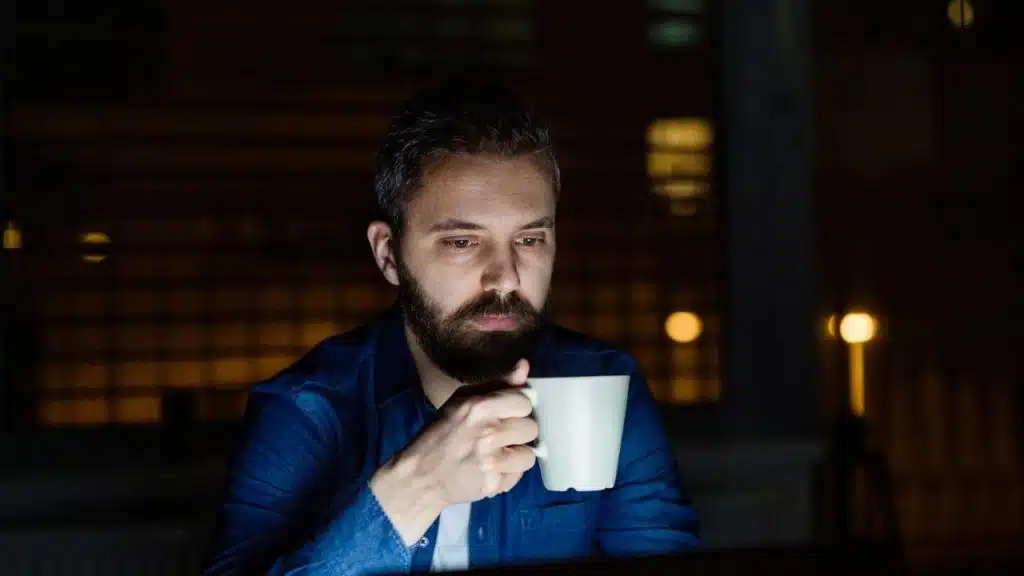
Men in midlife don’t feel the same level of enthusiasm or even physical energy to carry on with the hassle of coping with their partner’s expectations if they do find someone new. They find it tiring and too emotionally draining.
Belief Love Isn’t for Them Anymore
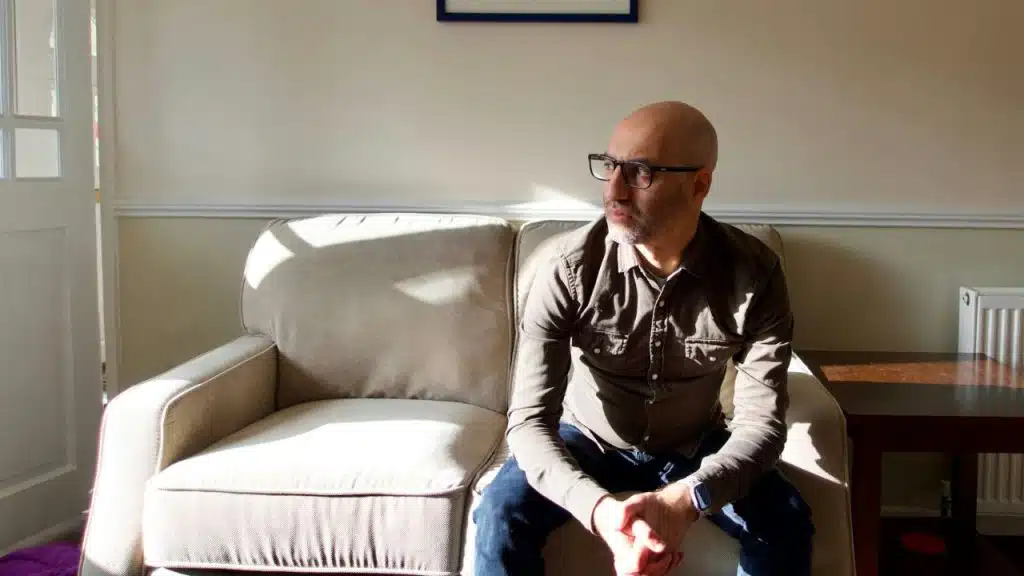
After going through a really tough marriage experience that ended on a bad note, they no longer believe in love. They don’t have faith in the healing power of love anymore, as it gave them nothing but trauma and grief.
Final Thoughts
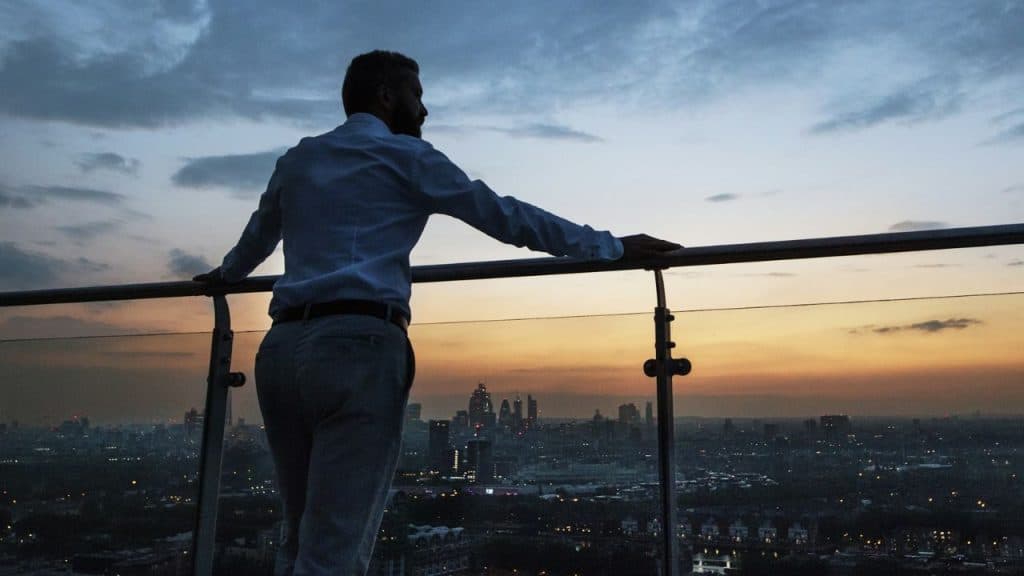
Old men avoid dating not because they want to stay single for life or they have lost the capability to fall in love again. Many times a lot of cultural, personal, social, emotional, or financial issues are at play that determine the path a man takes post-divorce. They usually take this time for self-evaluation, healing fully from the trauma, and reassessing personal priorities before they rush into the next relationship. They now establish new connections with a clear mind, a fully healed self and strict boundaries about what’s acceptable or not for sustaining a healthy relationship long-term.








Ask Me Anything