
Staying after betrayal can be brave, but it is never simple. Many people assume staying is the “easier” option because it avoids separation, family disruption, and big life changes. In reality, staying often requires more emotional work than leaving. Trust does not automatically return because love is still there. Betrayal changes the relationship’s nervous system, not just the story. Even when both partners want to rebuild, the process can be messy and slow. These realities explain what staying truly costs, and what it demands.
You Can Love Them and Still Not Feel Safe

Love can remain, but safety often disappears. After betrayal, the body stays on alert even during normal days. You may still enjoy moments together but feel anxious underneath. This creates emotional confusion because affection and fear coexist. Safety has to be rebuilt through consistent evidence, not reassurance alone. The betrayed partner is not “crazy” for feeling on edge. Love is not the same as trust.
Forgiveness Does Not Equal Forgetting

Some people forgive and expect memory to disappear. That rarely happens. The mind remembers betrayal to prevent repeat harm. Triggers can show up months or years later, even during good seasons. Forgetting is not the goal; emotional stability is. A relationship can recover without erasing the past. But it cannot recover if the past is treated like it should not exist. Healing means learning to carry the memory without letting it control daily life.
The Betrayed Partner Often Becomes Hypervigilant

You may check details you never cared about before: time, tone, phone habits, and inconsistencies. Hypervigilance is a protective response, not a character flaw. The problem is that it is exhausting to live in detective mode. It can also create constant tension in the household. The betrayed partner needs reassurance through behaviour, not pressure to “just trust.” Hypervigilance fades when stability is proven repeatedly. Until then, suspicion is normal.
The Unfaithful Partner Has to Accept a New Standard of Transparency

Privacy and secrecy are not the same thing. After betrayal, transparency often becomes necessary to rebuild safety. That can include clearer schedules, more openness with communication, and stronger boundaries. Many unfaithful partners resist this because it feels controlling. But the relationship cannot heal while secrecy remains. Transparency is not punishment; it is trust repair. Refusing transparency often means refusing recovery.
People Will Tell You What You “Should” Do

Staying after betrayal invites judgement from outsiders. Some people will call you weak for staying. Others will call you selfish for leaving. These voices can create shame that complicates healing. The betrayed partner often carries social pressure on top of emotional pain. This can make the decision feel isolating. The truth is that only the people inside the marriage know the full reality. Outsiders often simplify what is complex. Clarity matters more than approval.
The Relationship Will Never Go Back to the Old Version

Many people try to rebuild the old marriage. That usually fails because the old marriage contained the conditions that allowed betrayal. The goal is a new relationship with new rules and new habits. That new relationship can be stronger, but it will be different. Grief is part of the process, even when you stay. You are grieving the innocence and the previous sense of safety. Recovery requires accepting that the “before” is over. Rebuilding means creating a new structure.
The Betrayed Partner May Feel Embarrassed Even If Nobody Knows
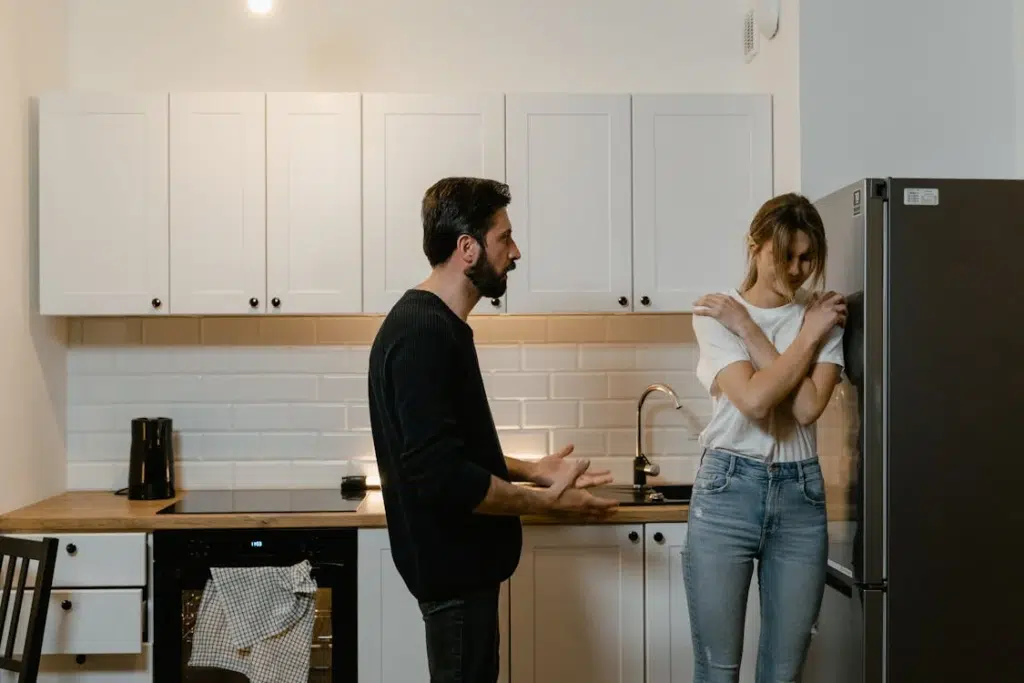
Betrayal often triggers shame in the betrayed person, even though they did not cause it. Some feel foolish for trusting. Others feel humiliated, especially if the betrayal involved secrecy over time. This shame can make it harder to ask for support. It can also create anger and withdrawal. Shame is dangerous because it isolates. Healing requires self-respect, not self-blame. The betrayed partner must protect their dignity while rebuilding.
Intrusive Thoughts Can Become a Daily Battle

Many people replay details and imagine scenarios. The mind tries to fill gaps to regain control. This can interfere with sleep, focus, and mood. Intrusive thoughts are common in betrayal recovery. They do not mean you are dramatic; they mean your brain is processing threat. The challenge is not having the thoughts, but managing them without spiraling. Progress often looks like fewer spirals, not zero memories. Healing is gradual, not instant.
Physical Intimacy Can Become Complicated

Some couples feel drawn together physically after betrayal. Others feel repelled, numb, or pressured. Both responses are normal. Physical intimacy can trigger images, distrust, or fear of being compared. It can also be used as reassurance, which creates pressure. Healthy intimacy returns when safety returns, not when it is forced. Consent and patience are essential. Intimacy cannot be demanded as proof of forgiveness.
You May Resent Yourself for Staying

Even if staying is a rational decision, emotions can lag behind. Some people feel angry at themselves for accepting what happened. They may fear they lowered their standards or lost their dignity. This internal conflict can show up as bitterness or emotional distance. Staying requires a strong reason and a clear plan, not only hope. If the betrayed partner feels trapped, resentment grows. The decision must feel chosen, not forced. Self-respect must be protected throughout the process.
Accountability Has to Be Specific, Not Vague

Many unfaithful partners say “I’m sorry” and want to move on. But healing needs more than regret. It needs clear accountability: what happened, why it happened, and what changes prevent repeat. This should not be endless punishment, but it must be real clarity. Vague answers create more anxiety. Real accountability includes behavioural change and boundary rebuilding. Without specifics, trust cannot rebuild. Apologies without structure do not hold.
The Betrayed Partner Will Need Space to Be Angry

Anger is a normal response to betrayal. It often comes in waves, even after calm weeks. Some unfaithful partners want anger to stop quickly because it is uncomfortable. But rushing emotions creates fake peace. The betrayed partner needs a safe way to express anger without becoming abusive. That includes boundaries, timing, and respectful communication. Anger processed well becomes clarity. Anger suppressed becomes contempt.
“Getting Over It” Is Not a Real Timeline

Many couples ask, “How long will this take?” The truth is that healing is not linear. Some days feel hopeful, then a small trigger resets everything. This can be discouraging if couples expect steady improvement. Progress is often measured in how quickly you recover after setbacks. It also depends on consistency of the unfaithful partner’s behaviour. Pressure to heal fast often slows healing. Time helps, but behaviour is the real medicine.
Boundaries With the Outside World Must Change

If the betrayal involved a specific person, contact must usually end completely. If it involved “grey area” behaviour, boundaries still need tightening. That might include changes in social media habits, messaging, work interactions, or late-night outings. These changes are not about control; they are about prevention. A recovered marriage often requires a different lifestyle than before. If old patterns stay, the risk stays. Boundaries are the fence that protects rebuilding.
Friends and Family Can Become a Hidden Battlefield

Some couples hide betrayal from everyone, which creates isolation. Others involve too many people, which creates judgement and interference. Either extreme can hurt recovery. Outsiders may also treat the unfaithful partner differently, creating tension. The betrayed partner may feel torn between privacy and support. Couples need a strategy for who knows what and why. The goal is support without chaos. Privacy should protect healing, not hide it.
Rebuilding Trust Requires Daily Choices, Not Occasional Grand Gestures

Big romantic gestures can feel good, but they do not rebuild trust alone. Trust is rebuilt through daily consistency: honesty, transparency, and respectful behaviour under stress. It is built when the unfaithful partner keeps their word repeatedly. It is also built when they handle triggers with patience instead of defensiveness. Many couples fail because they rely on speeches instead of patterns. Trust is a habit, not a moment. Daily behaviour is the proof.
Some People Stay and Still Never Feel Fully Safe Again

Not every betrayal recovery ends with complete trust. Some people choose to stay for family, shared life, or personal reasons, but the nervous system never fully relaxes. They may forgive but remain cautious permanently. This is not always failure; it is sometimes reality. The question becomes whether the relationship still feels worth it. Staying can still be valid even with lingering pain, but it must be honest. Pretending safety exists when it doesn’t creates more damage. Realistic expectations protect mental health.
Staying Requires Both People to Grow, Not Only the One Who Betrayed

The unfaithful partner must change, but the marriage also needs new skills. Communication, boundaries, repair habits, and emotional regulation often need upgrading. The betrayed partner may also need support for trauma responses and self-worth. This does not mean “both caused it.” It means both must build the new relationship. If only one person works, recovery stalls. Staying requires teamwork, not one-sided effort. Healing is a shared project.
Trust Can Return, But It Returns as Cautious Trust

Even when recovery goes well, trust often returns differently. It may be slower, more deliberate, and more evidence-based. The betrayed partner may never be as naive as before, and that can be healthy. The relationship becomes more intentional. Couples who heal often become clearer about boundaries and needs. That clarity can create stability, but it comes with humility. Trust returns when behaviour stays consistent long enough to change expectations. The goal is not blind trust, it is stable trust.
You Have to Decide What “Success” Looks Like

Some couples define success as being back to normal. Others define it as being honest, safe, and emotionally healthier than before. Success might mean rebuilding a strong marriage, or it might mean separating with clarity and respect after trying. Staying should not be endless suffering. It should be a path with measurable progress. Couples need checkpoints, not vague hope. A clear definition of success prevents years of limbo.








Ask Me Anything