
A sense of stability often supports confidence in relationships. In today’s dating environment, however, access to large pools of potential partners has become common. This shift rarely alters perception overnight and instead develops through repeated small experiences such as seeing new profiles daily or noticing how quickly conversations can shift. Over time, these patterns may influence how men interpret their value within romantic connections. Some men may recognize feelings of replaceability early, particularly after repeated online comparisons or abrupt endings, while others may only notice subtle changes in confidence over time. The following slides explore how app culture, social media, communication habits, and shifting expectations contribute to this perception.
When Endless Options Feel Overwhelming

Dating platforms present what feels like an unlimited stream of potential matches. With each swipe, another profile appears, reinforcing the sense that options never run out. This constant flow can heighten awareness of competition in subtle but powerful ways. Men may assume they are being evaluated alongside countless alternatives at any given moment. Even when a conversation feels promising, the visibility of other choices can create quiet uncertainty. Abundance shifts attention away from connection and toward comparison.
When Swiping Becomes Automatic

Swiping often turns into a reflex rather than a thoughtful decision. The speed of interaction can make profiles feel interchangeable instead of distinct. When attention is given and withdrawn within seconds, connections may seem temporary by design. The repetitive motion reinforces the idea that someone new is always one swipe away. This rhythm can subtly influence how unique any one person feels. Habit changes how value is interpreted.
When Promising Conversations Suddenly Disappear
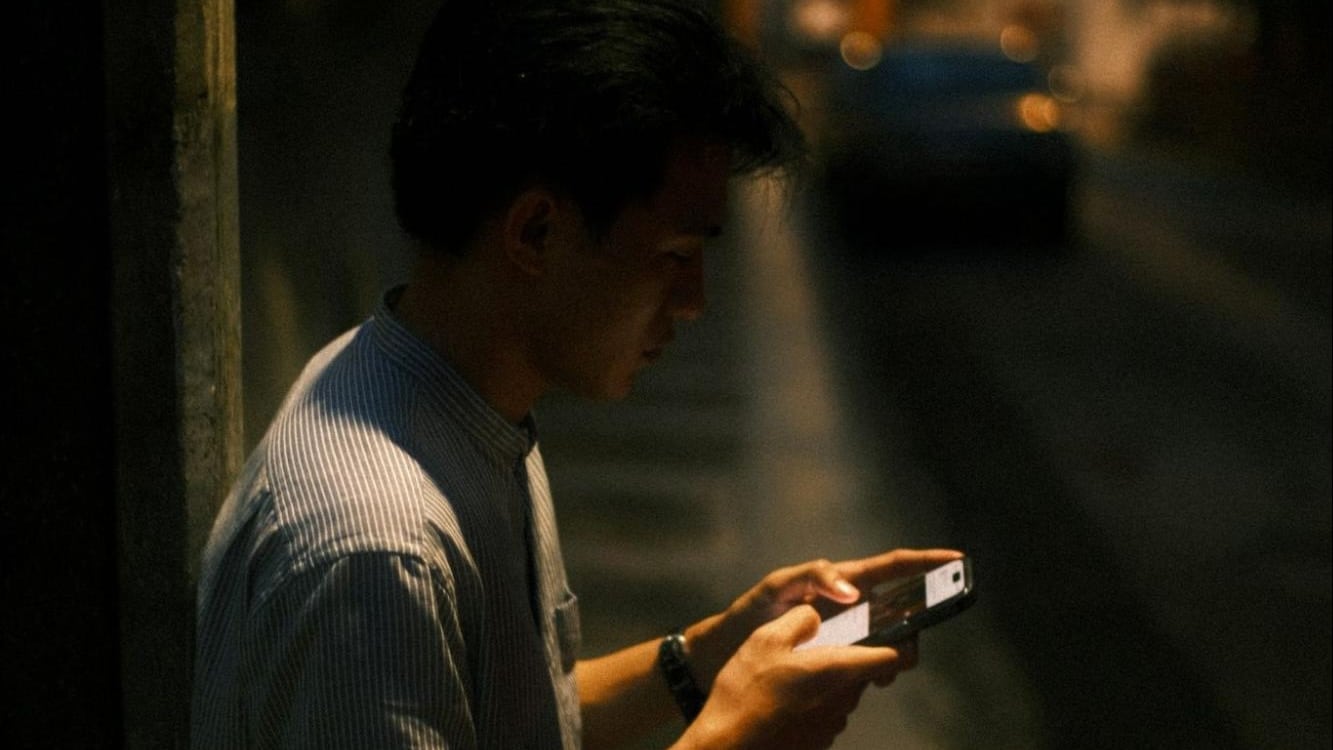
Many conversations begin with enthusiasm and steady replies. Then, without warning, communication stops. The sudden shift leaves space for doubt because there is no explanation to provide clarity. Men may replay previous messages searching for mistakes. Even when the reason has nothing to do with them, the silence can feel personal. Repeated experiences of abrupt endings can make consistency feel unreliable.
When Social Media Highlights Alternatives

Public platforms frequently display likes, comments, and new connections in real time. Seeing a partner engage with others online may heighten awareness of competing attention. Even neutral interactions can be interpreted through a lens of comparison. Constant exposure to digital activity increases sensitivity to small changes. Men may wonder whether they are one of many ongoing conversations. Online visibility shapes emotional reactions in ways that feel immediate.
When Algorithms Quietly Shape Attention

Dating apps rely on complex systems to determine which profiles appear most often. Shifts in visibility can happen without any clear explanation. A decline in matches may reflect technical adjustments rather than personal desirability. Without insight into these mechanics, it is easy to internalize changes as rejection. Limited transparency can intensify uncertainty. Platform design influences confidence indirectly but meaningfully.
When Comparison Becomes Constant

Profiles tend to showcase achievements, travel photos, and carefully chosen images. Viewing these polished snapshots can invite ongoing comparison. Men may measure their own careers, hobbies, or appearance against what they see. The curated nature of profiles often goes unnoticed in the moment. Frequent exposure to idealized portrayals can heighten self-scrutiny. Contrast fuels the feeling of being easily replaced.
When Attention Fades as Fast as It Starts

Some matches begin with constant messages and strong interest. When that attention fades just as quickly, the change can feel jarring. Rapid shifts in communication encourage assumptions about new alternatives. The pace of digital interaction accelerates emotional interpretation. Men may link declining replies with diminished value. Short bursts of intensity can make stability feel fragile.
When Standing Out Feels Necessary

Large dating pools often create pressure to appear exceptional. Men may feel compelled to highlight achievements, humor, or status to stand out. Presenting oneself can start to feel like a performance rather than a conversation. Ordinary qualities may seem insufficient in a competitive setting. This environment can quietly shape self-worth. Appeal becomes something to optimize instead of express natural
When Ghosting Leaves Lingering Doubt

Ghosting has become a common part of modern dating culture. When communication ends without explanation, closure is replaced by uncertainty. Men may interpret sudden silence as confirmation that someone else was preferred. Without clear feedback, doubt fills the space. Repeated ghosting can weaken trust in continuity. Ambiguity becomes normalized.
When Multiple Conversations Blur Commitment
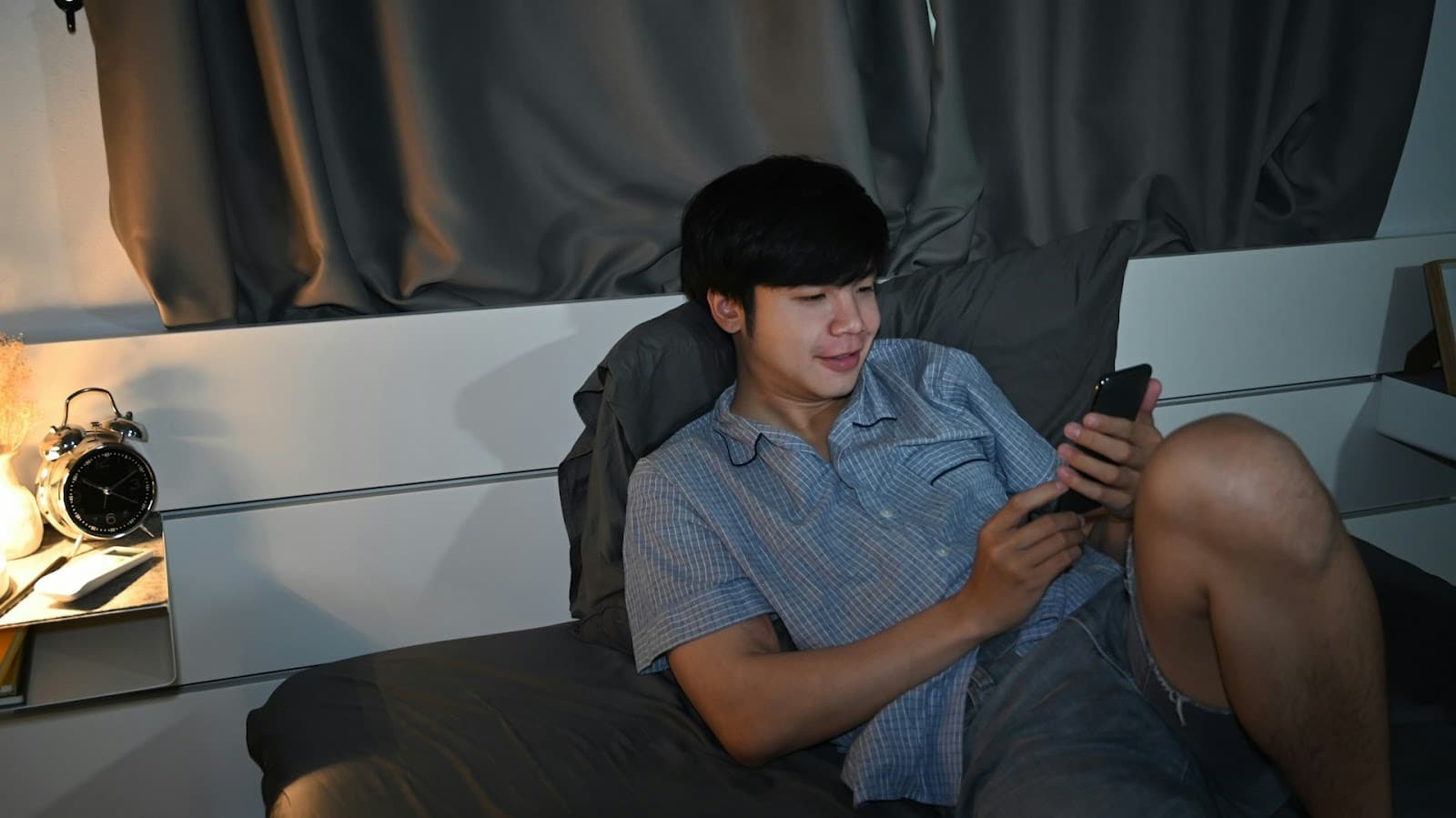
Dating apps make it easy to speak with several people simultaneously. Knowing this can intensify awareness of shared attention. Men may feel provisional rather than prioritized during early stages. Exclusivity is rarely assumed without explicit discussion. The presence of parallel conversations shapes expectations about commitment. Simultaneity influences emotional security.
When Exclusivity Feels Uncertain

Clear discussions about exclusivity often happen later than they once did. Without a defined agreement, uncertainty can linger beneath positive interactions. Men may question whether emotional investment is mutual. Delayed clarity can create a sense of temporary standing. Labels begin to carry significant reassurance. Definition becomes closely tied to stability.
When Confidence Becomes Data-Driven

Dating platforms provide visible numbers that measure engagement in real time. Match totals, response frequency, and profile views can begin to feel like indicators of personal value. When those figures increase, confidence may rise with them. When activity slows, self-assessment can shift just as quickly. Quantified feedback creates the illusion of objectivity, even though many hidden factors influence results. Overreliance on these metrics can blur the line between digital performance and real-world worth.
When Status Feels Tied to Attraction

Profiles often highlight careers, travel experiences, and lifestyle markers. Men may feel evaluated not only for personality but also for professional achievement. The comparison extends beyond appearance into income, ambition, and visible accomplishments. In competitive cities especially, career status can feel intertwined with romantic appeal. This subtle pressure can shape how men present themselves both online and offline. Value may begin to feel tied to measurable success rather than character.
When Emotional Guardedness Becomes Habit

Repeated experiences of abrupt endings can influence how openly someone invests in new connections. Men may choose to reveal feelings gradually instead of expressing enthusiasm immediately. Protective distance can reduce vulnerability in the early stages. However, caution can also limit emotional depth if it becomes habitual. What begins as self-protection may slowly shape relationship style. Guardedness often reflects adaptation rather than indifference.
When Permanence Feels Less Secure

Constant exposure to alternatives can shift how permanence is perceived. Even promising relationships may feel conditional in an environment defined by choice. Minor disagreements can appear more significant when replacement seems easily accessible. The awareness of options can influence long-term expectations without conscious intention. Stability may begin to feel dependent on continuous validation. Abundance reshapes how commitment is interpreted
When Online Experiences Influence Real-Life Confidence

Experiences within apps rarely remain confined to the screen. A man who feels easily overlooked online may approach in-person interactions with hesitation. Conversely, frequent digital attention may raise expectations in social settings. When offline feedback differs from online patterns, adjustment can feel confusing. Confidence often shifts between digital and real-world contexts. Online dynamics subtly influence body language, tone, and openness.
When Culture Reinforces Endless Choice

Media narratives often celebrate optimization and finding someone better. Advice columns, podcasts, and social discussions frequently emphasize keeping options open. These themes can reinforce the belief that comparison never truly stops. Men may internalize the idea that they are constantly evaluated against unseen alternatives. Cultural messaging shapes expectations before relationships even begin. Replaceability becomes part of the broader social script.
When Dating Outcomes Vary Significantly

Not every man experiences digital dating in the same way. Location, age, social network, and personal history all influence outcomes. Some consistently receive strong engagement and feel valued. Others encounter repeated inconsistency that shapes their outlook differently. Individual personality also affects how rejection or success is interpreted. Modern dating produces diverse reactions rather than a single universal experience.
When Replaceability Affects Commitment

Perceived replaceability can influence how deeply someone chooses to invest. Men who feel uncertain about stability may hesitate before committing fully. Others may seek reassurance more frequently to feel secure. These behaviors often reflect adaptation to repeated patterns rather than inherent insecurity. Early digital experiences can quietly shape later relationship habits. Shared clarity and consistent effort help counterbalance lingering doubt.
Stability Feels Hard to Find in an Endless Options

Modern dating offers unprecedented access to potential partners. While this creates opportunity, it also increases exposure to comparison and quick judgment. Some men recognize feelings of replaceability after a few abrupt endings. Others notice gradual shifts in confidence shaped by ongoing digital feedback. Building awareness of these influences can restore a healthier perspective. Separating online outcomes from personal value supports stronger, more grounded relationships.








Ask Me Anything