
Some men say they are happy because life looks stable: no huge fights, no obvious crisis, and the relationship still functions. But “happy” can sometimes mean comfortable, not connected. A man can enjoy the routine while quietly feeling unseen, disrespected, or unneeded. He may also avoid honesty because he does not want conflict or guilt. This is why some breakups feel sudden to the woman, even when the man claims nothing was wrong. The truth is usually that something was wrong, just unspoken. These reasons explain what men often hide until they leave.
He Feels Disrespected in Small Daily Ways

It is not always yelling; it is tone, sarcasm, constant correction, and being talked down to. Men often tolerate it longer than they should, then detach quietly. Disrespect makes home feel unsafe, even if love still exists. Over time, he stops sharing and starts going quiet. He may say he is happy because he is avoiding conflict. But internally, respect loss changes how he sees the relationship. When respect dies, leaving becomes easier.
He Feels Like His Effort Never Counts

Some men feel like they are always behind, no matter what they do. Wins are ignored, mistakes are remembered, and appreciation feels rare. Over time, motivation collapses and resentment rises. A man can still love a woman and feel emotionally defeated by constant dissatisfaction. He may call it “fine” because he is tired of explaining. But chronic feeling of failure becomes unbearable. Eventually, leaving feels like escaping a rigged scoreboard.
He Feels Like a Utility, Not a Partner

If his main value is money, errands, and fixing problems, he starts feeling used. The relationship becomes transactional, even if nobody intends it. He may keep performing because that is what he was taught. But inside, he feels unseen as a person. Partnership needs emotional connection, not only output. When he feels like a tool, he stops feeling chosen. That emotional emptiness can push him out.
Peace at Home Is Actually Fear of Conflict

Some men say they are happy because there are fewer fights. But the lack of conflict may come from avoidance, not harmony. He avoids topics because he expects arguments, shutdowns, or punishment. Over time, silence replaces intimacy. He is not happy; he is careful. Careful relationships feel stable until the emotional bond is gone. Leaving then looks sudden, but it was building quietly. Silence can be a slow exit.
He Feels Like He’s Not Trusted

Constant suspicion, interrogation, or jealousy drains love quickly. Even a loyal man becomes exhausted when he feels treated like a suspect. He may stop defending himself because it never changes. This can look like emotional distance, but it is often self-protection. Trust is not only about cheating; it is about being believed and respected. When a man cannot earn trust no matter what, he feels hopeless. Eventually, leaving feels like relief.
He Feels Managed Like a Child

When a woman becomes the supervisor of the relationship, attraction suffers. Constant reminders, controlling tone, and micromanagement create resentment. Even if she is stressed, the dynamic becomes parent-child. Many men leave not because they hate responsibility, but because they hate feeling incompetent. This dynamic also kills romance. A man wants to be a teammate, not an employee. When he feels managed, he checks out.
He Stops Feeling Wanted, Not Just Loved

Love can exist without desire, but many men need to feel wanted to feel bonded. When warmth, affection, and physical intimacy decline without honest conversation, he often internalises rejection. He may claim he is happy to avoid sounding needy. But the emotional impact builds. A man can tolerate dry seasons if he feels desired emotionally. When he feels unwanted for too long, he detaches. Detachment can look like calm, but it is often resignation.
He Feels Like There’s No Real Teamwork

If every problem becomes his fault or her burden, the relationship stops feeling like “we.” Men often leave when they feel the relationship is a constant negotiation, not a partnership. Teamwork requires shared problem-solving, not blame. When teamwork dies, respect and patience die with it. He may act fine because daily life continues. But inside, he feels alone in the relationship. Being alone while partnered is a major exit trigger.
He Feels Like His Identity Is Being Controlled

Some men feel their partner tries to reshape them into a different person. It can be constant correction, criticism of hobbies, or pressure to match a certain image. Growth is healthy when chosen, but forced change feels like rejection. Over time, he feels like he cannot be himself without conflict. That creates emotional claustrophobia. He may say he is happy because he does not want a fight. But internally, he feels trapped. Leaving becomes a way to breathe again.
He No Longer Feels Admired

Admiration is not vanity; it is emotional nourishment. Men often stay loyal and motivated when they feel respected and appreciated. When admiration disappears, the relationship feels colder. He may still get along with her, but he does not feel valued. A man can live without constant praise, but not without basic respect. Without admiration, romance becomes mechanical. He may not name it, but he feels it. Lack of admiration makes leaving more likely.
He Thinks the Relationship Has a Ceiling

He can sense there is no growth, no repair, and no real progress. The same issues repeat, the same conversations fail, and nothing changes. Over time, he stops believing effort matters. That creates emotional surrender, not happiness. He may say he is happy because he is calm, but the calm is hopelessness. When a man sees no future improvement, he starts planning an exit. Hope is what makes men stay.
He Feels Emotionally Unimportant Compared to Everything Else

Work, kids, friends, family, and phones can all become higher priorities. A man may accept busy seasons, but long-term deprioritisation hurts. He feels like the last person in the line for attention. Over time, he stops asking and starts withdrawing. He may claim he is happy because he is not arguing. But feeling unimportant changes attachment. When a man feels like an accessory, leaving becomes thinkable.
He Feels Like He Cannot Be Vulnerable With Her

Some men learn that opening up leads to mockery, minimising, or weaponised information later. So they stop sharing. That creates a relationship without emotional intimacy. He may still function well and even be friendly, so it looks fine. But inside, he feels alone. A man who cannot be human in his relationship slowly detaches. When vulnerability is unsafe, love becomes shallow. Shallow love is easier to leave.
He Starts Feeling More Peace Away From Home

This is one of the clearest signs of emotional exit. He feels lighter at work, with friends, or alone. Home begins to feel tense even when nobody is fighting. He may not admit it because it makes him feel guilty. But the nervous system does not lie. When a man feels relief in absence, he starts craving distance. That distance often becomes permanent. Peace away from home becomes the new addiction.
He Realises He’s Staying Out of Inertia, Not Choice

Some men leave because they finally admit they are staying because it is familiar. They are not actively choosing the relationship; they are enduring it. They may still care, but the relationship no longer feels like a life they want. This can happen without a big betrayal or huge fight. It is often the result of years of unmet needs and unaddressed patterns. Once he admits he is staying for convenience, leaving becomes logical. Inertia can hold a relationship together until honesty breaks it.
Why Men Say They’re Happy When They’re Not
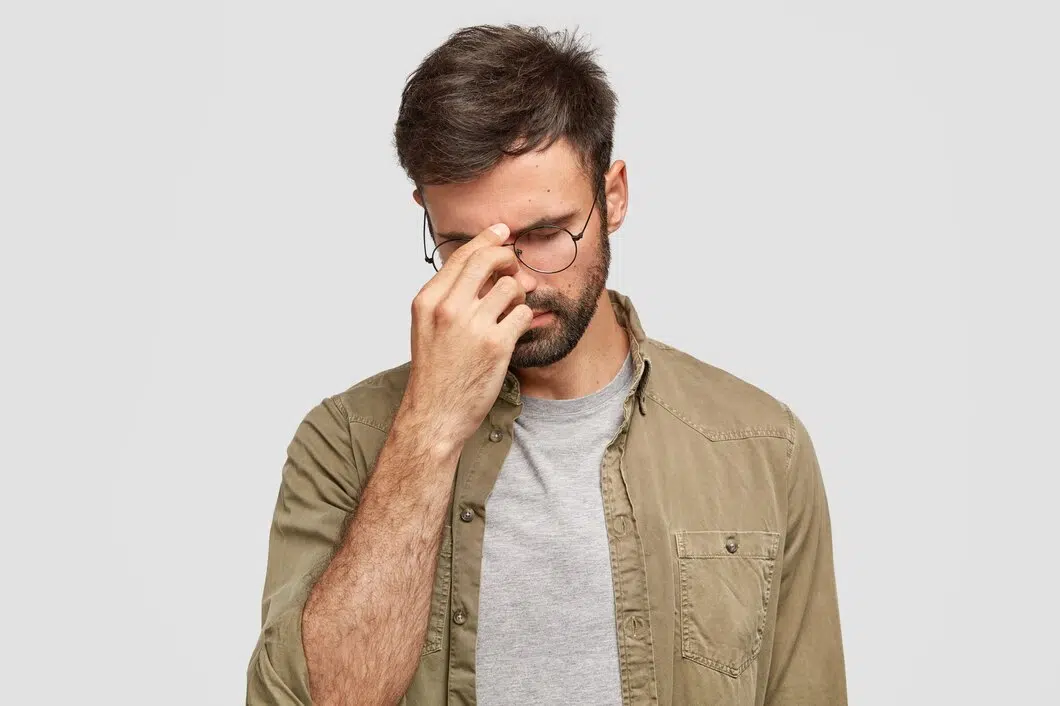
Many men are conflict-avoidant and prefer peace over honesty. Some were taught that expressing emotional needs is weak. Others fear being labeled ungrateful or selfish. So they keep the relationship “fine” until they cannot. By the time they speak up, their detachment is already advanced. This is why it feels sudden to their partner. The words were missing, but the internal exit was happening. Silence is often the biggest warning sign.
The Difference Between a Hard Season and an Emotional Exit

A hard season still includes effort, curiosity, and willingness to repair. An emotional exit includes numbness, avoidance, and no interest in improvement. In a hard season, a man still wants the relationship to work. In an exit, he mostly wants peace. The difference is whether he is still emotionally invested in solutions. You can see it in behaviour more than words. If connection attempts are met with indifference, the exit is already underway. Patterns matter more than promises.
What Actually Keeps Men Staying Long-Term

Men often stay when they feel respected, appreciated, and partnered with. They want to feel like their presence improves their partner’s life, not complicates it. They also want emotional safety: the ability to speak without punishment. Consistent warmth and clear teamwork protect love through stress seasons. Stability matters, but so does being chosen. When men feel they are on the same side with their partner, leaving feels unnecessary. When they feel like the enemy, leaving becomes relief.
Most “Sudden” Leaves Were Quietly Built for Years

Men leaving “while happy” is often a misunderstanding of what happy meant. It usually meant comfortable, conflict-free, or resigned—not connected and fulfilled. The core triggers are loss of respect, lack of appreciation, emotional unsafety, and absence of teamwork. The earlier these patterns are named, the more repair is possible. If a relationship feels calm but cold, it is a warning, not a win. Love stays alive when both people feel valued on purpose. Ignoring the quiet signs is how breakups become surprises.








Ask Me Anything