
Long-term love doesn’t survive on chemistry alone. It survives on habits—small, repeatable behaviors that quietly reinforce connection year after year. Couples who stay close into their 50s, 60s, and beyond aren’t lucky; they’re intentional. They’ve learned that intimacy shifts over time, that passion matures into partnership, and that friendship becomes the backbone of everything.
The good news? These habits aren’t complicated. They’re practical, doable, and powerful when practiced consistently. If you want a relationship that feels steady, warm, and deeply connected decades down the line, start here.
1. They Greet and Part With Intention

Older couples who stay close don’t treat hellos and goodbyes like throwaway moments. A real kiss before heading out, eye contact when saying “I’m home,” or a simple “Drive safe” creates micro-connections that add up. These rituals signal, “You matter.” Over time, consistent affection builds emotional security. Try slowing down your transitions—pause for ten seconds, touch, look, and mean it. Those small bookends to your day create a sense of emotional home.
2. They Protect Weekly Check-In Time

Long-lasting couples don’t just talk logistics; they check in emotionally. Once a week, they ask, “How are we doing?” and actually listen. This prevents resentment from building quietly over time. Make it a low-pressure ritual—coffee on Sunday morning or a walk after dinner. Talk about stress, gratitude, and anything that felt off. Regular maintenance keeps minor issues from turning into major fractures.
3. They Stay Curious About Each Other

People evolve, and close couples keep discovering who their partner is becoming. They ask new questions, show interest in hobbies, and avoid assuming they already know everything. Curiosity keeps the relationship dynamic rather than stagnant. Even after decades, there’s more to learn. Try asking something unexpected like, “What’s something you’ve been thinking about lately?” Growth feels exciting when it’s shared.
4. They Laugh—Especially at Themselves

Shared humor is glue. Couples who stay close develop inside jokes and learn not to take every mistake seriously. Laughter diffuses tension and builds resilience during tough seasons. If you can laugh during small frustrations, you’re less likely to spiral. Make room for lightness—watch something funny together, tease gently, or revisit old stories that make you both smile. Joy keeps love breathable.
5. They Touch Often, Not Just Sexually

Physical closeness doesn’t disappear with age—it just evolves. A hand on the back, sitting close on the couch, or holding hands while walking reinforces intimacy. Touch releases bonding hormones and communicates safety without words. Don’t wait for a “romantic moment.” Make casual affection part of daily life. It keeps the connection warm even when life gets busy.
6. They Speak Kindly in Conflict

Disagreements don’t vanish in long relationships, but contempt is what kills closeness. Couples who last avoid sarcasm, eye-rolling, and personal attacks. They focus on the issue, not character flaws. Try replacing “You always…” with “I feel…” and aim to understand before defending. Respect during conflict builds trust that your relationship can handle tension without breaking.
7. They Support Individual Growth

Healthy older couples don’t cling; they encourage independence. Whether it’s a new hobby, fitness goal, or social group, they champion each other’s growth. This prevents resentment and keeps both partners feeling alive. Give each other room to expand, then bring that energy back into the relationship. Two evolving individuals create a dynamic partnership.
8. They Keep Shared Traditions Alive

Traditions—Friday pizza nights, holiday rituals, annual trips—create continuity and shared history. These anchors provide stability during change. Even simple routines can become meaningful over time. Protect at least one ritual that belongs to just the two of you. Shared memories deepen emotional roots.
9. They Express Appreciation Out Loud

Long-term couples don’t assume their partner “just knows” they’re valued. They say thank you for everyday things—making coffee, running errands, being supportive. Gratitude prevents complacency. Start verbalizing small appreciations daily. Feeling seen sustains connection.
10. They Manage Money as a Team

Financial stress can erode intimacy, but couples who stay close approach money collaboratively. They talk openly about goals, spending, and concerns instead of hiding purchases or avoiding the topic. Schedule regular financial check-ins and make decisions together. Transparency builds security and prevents silent resentment.
11. They Apologize Quickly

Pride is expensive in long-term love. Couples who remain close don’t drag out arguments to “win.” They repair quickly. A sincere “I’m sorry, I overreacted” restores connection faster than defensiveness ever will. Practice taking responsibility for your tone or behavior without adding excuses. Quick repair keeps distance from growing.
12. They Adapt to Physical Changes Together
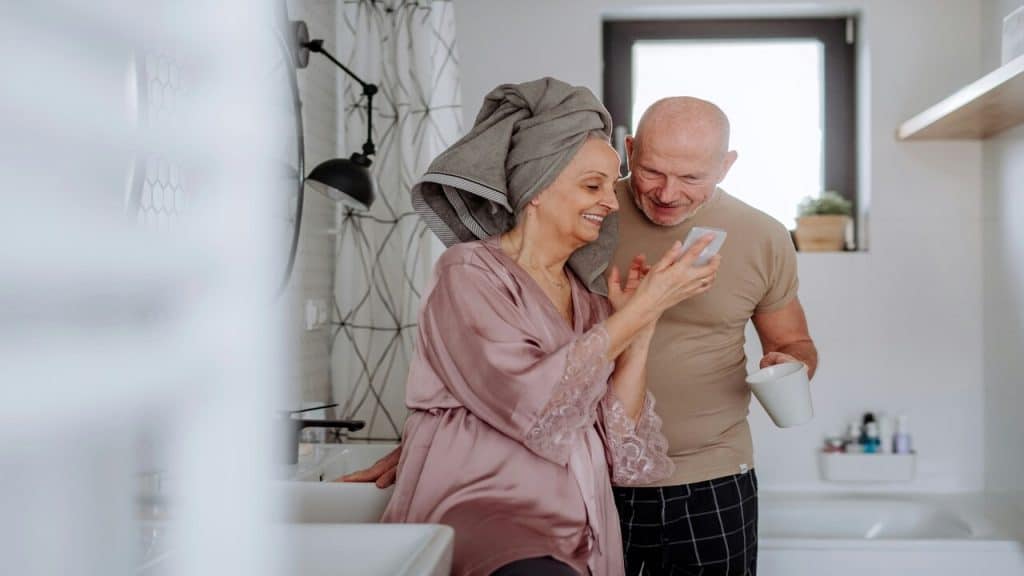
Aging brings shifts in energy, health, and intimacy. Close couples approach these changes with compassion instead of criticism. They adjust expectations and find new ways to connect physically and emotionally. Talk openly about needs and comfort levels. Adaptation keeps intimacy evolving rather than fading.
13. They Keep Dating Each Other

Longevity doesn’t mean autopilot. Couples who stay connected schedule dates, try new restaurants, or revisit favorite spots. Novelty sparks dopamine, even in established relationships. You don’t need extravagance—just intention. Put something on the calendar and treat it like it matters.
14. They Avoid Scorekeeping

Resentment grows when everything feels transactional. Thriving couples don’t tally who did more chores or sacrificed more time. They operate from generosity rather than competition. When you notice yourself keeping score, shift to collaboration: “How can we handle this together?” Teamwork fosters closeness.
15. They Talk About the Future

Even in later years, having shared plans keeps a relationship forward-looking. It could be travel dreams, home projects, or family milestones. A shared vision creates momentum. Regularly discuss what you’re excited about next. Anticipation strengthens bonds.
16. They Maintain Close Friendships

Strong couples don’t isolate themselves. They cultivate friendships and community, which relieves pressure from the relationship to meet every need. Social support strengthens mental health and enriches shared experiences. Encourage each other to nurture friendships—it ultimately benefits the partnership.
17. They Practice Emotional Regulation

Older couples who stay close have learned not to let every emotion dictate behavior. They pause before reacting and avoid escalating small irritations. When emotions rise, they take space instead of attacking. Practicing self-control protects the relationship from unnecessary damage.
18. They Choose Each Other—Again and Again

Perhaps the most powerful habit is a mindset: they consciously choose their partner daily. Not because it’s always easy, but because it’s worth it. Commitment becomes an active decision, not just a past vow. Remind yourself why you chose them in the first place—and say it out loud. Long-term closeness isn’t accidental. It’s built, moment by moment, choice by choice.








Ask Me Anything