
Divorce can bring relief, but it can also bring sharp clarity. Many people do not regret leaving as much as they regret how long they tolerated unhealthy patterns. Others regret how they handled conflict, pride, and emotional distance when repair was still possible. Regret is not always “I should have stayed,” and it is not always “they were the villain.” Often, regret is about choices, timing, and missed moments of maturity. These confessions are not meant to shame anyone. They are meant to show what people often wish they understood earlier.
“I Confused Peace With Numbness”

Many people felt calmer after divorce and assumed that meant they made the right choice. Later, they realised they were not calm, they were emotionally shut down. Numbness can feel like peace when life has been stressful for years. Real peace still allows warmth, joy, and connection. Numbness removes pain, but it also removes colour. The regret comes when someone realises they did not heal, they just went quiet.
“I Waited Until I Was Already Done”

Some people stayed until they had no emotion left. They did not leave when issues were fixable, they left when hope was dead. By then, their partner’s effort felt too late. They regret not speaking up earlier with clarity and urgency. Silence can look like endurance, but it often becomes detachment. The regret is realising they trained themselves to stop caring before they ever demanded change.
“I Thought Being Right Mattered More Than Being Close”
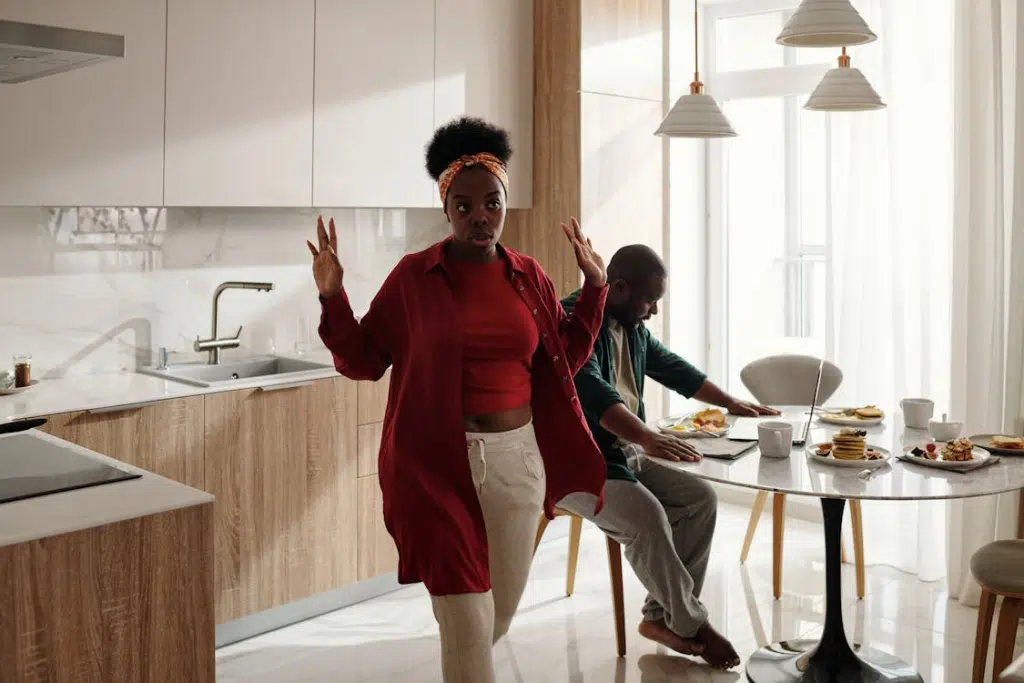
Many divorced people admit they turned disagreements into competitions. They wanted to win arguments instead of protecting the bond. Over time, that created defensiveness and emotional distance. Even when they were correct on the facts, the relationship became unsafe. They regret how often pride led the conversation. The truth is that being right rarely repairs a marriage. Repair needs humility, not victory.
“I Didn’t Take the Small Disrespect Seriously”

A lot of regret starts with the phrase, “It was only a joke.” Eye-rolls, sarcasm, contempt, and constant criticism often became normal. People ignored it because it did not look dramatic. Later, they realised it trained them to resent each other daily. Respect is not only about big betrayals, it is about tone and attitude. They regret not addressing disrespect early when it was still a habit, not an identity.
“I Treated My Partner Like a Roommate”

Many marriages slowly drift into logistics and chores. People stop flirting, stop touching, and stop creating connection. They assume love will survive on history alone. Later, they realise emotional and physical intimacy needs maintenance. They regret treating closeness like an optional extra. A spouse can tolerate many flaws if they still feel chosen. Roommate energy often kills desire before it kills loyalty.
“I Let My Family Interfere Too Much”

Some people regret not protecting the marriage from outside influence. Parents, siblings, or friends became a constant presence in decisions and conflict. This created loyalty tests and resentment. Many divorced people say they failed to set boundaries early. They wanted to keep everyone happy and ended up losing their marriage. Partnership needs a protected space. The regret is realising the relationship was never given a fair chance to lead.
“I Didn’t Respect the Mental Load”

One person often carried planning, remembering, organising, and managing life. The other assumed it was “just how things work.” Over time, the overload became bitterness and emotional exhaustion. Many regret dismissing it as minor. They realise now that constant management erodes attraction. They regret not stepping up before their partner felt like a parent. Resentment grows where effort is unequal.
“I Thought Providing Money Was the Same as Showing Up”

Some men and women admit they over-focused on financial provision. They assumed paying bills covered emotional needs. Their partner wanted presence, attention, affection, and teamwork. Later, they realised security without connection still feels lonely. They regret missing the emotional side of partnership. Practical support matters, but it is not a substitute for closeness. A marriage needs both stability and warmth.
“I Kept Score Instead of Building a Team”

Many divorced people admit they were obsessed with fairness. They tracked who did more, who sacrificed more, and who owed what. That mindset turned love into negotiation. The relationship became tense even during good seasons. They regret not shifting toward “How do we win together?” Team mindset protects intimacy. Scorekeeping protects ego, but it kills connection.
“I Used ‘Busy’ as a Cover for Avoidance”

Work, parenting, and responsibilities are real, but some people used them to escape closeness. They stopped having real conversations and stopped making time on purpose. Their partner felt neglected but could not prove it was intentional. Later, they regret not seeing that “busy” became a lifestyle choice. Time reveals priority more than words do. They regret not investing in the relationship the way they invested elsewhere.
“I Expected My Partner to Read My Mind”

Many people regret relying on hints, silence, or resentment instead of direct requests. They assumed their needs were obvious. Their partner assumed everything was fine because nothing was clearly said. This gap created years of misunderstanding. They regret not communicating earlier with clarity and specifics. Expectations are not agreements. A marriage cannot fix needs it cannot see.
“I Chased Attention Instead of Repair”
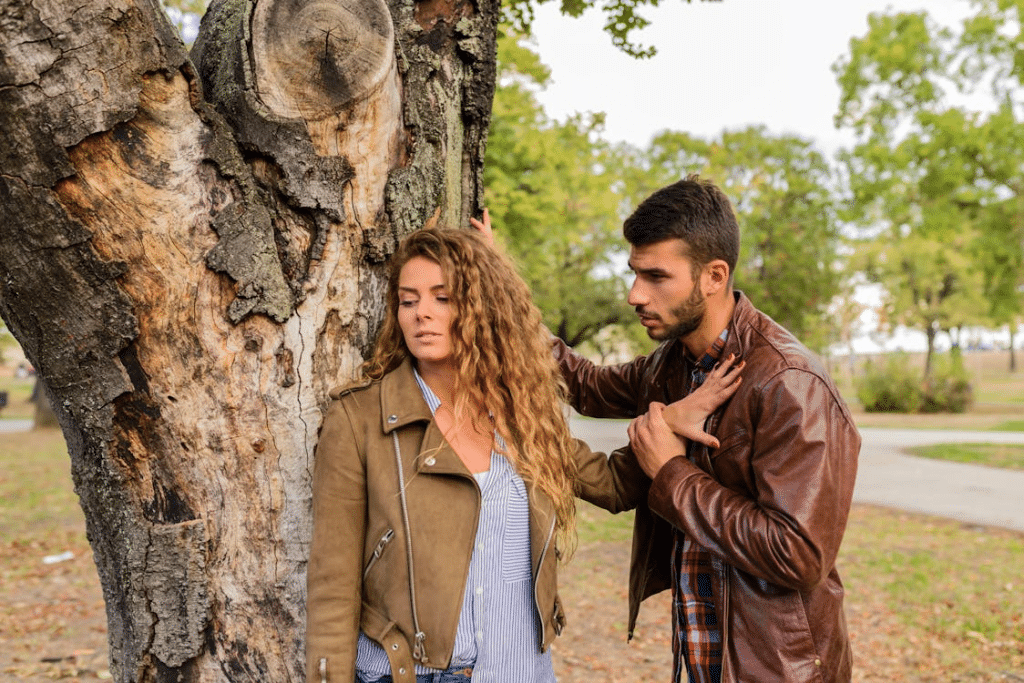
Some people admit they looked for validation outside the marriage when they felt unseen. Sometimes it started as harmless flirting or emotional closeness with someone else. Over time, it became a shortcut around real repair. They regret not facing the discomfort of fixing the relationship. Attention feels good, but it does not build character. They regret trading long-term trust for short-term comfort. Repair is harder, but it is cleaner.
“I Ignored Health and Let Stress Turn Me Into Someone Else”

Divorce regret sometimes comes from personal neglect. Poor sleep, chronic stress, and unmanaged habits made people irritable and emotionally flat. They became harder to live with and did not notice the change. They regret not treating health as relationship protection. A drained nervous system creates conflict faster. Self-care is not selfish in marriage, it is maintenance. The regret is realising they were fighting while running on empty.
“I Stayed Too Long Because I Feared Starting Over”

Many people admit fear kept them stuck. They worried about finances, loneliness, judgement, or disrupting the family. They delayed hard decisions for years. Later, they regret the lost time and the emotional damage that came from slow decay. Fear-based staying can create deeper bitterness than leaving earlier. They regret not choosing clarity sooner. Waiting rarely makes a hard truth easier.
“I Thought Love Would ‘Return’ Without Changing Anything”

Some people assumed the cold season would pass on its own. They expected feelings to magically come back. They did not change routines, communication, or behaviour. Over time, the relationship kept drifting. They regret not taking action when disconnection first started. Love often returns through new patterns, not nostalgia. Waiting is not a strategy. The regret is realising they were passive while the marriage was dying.
“I Didn’t Realise My Partner Was Begging, Not Complaining”
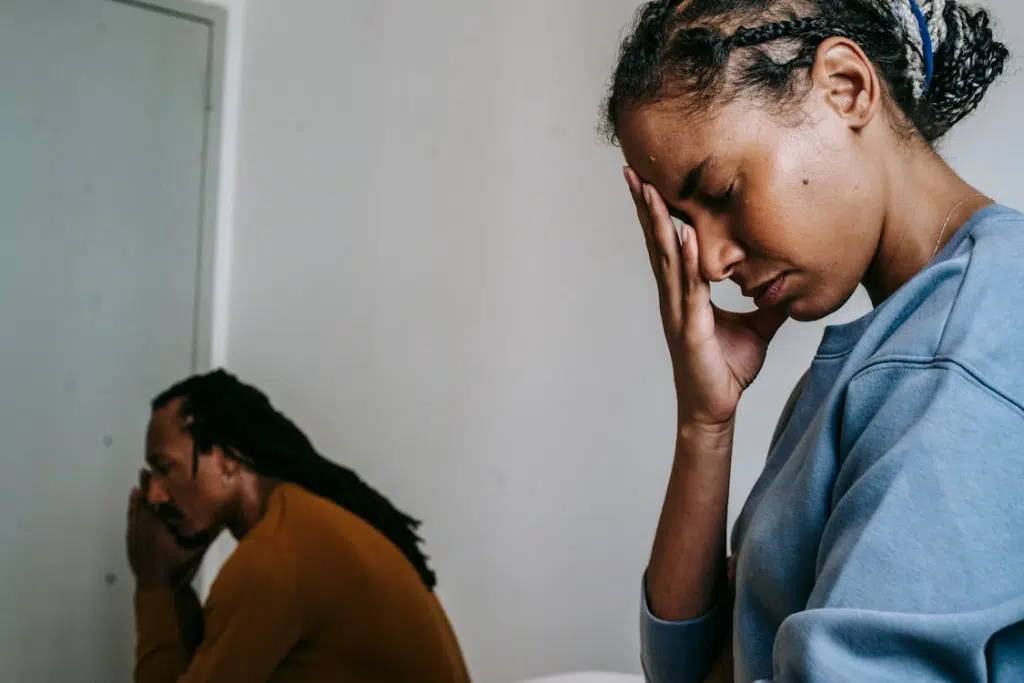
Many divorced people realise the arguments were actually requests for care. What sounded like nagging was often desperation. Their partner was trying to be heard before giving up. They regret dismissing those moments as drama. They see now that the relationship was asking for attention. When a partner stops complaining, it is often too late. The regret is understanding the warning signs only after the silence arrived.
“I Made Divorce the Only Exit by Refusing Therapy or Help”

Some people regret being stubborn about support. They rejected counselling, coaching, or structured conversations because it felt uncomfortable. They assumed they could fix it later without tools. Later, they realise they ran the marriage on guesswork during a crisis. They regret not getting outside help sooner. A third party can slow chaos and translate conflict. Pride often costs more than therapy. The regret is refusing help until it was irrelevant.
“I Didn’t Protect Physical Intimacy From Resentment”

Many people regret letting resentment poison physical intimacy. They avoided touch, avoided closeness, and then used distance as proof the marriage was dead. They did not address the emotional causes early enough. Physical intimacy is often the first place disconnection shows. They regret treating it as separate from emotional safety. In long-term relationships, closeness requires care on both levels. When resentment is unmanaged, desire rarely survives.
“I Thought Co-Parenting Would Be Easier Than Marriage”

Some people regret underestimating the long-term complexity of co-parenting after divorce. They assumed the conflict would end when the marriage ended. Instead, stress shifted into schedules, boundaries, and different households. They do not regret leaving unsafe situations, but they regret believing divorce would remove all conflict. Divorce can change the battlefield, not erase it. Parenting still requires communication with the same person. The regret is realising the separation did not automatically create peace.
“I Regret How I Left More Than That I Left”

Many divorced men and women say their biggest regret is the exit style. They regret cruelty, coldness, revenge, or dragging things out. They wish they had been clearer, kinder, and more responsible during the process. Even when divorce was necessary, it did not need to be destructive. A clean ending protects children, finances, and dignity. They regret not handling the ending with maturity. The way you leave becomes part of your character.







Ask Me Anything