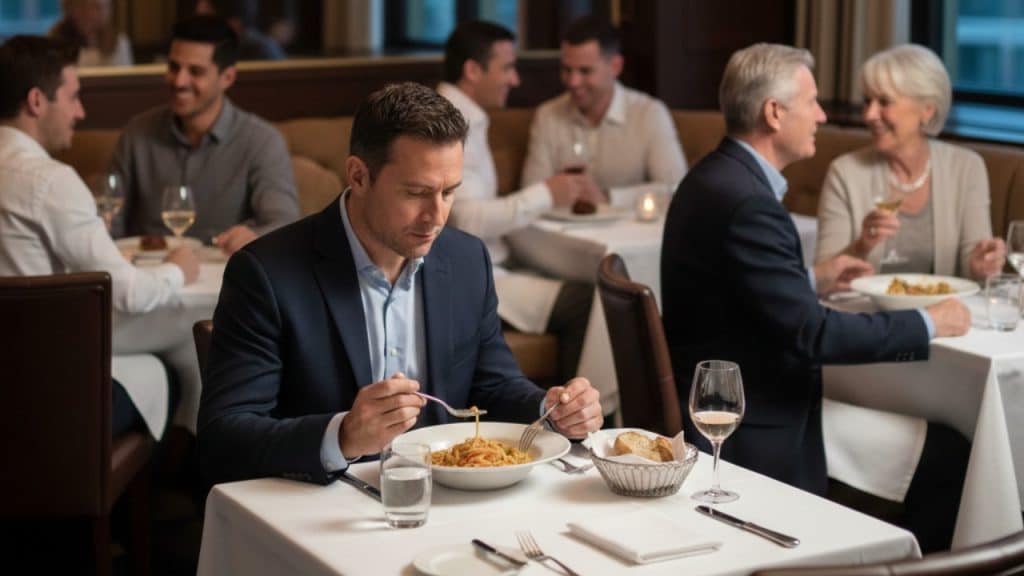
At some point, most single men ask the same question: how is it possible to build a solid career, stay in shape, handle responsibilities, and still not land a stable relationship? It’s easy to shrug and call it bad luck. Timing, apps, modern dating, “no good options left.” That explanation feels simple and harmless. But simple explanations rarely solve complex problems.
The truth is, for many men in their 30s, 40s, and 50s, singlehood isn’t random. It’s often the result of patterns—some obvious, some subtle. Not moral failures. Not character flaws. Just habits, blind spots, and lifestyle choices that quietly stack up over time. Here are 18 reasons that might be playing a bigger role than luck.
Unrealistic Standards

High standards sound admirable. No one wants to “settle.” But sometimes standards turn into a fantasy checklist that no real person can meet.
It’s common to expect a partner who’s attractive, emotionally flawless, ambitious, low maintenance, fun, drama-free, and perfectly aligned with every preference. Meanwhile, real people come with trade-offs. If every date gets disqualified over small imperfections, the pool shrinks fast. Wanting compatibility is healthy. Expecting perfection keeps you browsing instead of building.
Standards That Are Too Low

The opposite problem is just as common. Some men date whoever shows interest, hoping chemistry will grow later.
That usually leads to frustration. When attraction, values, or long-term goals don’t align, the relationship feels forced. It drifts. Then it ends. Then the cycle repeats. If being single feels safer than being disappointed again, it may be time to raise the bar in a realistic way.
Low Self-Esteem You Don’t Admit You Have

Confidence doesn’t mean arrogance. It means believing you bring value. Men who secretly feel “not enough” often sabotage early stages of dating. They hesitate to make moves. They assume someone better will come along for her. Or they avoid pursuing women they’re genuinely attracted to.
That quiet self-doubt shows up in body language and tone more than people realize. And it can quietly push opportunities away.
Emotional Baggage That Never Got Resolved
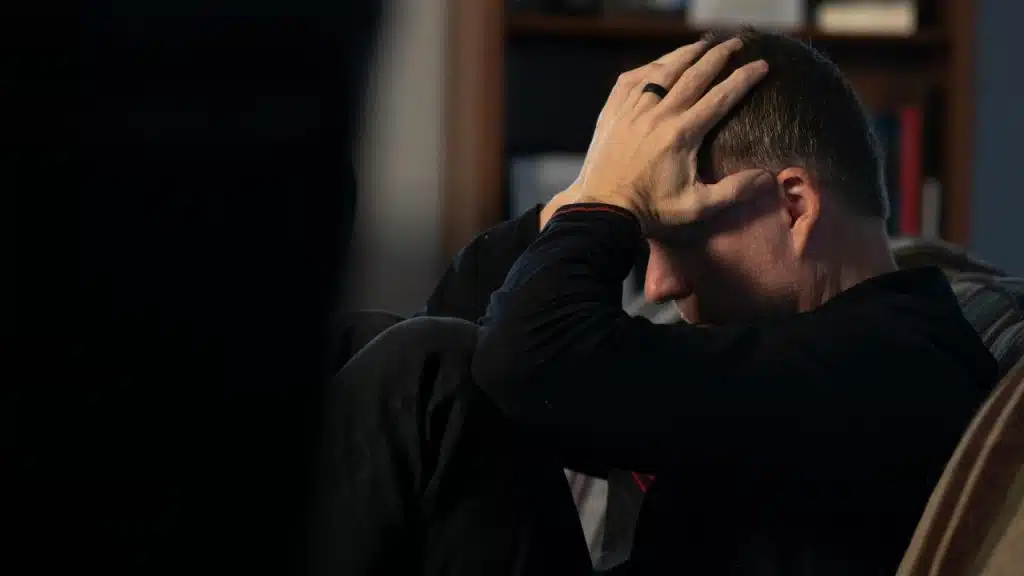
Past relationships leave marks. That’s normal. But unresolved resentment, distrust, or anger leaks into new interactions. If every new partner gets compared to an ex, or small conflicts trigger outsized reactions, the past is still running the show. Dating becomes defensive instead of open.
Healing doesn’t require years of therapy for everyone. But it does require honest reflection instead of pretending “I’m fine” while carrying old weight.
Poor Communication

A lot of men pride themselves on being logical. That’s useful in business. It’s less helpful when emotions are involved. Shutting down during conflict, avoiding difficult conversations, or assuming your partner should “just know” what you’re thinking creates tension. Over time, that tension turns into distance.
Communication isn’t about oversharing feelings. It’s about clarity. Clear expectations. Clear boundaries. Clear feedback. Without that, even good matches fall apart.
Fear of Vulnerability
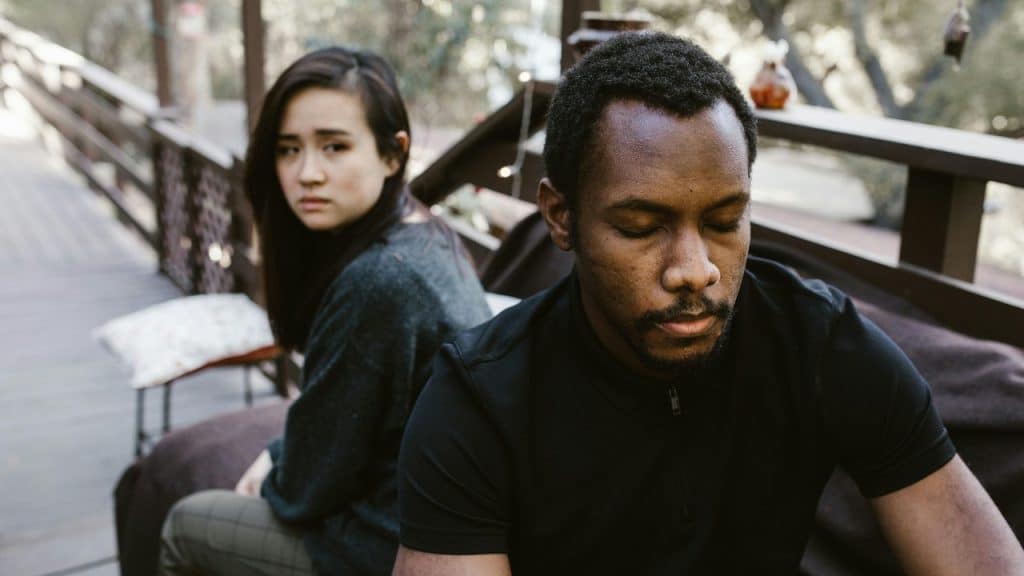
Risk is part of dating. Emotional risk, not just social risk. If you avoid saying what you want, hesitate to define relationships, or keep one foot out the door “just in case,” it feels safe in the short term. In the long term, it blocks depth.
Many men say they want connection, but protect themselves so tightly that connection never fully forms.
Neglecting Self-Care
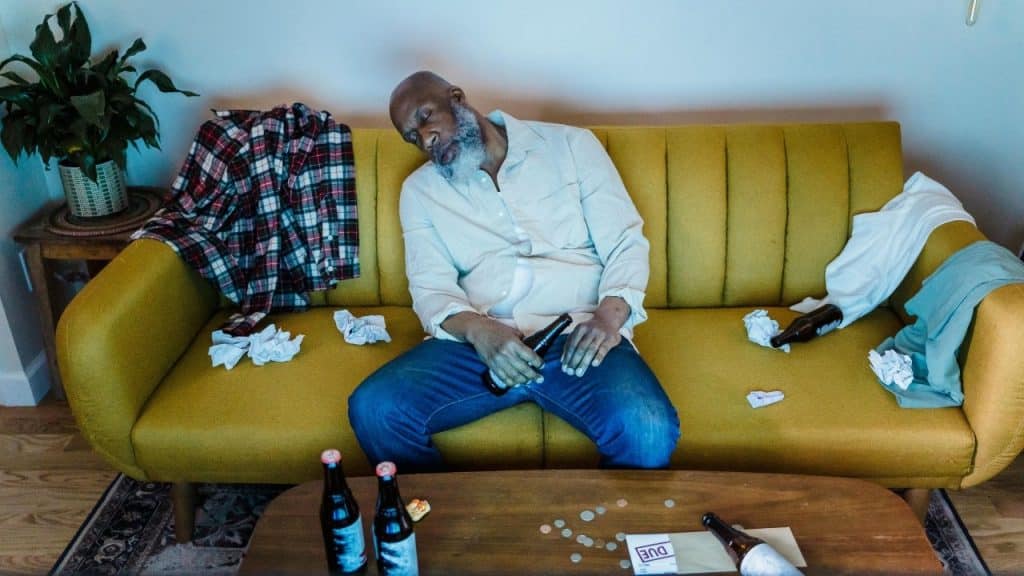
Self-care isn’t spa days. It’s basic maintenance. Letting fitness slide, ignoring grooming, dressing like you stopped trying five years ago, or living in constant stress mode sends signals. Not just to others, but to yourself.
Taking pride in appearance and health doesn’t make someone shallow. It signals discipline and self-respect. Both are attractive traits.
Financial Instability

Money isn’t everything. But chronic financial chaos creates strain.
Living paycheck to paycheck without a plan, carrying unmanaged debt, or lacking direction in your career can make long-term partnership feel risky—for both sides.
Stability doesn’t require wealth. It requires responsibility.
Emotional Immaturity
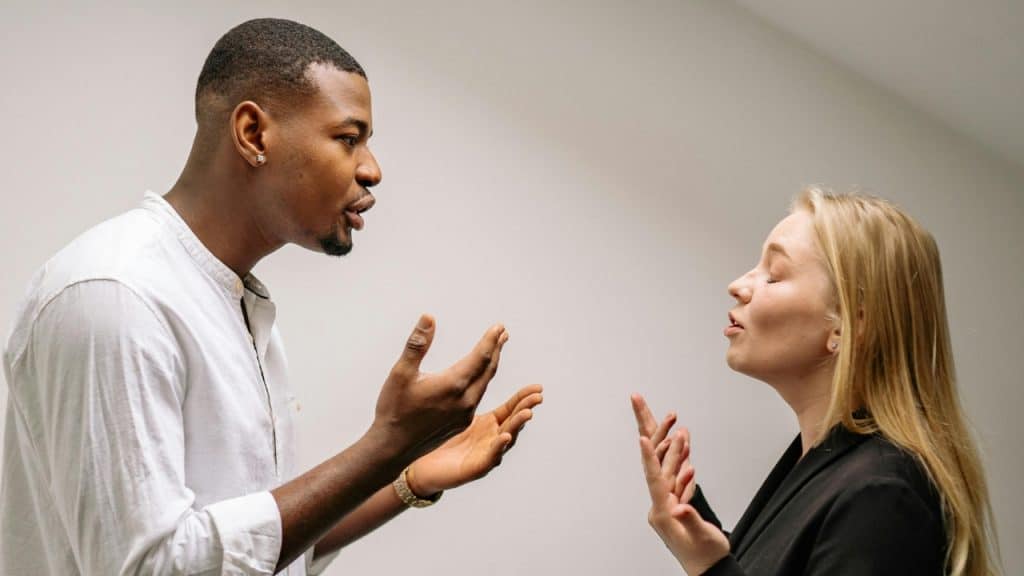
Age and maturity are not the same thing.
Impulsive decisions, avoiding accountability, blaming others for every breakup, or refusing to compromise are red flags no matter how successful someone is professionally.
Relationships require negotiation and growth. If growth feels optional, singlehood often follows.
Commitment Issues

Keeping options open feels smart. Until it becomes a habit.
If exclusivity feels suffocating, or you constantly wonder if someone better is one swipe away, relationships never move forward. They stall in the “maybe” phase.
Commitment always involves risk. Avoiding it completely guarantees staying exactly where you are.
Believing You’re “Not Built” for Relationships

Some men adopt the identity of the lone wolf. Independent. Self-contained. Unbothered.
Sometimes that’s authentic. Sometimes it’s a shield.
If the belief that “I’m just not the relationship type” formed after a few painful experiences, it may be more about protection than personality.
Isolation and Routine
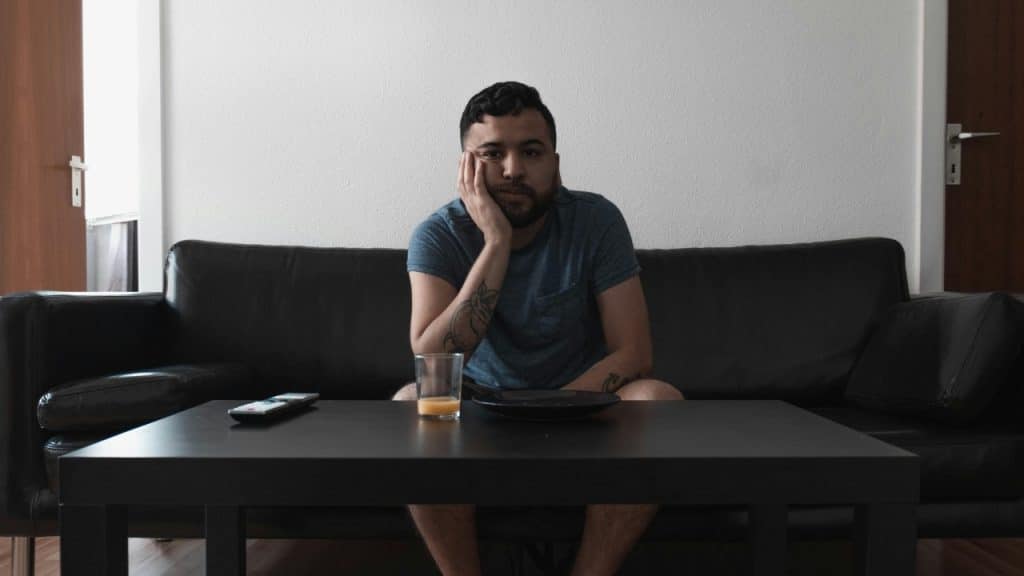
Work, gym, home. Repeat.
As routines tighten with age, opportunities shrink. Social circles stabilize. New introductions become rare.
If your week rarely includes new environments or new faces, meeting someone compatible becomes statistically unlikely. Not impossible. Just unlikely.
Lack of Community
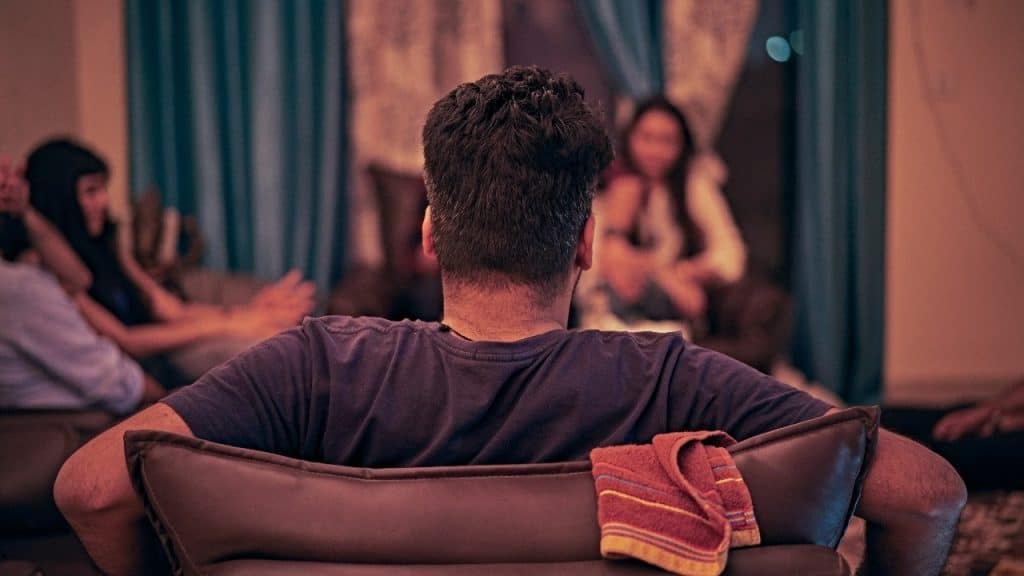
Having friends is great. Being part of communities is different.
Communities—clubs, sports leagues, hobby groups, professional networks—create natural introductions. They widen your social graph without forcing awkward setups.
Without that wider exposure, dating relies heavily on apps or chance encounters.
Remote Work and Limited Exposure

Working from home has perks. But it reduces spontaneous interaction.
No casual chats. No networking events after work. No running into someone through colleagues.
When daily exposure drops, meeting someone requires intentional effort instead of organic overlap.
Living Far From Social Hubs

Location matters more than most people admit.
If you live far from major social centers and rarely travel to them, the dating pool narrows dramatically. The effort required to meet someone increases.
Sometimes singlehood isn’t about personality. It’s about geography.
Not Taking Pride in Presentation
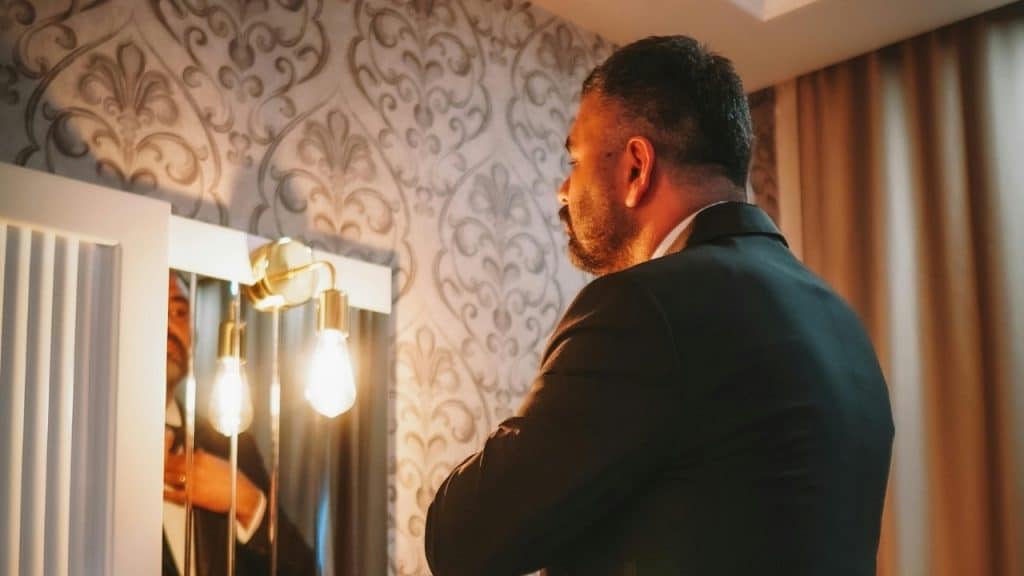
There’s a difference between being comfortable and being disengaged.
If you move through the world like you’d rather not be noticed, people notice that. Energy matters. Eye contact matters. Presence matters.
When you feel good about how you show up, interactions naturally improve.
Burnout and Lack of Energy
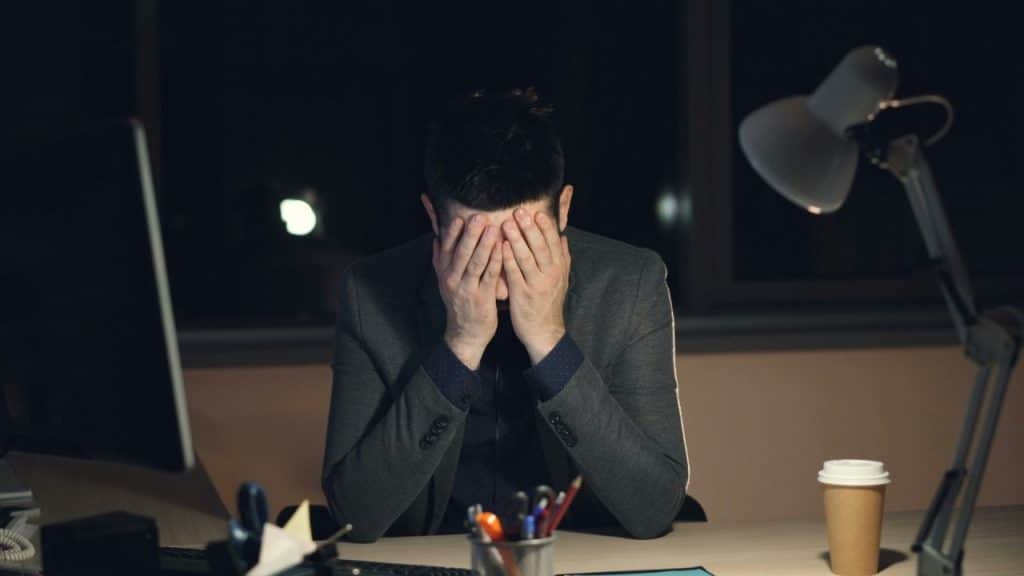
Career pressure, family obligations, and constant responsibility drain energy.
Dating requires effort—planning, messaging, showing up with enthusiasm. When you’re exhausted, that effort feels like work.
If there’s no margin in your schedule, relationships become an afterthought instead of a priority.
Rigid Dating Rules

“I only date this type.”
“I never date coworkers.”
“I won’t date anyone with kids.”
Rules simplify decisions. They also eliminate possibilities.
Flexibility doesn’t mean abandoning standards. It means recognizing that strong connections sometimes come in unexpected packages.
Avoiding Competition

Dating can feel competitive, especially in midlife when confidence varies.
If you assume someone better will always win, you may not try at all. That quiet withdrawal looks like indifference.
Putting yourself out there feels uncomfortable. Avoiding it guarantees nothing changes.
You’re Actually Prioritizing Other Goals

Not every single man is confused or unlucky. Some are simply focused.
Career growth, financial milestones, fitness goals, travel, personal projects—these take time. Relationships require time too.
If most energy goes elsewhere, singlehood may be less about failure and more about allocation.








Ask Me Anything