
Twenty years feels like proof. You’ve built a home, raised kids, shared losses, paid bills, and survived the awkward phases. From the outside, that kind of history looks solid. But time alone doesn’t protect a marriage. In fact, divorce rates among adults over 50 have doubled since 1990, and many long-term splits happen after two decades or more together.
What surprises most people isn’t that marriages end. It’s why they end so late. These aren’t sudden decisions made after one bad year. They’re usually the result of small fractures that stack up quietly. Here are 17 triggers that often show up in long marriages—and why they matter more than people expect.
Empty Nest and Emotional Distance
Raising kids can keep a couple busy enough to avoid looking too closely at their own connection. School events, sports, homework, and college plans fill every gap. Then one day, the house is quiet, and there’s no shared project to hold things together.
Research shows many couples time their divorce around when children leave home. When parenting ends as the main focus, some partners realize they haven’t built much beyond it. Without emotional investment along the way, the silence can feel heavier than expected.
Diverging Goals for the Future

In your twenties or thirties, the focus is survival and stability. By your fifties, it’s often meaning and freedom. One person may want to travel or start a business. The other may want predictability and routine.
These differences don’t always explode into arguments. They just create slow frustration. When retirement planning, lifestyle choices, and priorities no longer align, it can feel like living parallel lives under the same roof.
Sexual Disconnection

Intimacy shifts over time. Health changes, stress, and aging all play a role. But when physical closeness fades and stays faded, resentment often follows.
Studies suggest that intimacy problems contribute to about 20% of divorces. It’s rarely just about sex. It’s about feeling wanted, seen, and connected. When that disappears for years, the gap grows harder to ignore.
Growing Apart Instead of Growing Together

People evolve. Interests change. Beliefs shift. Careers rise or fall. Growth isn’t the problem. Growing in opposite directions is.
In long marriages, “growing apart” is cited as a primary reason for divorce by more than half of couples married 20 years or more. It doesn’t always involve conflict. Sometimes it’s just the quiet realization that the person across the table feels unfamiliar.
Shifting Expectations About Marriage

Marriage used to be about stability. Now it’s often about fulfillment. Cultural attitudes toward divorce have changed, and fewer people feel obligated to stay unhappy.
When expectations move from “we make this work no matter what” to “this needs to make me happy,” the tolerance for dissatisfaction shrinks. Long-term marriages built on old assumptions sometimes struggle under new standards.
Infidelity After Years of Stability
Affairs in long marriages often shock everyone involved. Friends assume the relationship was safe because it lasted so long. But longevity doesn’t prevent betrayal.
Infidelity doesn’t just break trust in the present. It rewrites decades of shared history. For many couples, that breach feels impossible to fully repair.
Emotional Neglect

Some marriages don’t implode. They cool. Conversations become logistical. Affection becomes rare. One partner starts to feel unseen.
Emotional neglect doesn’t scream for attention. It just creates loneliness inside a shared space. Over time, that loneliness can feel harder than being alone.
Financial Tension and Retirement Stress
Money stress doesn’t disappear with age. In fact, retirement planning can magnify it. Nearly 60% of gray divorces involve disputes over finances and assets.
Long-term couples often discover they have very different views about saving, spending, and risk. When financial security feels threatened, fear can override affection.
Communication Breakdown

Communication styles harden over time. One partner shuts down. The other pushes harder. Arguments become predictable.
Without new tools or outside help, couples can replay the same patterns for decades. Eventually, exhaustion replaces effort.
Addiction or Destructive Habits

Substance abuse, gambling, or other compulsive behaviors can quietly erode a marriage. Even if the issue starts small, it often expands.
Long-term exposure to instability changes how partners see each other. At some point, safety and trust outweigh shared history.
Increased Independence

Modern relationships look different from those of decades ago. Financial independence, especially among women, has shifted the power balance in marriage.
When someone no longer feels financially trapped, they may evaluate the relationship more honestly. If it feels one-sided or unfulfilling, staying becomes a choice rather than a necessity.
Health Challenges and Caregiver Burnout

Chronic illness changes the rhythm of a marriage. Caregiving is exhausting, even when love is strong.
Research has shown that serious health issues can increase divorce risk, particularly when long-term caregiving stress builds. Without support, exhaustion can turn into resentment.
Long-Standing Resentment

Small grievances don’t always disappear. They stack. Years later, a minor disagreement can trigger a reaction that seems out of proportion.
That reaction often isn’t about the present issue. It’s about every unresolved conflict that came before it.
Staying Together “For the Kids”

About one in three parents who divorce say they waited until their children were grown. The intention is protection.
But postponing a split doesn’t repair the relationship underneath. Once the kids are independent, the postponed decision resurfaces.
Retirement and Loss of Structure
Work provides identity and routine. After retirement, couples suddenly spend far more time together.
If shared interests weren’t developed earlier, that extra time can highlight incompatibilities. What once felt manageable during busy years may feel overwhelming when there’s no distraction.
One-Sided Effort

Some marriages run on uneven energy. One person initiates conversations, plans trips, manages emotions, and maintains connection. The other coasts.
Over the decades, that imbalance becomes heavy. When effort isn’t mutual, burnout follows.
Untreated Mental Health Issues
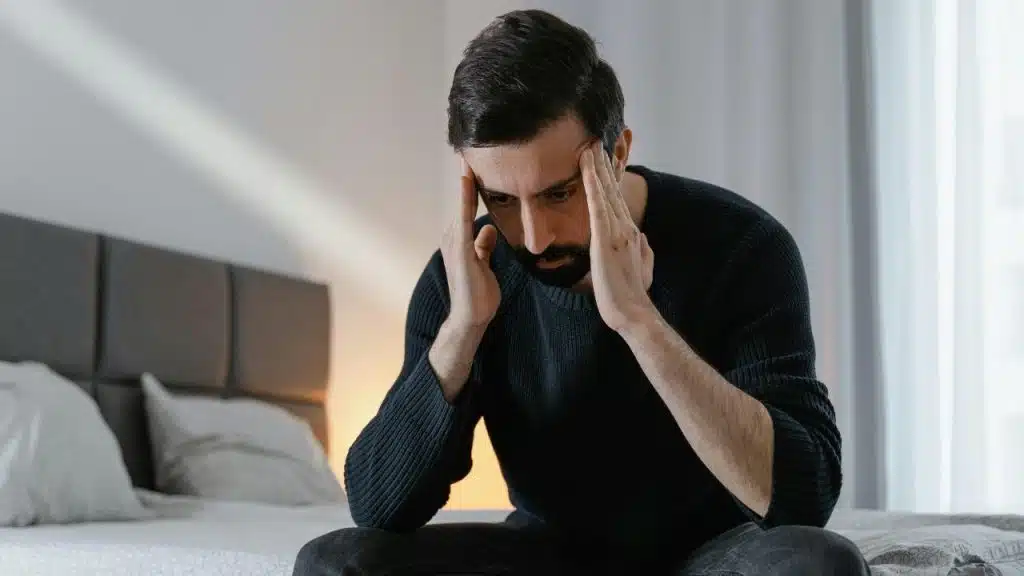
Depression, personality disorders, trauma, and chronic mood instability can strain even strong relationships. If left untreated, they reshape daily interactions.
A long marriage can survive many stressors. But ongoing instability without accountability or support often pushes couples to a breaking point.








Ask Me Anything