
Love is sold to us as fireworks, fate, and flawless compatibility. What we’re rarely told is that the real thing is messier, quieter, and far less cinematic than the movies promised. It asks more of you than butterflies ever could. It will expose your ego, test your patience, and force you to confront parts of yourself you’d rather ignore.
But if you understand the hard truths early, you stop sabotaging something good just because it doesn’t feel magical every second. Here are 17 brutal truths about love that nobody puts in the fairytale — but everyone eventually learns the hard way.
Chemistry Is Easy — Compatibility Is Work

That spark you feel in the beginning? It’s biology doing its job. Compatibility, on the other hand, is two people deciding their lifestyles, values, communication styles, and long-term goals can actually coexist. You can have insane attraction and still be terrible partners in real life. Pay attention to how you handle stress together, how you argue, how you make decisions. Butterflies don’t build a future — shared direction does. If you want something lasting, evaluate alignment, not just intensity.
You Will Eventually See Each Other’s Worst Sides

At some point, masks fall. You’ll see their bad moods, their insecurities, their coping mechanisms when life hits hard. They’ll see yours too. The real question isn’t whether flaws exist — it’s whether you can respond to them with maturity instead of contempt. Don’t date someone expecting a polished version forever. Date someone whose worst days you can handle without losing respect for them.
Love Doesn’t Automatically Fix Trauma
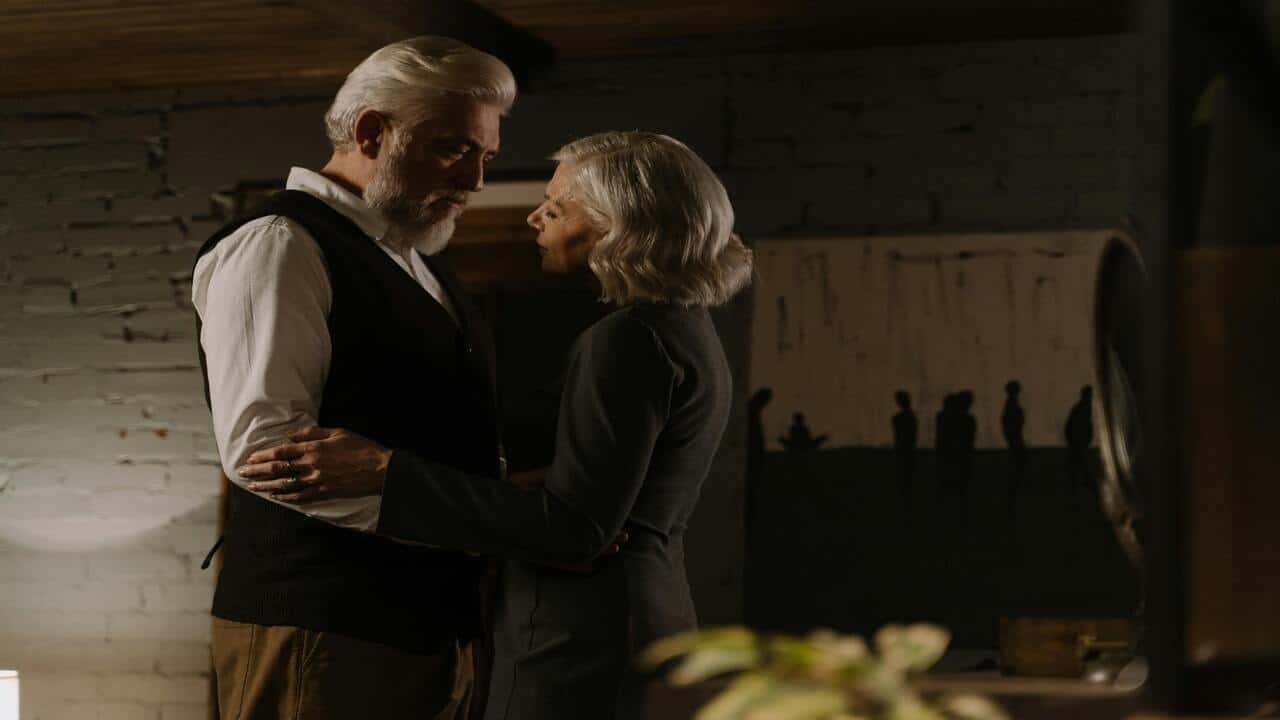
No matter how deeply someone cares about you, they cannot heal wounds you refuse to face. Unresolved trauma leaks into relationships through jealousy, avoidance, control, or emotional shutdown. Expecting a partner to “prove” they’re safe over and over is exhausting for both sides. Do your internal work. Therapy, journaling, honest self-reflection — whatever it takes. A healthy relationship supports healing, but it can’t replace it.
You Will Have Seasons Where You Don’t “Feel” In Love

The honeymoon phase fades. Real love has quiet seasons where the excitement dips and routine takes over. This doesn’t mean something is broken. Feelings fluctuate; commitment is the anchor. Instead of panicking when intensity lowers, focus on small daily efforts — appreciation, shared experiences, physical affection. Passion isn’t self-sustaining. It’s maintained.
Resentment Grows in Silence

The small things you “let slide” without discussing don’t disappear — they accumulate. Unspoken disappointments quietly erode attraction and respect. If something bothers you, bring it up early and calmly. Not in the heat of anger, not months later in a blow-up argument. Address issues while they’re small. Silence feels easier in the moment, but it’s expensive long term.
Attraction Can Shift — and That’s Normal

Bodies change. Stress affects energy. Life gets busy. Attraction isn’t a static setting; it’s influenced by effort, health, emotional connection, and novelty. If you notice distance, don’t jump to catastrophic conclusions. Instead, ask what’s been neglected. Often, improving emotional intimacy reignites physical chemistry. Connection fuels attraction more than perfection does.
Love Requires Boundaries

Many people think love means total access. It doesn’t. Healthy relationships still need individuality, personal time, and emotional limits. Without boundaries, you breed codependency or burnout. Protect your time, friendships, goals, and mental space. A partner should complement your life — not consume it.
You Won’t Always Win the Argument

If your goal is to “win,” you’ve already lost. Relationships aren’t debates — they’re collaborations. Sometimes you’ll need to prioritize understanding over being right. Ask yourself: do I want victory, or do I want closeness? Mature love requires ego management. Pride destroys more relationships than incompatibility ever will.
Effort Must Be Mutual

You cannot carry a relationship alone. If you’re always initiating plans, resolving conflict, or expressing affection while the other person coasts, imbalance builds resentment fast. Healthy love feels reciprocal. If you consistently feel like the only adult in the room, believe that pattern early — don’t wait for it to magically change.
Timing Matters More Than We Like to Admit

You can meet an amazing person at the wrong phase of life. One of you may be healing, building a career, or unsure about commitment. Love doesn’t override readiness. Forcing something before both people are emotionally available usually leads to heartbreak. Sometimes the issue isn’t connection — it’s timing.
Conflict Is Inevitable — Disrespect Is Optional

Arguments will happen. Misunderstandings will occur. What determines longevity isn’t the absence of conflict but the presence of respect during it. No name-calling. No character attacks. No dragging up ancient history to score points. Fight the issue, not each other. That difference separates couples who grow from couples who implode.
You Will Be Tempted

Attraction to others doesn’t disappear because you’re committed. The difference between fleeting temptation and betrayal is discipline. Protect your relationship by managing boundaries — especially in emotional spaces. Emotional affairs often start with “harmless” oversharing. If you wouldn’t say it in front of your partner, rethink saying it at all.
Growth Can Create Distance

As individuals evolve, priorities shift. Careers change. Interests expand. If you’re not intentionally growing together, you can wake up feeling like strangers. Check in regularly about goals, dreams, and personal development. Shared growth keeps alignment intact. Without it, divergence happens quietly.
Forgiveness Doesn’t Always Restore Trust

You can forgive someone and still struggle to feel safe again. Trust rebuilds through consistent, predictable behavior over time — not apologies. If trust was broken, both people must commit to transparency and patience. Healing isn’t instant. It’s repetitive proof.
Love Is a Choice More Than a Feeling

Feelings inspire commitment; choices sustain it. Choosing to show up when tired, to listen when annoyed, to compromise when stubborn — that’s what keeps love alive. The couples who last aren’t the ones who “never stopped feeling it.” They’re the ones who kept choosing each other when it wasn’t easy.
Not Every Love Is Meant to Last Forever

Some relationships exist to teach, not to stay. Holding onto something purely because of history or potential often prolongs pain. If core values clash or respect erodes beyond repair, walking away can be the healthiest act of love — for both of you. Longevity alone is not success.
Loving Well Requires Self-Awareness

The common denominator in all your relationships is you. Your triggers, attachment patterns, communication habits — they follow you everywhere. If you don’t examine them, you repeat cycles with different faces. Self-awareness isn’t optional if you want something healthy. It’s the foundation.








Ask Me Anything