
Most men do not panic because they are actually being replaced. They panic because something makes them feel easily discarded. That feeling can come from a partner’s tone, a shift in attention, new boundaries, or a sudden change in expectations. It can also come from personal insecurity, past betrayal, or work stress that drains confidence. Replaceability anxiety often shows up quietly at first, then erupts through defensiveness, control, or emotional withdrawal. The panic is rarely about one conversation. It is about what the conversation implies: “If value drops, love disappears.” These realities explain what is happening beneath the surface.
The Identity Threat: When Value Feels Conditional

For many men, identity is tied to usefulness, competence, and being respected. When they feel replaceable, it can feel like a direct hit to identity. The fear is not only losing the relationship. The fear is losing the role they built their life around. If love feels conditional, every mistake feels dangerous. This can create hypervigilance and overthinking. The man starts scanning for signs that he is being measured against other options. Even small criticisms can feel like rejection. The panic is often a protection reflex, not a logical conclusion.
Many Men Were Taught They’re Loved for What They Provide

A lot of men grow up believing affection is earned through results. Praise often follows performance, not presence. Over time, this can create a mindset that love is transactional. When a man feels replaceable, he assumes his “value” has dropped. This is why the panic can spike after job issues, financial stress, or personal setbacks. The relationship starts to feel like a performance review. He may fear that failure makes him disposable. Even if the partner is supportive, the belief can still exist. That belief can drive anxious behavior.
Respect Feels Like Safety, and Losing It Feels Like Danger
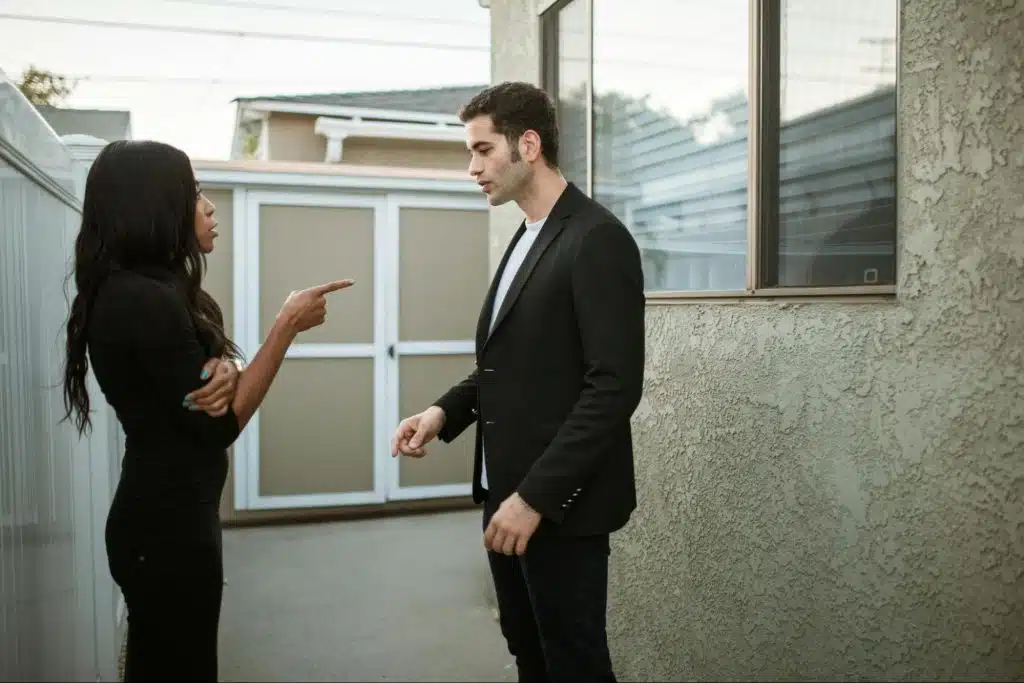
Many men experience respect as emotional safety. When respect feels shaky, panic rises quickly. Disrespect can be real, but sometimes it is perceived due to stress or insecurity. Either way, the body responds as if danger is present. The man may become reactive, defensive, or controlling to regain stability. He might start arguing over small things because he is actually fighting the feeling of being dismissed. Respect is not just pride; it is security. When security drops, behavior often worsens. That can create a cycle that damages the relationship further.
Replaceability Triggers Competition, Even When No Rival Exists

When a man feels replaceable, the brain often invents a rival. It could be an ex, a coworker, social media, or a “better man” in imagination. This triggers a competitive mindset rather than a collaborative one. The man may start measuring himself, comparing, or seeking proof that he still ranks high. That can lead to jealousy, suspicion, or emotional testing. It can also lead to sudden changes in behavior, like over-giving or over-controlling. The partner may feel confused because nothing “happened,” yet tension rises. This is the panic of competition without clear rules. It often harms trust.
Panic Often Shows Up as Control, Not Vulnerability

Many men were not taught how to express fear directly. Vulnerability can feel unsafe or embarrassing. Instead of saying “This scares me,” the panic comes out as control. Control can look like questioning, monitoring, demanding reassurance, or trying to manage a partner’s behavior. The intention may be safety, but the result is pressure. Pressure often pushes partners away, which increases the replaceable feeling. This creates a self-fulfilling loop. The man becomes more controlling, the partner becomes more distant, and the fear becomes “confirmed.” Panic does not create closeness. It creates friction.
The Trigger Patterns: What Usually Sets It Off

Replaceability panic often has predictable triggers. A partner becoming less affectionate, more independent, or more socially active can spark it. So can conflict, criticism, or being told “this needs to change.” Even positive changes, like a partner improving self-esteem, can trigger insecurity. The man may interpret growth as “She will outgrow me.” Work stress can also lower confidence and make relationship feedback feel heavier. Sometimes the trigger is external: friends’ relationships, social media comparisons, or past betrayal memories. The key is that the trigger does not have to be serious. It only has to feel like a warning sign.
Men Often Interpret Distance as a Countdown

When a partner pulls back even slightly, some men read it as the beginning of the end. They assume the relationship is on a timer. This creates urgency, and urgency often leads to bad decisions. The man may chase, demand, or escalate conversations prematurely. Instead of solving the issue, it increases tension. Many partners pull back because they feel overwhelmed, not because they are leaving. But panic hears distance as rejection. That can cause the man to act in ways that make the partner need more space. This pattern is common and destructive. Calm interpretation usually leads to better outcomes.
The Fear Is Often “I’m Not Enough,” Not “She’s Unfaithful”

Replaceability is usually tied to self-worth, not evidence. The fear can exist even in loyal relationships. It often sounds like internal questions: “Am I still attractive?” “Am I still respected?” “Am I still chosen?” When a man cannot answer those questions confidently, panic grows. Some men try to fix it by seeking constant reassurance. Others try to fix it by acting indifferent and detached. Both strategies often backfire. Reassurance becomes a dependency, and detachment creates distance. The real need is internal security and healthier communication. Without that, fear keeps returning.
Some Men Tie Love to Status and Image

For some men, a partner’s approval feels tied to social status. Being chosen feels like proof of value. Losing that choice feels humiliating, not just painful. This can intensify the panic and create defensive behavior. The man may become obsessed with what others think, not just what the partner feels. He may also resist therapy or open conversations because it threatens pride. The focus becomes “not looking weak” rather than “being close.” Pride can block repair. Repair requires humility. When image matters more than intimacy, replaceability fear stays high.
Trauma and Past Betrayal Make the Alarm Louder
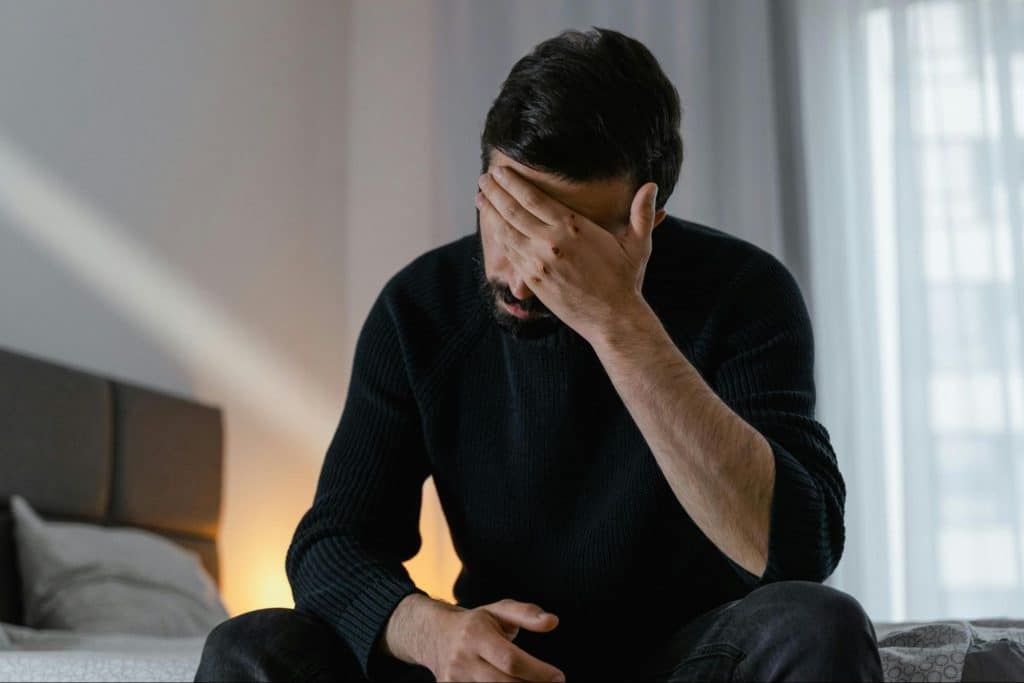
Men who have been cheated on, abandoned, or repeatedly criticized often have a sensitive alarm system. The alarm can go off even when the current partner is not doing anything wrong. This does not excuse poor behavior, but it explains intensity. Past pain teaches the brain to anticipate loss. Anticipation can create suspicion and emotional testing. Emotional testing often damages trust. If a man has unresolved betrayal trauma, reassurance alone will not fix it. The nervous system needs repair. Calm boundaries and support help, but the work must be internal too. Otherwise, the same panic repeats in every relationship.
Replaceability Can Make Men Overperform or Underperform

Some men respond by overperforming: gifts, constant attention, big promises, or sudden intensity. It can look romantic, but it is often fear-driven. Other men respond by underperforming: withdrawing, acting cold, or pretending not to care. Both are attempts to regain power. Overperforming tries to “earn” safety. Underperforming tries to “avoid needing” safety. Neither creates a stable connection. Stable connection comes from consistent effort and honest communication. Panic-driven behavior is inconsistent by nature. That inconsistency creates more insecurity for both partners. The relationship becomes unstable.
Men Sometimes Confuse Boundaries With Rejection

A partner setting boundaries can trigger replaceability panic. Boundaries might include privacy, personal time, or saying “no” more often. Healthy boundaries are normal and necessary. But insecure minds interpret boundaries as emotional distance. The man may think, “She doesn’t need me anymore.” Needing and loving are not the same, but panic blurs them. When boundaries are seen as rejection, conflict increases. The partner may then enforce boundaries more strongly. That makes the man feel even more replaceable. The issue becomes a misunderstanding of what boundaries mean. Boundaries usually protect love, not end it.
The Panic Often Hides Behind Anger

Anger is a socially acceptable emotion for many men. Fear can feel unacceptable. So panic often comes out as irritation, sarcasm, or picking fights. The man may act like the partner is the problem, when the real issue is insecurity. This confuses the partner because the reaction feels disproportionate. It also blocks productive conversations. Anger creates blame, and blame kills vulnerability. Vulnerability is what would actually fix the problem. If anger keeps leading, the relationship becomes more distant. Distance then triggers more panic. This loop is common.
Feeling Replaceable Can Turn Into Emotional Withdrawal

After repeated panic, some men shut down. They stop trying to connect because it feels risky. They reduce affection to avoid rejection. They become “fine” on the surface while emotionally absent underneath. This is a defense mechanism: “If nothing is offered, nothing can be taken away.” But emotional absence creates the very outcome they fear. Partners feel lonely and detached. Detachment increases the man’s insecurity. The relationship becomes cold. Cold relationships rarely recover without intentional repair. Withdrawal protects pride but damages love.
The Real Fix Is Becoming Chosen Through Behavior, Not Begging

Feeling chosen cannot be forced through pressure. It is built through consistent respect, presence, and effort. When a man focuses on becoming emotionally reliable, he often feels less replaceable. Emotional reliability includes listening, accountability, and steady affection. It also includes having a life and identity outside the relationship. Men who feel grounded in themselves panic less. They do not need constant proof to feel secure. Security comes from self-respect and relationship consistency. That consistency is built over time. Panic tries to rush what only consistency can create. The best fix is steady behavior, not frantic reassurance seeking.
Tips: What Men Can Do When Replaceability Panic Hits

Pause before reacting and name the feeling internally as fear, not “logic.” Avoid accusations and focus on describing the actual concern calmly. Ask for clarity instead of demanding reassurance. Practice self-regulation: sleep, exercise, and reduced doom-scrolling help more than people admit. Keep dignity by communicating directly rather than controlling behavior. Rebuild confidence through personal goals, not only relationship validation. If the fear is tied to past betrayal, consider structured support or counseling. The goal is security, not surveillance.
Tips: What Partners Can Do Without Feeding the Anxiety

Offer clarity without overexplaining or becoming a constant reassurance source. Use consistent behavior and calm communication rather than emotional punishment. Validate feelings without validating control, jealousy, or accusations. Set boundaries kindly and clearly, and follow through consistently. Highlight specific appreciation that is real and grounded, not exaggerated. Encourage accountability and emotional growth rather than rewarding panic behavior. If conflict spirals, return to one topic at a time and avoid name-calling. Emotional safety is built through patterns, not speeches.
Replaceability Panic Is Often a Fear of Being Unchosen

Men panic when they feel replaceable because it hits identity, security, and self-worth. The panic is not always about another person; it is often about feeling unseen, undervalued, or one mistake away from rejection. Unfortunately, panic tends to come out as control, anger, or withdrawal, behaviors that create more distance. The healthiest path is learning to regulate fear, communicate clearly, and build consistent emotional reliability. Partners can help by offering clarity and stable boundaries without feeding anxiety. Replaceability is often a story the mind tells under stress. The relationship improves when both people focus on respect, presence, and repair. When security becomes real, panic loses its grip.








Ask Me Anything