
The term “mankeeping,” referring to where women feel like they are mostly single because they can’t or won’t cater to the emotional needs of men who they feel like they need to be rehabilitated or raised properly, has been floating around for a while now. Sure, it sounds super catchy and many women have given into it, calling men stunted infants who they can’t babysit anymore, but the truth is quite different. This term serves to oversimplify everything by postulating that women choose singlehood as a consequence of their refusal to “mother” men. The reality is far more structured, complex, and predicated on various factors. Read on and learn why blaming “mankeeping” isn’t appropriate or reasonable in the contemporary context.
Marriage is No Longer an Economic Necessity
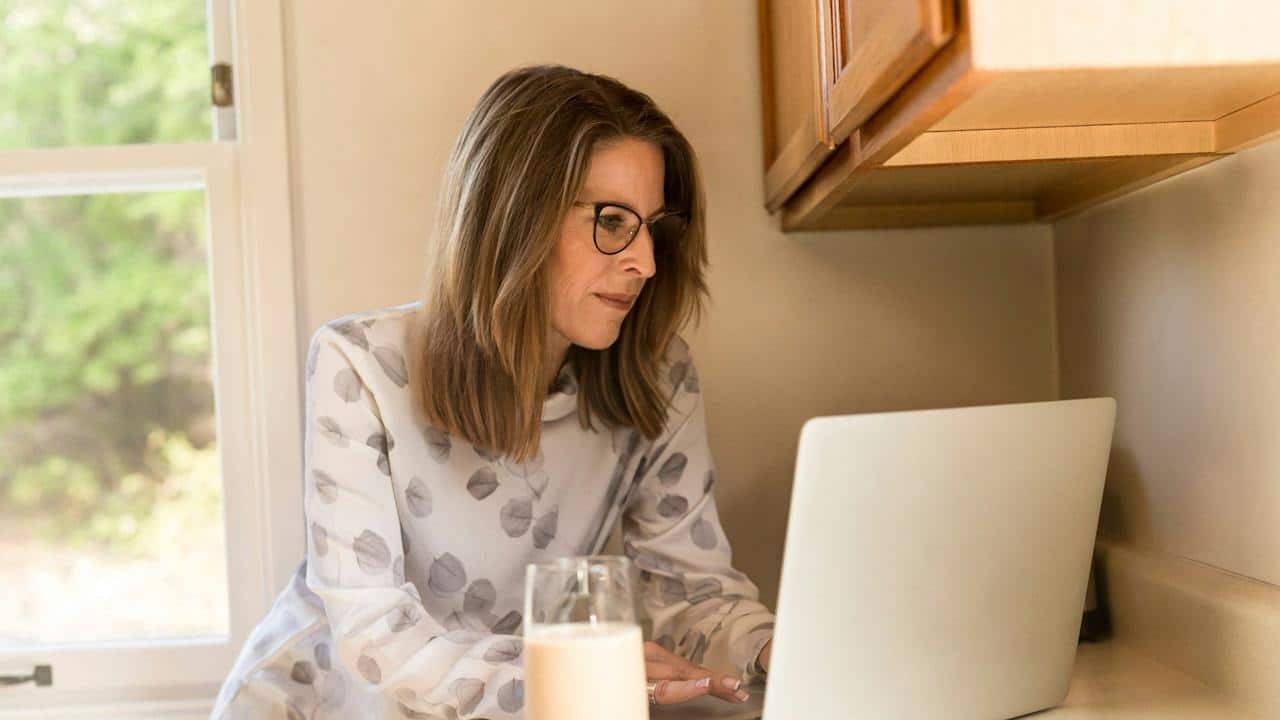
For most of man’s history, marriage was all about survival. In present times, many women are capable of earning their own income, have their own property, and have built strong careers. The inclination and motivation structure has been completely altered. Being single no longer means a woman is vulnerable.
Education Has Shifted the Power Dynamic

Women now graduate from higher education institutions at higher rates and that is true for many countries across the world. Women have now become more invested in education and this inclination towards earning higher degrees and attaining milestones in education has delayed marriage and enhanced the trait of selectivity in both men and women alike.
Dating Apps Changed Perceived Options

Apps like Bumble, Tinder, and more have significantly expanded the perceived choice amongst women. This perceived abundance has made it quite harder for them to settle, to commit psychologically to any single man for long.
Delayed Marriage is a Global Trend

The fact is that marriage is losing its social priority, with more and more women and men seeking to secure stronger careers, greater education, and mental and emotional milestones before getting married. This is happening all across the world, where the age of first marriage is being delayed. It is a global phenomenon, not just a form of rebellion.
Economic Pressure Makes Commitment Harder and Riskier

Commitment feels riskier and far heavier in the modern context because it has become fraught with financial risks. Being in a committed relationship means that expenses like accommodation, groceries, medical insurance, and more need to be contended with, a task that seems almost heinously egregious thanks to the rising inflation and unstable job markets. Most women and men choose to eschew deep commitment because of this economic pressure.
Social Media Amplifies Comparison
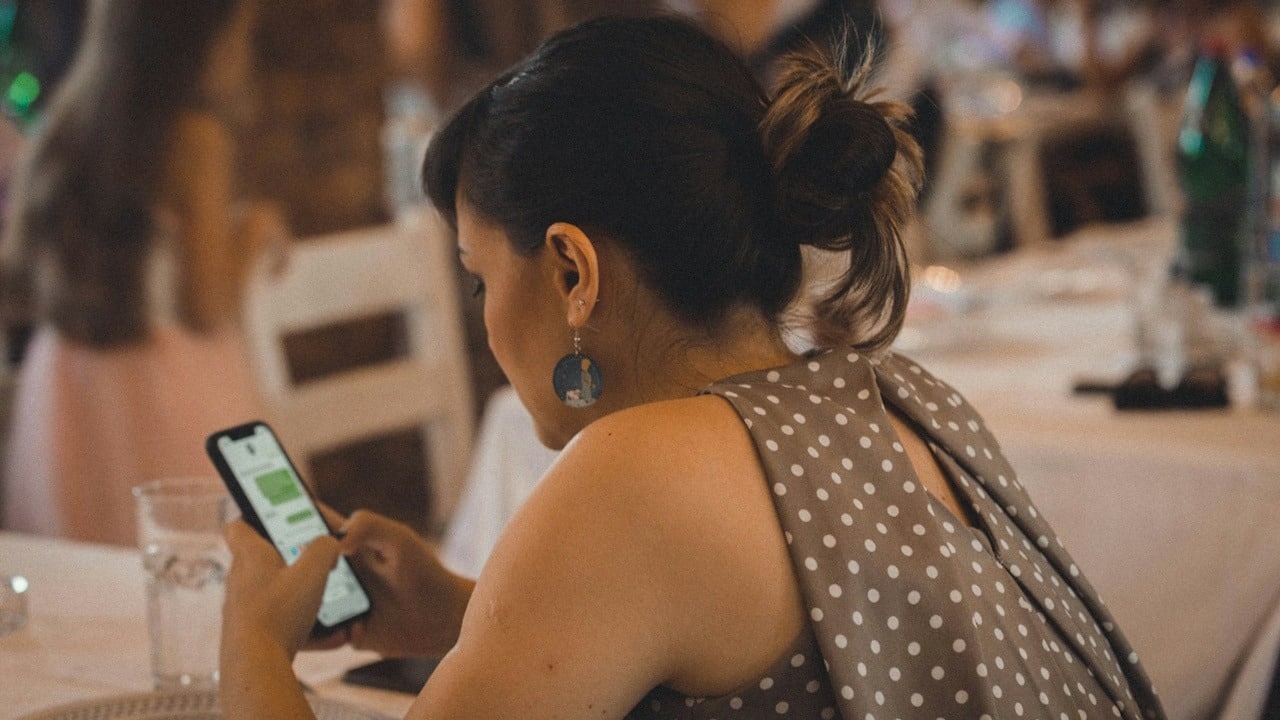
The social media platforms like TikTok, Instagram, and more show curated, immaculate, reel-ready relationships that are bereft of any flaws. This has enhanced the trend of dissatisfaction amongst people of relationship-suitable age through comparisons with these contrived templates of relationships that they see online.
Emotional Standards Have Risen

Women today expect greater emotional communication from men. They also want them to be more open to sharing in domestic chores and responsibilities and engage in endeavors that lead to mutual growth. Now, the truth is these aren’t unreasonable demands but it is also true that they serve to significantly shrink the field.
Men are Also Delaying Commitment

The truth is, this aversion to commitment isn’t solely being evinced by females. Men too are choosing singlehood in these times. It is because they feel replaceable, stressed, and utterly belittled by the modern dating culture. They also have financial stability, personal independence, and an inclination towards career development to contend with. Merely blaming “mankeeping” completely ignores these factors that shape male hesitancy.
Trauma Awareness Has Increased

It is a fact that people have become more aware about trauma and incompatibility because attachment theory, therapy culture, boundary language, and other indicators have become common knowledge now. Many people end up leaving their relationships early because they are able to pick up on unresolvable differences and incongruence sooner, not because they are selfish or averse to relationships.
Fear of Divorce is Real
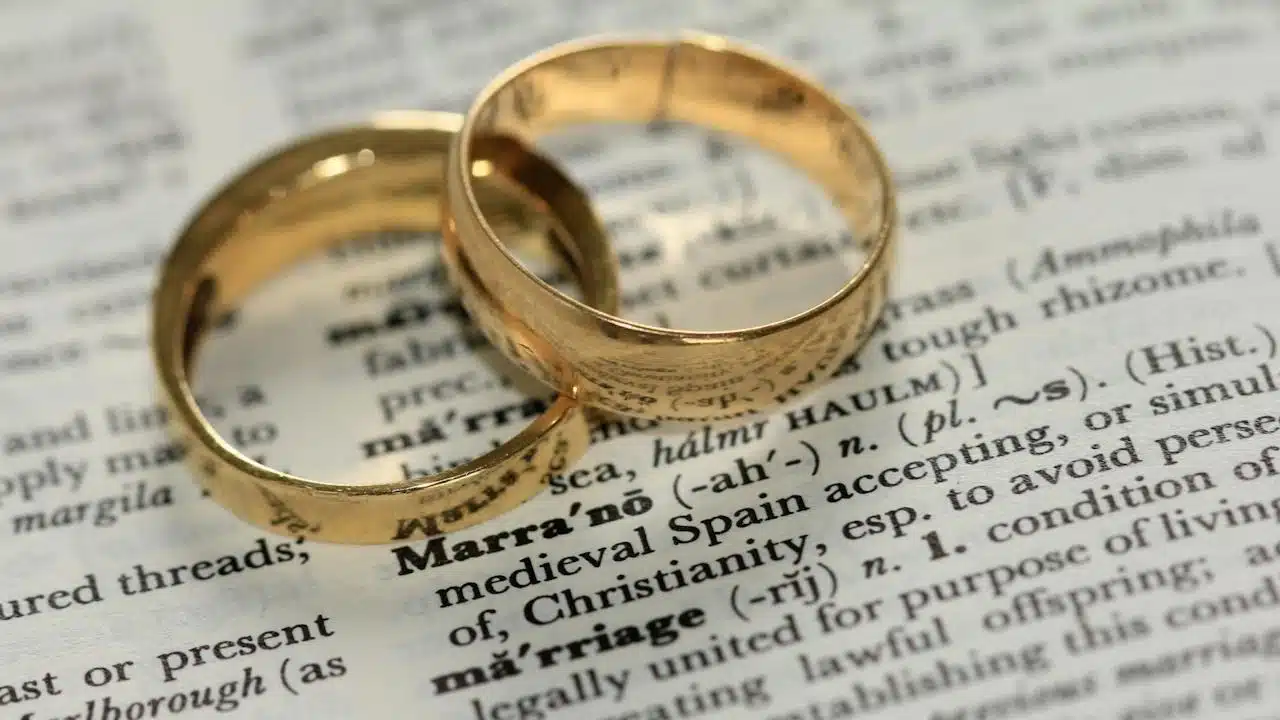
Both men and women have become hesitant and fearful towards the concept of commitment because they have seen in real life as well as online accounts of just how destructive the fallout of divorce can be. The financial, emotional, and psychological risks involved with divorce have made many men and women embrace singlehood simply because it feels safer.
Cultural Transition is Messy

Expectations are shifting quite rapidly in contrast to norms in societies that seek to achieve a balance between modernity and tradition. Many women are caught up in trying to attain this tenuous balance between modern autonomy and traditional expectations of marriage. This tension and stress also play their part in delaying commitment significantly.
An Increase in Hyper-Individualism
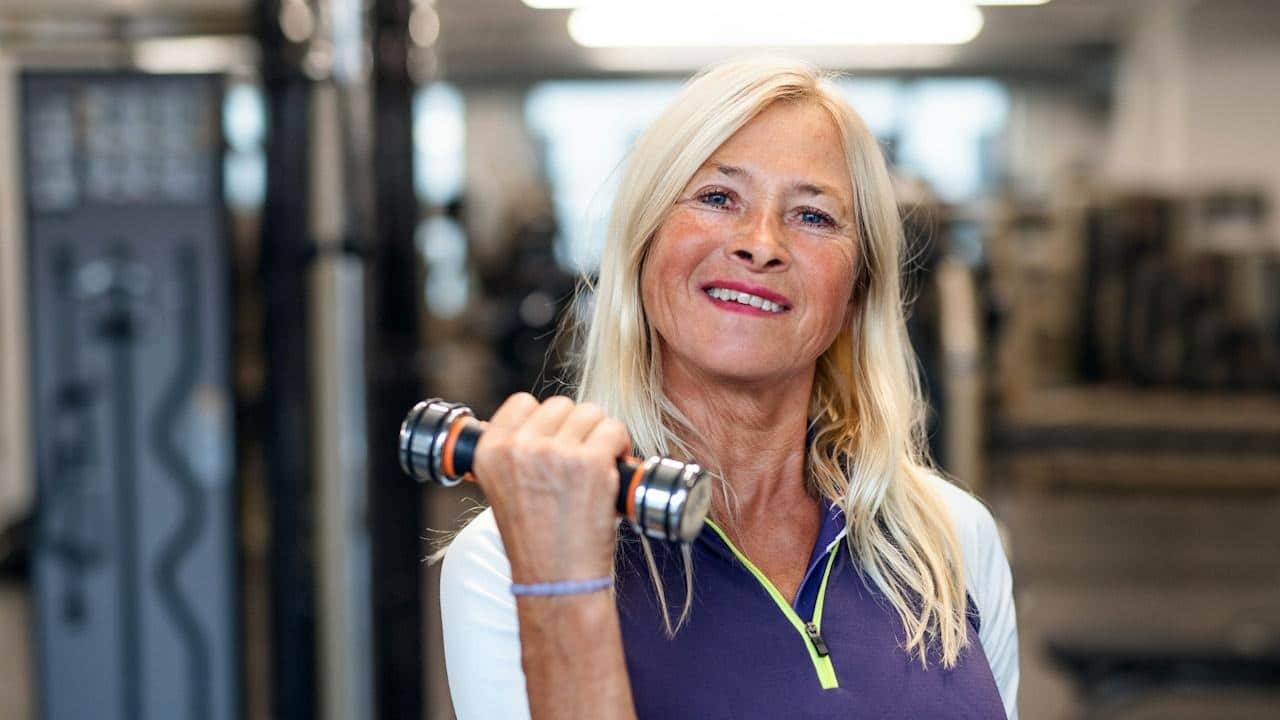
The notion of hyper-individualism has been accentuated considerably in women in these modern times. They are taught by modern culture to be more inclined towards achieving personal growth, traveling, carving out palpable careers, and engaging in endeavors pertaining to self-actualization. Partnership and commitment take a backseat to all of these ventures regarding self-development, leaving many women single in present times.
Compatibility Expectations are Higher Than Ever
Where past generations gave preference to securing approval from their families, attaining stability, and remaining practical in their approach to relationships, the modern people instead prioritize emotional chemistry, intellectual compatibility, and congruence in lifestyle. These lofty ideals and compatibility expectations have made the prospect of matching and commitment even harder than ever.
Loneliness is Gender Neutral
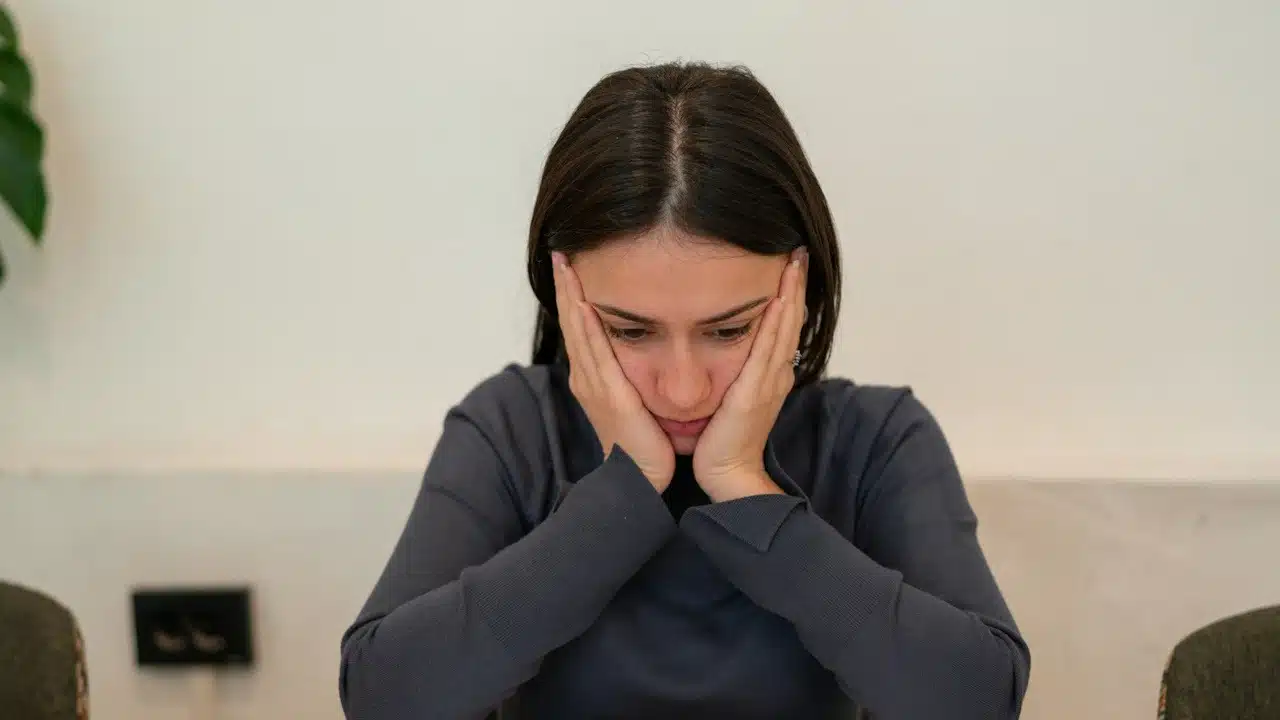
Statistics show consistently that the rate of people experiencing loneliness and pangs of isolation is rising steadily across both men and women. The society is struggling with the notion of connection because expectations are high and people aren’t invested in forming genuine connections any longer. It has little to do with something so banal as women opting out of men.
ManKeeping Isn’t Sustainable

Women have a lot to introspect about. They can’t always blame men for their shortcomings and be done with it. Mankeeping is just the latest in a long series of approaches for women to deflect accountability and eschew deliberating about their own faults, faults that have led to them ending up alone and single.
Final Thoughts
Mankeeping shouldn’t be blamed solely because the reality is far more complex and numerous social shifts are responsible for the current prevalence of singlehood amongst women and men alike. The restructuring of partnership norms and a shift in global trends towards relationships need to be studied meticulously to better explain this propensity towards singlehood instead of blaming it on men only.








Ask Me Anything