
Second marriages usually begin with confidence. You’re older. You’ve been through a divorce. You know what went wrong the first time. It feels like experience should give you an edge.
But here’s the uncomfortable stat: around 67% of second marriages still end in divorce. That number surprises a lot of people who believed they had learned enough the first time around. The truth is, second marriages come with new pressures layered on top of old wounds. Here are the most common mistakes people make the second time—often without realizing it.
Carrying Unfinished Business From the First Marriage

Divorce doesn’t just end a relationship. It leaves behind bruises, habits, and defensive instincts. If those aren’t dealt with, they quietly follow you into the next marriage.
Some people become hyper-alert for betrayal. Others shut down emotionally to avoid getting hurt again. It makes sense, but it creates tension in a relationship that hasn’t actually done anything wrong yet. Second marriages don’t fail because of the first spouse. They fail because old reactions get replayed with a new person.
Jumping Into a Rebound

Loneliness after divorce can hit harder than expected. Attention feels good. Stability feels safe. Moving fast feels like progress.
But rebound relationships often form before the emotional dust has settled. When the grief clears, people realize they committed to someone they barely evaluated properly. There’s a big difference between wanting companionship and being ready for partnership.
Assuming “I Know How Marriage Works Now”

Experience can build wisdom. It can also build overconfidence. Some remarried couples assume they already understand conflict, communication, and compromise. They skip deeper conversations because they believe they’ve “done this before.”
Every relationship has its own dynamics. A second marriage isn’t a sequel with the same script.
Not Fully Grieving the First Marriage

Even if the divorce was necessary, it still represents loss. Loss of a future, shared memories, and identity.
If that grief isn’t processed, it leaks into the next marriage in subtle ways. It shows up as comparison, resentment, or emotional distance. You can’t build something new while quietly holding onto what ended.
Comparing Your New Spouse to Your Ex

Some comparison is natural. It becomes a problem when it turns into measuring.
“This is how my ex handled money.” “My ex never did that.”
Those thoughts may not be said out loud, but they shape expectations. The new marriage deserves to stand on its own, not compete with history.
Blending Families Without a Plan
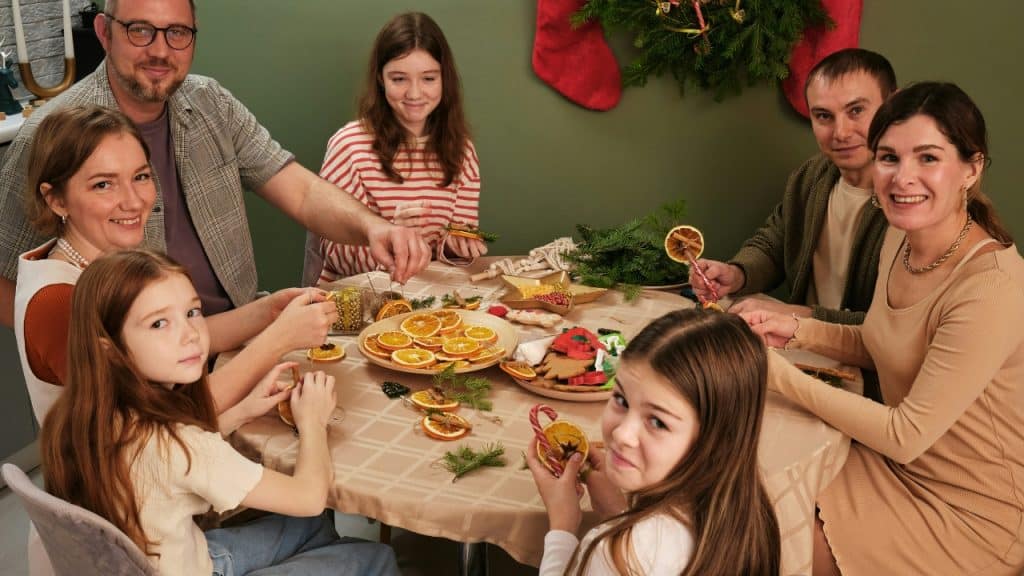
Second marriages often mean stepchildren, different parenting styles, and shifting loyalties. That’s not a small adjustment.
Children may resist. Step-parents may feel unsure about boundaries. Bio-parents may feel protective or defensive. Blended families don’t naturally fall into place. They require patience, clear roles, and a united front. Without that, tension builds fast.
Ignoring Financial Complexity

Money is already a top stressor in first marriages. In second marriages, it gets more layered. There may be child support payments, alimony, shared assets, or separate accounts. One partner might feel resentment over financial obligations tied to a previous life.
Avoiding those conversations doesn’t protect the relationship. It quietly strains it.
Letting Resentment Over Child Support Grow

Child support can be emotionally complicated. The money may be necessary, but it can still feel heavy.
If one partner views those payments as “money leaving the marriage,” resentment can build. Over time, that resentment turns into distance. It’s not about the dollar amount. It’s about how the couple frames it together.
Underestimating the Role of Ex-Spouses

Exes don’t disappear after divorce—especially when kids are involved.
There may be court dates, schedule conflicts, or emotional flare-ups. Some exes cooperate. Some don’t. If boundaries aren’t clear, the new marriage can feel crowded by old dynamics.
Avoiding Honest Money Talks

In many second marriages, both partners come in with established financial habits.
One may be a saver. The other may be comfortable with risk. Without open discussions about debt, assets, and long-term goals, misunderstandings grow. Silence around money doesn’t equal peace. It just delays the argument.
Expecting Instant Trust

Trust in a second marriage often feels fragile. If someone was cheated on or blindsided before, suspicion can show up quickly. That doesn’t mean the new partner is untrustworthy. It means old fear hasn’t fully settled.
Trust has to be rebuilt intentionally. It doesn’t transfer automatically from one marriage to the next.
Acting Emotionally Independent to a Fault

After divorce, many people become fiercely independent. They learn to handle life on their own.
That strength can turn into emotional distance in a second marriage. Being capable is good. Refusing to lean on each other isn’t. Marriage still requires vulnerability, even the second time.
Rushing the Commitment

Some couples remarry quickly because they don’t want to waste time. The intention is practical. The risk is skipping deeper discovery.
Seeing how someone handles stress, conflict, and disappointment takes time. It’s not revealed during the honeymoon phase.
Not Supporting Each Other’s Parenting Roles

Step-parent dynamics are sensitive. If one spouse disciplines too quickly, conflict erupts. If the other refuses to back their partner up, resentment grows. Alignment in parenting decisions isn’t optional in a blended family. It’s survival.
Expecting Kids to Be the Glue

In first marriages, some couples stay together “for the kids.” In second marriages, there may not be shared children. That changes the dynamic. Without a shared parenting focus, the relationship itself must be the anchor. It can’t rely on external pressure to hold it together.
Letting Work Take Priority Again

Many people who divorce say career focus contributed to distance. Yet in second marriages, work pressure often returns. Financial rebuilding, child expenses, and midlife career goals can dominate attention. If the relationship keeps sliding to the bottom of the list, history can repeat itself.
Skipping Counseling Because “We’re Fine”

Couples in distress often wait years before seeking help. Second marriages sometimes carry the belief that problems should be handled internally. After all, you’ve “been through worse.” Early conversations with a counselor aren’t a sign of weakness. They’re maintenance.
Holding Back Vulnerability

Some remarried people become guarded. They don’t fully open up because they don’t want to be hurt again. They keep certain fears or needs private. That guardedness may feel protective. It also limits intimacy.
Refusing to Take Responsibility

It’s easy to blame the first marriage entirely on the ex. But patterns rarely belong to one person. Without self-reflection, the same communication habits, conflict styles, and blind spots carry over. Second marriages aren’t doomed. But they aren’t protected by experience alone.
The biggest difference between repeating history and rewriting it often comes down to what someone is willing to own the second time around.








Ask Me Anything