
Testosterone replacement therapy used to be fringe. Now it’s normal. Clinics advertise it openly. Podcasts talk about it casually. Men in their 40s discuss bloodwork like they used to discuss bench press numbers.
TRT sounds simple. Low numbers, quick injection, problem solved. But testosterone replacement therapy is not a casual experiment. It’s a medical decision that can affect your health, your fertility, your mood, and your long-term routine. Before you touch it, there are a few questions worth answering clearly.
Do I actually have low testosterone, or am I just 42?
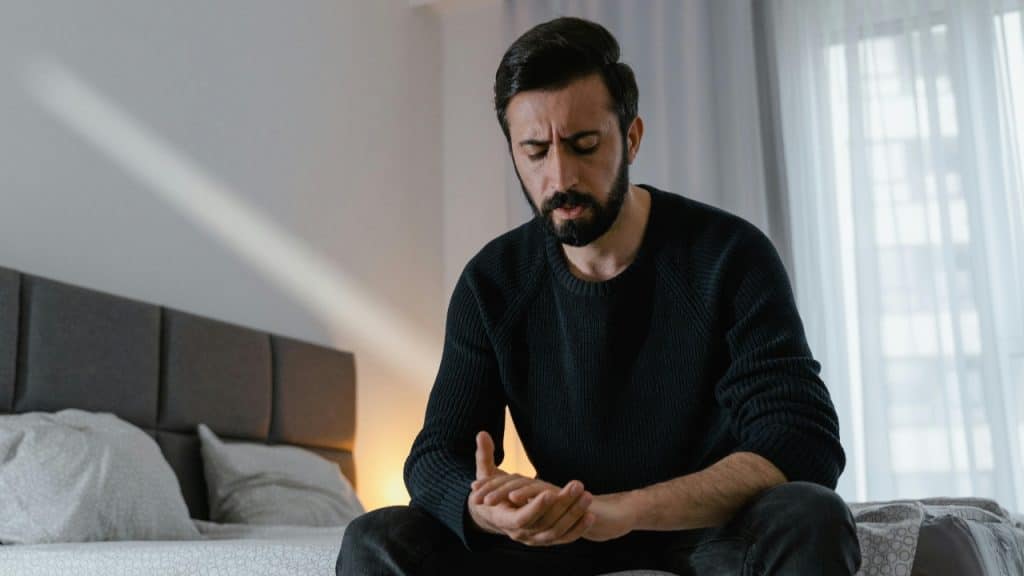
Testosterone naturally declines with age. After about 40, levels tend to drop gradually each year. That doesn’t automatically mean something is wrong. Fatigue, weight gain, and low libido can also come from stress, poor sleep, excess body fat, or burnout.
TRT is medically approved for diagnosed hypogonadism, not just “feeling older.” If the only evidence is that you’re tired and less motivated than you were at 28, that’s not enough. The first real question is whether this is a hormone issue or a lifestyle issue wearing a hormone mask.
Have I had proper testing done more than once?
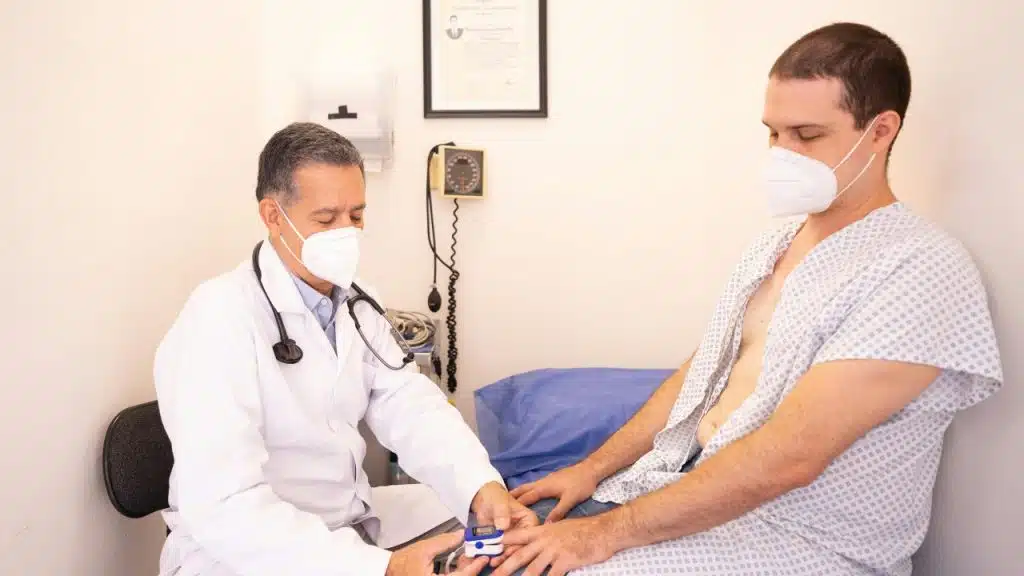
Testosterone fluctuates throughout the day. That’s why doctors typically check levels in the morning and often repeat the test to confirm low readings. One random lab result isn’t a solid foundation for lifelong hormone therapy.
A surprising number of men get prescriptions without thorough testing. That’s not a flex. It’s a red flag. Before starting anything, it’s worth confirming that your total and free testosterone are consistently below the normal range and that symptoms match the numbers.
Have I fixed the obvious stuff first?
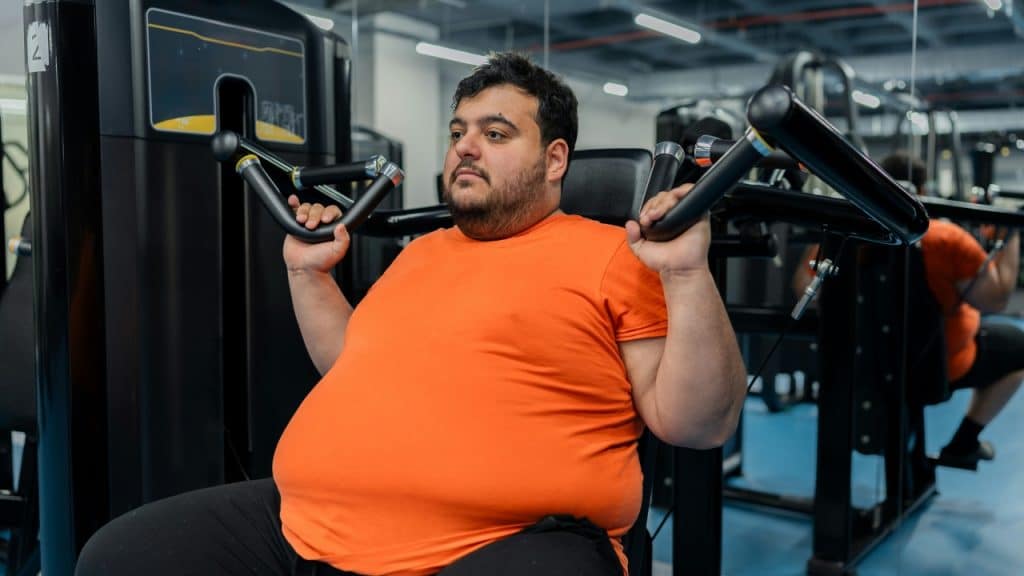
Sleep deprivation alone can tank testosterone. So can carrying extra body fat. Chronic stress does its own damage. Strength training, weight loss, and proper nutrition can all improve hormone levels to some degree.
TRT should not be a shortcut around habits. If sleep is five hours a night, workouts are inconsistent, and diet is built on convenience food, those need attention first. Sometimes optimizing the basics moves the needle enough that injections aren’t necessary.
What benefits am I realistically expecting?
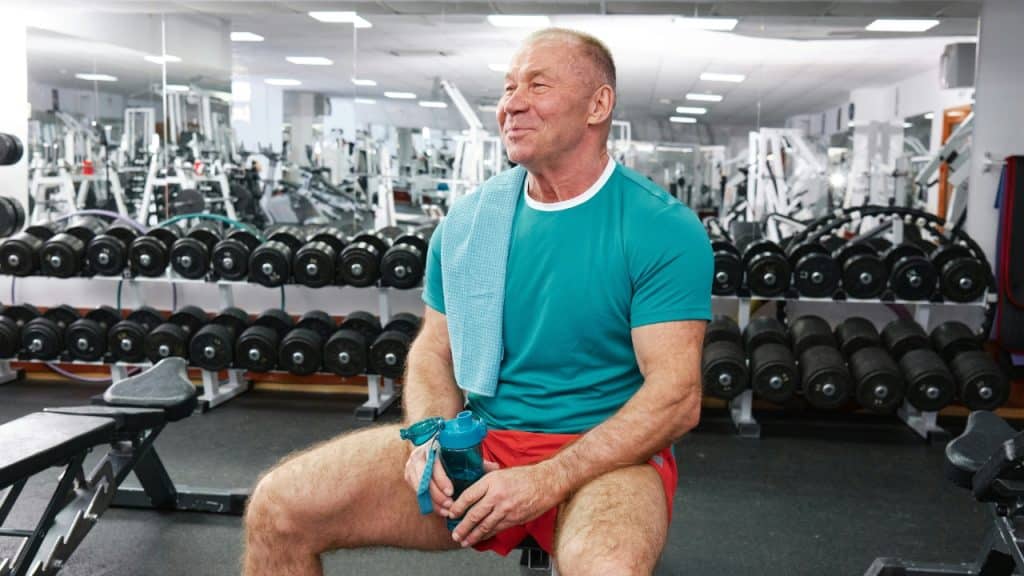
A lot of men quietly hope TRT will feel like flipping a switch. More energy, more drive, better focus, stronger lifts, higher libido. Some of that can happen. Many men report improved mood and better recovery within weeks, and body composition changes over months.
But most experienced patients describe the outcome as feeling “normal” again. Not superhuman. Not invincible. Just back to baseline. If expectations are set too high, even solid improvements can feel disappointing.
What are the actual risks?

Testosterone therapy is not risk-free. It can increase red blood cell count, which raises clot risk. Some studies have raised concerns about cardiovascular events in certain populations. Doctors also monitor prostate markers during treatment.
Common side effects can include acne, fluid retention, sleep disturbances, and mood shifts. Testicles often shrink because the body reduces its own natural production. This is not fear-mongering. It’s basic physiology. The key question is whether the potential upside outweighs those trade-offs for you.
What happens to my fertility?
External testosterone can significantly reduce sperm production. In some cases, it can shut it down while you’re on therapy. If having children is even remotely on the table, this matters.
There are medications and strategies that can help preserve fertility, but they need to be discussed upfront. Waiting until after you’ve been on TRT for a year is not ideal. This is one of those questions that feels boring until it suddenly isn’t.
Am I ready for ongoing monitoring?

TRT isn’t a one-and-done decision. It requires regular blood work. Doctors typically monitor testosterone levels, hematocrit, cholesterol, and prostate markers. Doses may need adjusting.
This means appointments, labs, and a system for tracking changes. If the idea of consistent medical follow-up sounds annoying, that’s worth acknowledging. Hormone therapy works best when it’s managed carefully.
What form of TRT actually fits my life?

Injections are common and often cost-effective, but they require comfort with needles and a schedule. Gels and creams are easy to apply but can transfer through skin contact. Pellets last longer but involve minor procedures.
There’s no universal “best” option. The right choice depends on travel schedule, comfort level, and budget. The goal is consistency. The method has to fit your routine, not fight it.
What happens if I stop?

When you introduce external testosterone, your body reduces its own production. If you stop suddenly, levels can crash back to baseline or lower for a period of time. Energy, mood, and libido may dip.
Some men transition off smoothly. Others need a structured plan to help natural production recover. Before starting, it’s smart to ask what the exit strategy looks like. Even if you plan to stay on long-term, knowing the off-ramp matters.
Am I doing this for the right reason?

This might be the most uncomfortable question. Is this about health, or about chasing a past version of yourself? Is it about performance, or about fear of aging?
There’s nothing weak about wanting to feel sharp and capable. That’s normal. But TRT works best when it’s part of a bigger strategy that includes sleep, training, nutrition, and stress management. Hormones can support that system. They can’t replace it. If you can answer these questions honestly, the decision becomes clearer. Not easier. But clearer.








Ask Me Anything