
Divorce is loud. There are lawyers, paperwork, tense conversations, and a thousand decisions to make. It feels like the main event. But once the dust settles and the house gets quiet, that’s when something else starts to creep in.
For a lot of men, the real shock isn’t the separation itself. It’s the silence after. Research shows that more than half of people report increased loneliness after divorce, and studies on later-life divorce even suggest divorced men can feel lonelier than widowed men. That part rarely gets talked about. Here’s where it tends to hit hardest.
Losing the Small Daily Rituals
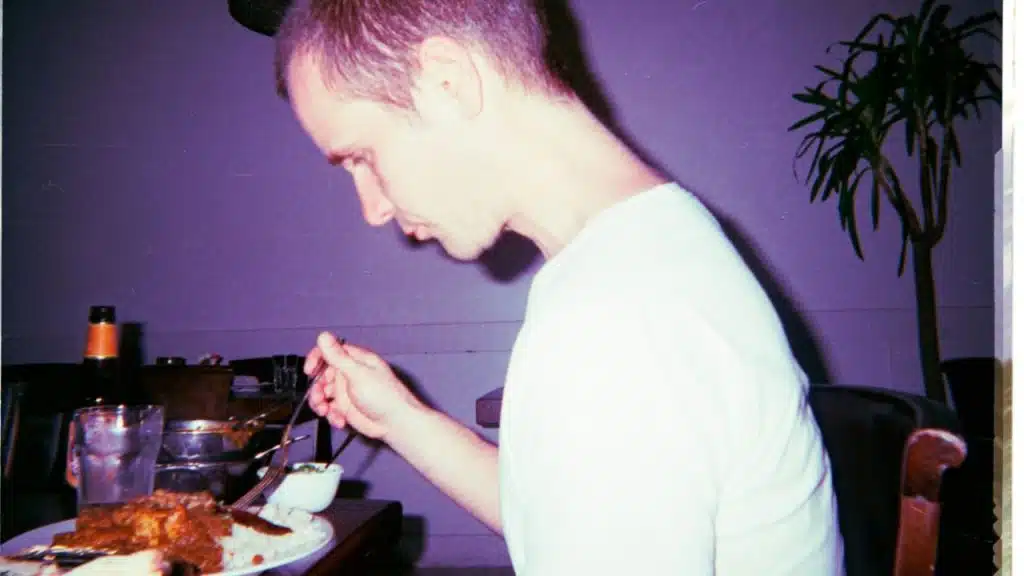
Marriage builds routines without you even noticing. Morning coffee, quick check-ins about the day, someone else moving around in the kitchen. When those disappear, it’s not dramatic, but it’s noticeable.
Cooking for one feels different. Eating alone feels different. Even seeing one toothbrush instead of two can feel strange at first. It’s not about grand romance. It’s about losing the rhythm you were used to.
The House Gets Too Quiet
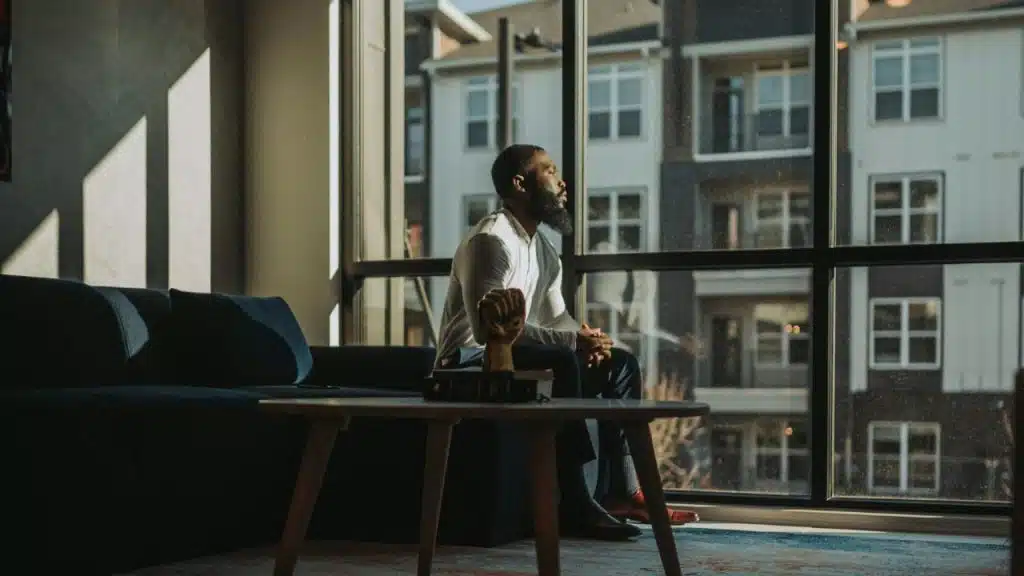
Silence sounds peaceful in theory. In reality, it can feel heavy. After a divorce, a quiet house can amplify every thought you’ve been avoiding.
Without someone else’s presence, there’s more mental space. That space often gets filled with replaying old arguments, second-guessing decisions, or wondering what’s next. The quiet doesn’t create the loneliness, but it definitely highlights it.
Your Social Circle Shrinks Fast

A lot of married men build their social life around their partner. Mutual friends, couples’ dinners, shared invites. After divorce, those connections often fade or get awkward.
Some friends take sides. Others just don’t know what to say. Studies suggest men are more likely to feel socially isolated, especially if they don’t feel part of a meaningful group. When the shared social network disappears, rebuilding one from scratch can feel harder than expected.
You Lose Your Built-In Witness

When you’re married, someone sees your daily wins and losses. They know how stressful your job was that week. They notice when you hit a goal.
After divorce, that built-in witness is gone. You can still succeed, still struggle, still grow, but fewer people see it up close. Achievements can feel quieter. Bad days can feel heavier.
Physical Touch Disappears Overnight

Even in relationships that weren’t perfect, there was usually some level of physical connection. A hug. A hand on your shoulder. Someone next to you in bed.
Once that’s gone, it can be surprisingly intense. It’s not just about sex. It’s about the absence of basic human contact. That lack of touch can make loneliness feel physical, not just emotional.
Parenting Feels Different on Off Days

For divorced dads, the schedule shift can be brutal. One week the house is full of noise, the next it’s empty.
Those kid-free days can stretch longer than expected. Holidays can hit harder. It’s not that you don’t appreciate the break. It’s that the contrast is sharp.
Identity Takes a Hit

For years, you weren’t just you. You were a husband. Maybe a provider. Maybe the steady one. Divorce strips that label away.
That shift can feel disorienting. Who are you now, outside of that role? Even if the marriage wasn’t working, the identity attached to it still mattered.
Freedom Isn’t Always Comforting

On paper, freedom sounds great. No compromises. No negotiations about where to eat or how to spend the weekend.
In reality, total freedom can feel strange. Every decision is yours. There’s no one to bounce ideas off. Too much space can feel just as uncomfortable as too little.
Emotional Support Becomes Harder to Access

Many men are raised to handle things quietly. Stay strong. Don’t over-share.
After divorce, that mindset can backfire. The person you used to talk to is gone. And reaching out to friends doesn’t always come naturally. Without intentional effort, isolation can deepen quickly.
Financial and Household Pressure Doubles

Divorce often means tighter budgets and more responsibilities. There’s no one to split bills or divide chores.
Handling everything alone can feel overwhelming. It’s not just the work itself. It’s the realization that there’s no backup.
Dating Feels Complicated

Jumping back into dating can seem like the obvious fix. Sometimes it works. Sometimes it just masks the loneliness.
If you move too fast, you risk repeating old patterns. If you avoid it entirely, the isolation can stretch longer. Either way, it’s rarely simple.
You Compare Yourself to Your Ex
If your ex seems to move on quickly, it can sting. Even if you know social media isn’t the full story.
Comparison fuels doubt. It’s easy to assume you’re behind or handling it worse. In reality, everyone processes loss differently.
Old Friends Feel Distant

Men often have fewer close friends than they think. Surveys in recent years have shown a noticeable percentage of men reporting no close friends at all.
After divorce, that gap becomes obvious. Reaching out can feel awkward at first. But waiting for someone else to initiate rarely works.
Unhealthy Coping Looks Tempting

When loneliness drags on, shortcuts look appealing. More drinking. Endless scrolling. Staying busy just to avoid sitting still.
Those habits might numb things briefly. They don’t solve the underlying isolation. Over time, they often make it worse.
You Realize the Marriage Gave Structure

Even imperfect marriages provide structure. Shared schedules. Shared goals. Shared plans. Once that framework is gone, everything feels more open-ended. That openness can be freeing, but it can also feel unstable. Rebuilding structure takes time and intention.








Ask Me Anything