
Most people say they want “the real thing,” but real relationships require trade-offs. Settling is a loaded word because it can mean two different things. Sometimes it means choosing a stable partner over a fantasy. Other times it means accepting a relationship that does not meet core needs. Both men and women can do either, for different reasons. Culture, age, financial pressure, family expectations, and personal insecurities all shape these choices. The honest answer is not “men” or “women” universally. The honest answer is that both settle, just in different ways and for different pressures.
Truths About What “Settling” Really Means

A lot of conflict comes from confusing compromise with settling. Compromise is choosing a good fit even if it is not perfect. Settling is often accepting a mismatch while hoping it will feel right later. Many people also call it settling when someone chooses peace over chaos. But peace is not settling if needs are met. The question is not “Who settles more?” The better question is “What needs are being sacrificed, and why?” These truths break down the hidden reasons behind settling decisions. They also show why the debate is more complex than it looks.
People Settle When They Confuse Comfort With Compatibility

Comfort can feel like love, especially after stressful dating experiences. Some people choose a relationship that is easy, not necessarily right. Ease matters, but compatibility matters more over time. Compatibility includes values, conflict style, emotional maturity, and shared goals. Comfort without compatibility can create quiet resentment later. This happens across genders because exhaustion is universal. Dating fatigue makes “good enough” feel safer than risk. The settling often begins when someone stops asking hard questions. Comfort becomes the shortcut.
People Settle When They Fear Being Alone More Than Being Unhappy

Fear of loneliness is a major driver of settling. It can make red flags feel smaller and early chemistry feel like proof. Some people choose a partner quickly because being single feels like failure. Others stay in a relationship because leaving feels too disruptive. Loneliness can also create tunnel vision where any attention feels like connection. This is not a gendered problem; it is a human one. The difference is how loneliness gets expressed. Some withdraw and accept less. Others cling and accept less. Either way, fear often lowers standards.
People Settle When They Overvalue Potential

Potential is attractive because it feels like hope. But potential can also be a trap when it replaces reality. A partner’s future self is not a relationship. A partner’s current behavior is the relationship. Many people settle by dating a “project,” hoping effort will change them. This can look like waiting for maturity, stability, or emotional availability. Over time, the waiting becomes the marriage or the long-term relationship. Hope can be beautiful, but it can also delay hard truth. Settling often hides inside “maybe.” “Maybe” becomes years.
Men and Women Often Settle in Different Categories

Both sexes can settle, but the categories often differ due to social expectations. Men may settle for peace, convenience, or companionship while sacrificing emotional depth. Women may settle for stability, commitment, or security while sacrificing attraction or feeling chosen. These are not fixed rules, but common patterns shaped by culture. Social pressure also teaches different “success” markers. For some men, success looks like having a partner. For some women, success looks like a secure relationship path. When success markers dominate, personal needs get ignored. That is often where settling starts.
Men Often Settle for “Low Conflict” Without Real Connection

Some men prioritize a relationship that feels calm and low-drama. Calm can be healthy, but it can also be emotional distance disguised as peace. A relationship can be quiet because there is stability, or quiet because no one is emotionally present. Men sometimes settle by accepting a partner who is pleasant but not deeply compatible. They may avoid addressing emotional needs to keep things “smooth.” Over time, that creates a relationship that functions but feels empty. Emotional emptiness often shows up as boredom, detachment, or silent resentment. Settling here looks like staying because it is easy. Easy is not always fulfilling.
Women Often Settle for “Commitment” Without Feeling Cherished

Some women settle by prioritizing commitment as the main proof of love. They may accept inconsistency, low affection, or emotional neglect as long as the relationship stays intact. This can be influenced by age pressure, family expectations, or fear of starting over. The relationship looks stable, but it feels lonely inside. Many women describe this as feeling “like a roommate” or “like a helper.” When feeling cherished is missing, resentment grows quietly. Settling here looks like staying because the label exists. A label cannot replace emotional safety. Commitment without care feels hollow.
Women Are Often Pressured to Settle Younger

Women frequently experience louder timelines around marriage, fertility, and social comparison. That pressure can make “good enough” feel urgent. Some women settle earlier to avoid uncertainty later. They may choose a partner who checks boxes but does not meet deeper emotional needs. The relationship can still be loving, but the internal conflict remains. This is why some women later question choices in midlife. Pressure can distort standards. It can also cause people to ignore incompatibilities. Settling does not always look like misery. Sometimes it looks like quiet doubt that never goes away.
Men Are Often Pressured to Settle Later, But for Practical Reasons

Men may feel less biological timeline pressure, but they often face financial and status pressure. Some settle when they feel they have “earned” marriage readiness. They may choose based on convenience, timing, or lifestyle fit. This can lead to settling for a relationship that meets logistical needs but misses emotional compatibility. Men also sometimes settle when they want stability after years of chaotic dating. Stability is good, but it is not enough alone. If the relationship lacks intimacy, it can become transactional. Transactional relationships often breed disconnection. Settling shows up as “This works” rather than “This fits.”
Settling Can Be Hidden Behind “They’re a Great Person”

A partner can be a great person and still be the wrong match. Many people stay because they feel guilty leaving someone decent. They believe leaving makes them shallow or ungrateful. But compatibility is not a moral judgment. It is a fit issue. Staying out of guilt often turns into resentment, which is unfair to both people. The relationship becomes a duty rather than a choice. Choice is what keeps love alive. Settling often hides behind politeness. People are afraid to admit, “This is not enough for me.” That fear keeps relationships stuck.
Some People Settle Because They Want the Lifestyle, Not the Relationship

The lifestyle can include stability, shared rent, social acceptance, parenting goals, or a certain image. When lifestyle becomes the primary motivation, the partner can become secondary. This creates a relationship that looks right but feels wrong. Many couples function well until stress hits. Stress reveals whether the bond is emotional or logistical. If the bond is mostly logistical, the relationship becomes fragile. Fragility creates anxiety and resentment. Settling here is subtle because life looks successful. Inside, the connection feels thin. The relationship becomes a structure, not a partnership.
Settling Can Look Like Constant “Fixing”

If one partner is always trying to change the other, settling may be present. The relationship is being treated as a renovation project. This often comes from fear of starting over. It can also come from the belief that love should “transform” someone. But change only sticks when it is internally motivated. When someone stays with the hope of changing a partner, they are often settling for the current mismatch. Over time, the fixer becomes exhausted. Exhaustion reduces affection. Then resentment grows. Settling becomes a cycle of disappointment.
Settling Can Be Fueled by Social Media and Unrealistic Standards

Online dating and social media raise expectations in strange ways. People compare real partners to highlight reels. They also believe a “perfect match” is always one swipe away. This creates decision paralysis for some and fear-based settling for others. Some settle quickly to stop the chaos. Others settle slowly by staying in half-satisfying relationships because better feels risky. Unrealistic standards can also make good partners feel boring. Boring is not the same as incompatible. But it can be misread as settling. The result is confusion about what love should feel like.
Men and Women Both Settle When They Don’t Discuss Non-Negotiables

Settling often happens when hard conversations are avoided. These include money values, desire for children, lifestyle preferences, religion, intimacy expectations, and conflict styles. When non-negotiables are not discussed, people rely on hope. Hope is not a plan. Over time, reality shows up through conflict. Conflict reveals that the relationship was built on assumptions. Assumptions are fragile. Both sexes avoid these talks for different reasons, but the outcome is similar. A mismatch becomes a marriage. Then “settling” becomes a daily feeling.
Men Often Settle Emotionally and Call It “Normal”
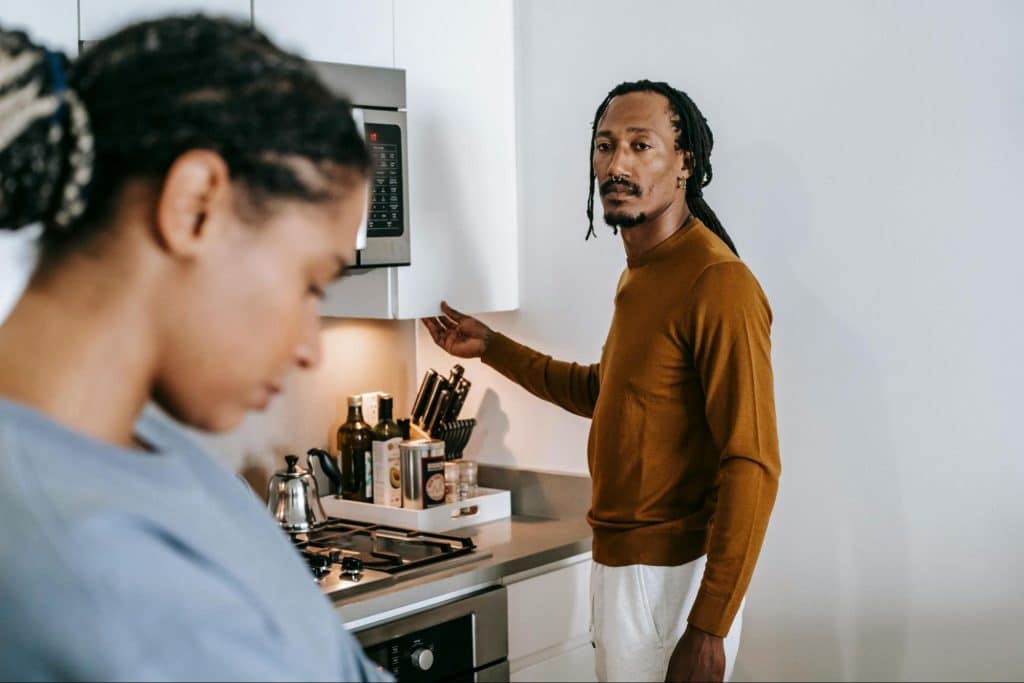
Some men accept low emotional intimacy because they believe it is standard. They may not expect to feel deeply understood. They focus on duty, stability, and providing. This can create a relationship that looks strong but feels emotionally distant. Emotional distance often increases over time. It can also lead to loneliness inside the relationship. Loneliness is a major risk factor for detachment. Settling emotionally does not always feel like sadness. Sometimes it feels like numbness. Numbness is easy to ignore until it becomes identity.
Women Often Settle on Desire and Call It “Maturity”

Some women accept low attraction or low excitement and label it “being realistic.” Realistic love can be healthy, but desire still matters for many people. When desire is consistently missing, resentment can build. Many women try to “logic” their way into feelings that never fully arrive. They may feel guilty for wanting more spark. Over time, the relationship can feel safe but not romantic. Safety is essential, but romance often needs intentional effort too. Settling on desire can show up as avoidance of intimacy. Avoidance often turns into distance. Distance becomes routine.
The Most Uncomfortable Truth: Settling Is Often Mutual
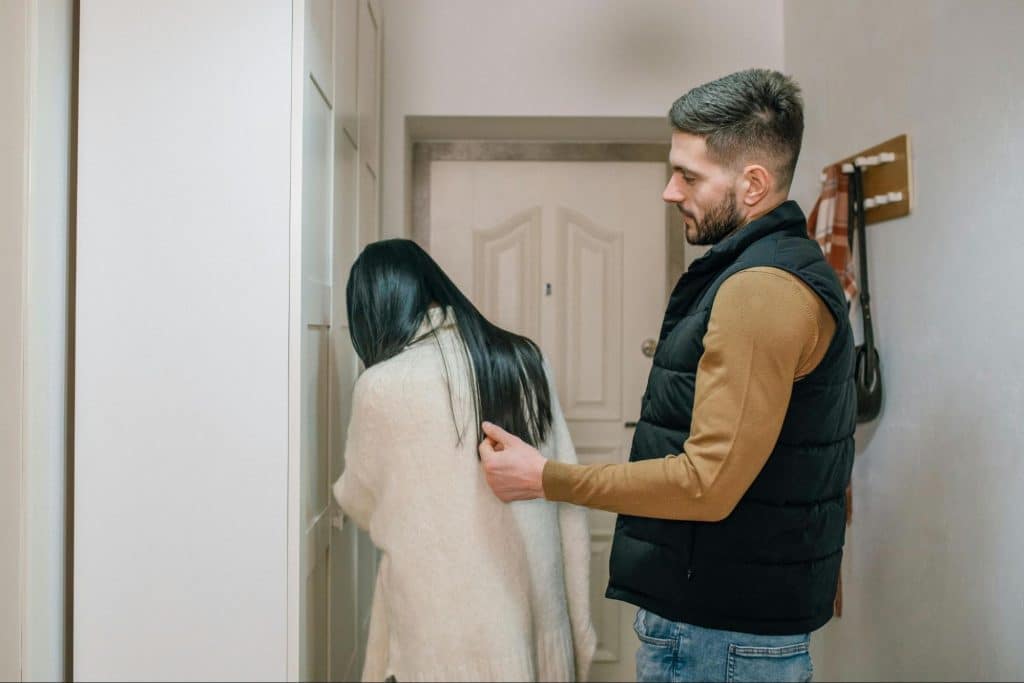
Many long-term relationships involve mutual settling in different areas. One partner accepts less emotional depth, the other accepts less attention. One partner accepts less desire, the other accepts less respect. It can happen quietly because both want the relationship to work. Mutual settling can still produce a stable life, but it often produces quiet resentment. Resentment rarely stays hidden forever. It shows up as criticism, withdrawal, or emotional shutdown. The relationship becomes a series of compromises without repair. Repair is what turns compromise into partnership. Without repair, compromise becomes loss.
Another Uncomfortable Truth: Some People Call Healthy Love “Settling”

A calm, consistent relationship can feel unfamiliar to people used to intensity. Some mistake stability for boredom. They assume love should feel like a constant rush. When it does not, they label it “settling.” But a stable relationship can be deeply satisfying when emotional needs are met. The key is whether the relationship feels safe and chosen. If it feels safe and chosen, it is likely compatibility, not settling. If it feels lonely and constrained, it may be settling. The difference is not the drama level. The difference is emotional fulfillment.
The Most Useful Answer: Who Settles More Depends on the Pressure Point

There is no universal winner in settling. Settling depends on which pressures are strongest: loneliness, age, money, insecurity, family expectations, trauma, or fear of starting over. Men and women can face different pressure points at different stages of life. That is why the same relationship can feel like a prize to one partner and a compromise to the other. The real issue is not gender. It is self-awareness and honesty. People who know their needs settle less painfully. People who avoid their needs settle more quietly. Quiet settling is the hardest to detect.
The Better Question Is What Is Being Sacrificed, and Why

Men and women both settle, often in different ways, for different reasons. Some settling is unhealthy because it trades core needs for comfort. Other “settling” is simply choosing a good partner over fantasy. The deciding factor is whether the relationship supports emotional safety, respect, and compatibility. A relationship should feel like partnership, not self-abandonment. If a relationship requires shrinking, it will eventually create resentment. Honest conversations about needs, values, and non-negotiables prevent silent settling. The goal is not a perfect partner. The goal is a relationship that feels chosen by both people. When both feel chosen, settling stops being part of the story.








Ask Me Anything