
Money problems don’t usually show up all at once. They leak out in small comments, subtle habits, and patterns that are easy to excuse when you’re caught up in chemistry. But long-term relationships are built on shared stability, not just shared playlists and vacations. Financial irresponsibility isn’t about income level — it’s about behavior, mindset, and accountability.
A person can earn six figures and still be reckless, or earn modestly and manage money with discipline and foresight. If you’re serious about protecting your future, these signs are worth paying attention to early.
1. They Live Paycheck to Paycheck — No Matter How Much They Earn

Some people truly struggle due to low income or high living costs. But if someone’s income rises and their lifestyle rises even faster, that’s a pattern. Promotions, bonuses, or side income disappear as quickly as they come in. There’s always a reason they “can’t save right now.” Ask gentle questions about savings or emergency funds. If they consistently have nothing set aside despite steady earnings, it’s not a math issue — it’s a habits issue.
2. They Avoid Talking About Money Altogether

If every financial conversation is met with jokes, irritation, or deflection, take note. Emotionally mature adults can discuss budgeting, debt, and goals without shutting down. Avoidance often hides shame, chaos, or denial. You don’t need a full financial audit on date three, but by the time things get serious, transparency matters. If they treat money like a forbidden topic, that secrecy won’t disappear after marriage.
3. They Have Chronic, Unexplained Debt

Debt itself isn’t the red flag — life happens. Student loans, mortgages, or even medical debt can be responsible choices. The concern is revolving credit card balances with no payoff plan, personal loans stacked on top of other loans, or vague explanations about “sorting it out.” Ask how they plan to tackle it. Responsible people have strategies. Irresponsible ones have excuses.
4. They Spend to Impress

Lavish dinners, designer labels, and flashy purchases can look attractive at first. But if it feels performative — especially when you suspect they can’t afford it — that’s concerning. Financially secure people don’t need to prove status with price tags. Watch for mismatches between income and lifestyle. If someone is constantly upgrading phones, cars, or wardrobes while complaining about being broke, priorities are out of alignment.
5. They Rely on Others to Bail Them Out

Borrowing occasionally is human. Relying on parents, friends, or even you to rescue them repeatedly is a pattern. Pay attention if they laugh off overdraft fees or mention family covering rent “again.” It signals dependence and a lack of financial ownership. A partner should be working toward independence, not expecting rescue missions.
6. They Don’t Budget — And Mock People Who Do

You don’t need spreadsheets color-coded to survive adulthood. But dismissing budgeting as “uptight” or “boring” shows a short-term mindset. Financial responsibility requires awareness of where money goes. If they genuinely don’t know their monthly expenses, that’s not carefree — it’s careless. Discipline isn’t unromantic. It’s stability.
7. They Chase Get-Rich-Quick Schemes

Crypto fads, risky trading, constant “business opportunities” — if they’re always one scheme away from breakthrough wealth, slow down. Wealth building is typically slow and strategic. If they treat money like a casino, you’ll be riding emotional roller coasters with them. Ask what their long-term plan is beyond the next big bet.
8. They Ignore Bills Until It’s Urgent

Late fees shouldn’t be a personality trait. If utilities, rent, or credit cards are constantly paid at the last possible moment — or worse, after penalties — that’s a red flag. Responsible adults handle obligations proactively. Chronic lateness signals disorganization at best and avoidance at worst.
9. They Blame Everyone Else for Their Financial Problems
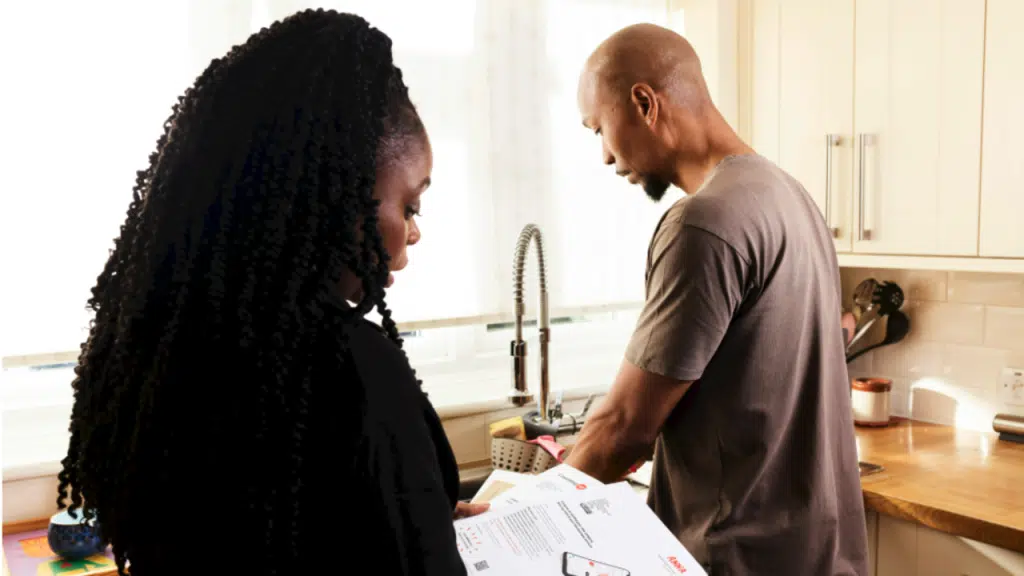
The economy, their boss, taxes, bad luck — external factors are real, but accountability still matters. If someone never acknowledges their own spending habits or decisions, growth is unlikely. Listen for language. Do they say, “I messed up and I’m fixing it,” or is it always someone else’s fault?
10. They Have No Emergency Fund

Life doesn’t announce itself before breaking your car or sending a medical bill. Even a small emergency fund shows foresight. If they’ve never considered building one, that suggests short-term thinking. Ask what they’d do if they lost their job tomorrow. If the answer is panic or “figure it out,” you have your answer.
11. They Treat Credit Like Free Money

Maxed-out cards used for non-essentials are a warning sign. So is bragging about high credit limits as if it’s income. Financially responsible people understand that credit is a tool, not an extension of their paycheck. If they revolve balances month after month without a payoff plan, interest is quietly eroding their future.
12. They Constantly Upgrade Their Lifestyle

Every raise leads to a bigger apartment, newer car, or more expensive habits. Lifestyle creep is subtle but dangerous. Instead of increasing savings or investments, spending expands to match earnings. Long-term partners need someone who can delay gratification — not someone who treats every extra dollar as permission to splurge.
13. They Hide Purchases

Secrecy around spending is a trust issue, even in early dating. If they downplay how much something cost or lie about financial decisions, that pattern only grows. Financial infidelity ruins relationships. Transparency builds them. If you feel like they’re editing the truth about money, pay attention.
14. They Don’t Set Financial Goals
Ask where they see themselves financially in five years. Home ownership? Investments? Business ownership? If they’ve never thought about it, that’s telling. Responsible adults set targets, even flexible ones. Without goals, money drifts — and so does the relationship’s future stability.
15. They Gamble Frequently

Occasional entertainment is one thing. Regular sports betting, casino nights, or high-risk speculation is another. If gambling is positioned as a strategy rather than recreation, be cautious. Risk tolerance matters in relationships. You don’t want your savings account treated like a roulette table.
16. They Expect You to Cover More — Without Discussion

Watch how they handle shared expenses. Do they assume you’ll pay without acknowledgment? Do they “forget” their wallet often? Healthy partnerships involve conversation about fairness. Entitlement around money early on rarely disappears later.
17. They Have No Plan for Retirement

Retirement may feel distant, especially in your 20s or 30s, but complete disregard for the future is revealing. Even small contributions to retirement accounts show long-term thinking. If they shrug it off with “I’ll deal with it later,” that mindset can cost both of you decades down the line. Love feels exciting. Financial instability feels exhausting.








Ask Me Anything