
Arguments are loud, but disappointment is personal. A fight can end with an apology, but disappointment often lingers because it changes trust and expectation. Many women describe disappointment as the moment they stop hoping something will get better. It is not always about big betrayals, but about repeated small letdowns that make love feel unsafe or lonely. Over time, disappointment reshapes how a woman shows up, even if she never says it out loud. She may still care, but she starts protecting herself. These are the disappointments women say hit deeper than fights because they change the foundation, not just the mood.
Feeling Like Effort Only Shows Up After a Threat

Some women notice effort appears only when the relationship is at risk. The man becomes attentive after she pulls away, not while she is asking calmly. This creates the feeling of being valued only when leaving is possible. It makes love feel reactive instead of chosen. Over time, she stops asking because it feels pointless. The relationship becomes a cycle of neglect and panic. That pattern hurts more than an argument because it teaches her she must escalate to matter.
Being Promised Change, Then Watching Nothing Change

A calm apology can feel sincere, but repeated apologies without behaviour change feel insulting. Women often describe this as “hope bait.” Each promise creates a brief sense of relief, then the same pattern returns. That repetition turns optimism into self-blame for believing it again. It also makes future conversations feel useless. A fight is painful, but broken promises are corrosive. This disappointment teaches her that words are not safe to trust.
Being Left Alone With the Mental Load

Many women do not mind teamwork, but they do mind being the default manager. Planning, remembering, coordinating, and noticing becomes her job by default. Over time, that dynamic kills attraction because it feels like parenting, not partnership. She feels unseen even while being depended on. The exhaustion builds quietly until patience disappears. This hits harder than arguments because it is daily, not occasional. It makes the relationship feel heavy all the time.
Feeling Like a Convenience Instead of a Priority
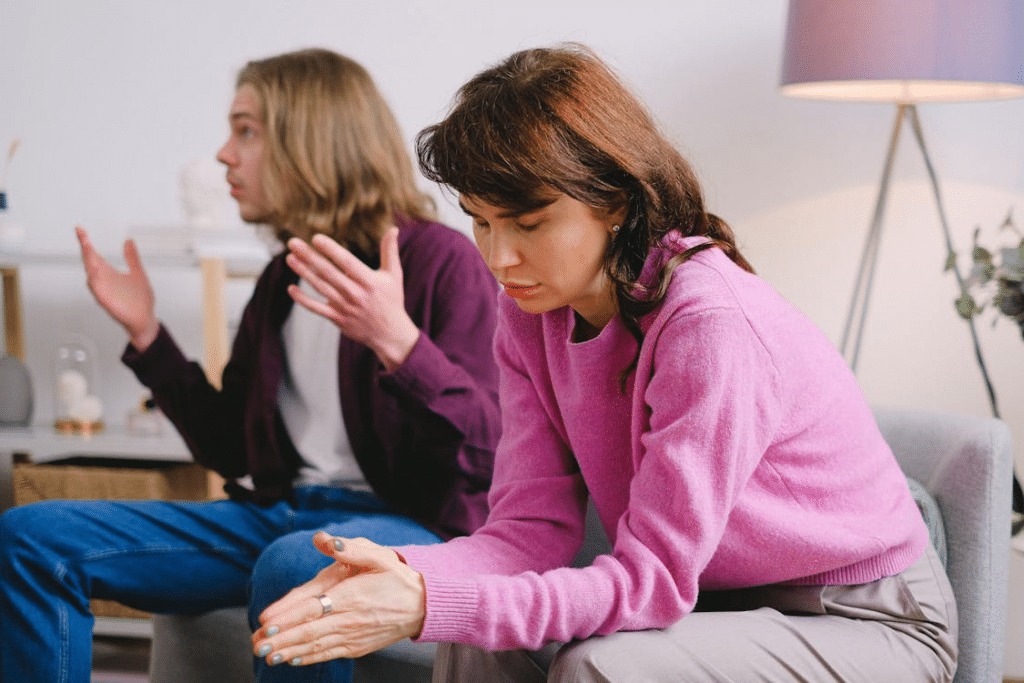
A woman can sense when she is being fit in rather than chosen. She notices when plans are last-minute, effort is minimal, and she is an option after everything else. This creates a low-value feeling that does not require harsh words to hurt. She may act fine, but she feels disposable. Consistent deprioritisation makes commitment feel like a lie. That pain stays longer than a fight because it affects self-worth. It teaches her she has to compete for basic attention.
Not Being Protected From Disrespect

Women often remember moments where a partner stayed silent while someone disrespected them. It could be family, friends, or even subtle social humiliation. Silence communicates agreement, or at least indifference. A woman may not need a dramatic confrontation, but she does need loyalty and backbone. When she feels unprotected, safety drops. This hurts more than arguing because it signals, “You’re alone.” Protection is experienced as love. Lack of it feels like abandonment in real time.
Being Dismissed Instead of Understood

Some men respond to feelings with logic, minimising, or quick fixes. That can make a woman feel unheard even if he thinks he is helping. She may stop sharing because it becomes emotionally unsafe. Dismissal can be subtle: jokes, impatience, or changing the topic. Over time, she learns that vulnerability is not welcome. This disappointment hits harder than conflict because it closes the door to intimacy. Arguments can still include engagement; dismissal is emotional absence. Feeling alone while together is a deeper pain.
Losing Romance and Warmth Without Explanation

Many women say the hardest part is not a fight, but the slow fading of affection. Compliments stop, small touches disappear, and dates become rare. She can feel like she is living with someone who no longer wants her. Even if the man insists nothing is wrong, the change feels like rejection. Over time, she starts questioning her desirability. This disappointment hits harder because it attacks identity. Warmth is not extra, it is relationship maintenance.
Feeling Like a Roommate, Not a Partner

When connection drops, the relationship becomes functional but emotionally flat. Conversations become logistics, and energy becomes routine. A woman may still do her part, but she feels lonely in the same home. Roommate energy is not always dramatic, which makes it harder to explain. She might feel guilty for wanting more. But the absence of intimacy and interest slowly breaks morale. This hits harder than arguments because it is a slow emotional starvation. Nobody notices until the distance becomes normal.
Seeing Him Treat Everyone Else Better Than Her

A woman notices when a man is patient with friends but short with her. She notices when he is polite in public but cold at home. This creates a painful contrast: “He can do it, just not for me.” It makes her feel like she gets the worst version of him. Over time, she stops giving him her best, too. This disappointment hits harder than arguments because it feels personal. It signals that she is not worth his self-control. Respect should be strongest at home, not weakest.
Being Expected to Accept Less Because “Life Is Stressful”

Stress is real, but it can become an excuse for chronic neglect. Women often say they understand hard seasons, but they do not accept permanent decline. When stress becomes the reason effort disappears, she starts feeling like a low priority forever. Hard times reveal character and commitment habits. If love only functions when life is easy, it is fragile. This disappointment hits harder than fights because it has no end date. It tells her she should lower expectations indefinitely. That slowly kills hope.
Being Made to Feel “Too Much” for Having Needs
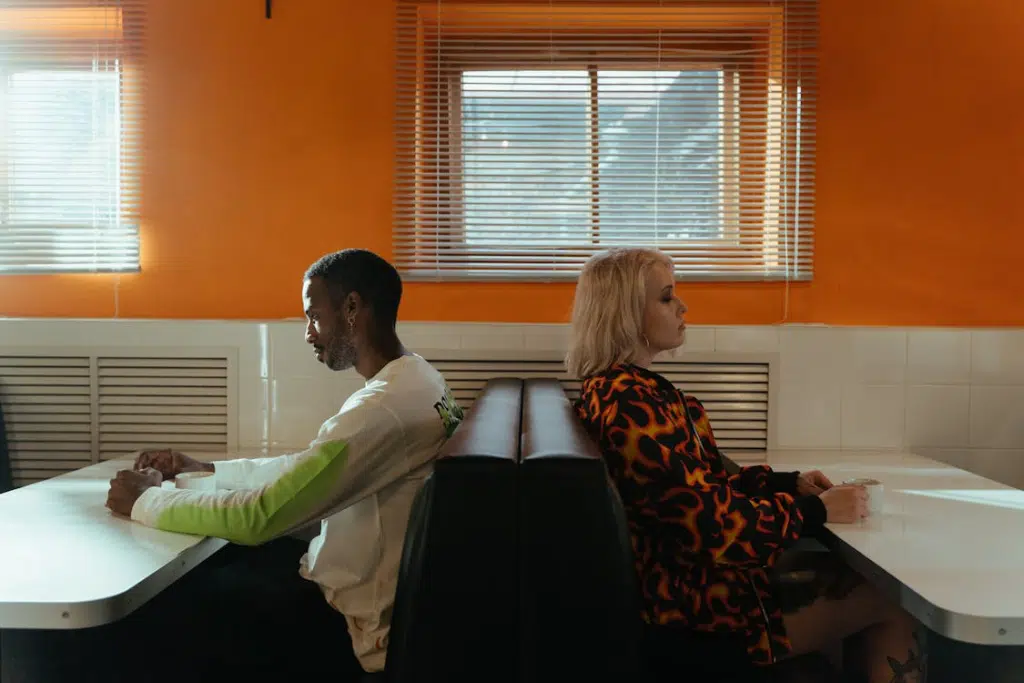
Some women are labelled dramatic for asking for basic consistency, affection, or respect. Over time, she learns to downplay her needs to keep peace. That self-silencing creates resentment and emotional shutdown. Being treated like a burden changes how she sees herself. It also changes how safe the relationship feels. This disappointment hits harder than an argument because it trains her to disappear. Love cannot survive when one person must shrink to be tolerated. Feeling like “too much” becomes a wound.
Realising He Avoids Responsibility Until It Becomes a Crisis

A common regret is watching problems build because he will not handle them early. Bills, plans, family issues, and relationship repairs get delayed until pressure explodes. That creates constant instability and a sense of being alone in adulthood. A woman can handle a lot, but she does not want to carry everything. This hits harder than arguing because it affects security. It teaches her that she cannot rely on him when it matters. Reliability is more romantic than speeches.
Being “Kept” But Not Fully Chosen

Some women describe feeling like they are being held in place, not moved forward with. The relationship exists, but it does not deepen. She feels tolerated but not pursued. Commitment becomes vague, and timelines become blurry. This creates insecurity that does not go away with reassurance. The disappointment grows because time is being spent without direction. This hits harder than fights because it is a life-level issue. It makes her feel like she is investing in uncertainty.
Watching Him Protect His Comfort Over the Relationship

Women notice when a man avoids hard conversations just to keep things easy. He may shut down, joke, or change topics to escape discomfort. That avoidance forces her to either carry the conversation alone or drop it. Over time, she stops believing repair is possible. Comfort becomes his priority, and she becomes the problem for bringing things up. This hits harder than arguments because it means the relationship cannot grow. Growth requires discomfort. Avoidance makes the future smaller.
Feeling Unseen in the Ways That Matter to Her

Sometimes effort exists, but it misses the mark repeatedly. She might want attention, affection, or reliability, but she gets random gestures instead. This creates the feeling that he does not truly know her. Being unseen is painful because it feels like emotional distance, not just miscommunication. A woman can forgive mistakes, but she struggles to accept indifference. This disappointment hits harder than fights because it is about identity. Love is partly being known.
Realising Her Trust Is Dropping Quietly

Many women describe disappointment as the slow death of trust. It happens through repeated small letdowns, not one dramatic event. She starts expecting less to avoid pain. She stops sharing dreams because she does not feel supported. She becomes more independent because relying feels unsafe. This is the disappointment that changes the entire relationship tone. It hits harder than arguments because it is internal and permanent if ignored. Once trust drops, everything feels heavier.
Why Disappointment Creates Distance Faster Than Anger

Anger still contains energy and engagement. Disappointment often contains withdrawal. When a woman is angry, she still believes something can change. When she is disappointed, she often believes it will not. That belief changes behaviour: less affection, less vulnerability, less effort. She starts protecting herself instead of investing. This is why disappointment feels like a turning point. It signals hope is being reduced, not just patience. Distance is often a defence, not a lack of care.
What Helps Most Before Disappointment Hardens

The most effective repair is not a big speech, but consistent follow-through. That includes taking initiative, reducing her mental load, and repairing quickly after conflict. It also includes asking what matters to her and actually applying it. Small daily behaviours rebuild trust faster than occasional grand moments. Repair requires humility, not debate. The earlier effort becomes proactive, the less resentment builds. Disappointment softens when she sees real patterns changing. Trust returns when she does not have to beg.
The Hardest Disappointments Are the Ones That Teach Her to Stop Hoping

Arguments can be resolved, but disappointment changes expectations. Many women can handle conflict if they still feel chosen, protected, and respected. The deeper pain comes when effort feels temporary, needs feel dismissed, and reliability feels absent. These disappointments hit harder because they create loneliness inside the relationship. The good news is that disappointment often starts as feedback, not finality. When changes become consistent and real, hope can return. But when disappointment is ignored, distance becomes the safest option. Love survives on daily choices, not occasional damage control.








Ask Me Anything