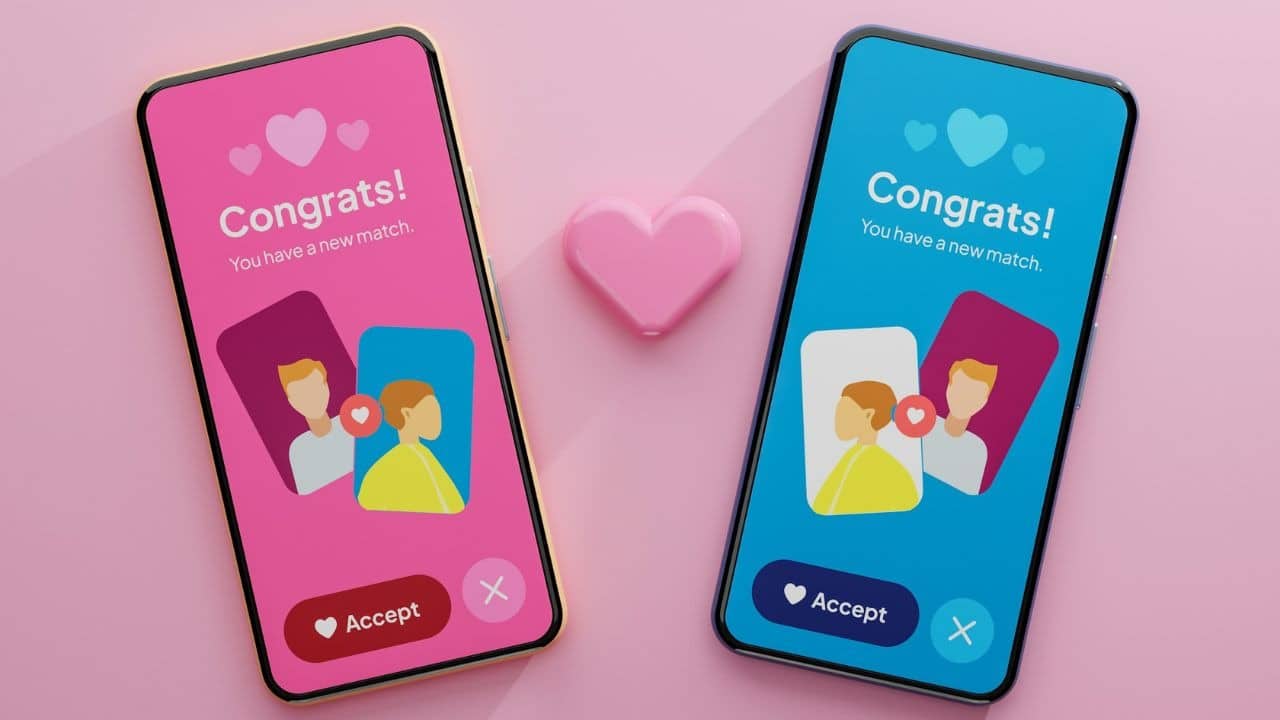
If you’ve spent any real time on dating apps, you’ve probably noticed a pattern. The people putting in the least effort often seem to get the most attention, while those trying to act like functioning adults quietly burn out. It doesn’t mean you’re doing something wrong, and it doesn’t mean everyone else has cracked some secret code.
A lot of it comes down to how these platforms are built and what they quietly encourage. Dating apps don’t just reflect bad behavior. They often reward it. Once you see how the system works, a lot of frustrating experiences start to make uncomfortable sense.
Superficial Swipe Culture

Dating apps train people to make decisions fast. Profiles are judged in seconds, usually based on photos and a headline, not substance. That setup rewards whoever looks most appealing at a glance, not those who communicate well or have depth. Over time, people adjust their behavior to match the system. Personality takes a back seat because it rarely gets a chance to show up. It’s not shallow because people want it to be; it’s shallow because the format demands it.
Gamified, Addictive Design

Most dating apps are built more like games than matchmaking tools. Swiping, matching, and notifications are designed to keep users engaged, not to satisfy them. Each match gives a small dopamine hit, even if nothing comes from it. That reward loop encourages constant searching instead of focusing on one person. When attention becomes the prize, behavior shifts toward whatever gets the most reactions. Quality stops being the goal; activity does.
Too Many Options

Having options sounds great until it becomes endless. When there’s always someone new a swipe away, commitment feels optional. People become more critical and less patient because they assume a better option is right around the corner. Studies have shown that people with fewer choices often feel more satisfied with their decisions, but apps offer the opposite. The result is a constant state of comparison. Nobody feels quite good enough, including the person doing the choosing.
Disposable Mentality

Dating apps quietly teach people that connections are replaceable. If a conversation gets boring or slightly awkward, there’s no reason to work through it. You just move on. This rewards detachment and low emotional investment. Over time, treating people as temporary options starts to feel normal. Courtesy becomes optional when replacement is effortless.
Low-Effort Communication

Sending thoughtful messages takes time, but sending generic ones doesn’t. On dating apps, low effort can still produce results if you send enough messages. That rewards volume over intention. Some people learn quickly that minimal effort paired with high activity is more efficient. The downside is a flood of dull conversations that never go anywhere. The system doesn’t penalize this behavior, so it keeps spreading.
Ghosting Becomes Normal

Ghosting is easier when you never have to see the person again. Apps remove most social consequences, so disappearing feels low risk. Research shows a large portion of online daters admit to ghosting, which tells you how normalized it’s become. The behavior is rewarded by avoiding discomfort. There’s no incentive to communicate honestly when silence costs nothing. Over time, it becomes the default exit strategy.
No Accountability

In real-world dating, reputation matters. On apps, it rarely does. People interact outside shared social circles, so behavior stays isolated. Someone can lie, flake, or behave poorly without facing consequences. This lack of accountability creates room for selfish behavior. When nothing sticks, nothing changes.
Dishonesty Pays Early

Profiles are optimized for attention, not accuracy. Exaggerating height, age, lifestyle, or intentions often results in more matches. In the short term, dishonesty works. That initial reward reinforces the behavior, even if it later leads to problems. When attention is the metric, truth becomes optional. The system rewards whoever looks best on paper, not who is most honest.
Validation Over Connection

Some users aren’t looking for dates at all. They’re looking for reassurance, attention, or a quick ego boost. Dating apps make that easy by providing matches without requiring follow-through. Getting attention feels good, even if nothing comes of it. The app doesn’t care why someone is active, just that they are. That leaves people who want real connection dealing with mixed signals.
Breadcrumbing

Keeping someone mildly interested takes very little effort. A message here, a like there, no real plans. Apps make it easy to juggle conversations without committing to any of them. Breadcrumbing is rewarded because it keeps options open. It’s a low-risk way to avoid loneliness without investing emotionally. For the person on the receiving end, it’s confusing and draining.
Checklist Dating
Filters and preferences encourage people to treat dating like shopping. Height, age, income, hobbies—all reduced to checkboxes. This creates rigid expectations and quick dismissals. Someone might be passed over for not matching a perfect profile, even if real-world chemistry could exist. The app rewards precision, not curiosity. Over time, people stop exploring and start screening.
Instant Gratification Expectations

Dating apps condition users to expect fast results. If chemistry isn’t immediate, interest fades. There’s little patience for slow builds or gradual attraction. This rewards people who create quick excitement, not long-term compatibility. Real relationships often need time, but the app environment discourages waiting. Everything is expected to click right away or not at all.
Reduced Empathy

Interacting through screens creates distance. Profiles don’t feel like full people, just images and text. That makes it easier to ignore messages, disappear, or be blunt. The lack of face-to-face interaction lowers empathy. Apps reward emotional detachment by making swiping easier. The more detached you are, the less friction you feel.
Toxic Messaging Slips Through

Anonymity emboldens bad behavior. Harassment, crude messages, and hostility are common complaints. While most apps claim to discourage it, moderation often falls short. Some users push boundaries because there’s little immediate consequence. Even negative attention can feel like attention. The system struggles to discourage behavior that continues to drive engagement.
Mixed Intentions

Dating apps mix people seeking serious relationships with those seeking something casual. That alone creates friction. Some users misrepresent their intentions to gain access to more matches. Saying the “right thing” gets rewarded early, even if actions don’t match later. This creates mistrust and frustration. The app doesn’t filter for honesty, just compatibility on paper.
Burnout Changes Behavior

Repeated disappointment leads to emotional fatigue. Burned-out users become guarded, cynical, or indifferent. That shift often results in poorer behavior, like preemptive ghosting or low effort. It’s a defensive response that the app environment quietly reinforces. When expectations are low, detachment feels safer. The cycle feeds itself.
Engagement Over Outcomes

Dating apps are businesses, not relationship coaches. Their success depends on user activity, not user satisfaction. Features are designed to keep people swiping, not settling down. Behavior that drives engagement gets rewarded, even if it’s unhealthy. The system doesn’t optimize for good dating habits. It optimizes for time spent on the app.








Ask Me Anything