
Confidence is often misunderstood as something loud. We picture bold talkers, big personalities, or people who dominate rooms. But real confidence is usually quieter—and far more noticeable. It shows up in subtle behaviors, calm body language, and the way someone moves through the world without trying to impress anyone.
These are the men and women who don’t announce their presence, yet somehow command respect the moment they arrive. If you’ve ever wondered why some people seem grounded, attractive, and self-assured without saying a word, these quiet signals explain it. Here are 17 ways confidence shows—without talking at all.
1. They Walk at a Steady, Unrushed Pace
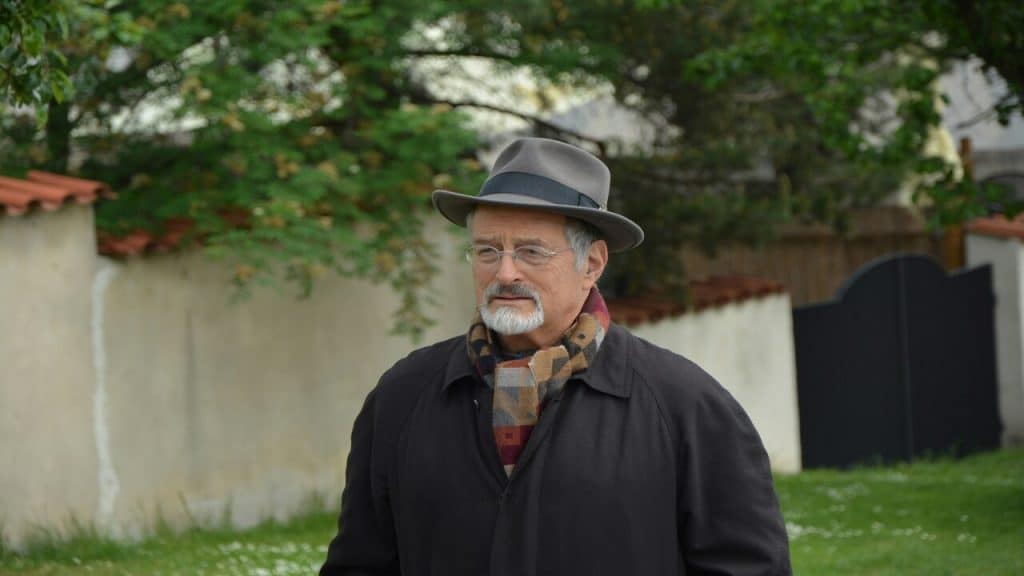
Confident people don’t rush unless they truly need to. Their walk is relaxed, grounded, and intentional, not frantic or hesitant. This signals that they feel in control of their time and surroundings. If you want to practice this, slow your pace slightly and focus on smooth, even steps. Rushing often communicates anxiety or people-pleasing. A steady walk tells the world you’re not chasing approval—you’re moving with purpose.
2. They Maintain Comfortable Eye Contact

Strong eye contact isn’t a stare-down; it’s calm, present, and unforced. Confident people don’t dart their eyes away or overcompensate by staring too hard. They meet others’ gaze naturally, then look away when it feels appropriate. This communicates self-trust and emotional ease. To build this skill, practice holding eye contact for a few seconds longer than usual, especially while listening. It signals confidence and respect at the same time.
3. They Sit and Stand Without Shrinking Themselves

Confident people take up a natural amount of space without exaggeration. They don’t hunch, fold inward, or contort their posture to appear smaller. Their shoulders are relaxed, their spine is upright, and their stance feels grounded. This isn’t about dominance—it’s about comfort in one’s body. Improving posture alone can dramatically change how others perceive you, often before you say a word.
4. They Don’t Fidget Constantly

Excessive fidgeting—tapping, adjusting clothes, checking pockets—often signals nervous energy. Confident people are still when there’s no reason to move. Their hands rest naturally, and their movements are purposeful. This calmness communicates emotional regulation and self-assurance. If you notice yourself fidgeting, pause, take a breath, and let your body settle. Stillness is surprisingly powerful.
5. They React Slowly Instead of Instantly

Confidence shows in measured reactions. Instead of snapping, flinching, or overreacting, confident people pause before responding. This signals emotional control and thoughtfulness. Even in tense moments, they remain composed. Practicing this means giving yourself a brief pause—literally a second—before reacting. That pause communicates strength far more than quick defensiveness ever could.
6. They Look Comfortable Being Alone

People who are confident don’t appear awkward when they’re by themselves. Whether they’re sitting quietly, waiting, or observing a room, they seem at ease. This sends a strong signal: they enjoy their own company. To cultivate this, resist the urge to constantly distract yourself with your phone. Being comfortable alone is one of the clearest nonverbal signs of inner confidence.
7. They Dress With Intention, Not Insecurity

Confidence shows in clothing that fits well and feels authentic—not overly flashy or apologetic. Confident people aren’t chasing trends to prove something; they dress to support who they already are. This doesn’t require expensive clothes—just clean, well-fitting pieces. When you stop dressing for validation and start dressing for alignment, your confidence becomes visible immediately.
8. They Move Their Body With Awareness

From reaching for objects to turning around, confident people move deliberately rather than abruptly. Their motions are smooth, not jerky or rushed. This suggests they feel safe in their environment. You can practice this by slowing down everyday movements and being more present in your body. Graceful movement often reads as confidence long before words enter the picture.
9. They Don’t Over-Apologize

Confident people apologize when appropriate—but not reflexively. They don’t shrink themselves with unnecessary “sorrys” for existing or taking up space. This is often visible even without words, through calm facial expressions and neutral reactions. To improve this, notice when you’re about to apologize out of habit. Replacing unnecessary apologies with calm presence changes how others see you instantly.
10. They Stay Grounded Under Attention

When attention shifts toward them, confident people don’t tense up or perform. They remain steady, neither seeking nor avoiding the spotlight. Their body language stays relaxed. This communicates self-trust and emotional maturity. If attention makes you uneasy, practice grounding techniques like slow breathing or feeling your feet on the floor. Presence beats performance every time.
11. They Smile Naturally, Not Constantly

Confident people smile when it makes sense—not as a nervous reflex. Their expressions match the moment instead of trying to please everyone. This creates authenticity, which people subconsciously associate with confidence. Forced friendliness often reads as insecurity. Let your face rest naturally, and allow expressions to come and go. Calm neutrality can be more confident than constant cheerfulness.
12. They Listen With Their Whole Body

Confidence shows in attentive listening—leaning in slightly, facing the speaker, nodding naturally. Confident people don’t interrupt or look distracted. Their body language says, “I’m here.” This communicates respect and self-assurance simultaneously. Practicing full-body listening not only builds confidence but also makes others feel valued, which strengthens social presence.
13. They Don’t Mirror Everyone Around Them
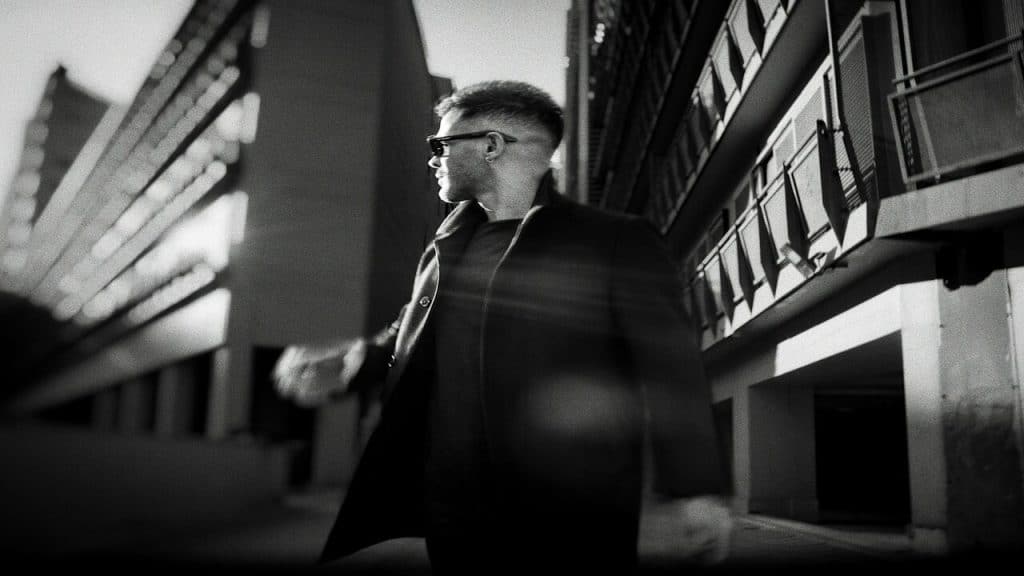
While rapport is important, confident people don’t constantly adjust their behavior to fit others. Their posture, expressions, and energy remain consistent. This signals a strong internal compass. If you notice yourself unconsciously mirroring out of anxiety, pause and return to your natural posture. Consistency reads as confidence far more than adaptability driven by fear.
14. They Look Relaxed in Their Face

Jaw unclenched. Brow soft. Eyes calm. Facial tension often reveals stress or self-doubt. Confident people appear relaxed because they’re not internally bracing for judgment. You can practice this by doing quick facial check-ins throughout the day. Relaxing your face sends a signal—to others and to yourself—that you’re safe and grounded.
15. They Take Their Time Making Decisions
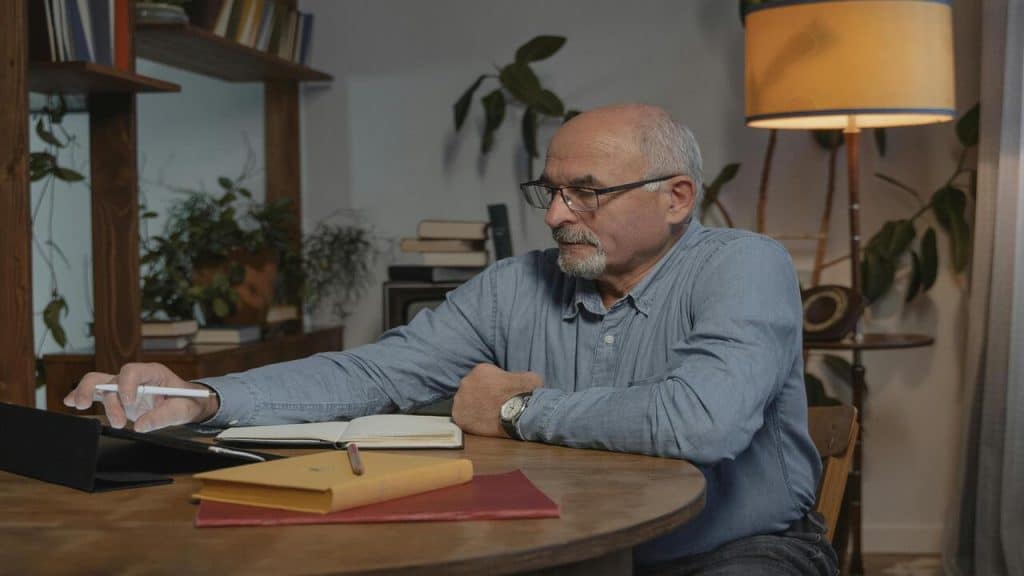
Rushed decisions often signal insecurity or fear of disapproval. Confident people move thoughtfully, even with small choices. Their body language shows deliberation rather than panic. This communicates trust in their own judgment. Start by slowing down everyday decisions—where to sit, when to move, what to do next. Calm choices build visible confidence.
16. They Stay Open, Not Defensive

Confident people don’t cross their arms tightly or angle their body away unless they truly want distance. Their posture stays open and neutral. This signals emotional safety and self-belief. Defensive body language often appears before words do. Practice uncrossing arms, facing forward, and relaxing your shoulders—small changes that dramatically shift how you’re perceived.
17. They Look Comfortable Saying Nothing

Perhaps the strongest sign of confidence is silence. Confident people don’t rush to fill every pause with noise. They allow moments to breathe. Their comfort with silence signals inner security and self-trust. To build this, resist the urge to talk just to avoid awkwardness. Silence isn’t empty—it’s confident presence.








Ask Me Anything