
Emotional safety and connection are basic human needs. When people sense that this safety is weakening, self-protection often becomes a natural response. In relationships, this response commonly appears as emotional withdrawal. It is rarely a sudden decision to stop caring. More often, it develops slowly and quietly over time.
It is often the non-withdrawing partner who notices the change first. Feelings of loneliness or disconnection may appear even when both people are physically present. Recognizing these subtle shifts is an important early step. The following slides examine common ways emotional isolation forms in everyday life and why awareness matters for maintaining close relationships.
Choosing Silence to Avoid Conflict

Staying quiet can feel safer than speaking during a tense moment. A person may fear that being honest will start a long or painful argument. Silence then becomes a way to keep peace and reduce stress. While it may prevent conflict at first, it creates a false sense of calm. Important issues remain unresolved and understanding is lost. Over time, the home can feel tense and distant. The partner is often left confused, trying to guess what is wrong.
Using Short Answers as a Shield

One common way people hide their feelings is by giving short, automatic answers. These replies quickly shut down any deeper conversation. Keeping responses brief allows a person to create distance without explaining what they are feeling. It sends a clear signal that they do not want to talk further. While this may help avoid discomfort in the moment, it weakens emotional connection over time. The partner may stop asking questions because they expect little response. When conversations stay shallow, the relationship slowly loses its depth.
Turning to Screens for a Distraction

Smartphones and tablets can become an easy place to retreat when someone feels uncomfortable or overwhelmed. Scrolling through a screen often replaces face-to-face conversation during tense moments. This habit is usually not intentional but develops as a way to avoid emotional discomfort. The device offers distraction without requiring engagement or explanation. For the partner nearby, it can feel like the screen is taking priority over the relationship. Over time, this behavior creates emotional distance. The device slowly becomes a barrier that limits real connection.
Physical Signs of Moving Away

Emotional withdrawal often appears first in body language, even before any words are spoken. A person might turn away while sitting or choose a different spot to sleep. These small actions show a need for personal space and a way to conserve emotional energy. This creates a physical barrier that reduces closeness. As the habit continues, physical affection like hugs or touches may fade. The lack of contact makes the emotional distance feel even wider. The home can start to feel colder and less welcoming for both partners.
Focusing Only on Daily Tasks

Every relationship involves daily tasks like paying bills or planning groceries. When emotional withdrawal starts, these practical talks often become the main way a couple communicates. It feels safer to focus on chores than to share feelings or dreams. This approach lets the household run smoothly while keeping partners emotionally distant. Over time, the relationship can start to feel more like a business partnership than a romantic connection. Even if one person tries to bring up deeper topics, the other may stay focused on facts. This keeps conversations safe but shallow for the partner who is withdrawing.
Using Tiredness as a Reason to Disengage

Feeling tired is normal, but it can also be used to avoid connection. A person may claim they are too exhausted to talk or spend time together. This fatigue can come from the mental effort of keeping emotional walls in place. Over time, the partner stops trying, expecting the same response. This creates a distant pattern where both people remain apart. Gradually, being “too tired to connect” becomes the usual way of relating.
The Fear of Being Vulnerable

At the core of emotional withdrawal is a fear of being fully seen. Vulnerability involves sharing fears or weaknesses, and this can feel risky and unsafe for someone who tends to withdraw. They worry that revealing their true self could lead to judgment or rejection. To protect themselves, they hide their thoughts and keep a controlled exterior. While this shields them from hurt, it also prevents the partner from truly knowing them. The relationship stops growing because the connection is based on a mask rather than real closeness.
Avoiding the Work of Solving Problems

Conflict is often necessary for solving problems, but people who withdraw see it as a threat. They may avoid arguments, walk out, or stop responding when talks get hard. This behavior, known as stonewalling, temporarily stops tension but leaves issues unresolved. Over time, these ignored problems accumulate and create a bigger emotional gap in the relationship.
Thinking that Talking is Pointless

A common reason for withdrawal is believing that talking won’t help. A person may feel their partner will never understand them, especially if past attempts caused frustration. They stop sharing thoughts or feelings, leaving their partner unsure what’s wrong. Without feedback, the relationship cannot improve, and this habit quietly widens the emotional distance.
A Mistaken View of Independence

Healthy relationships need a balance between togetherness and personal space. Emotional withdrawal can appear as a need for independence. A person may insist on handling everything alone, using self-reliance to avoid depending on others. While it may seem like strength, it often pushes the partner away. True independence includes asking for help when needed. When independence shuts out a partner, it turns into isolation.
Living Inside an Internal World

People who often withdraw spend much of their time inside their own minds. They process feelings and make decisions without sharing them. By the time they speak to their partner, the choices are already set. The partner only hears the outcome and misses the process. This creates a private inner world within a shared home. The relationship can feel empty, leaving the other partner feeling disconnected and like a stranger in their own home.
Feeling Emotionally Numb

To protect themselves from disappointment, some people reduce their emotional reactions. This numbness makes it easier to get through the day without feeling upset. But shutting down emotions affects both bad and good feelings. When someone numbs their pain, they also limit their ability to feel joy or love. They may move through the relationship with a flat or neutral expression. This lack of emotional response can be confusing for a partner who wants to connect. Daily interactions can feel empty and mechanical for both people in the relationship.
The Growth of Hidden Anger

Emotional withdrawal can come from unspoken anger. Staying silent lets irritation grow into deep resentment. Even small talks carry tension, and the partner may feel ongoing frustration without knowing why. Silence becomes a way to show anger, creating hidden hostility that harms the relationship.
Waiting for a Better Time to Talk
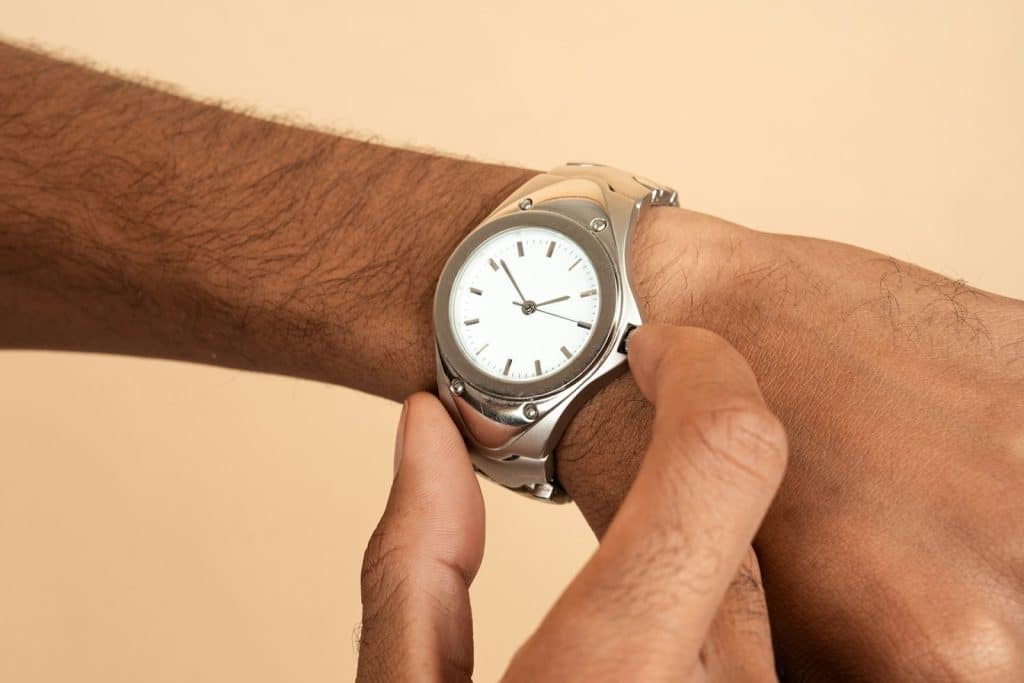
Putting off tough conversations often turns into a habit. A person may wait for the right time when there is no stress or distractions. Since that moment rarely comes, the issue stays unspoken. This delay becomes a long-term way of avoiding connection. It creates the illusion of wanting closeness without taking any real risk, letting the relationship drift.
Protecting the Self Instead of the Bond

Some people pull away because they fear losing themselves in the relationship. They may feel their partner’s needs are too strong or demanding. Withdrawal becomes a way to regain personal space and boundaries. This often happens when one partner is very intense or emotional. Instead of setting clear limits, the person disappears emotionally. While it protects their sense of self, it also creates distance and weakens the connection.
Silence Used to Control a Partner

While withdrawal is often about protection, it can also be used as a way to control. Using silence to show unhappiness is a way to punish a partner without talking. It forces the other person to chase the withdrawer to end the tension. This creates an unhealthy pattern where talking is used as a reward for certain behaviors. The partner who is being ignored often feels a high level of worry and sadness. This approach damages trust and makes the relationship feel unsafe. It turns the connection into a pattern of power and silence.
Losing Interest in the Other Person

In the early stages, people are usually curious about each other. With withdrawal, that curiosity fades. A person may stop asking about their partner’s thoughts or day, assuming they already know. This lack of interest makes the partner feel invisible and less willing to share. Without active interest, the couple stops learning and growing as a pair.
Putting All Energy into Work or Hobbies

When someone pulls away, they often redirect their energy to work or hobbies. This might look like staying late at an office or starting a new hobby. These activities offer a sense of success that feels safer than tackling difficult conversations at home. The partner is left with whatever energy remains, making the relationship feel less important. This shift turns the partnership into a secondary part of life rather than the main focus.
Both Partners Starting to Withdraw

Withdrawal usually doesn’t stay one-sided for long. When one partner pulls away, the other often tries to reconnect, but repeated silence can lead them to withdraw too. This becomes a way to cope with the pain of rejection. Gradually, both partners end up emotionally distant. The home grows quiet, and each person lives in their own separate world. At this point, withdrawal has replaced closeness as the normal pattern.
Finding a Way Back to Each Other

Breaking withdrawal starts with a conscious choice to be present. It begins by noticing the urge to hide and deciding to stay engaged. Small steps, like making eye contact or sharing a simple feeling, start the process. It also involves admitting past withdrawal and explaining the reasons. Rebuilding the connection takes time and patience from both partners. Honest conversations gradually replace the silence, bringing the relationship closer. Recognizing the pattern is the first step toward ending the emotional drift.








Ask Me Anything